Wyss Institute for Biologically Inspired Engineering, Harvard University, Boston, MA, USA.
Vascular Biology Program and Department of Surgery, Boston Children's Hospital and Harvard Medical School, Boston, MA, USA.
Nat Biomed Eng. 2021 Aug;5(8):815-829. doi: 10.1038/s41551-021-00718-9. Epub 2021 May 3.
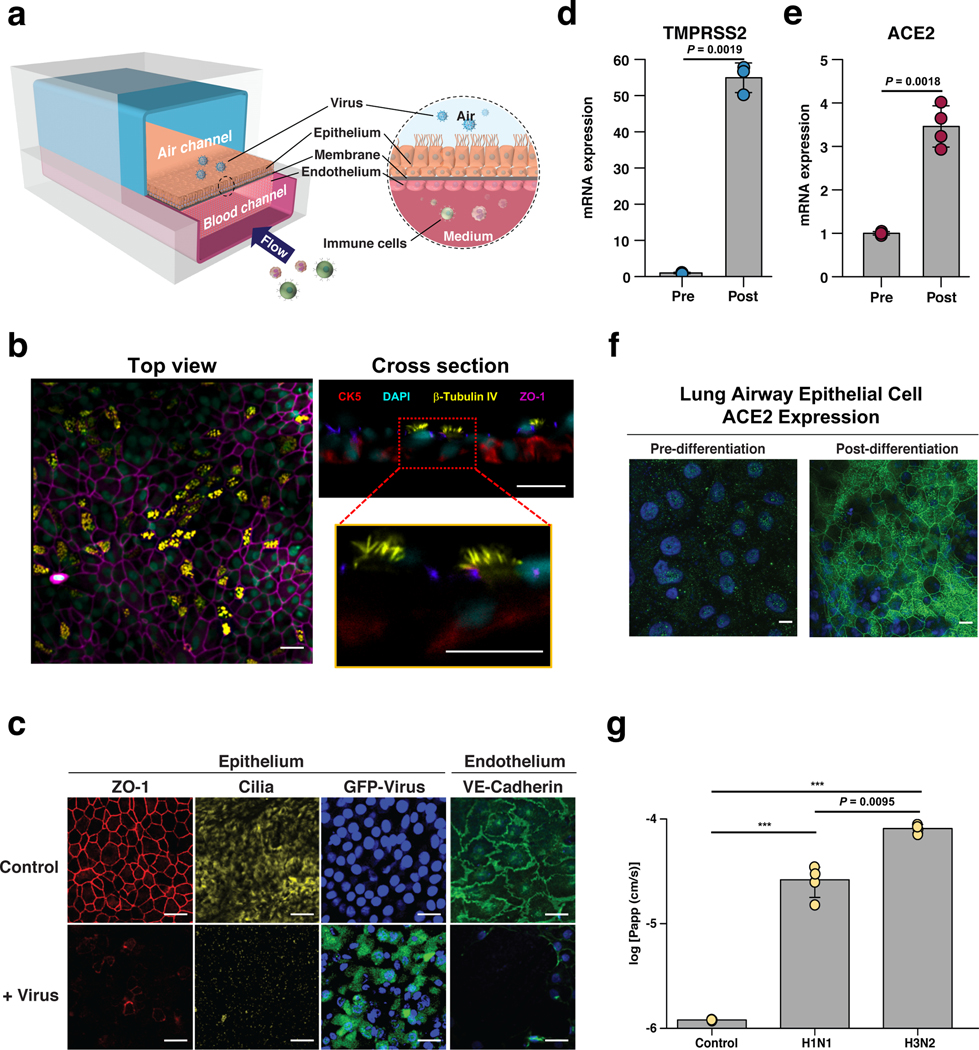
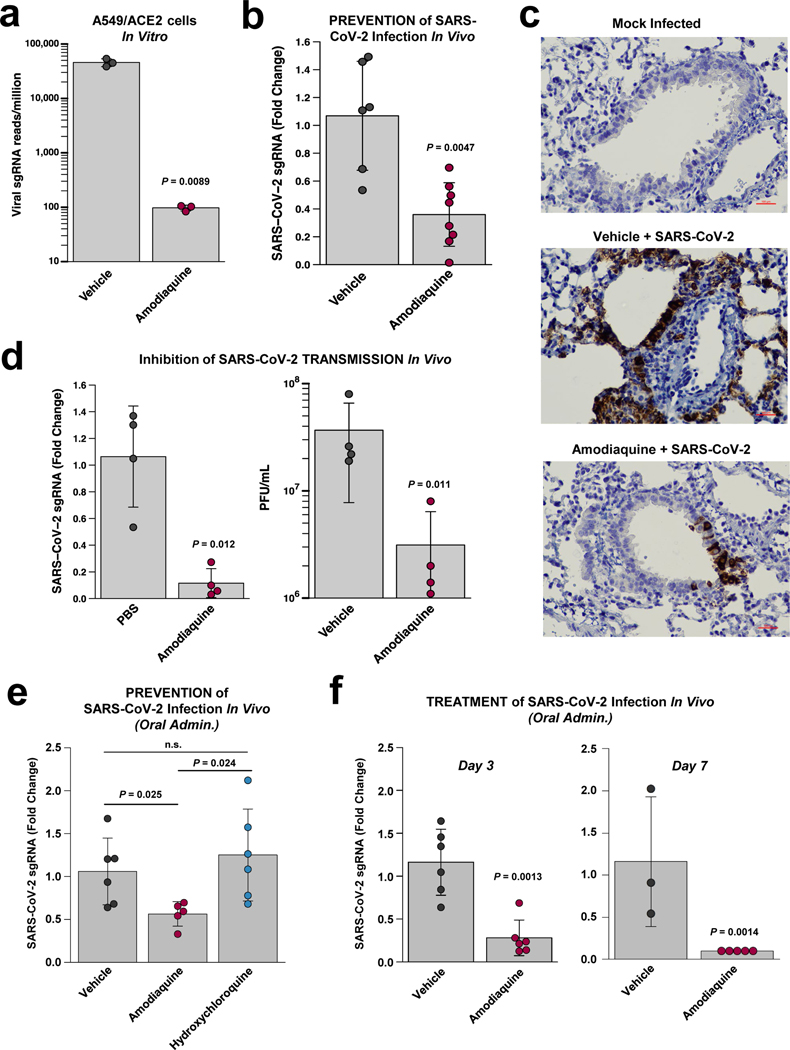
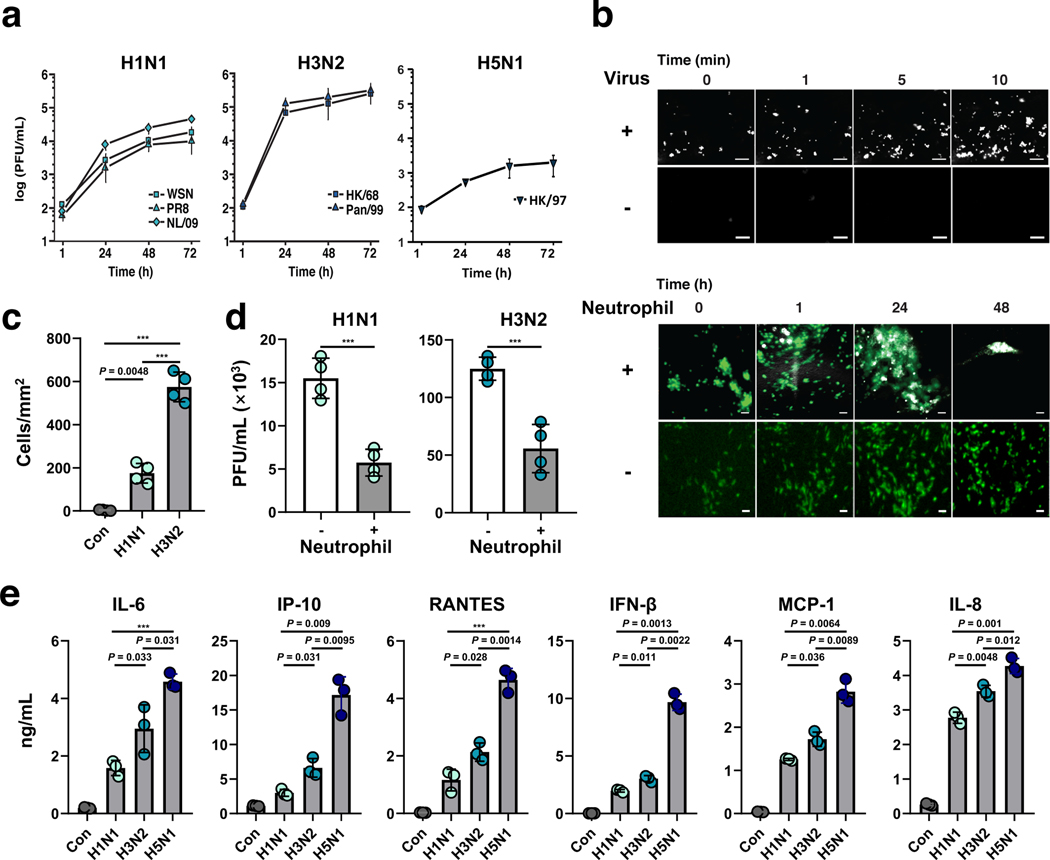
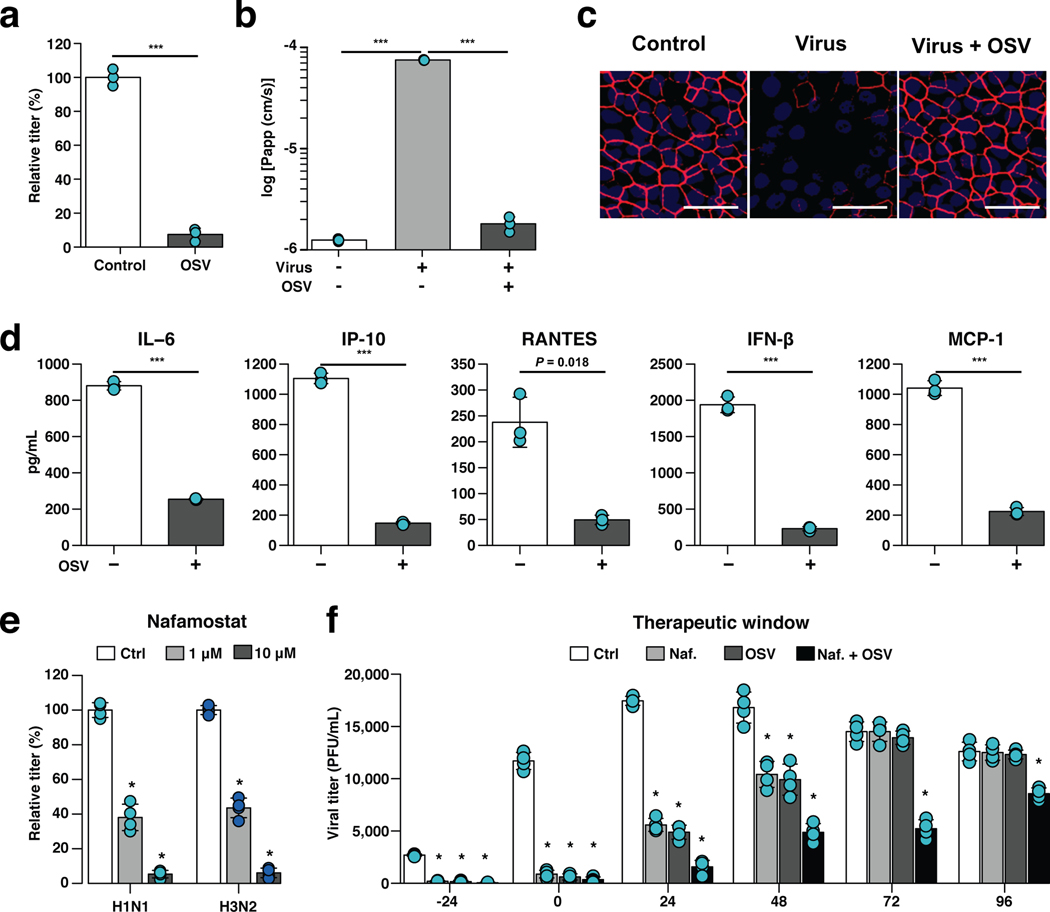
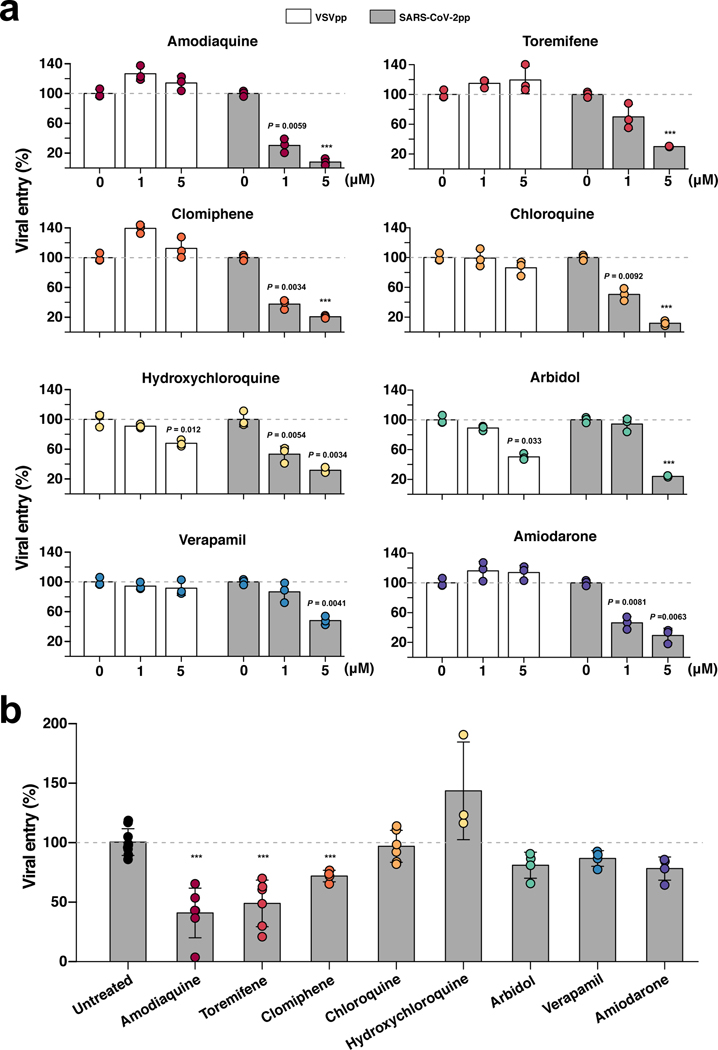
The rapid repurposing of antivirals is particularly pressing during pandemics. However, rapid assays for assessing candidate drugs typically involve in vitro screens and cell lines that do not recapitulate human physiology at the tissue and organ levels. Here we show that a microfluidic bronchial-airway-on-a-chip lined by highly differentiated human bronchial-airway epithelium and pulmonary endothelium can model viral infection, strain-dependent virulence, cytokine production and the recruitment of circulating immune cells. In airway chips infected with influenza A, the co-administration of nafamostat with oseltamivir doubled the treatment-time window for oseltamivir. In chips infected with pseudotyped severe acute respiratory syndrome coronavirus 2 (SARS-CoV-2), clinically relevant doses of the antimalarial drug amodiaquine inhibited infection but clinical doses of hydroxychloroquine and other antiviral drugs that inhibit the entry of pseudotyped SARS-CoV-2 in cell lines under static conditions did not. We also show that amodiaquine showed substantial prophylactic and therapeutic activities in hamsters challenged with native SARS-CoV-2. The human airway-on-a-chip may accelerate the identification of therapeutics and prophylactics with repurposing potential.
抗病毒药物的快速重新利用在大流行期间尤为紧迫。然而,评估候选药物的快速检测方法通常涉及体外筛选和细胞系,这些方法不能在组织和器官水平上重现人体生理学。在这里,我们展示了一个由高度分化的人支气管-气道上皮细胞和肺内皮细胞组成的微流控支气管-气道芯片,可以模拟病毒感染、菌株依赖性毒力、细胞因子产生以及循环免疫细胞的募集。在感染甲型流感的气道芯片中,法莫替丁与奥司他韦联合给药将奥司他韦的治疗时间窗口增加了一倍。在感染假型严重急性呼吸综合征冠状病毒 2(SARS-CoV-2)的芯片中,临床相关剂量的抗疟药阿莫地喹抑制了感染,但在静态条件下抑制假型 SARS-CoV-2 进入细胞系的羟氯喹和其他抗病毒药物的临床剂量却没有。我们还表明,阿莫地喹在接受天然 SARS-CoV-2 挑战的仓鼠中表现出显著的预防和治疗活性。人呼吸道芯片可能会加速具有重新利用潜力的治疗药物和预防药物的鉴定。