Bai Xupeng, Ni Jie, Beretov Julia, Wasinger Valerie C, Wang Shanping, Zhu Ying, Graham Peter, Li Yong
St George and Sutherland Clinical School, Faculty of Medicine, UNSW Sydney, Kensington, NSW, 2052, Australia; Cancer Care Centre, St. George Hospital, Kogarah, NSW, 2217, Australia.
St George and Sutherland Clinical School, Faculty of Medicine, UNSW Sydney, Kensington, NSW, 2052, Australia; Cancer Care Centre, St. George Hospital, Kogarah, NSW, 2217, Australia; Anatomical Pathology, NSW Health Pathology, St. George Hospital, Kogarah, NSW, 2217, Australia.
Redox Biol. 2021 Jul;43:101993. doi: 10.1016/j.redox.2021.101993. Epub 2021 Apr 28.
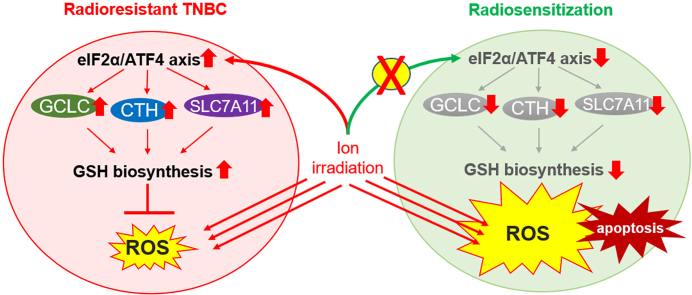
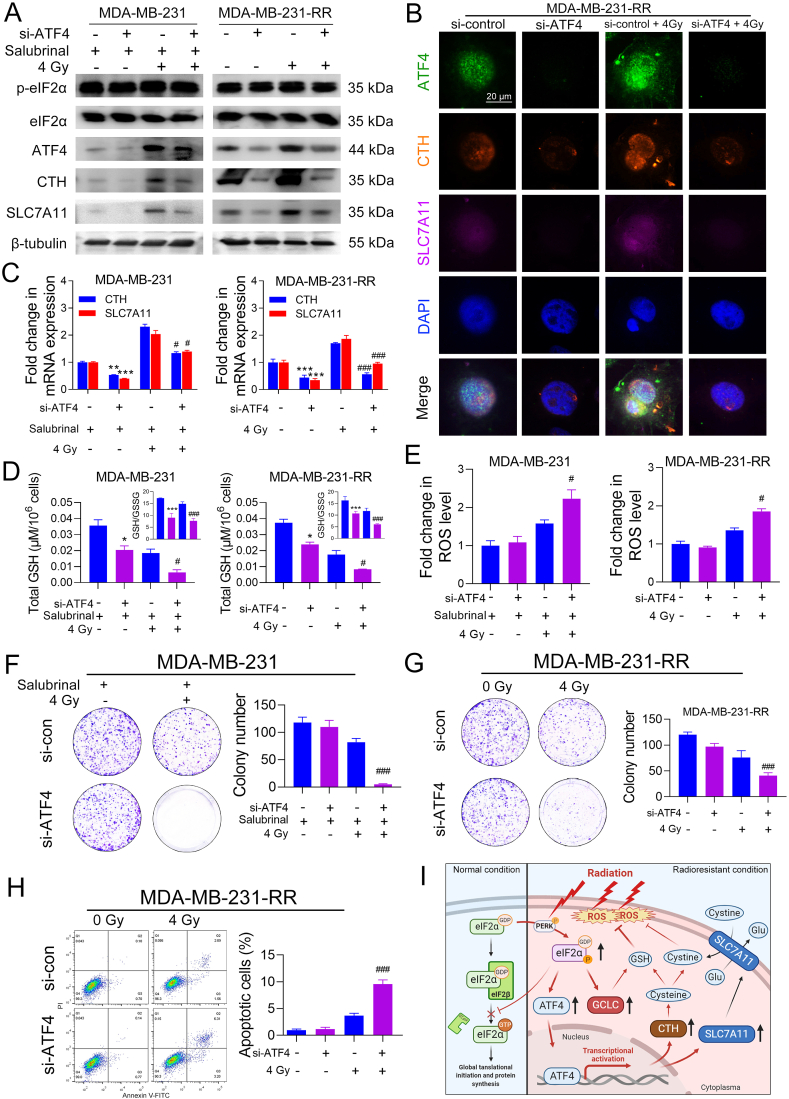
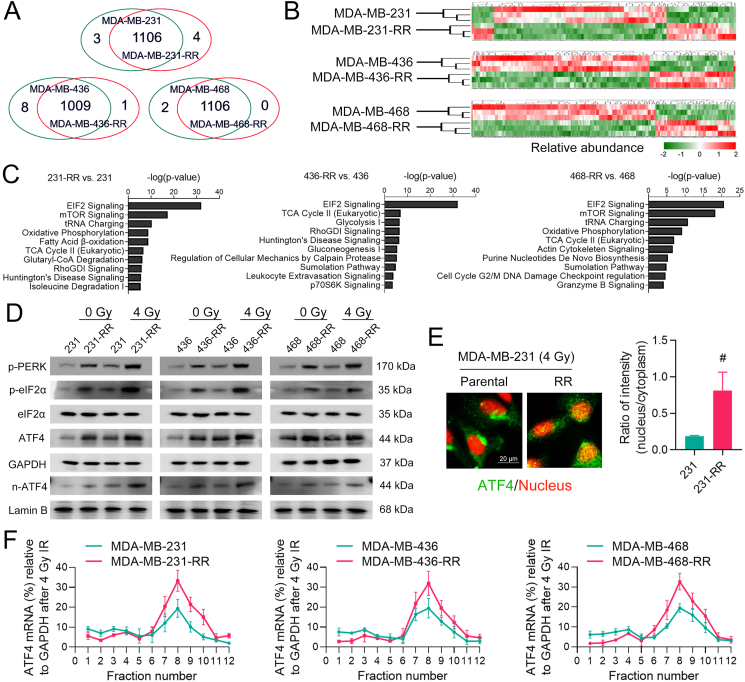
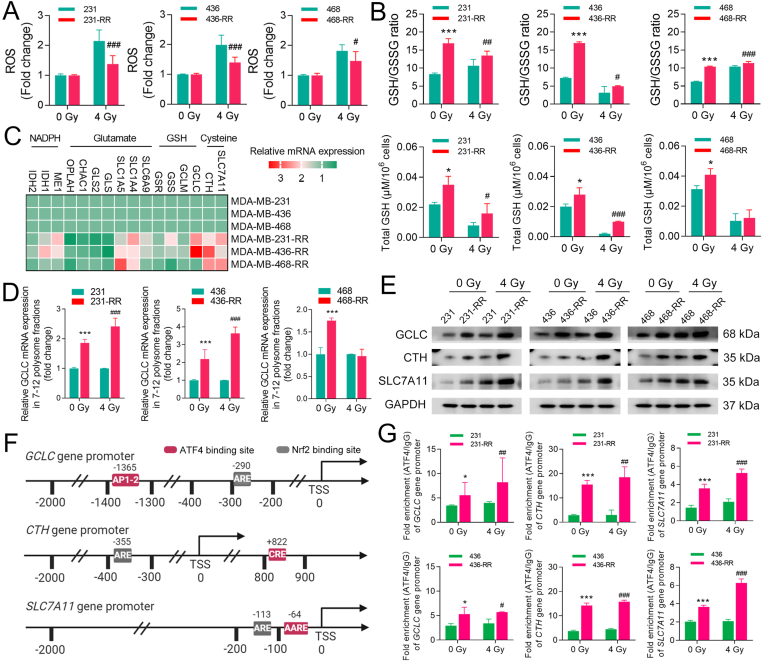
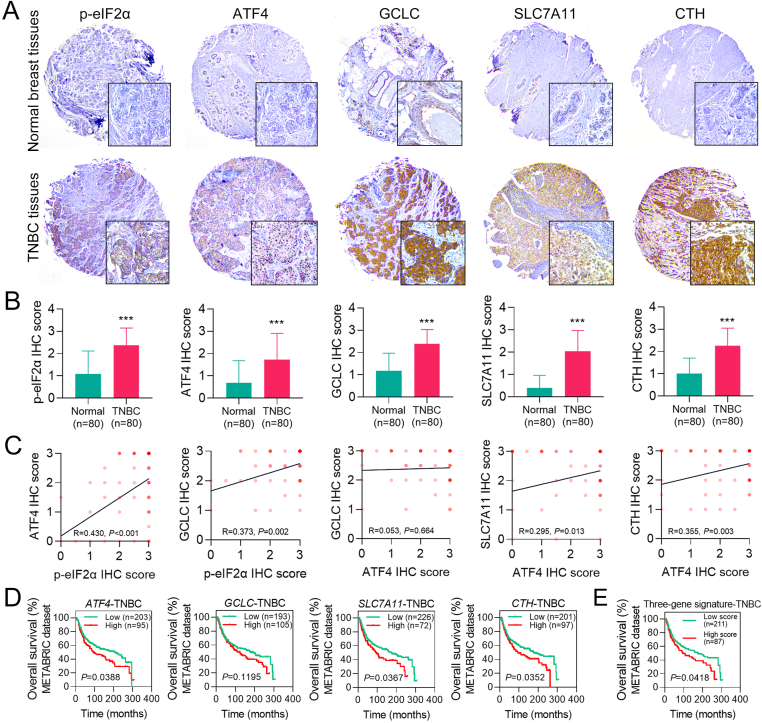
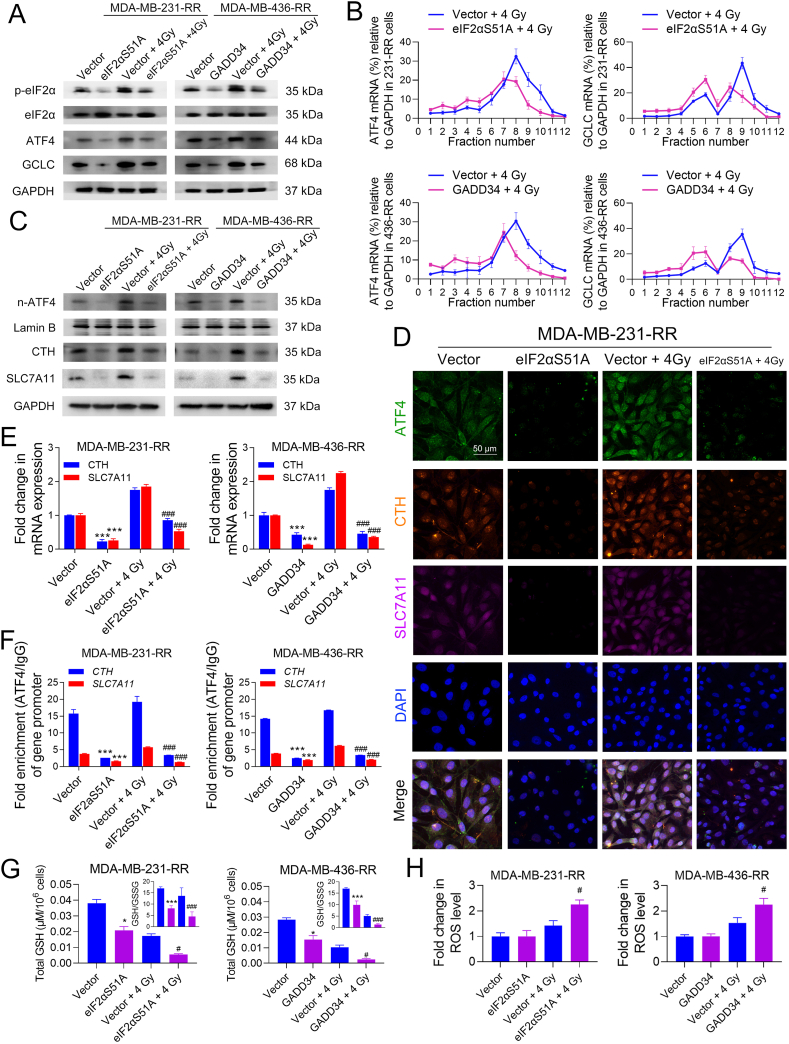
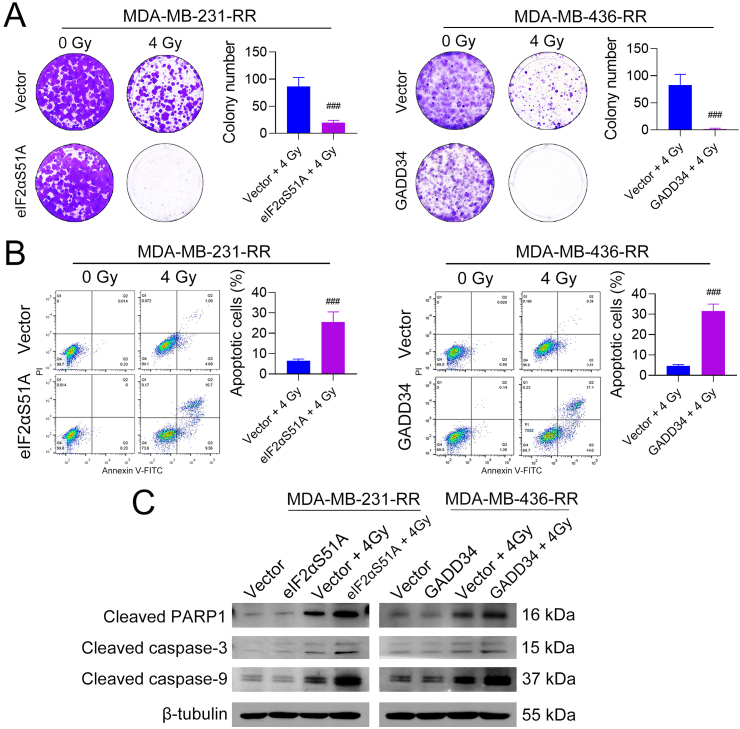
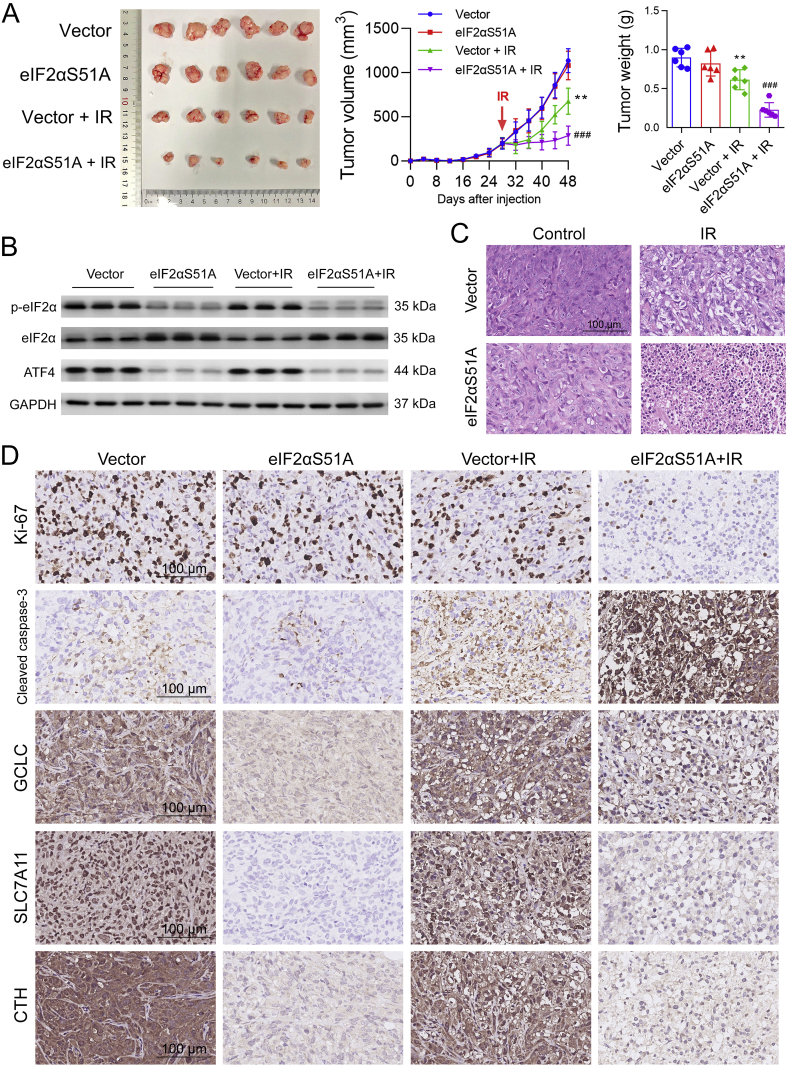
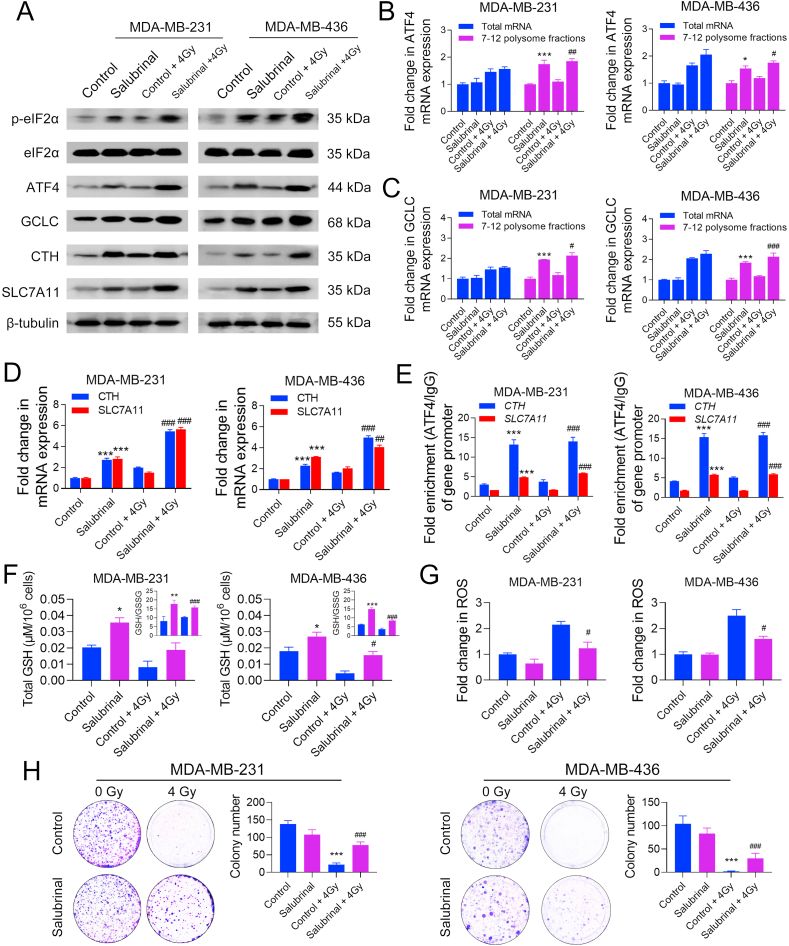
Triple-negative breast cancer (TNBC) is the most aggressive breast cancer subtype. Radiotherapy is an effective option for the treatment of TNBC; however, acquired radioresistance is a major challenge to the modality. In this study, we show that the integrated stress response (ISR) is the most activated signaling pathway in radioresistant TNBC cells. The constitutive phosphorylation of eIF2α in radioresistant TNBC cells promotes the activation of ATF4 and elicits the transcription of genes implicated in glutathione biosynthesis, including GCLC, SLC7A11, and CTH, which increases the intracellular level of reduced glutathione (GSH) and the scavenging of reactive oxygen species (ROS) after irradiation (IR), leading to a radioresistant phenotype. The cascade is significantly up-regulated in human TNBC tissues and is associated with unfavorable survival in patients. Dephosphorylation of eIF2α increases IR-induced ROS accumulation in radioresistant TNBC cells by disrupting ATF4-mediated GSH biosynthesis and sensitizes them to IR in vitro and in vivo. These findings reveal ISR as a vital mechanism underlying TNBC radioresistance and propose the eIF2α/ATF4 axis as a novel therapeutic target for TNBC treatment.
三阴性乳腺癌(TNBC)是最具侵袭性的乳腺癌亚型。放射治疗是TNBC治疗的一种有效选择;然而,获得性放射抗性是这种治疗方式面临的主要挑战。在本研究中,我们表明整合应激反应(ISR)是放射抗性TNBC细胞中最活跃的信号通路。放射抗性TNBC细胞中eIF2α的组成型磷酸化促进了ATF4的激活,并引发了与谷胱甘肽生物合成相关基因的转录,包括GCLC、SLC7A11和CTH,这增加了细胞内还原型谷胱甘肽(GSH)的水平以及辐射(IR)后活性氧(ROS)的清除,导致放射抗性表型。该级联反应在人类TNBC组织中显著上调,且与患者的不良生存相关。eIF2α的去磷酸化通过破坏ATF4介导的GSH生物合成增加了放射抗性TNBC细胞中IR诱导的ROS积累,并在体外和体内使它们对IR敏感。这些发现揭示了ISR是TNBC放射抗性的重要机制,并提出eIF2α/ATF4轴作为TNBC治疗的新靶点。