Department of Organ Transplantation, Zhujiang Hospital, Southern Medical University, Guangzhou, China.
Department of Organ Transplantation, The First Affiliated Hospital of Guangzhou Medical University, Guangzhou, China.
Front Immunol. 2021 Apr 20;12:639942. doi: 10.3389/fimmu.2021.639942. eCollection 2021.
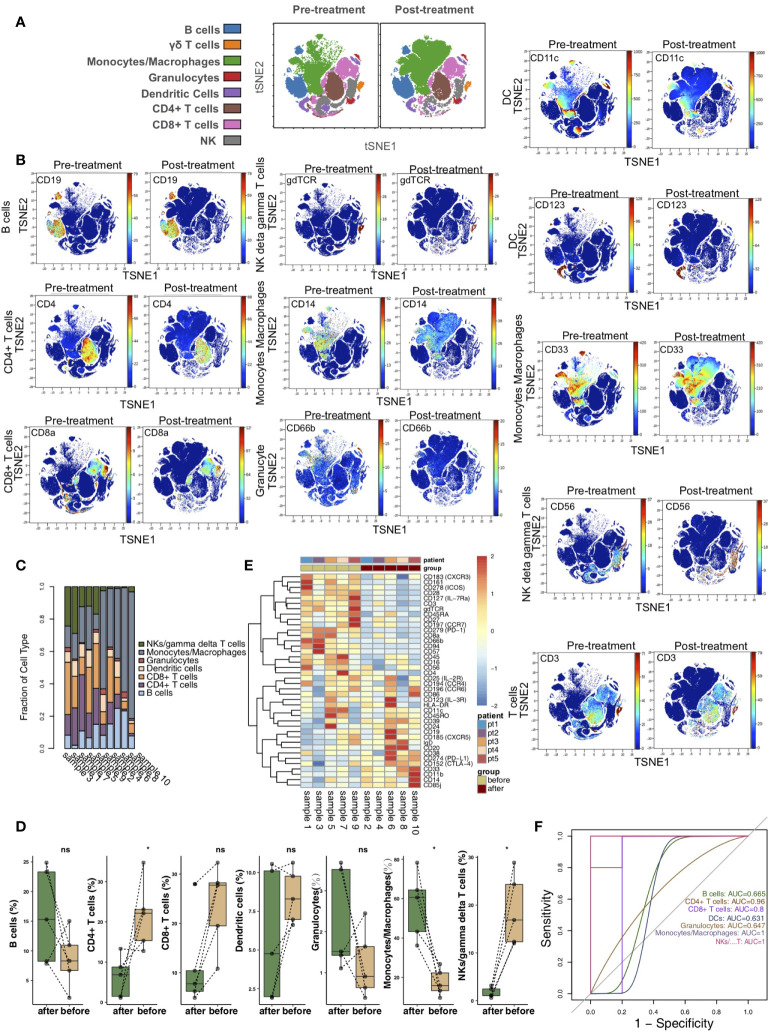
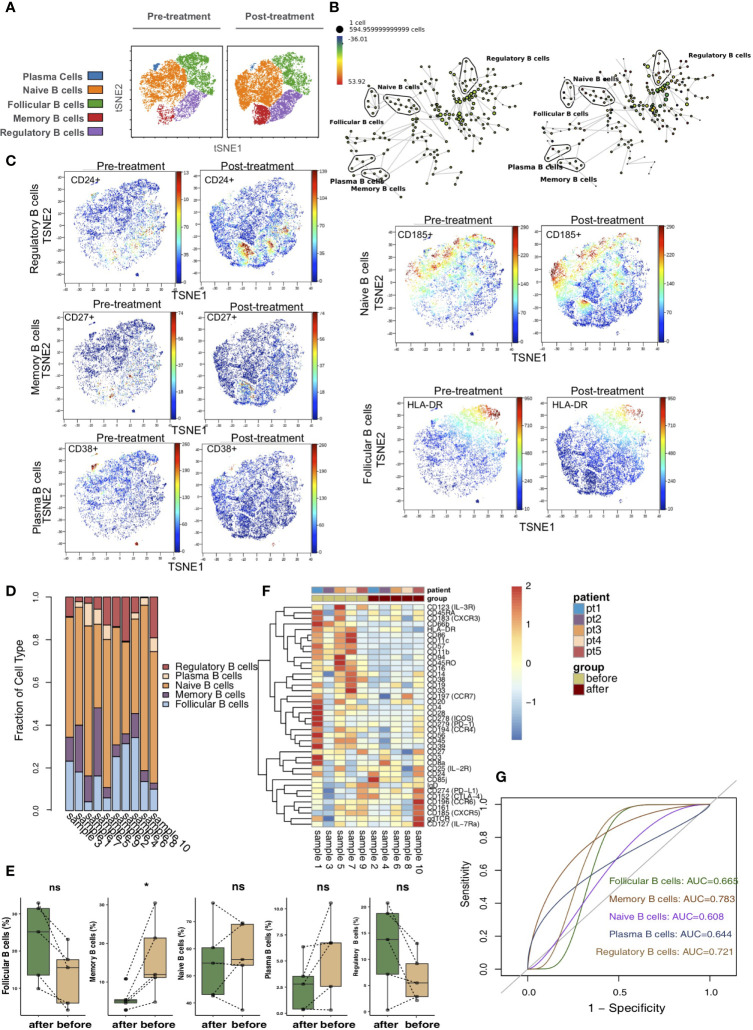
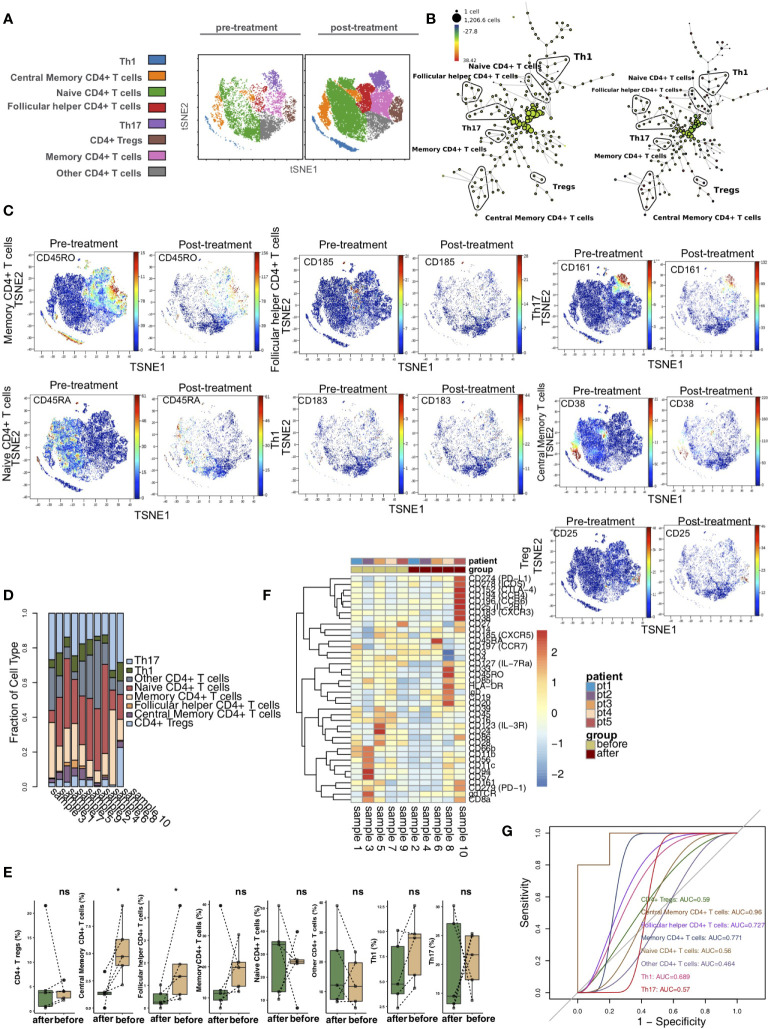
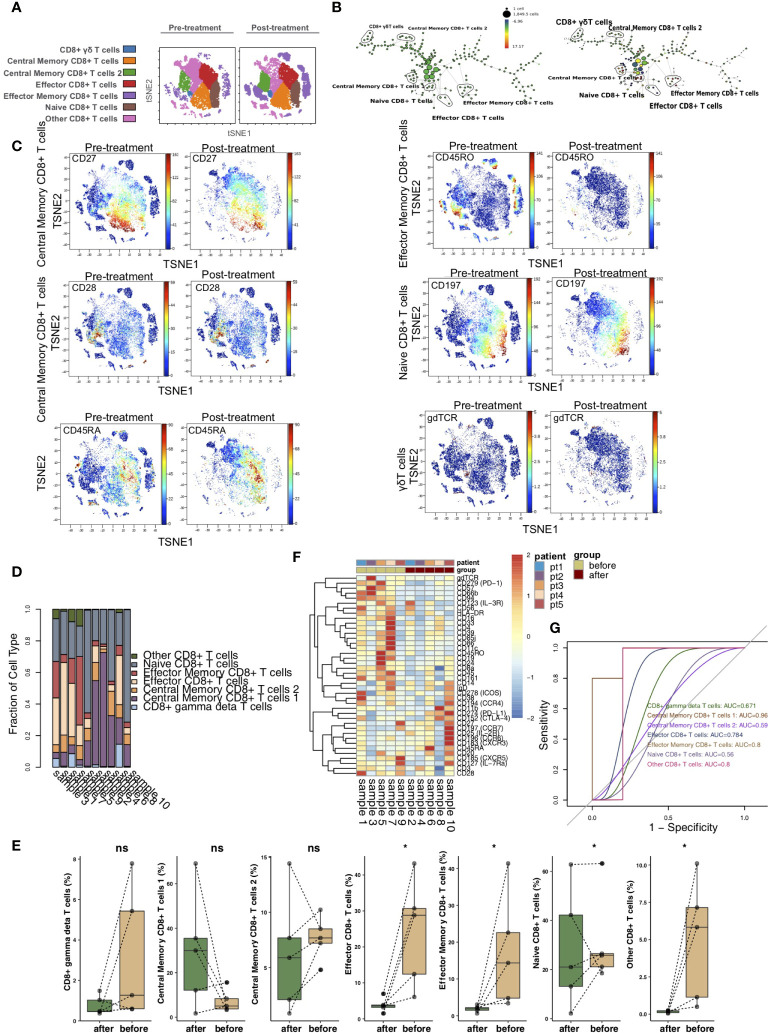
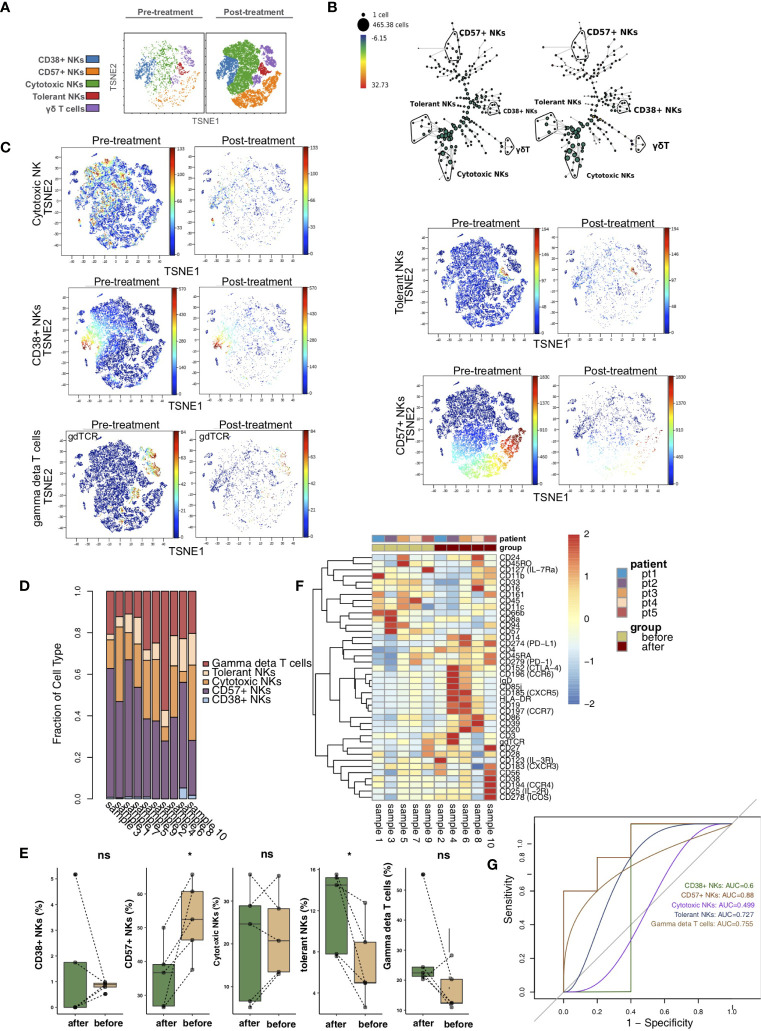
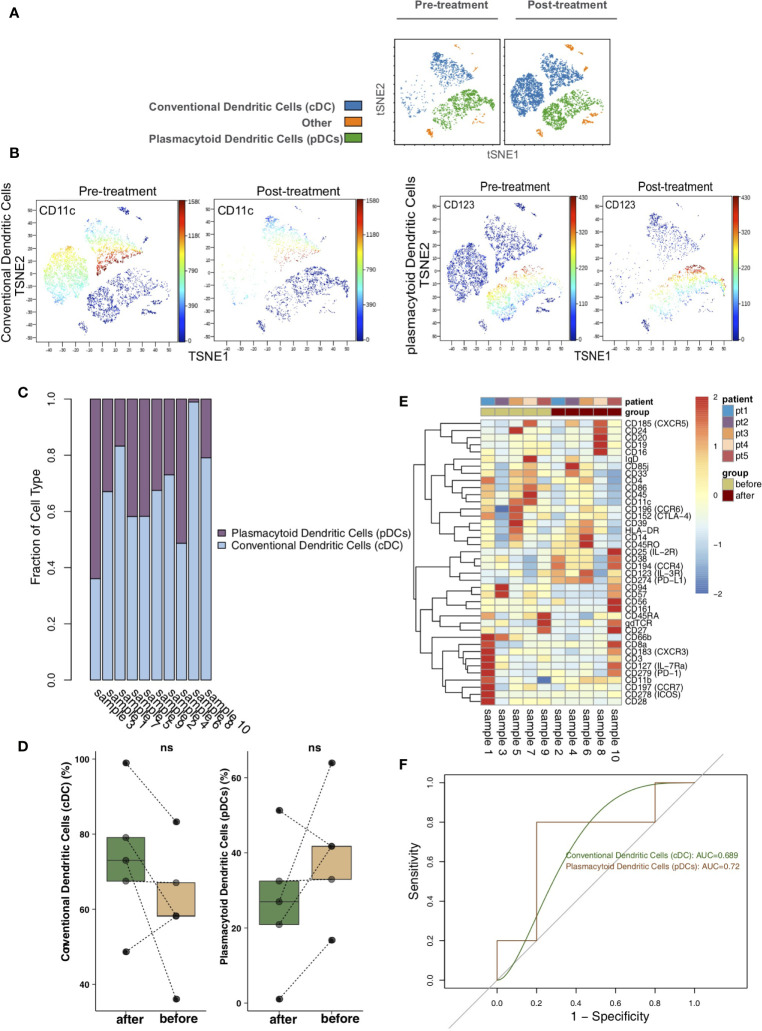
Kidney transplantation is currently the first choice of treatment for various types of end-stage renal failure, but there are major limitations in the application of immunosuppressive protocols after kidney transplantation. When the dose of immunosuppressant is too low, graft rejection occurs easily, while a dose that is too high can lead to graft loss. Therefore, it is very important to explore the immune status of patients receiving immunosuppressive agents after kidney transplantation. To compare the immune status of the recipient's whole peripheral blood before and after receipt of immunosuppressive agents, we used single-cell cytometry by time-of-flight (CyTOF) to detect the peripheral blood immune cells in five kidney transplant recipients (KTRs) from the Department of Organ Transplantation of Zhujiang Hospital of Southern Medical University before and after receiving immunosuppressive agents. Based on CyTOF analysis, we detected 363,342 live single immune cells. We found that the immune cell types of the KTRs before and after receipt of immunosuppressive agents were mainly divided into CD4+ T cells, CD8+ T cells, B cells, NK cells/γδ T cells, monocytes/macrophages, granulocytes, and dendritic cells (DCs). After further reclustering of the above cell types, it was found that the immune cell subclusters in the peripheral blood of patients underwent major changes after receipt of immunosuppressants. After receiving immunosuppressive therapy, the peripheral blood of KTRs had significantly increased levels of CD57+NK cells and significantly decreased levels of central memory CD4+ T cells, follicular helper CD4+ T cells, effector CD8+ T cells, effector memory CD8+ T cells and naive CD8+ T cells. This study used CyTOF to classify immune cells in the peripheral blood of KTRs before and after immunosuppressive treatment, further compared differences in the proportions of the main immune cell types and immune cell subgroups before and after receipt of immunosuppressants, and provided relatively accurate information for assessment and treatment strategies for KTRs.
肾移植是目前治疗各种终末期肾衰竭的首选方法,但在肾移植后免疫抑制方案的应用中存在重大限制。当免疫抑制剂剂量过低时,容易发生移植物排斥反应,而剂量过高则会导致移植物丢失。因此,探索肾移植受者接受免疫抑制剂后的免疫状态非常重要。为了比较肾移植受者接受免疫抑制剂前后全外周血的免疫状态,我们使用时间飞行(CyTOF)单细胞细胞仪检测了南方医科大学珠江医院器官移植科 5 例肾移植受者(KTRs)接受免疫抑制剂前后的外周血免疫细胞。基于 CyTOF 分析,我们检测到 363342 个活的单细胞。我们发现,KTRs 接受免疫抑制剂前后的免疫细胞类型主要分为 CD4+T 细胞、CD8+T 细胞、B 细胞、NK 细胞/γδT 细胞、单核细胞/巨噬细胞、粒细胞和树突状细胞(DCs)。对上述细胞类型进一步聚类后发现,患者外周血免疫细胞亚群在接受免疫抑制剂后发生了重大变化。接受免疫抑制治疗后,KTR 外周血中 CD57+NK 细胞水平显著升高,中枢记忆 CD4+T 细胞、滤泡辅助 CD4+T 细胞、效应 CD8+T 细胞、效应记忆 CD8+T 细胞和幼稚 CD8+T 细胞水平显著降低。本研究使用 CyTOF 对肾移植受者免疫抑制治疗前后外周血免疫细胞进行分类,进一步比较了免疫抑制剂前后主要免疫细胞类型和免疫细胞亚群比例的差异,为 KTR 评估和治疗策略提供了较为准确的信息。