Department of Otolaryngology-Head and Neck Surgery, Beijing Children's Hospital, Capital Medical University, National Center for Children's Health, Beijing, 100045, China.
Laboratory of Tumor Immunology, Beijing Pediatric Research Institute, Beijing Children's Hospital, Capital Medical University, National Center for Children's Health, Beijing, 100045, China.
Orphanet J Rare Dis. 2021 May 8;16(1):208. doi: 10.1186/s13023-021-01782-9.
Lymphatic malformations (LMs) are benign congenital malformations that stem from the abnormal development of the lymphatic vessels during early embryogenesis. Somatic PIK3CA gene mutations are conventional cause leading to LMs. Both macrocystic and microcystic LMs arise due to lymphatic endothelial cell-autonomous defects, depending on the time in development at which PIK3CA gene mutation occurs. Recent study finds a PIK3CA mutation in 79% of LMs. However, discovering new genetic events in this disease is crucial to identify the molecular mechanism of the pathogenesis and further develop new targeted therapies.
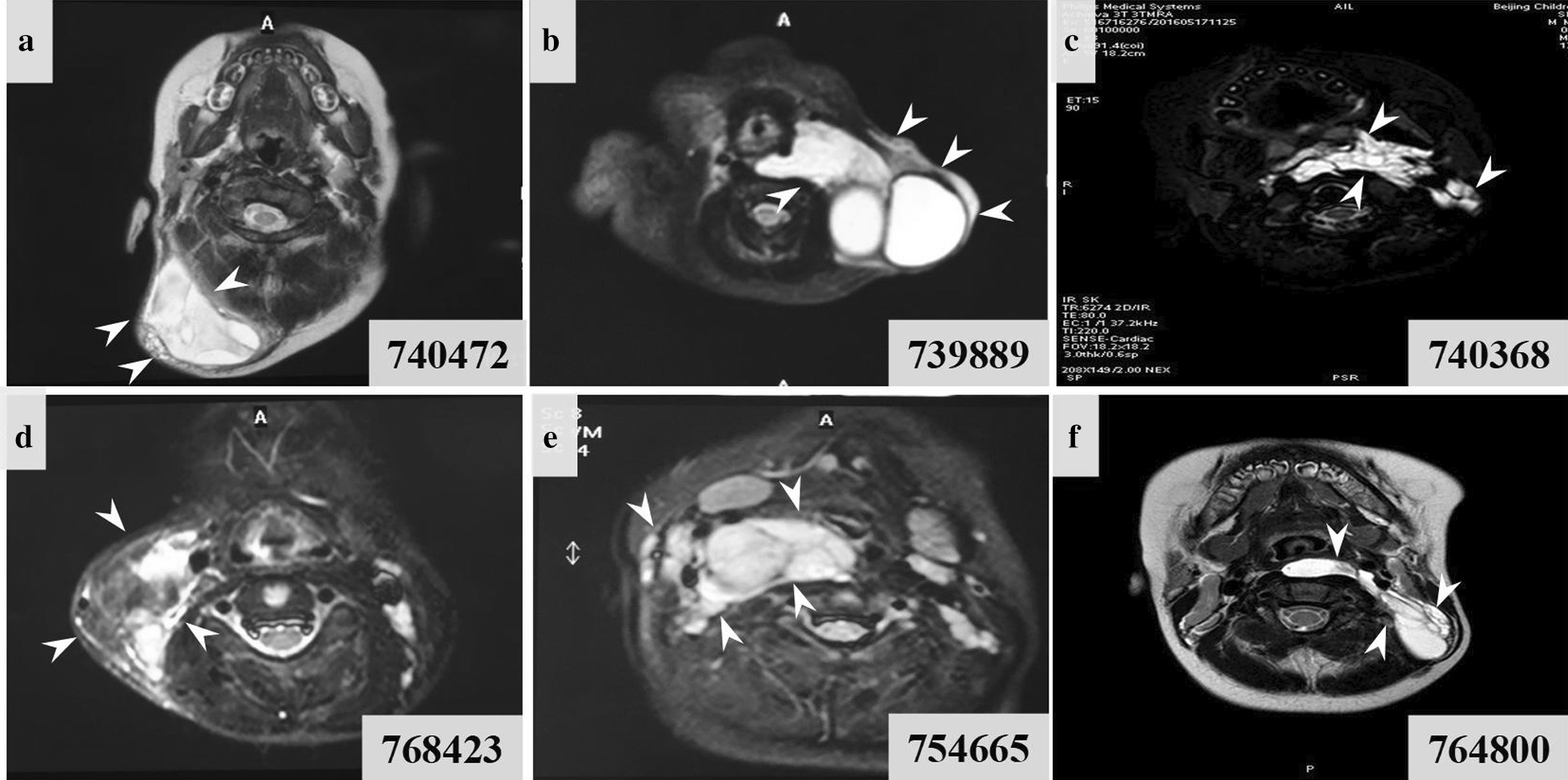
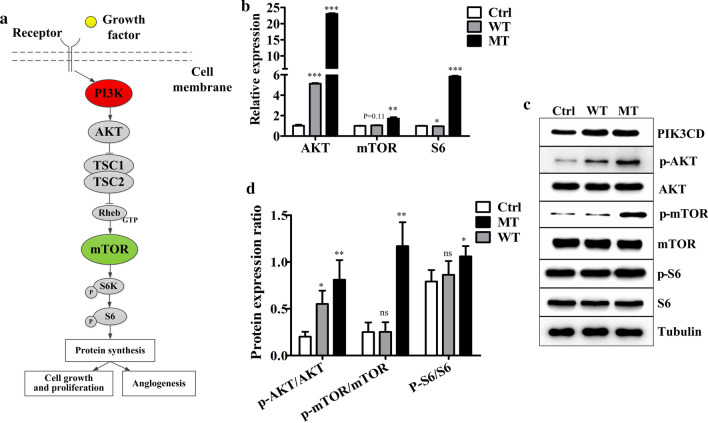
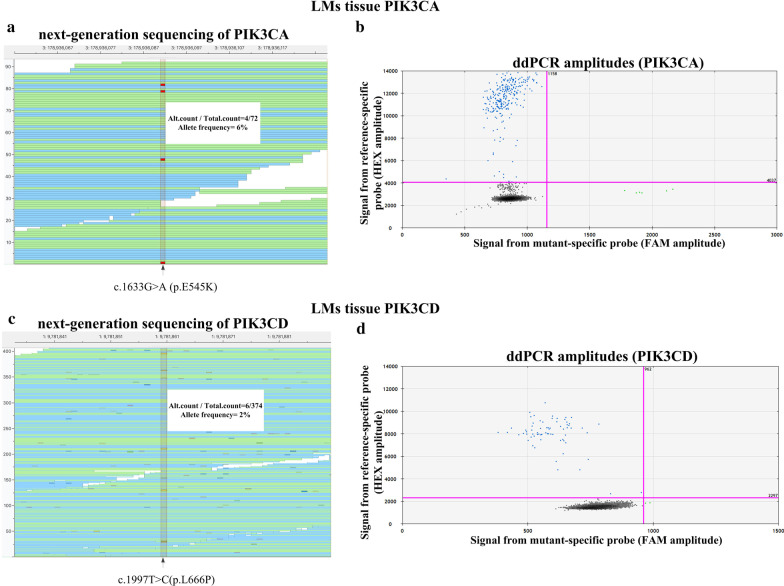
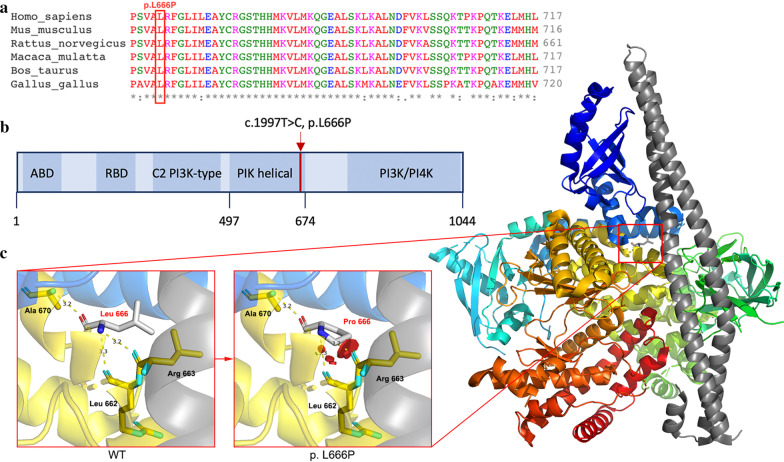
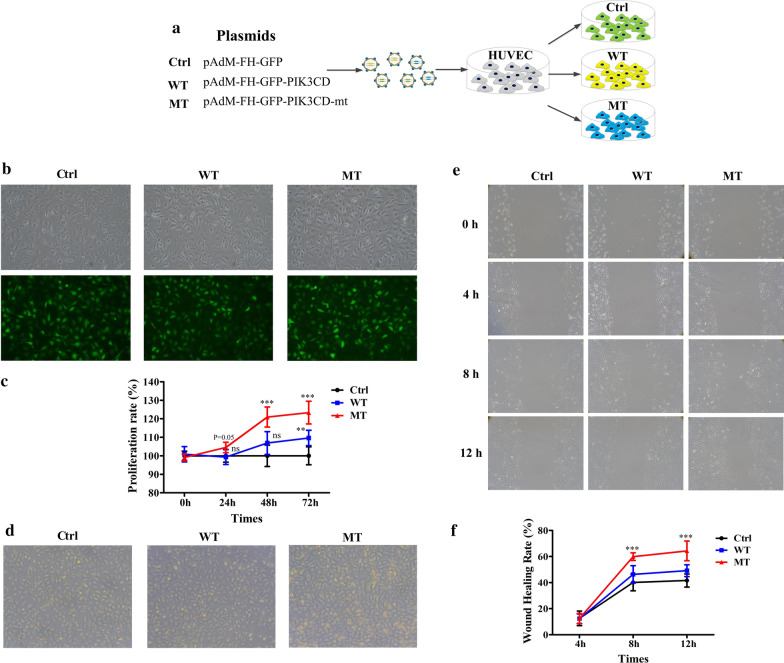
Here, we initially performed whole-exome sequencing in six children with LMs to find a new causal gene. Somatic mutations in PIK3CA (c.1633G > A [p. E545K] and PIK3CD (c.1997T > C [p.L666P]) were discovered in two different individuals. In vitro functional studies were conducted to demonstrate the pathogenicity of the novel mutation c.1997T > C in PIK3CD. We found that L666P promoted the cell proliferation and migration of human umbilical vein endothelial cells (HUVECs) and induced hyperactivation of the mTOR pathway. These findings indicate that the PIK3CD mutation affects downstream signalling in endothelial cells, which may impair normal lymphangiogenesis.
This study reveals a novel candidate gene associated with the development of LMs, which is consistent with previous researches. These findings in our study may offer a novel gene target for developing therapies, which acts in tight interaction with the previously known PIK3CA.
淋巴管畸形(LMs)是良性先天性畸形,源于胚胎早期淋巴管的异常发育。体细胞 PIK3CA 基因突变是导致 LMs 的常见原因。巨囊型和微囊型 LMs 均因淋巴管内皮细胞自主缺陷引起,具体取决于 PIK3CA 基因突变发生的发育时间。最近的研究发现,79%的 LMs 存在 PIK3CA 突变。然而,在该疾病中发现新的遗传事件对于确定发病机制的分子机制以及进一步开发新的靶向治疗方法至关重要。
我们最初对 6 名 LMs 患儿进行了全外显子组测序,以寻找新的致病基因。在两个不同个体中发现了 PIK3CA(c.1633G> A [p. E545K] 和 PIK3CD(c.1997T> C [p. L666P])的体细胞突变。进行了体外功能研究以证明 PIK3CD 中新型突变 c.1997T> C 的致病性。我们发现 L666P 促进了人脐静脉内皮细胞(HUVEC)的增殖和迁移,并诱导了 mTOR 通路的过度激活。这些发现表明 PIK3CD 突变影响了内皮细胞下游信号转导,这可能会损害正常的淋巴管生成。
这项研究揭示了与 LMs 发展相关的新候选基因,这与之前的研究一致。我们研究中的这些发现可为开发与先前已知的 PIK3CA 紧密相互作用的治疗方法提供新的基因靶标。