Amante Sofia, Santos Filipa, Cunha Teresa Margarida
Department of Radiology, Hospital do Divino Espírito Santo de Ponta Delgada, Avenida D. Manuel I, 9500-370, Ponta Delgada, Azores, Portugal.
Department of Pathology, Instituto Português de Oncologia de Lisboa Francisco Gentil, Lisbon, Portugal.
Insights Imaging. 2021 May 11;12(1):60. doi: 10.1186/s13244-021-01004-7.
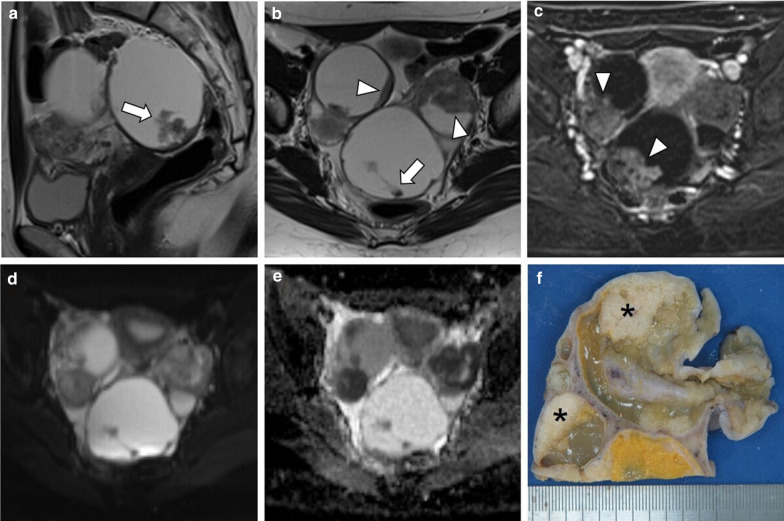
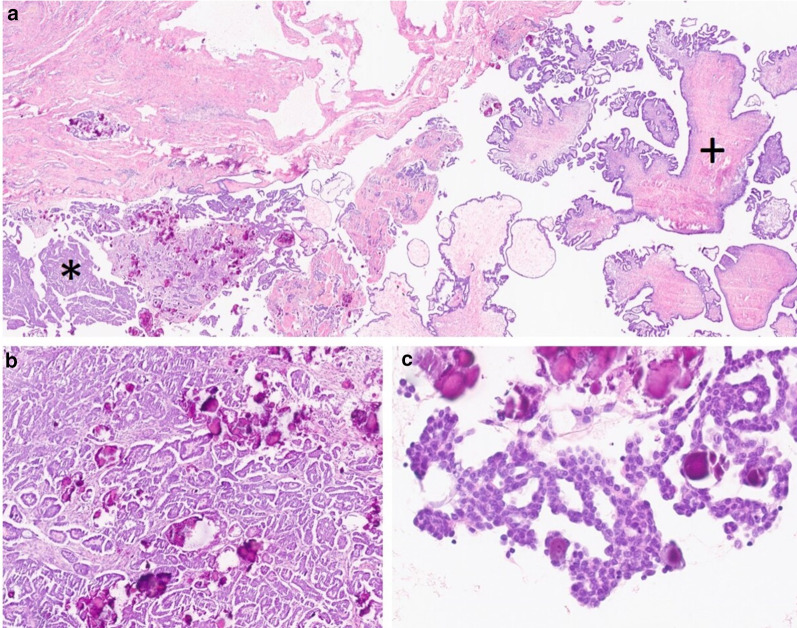
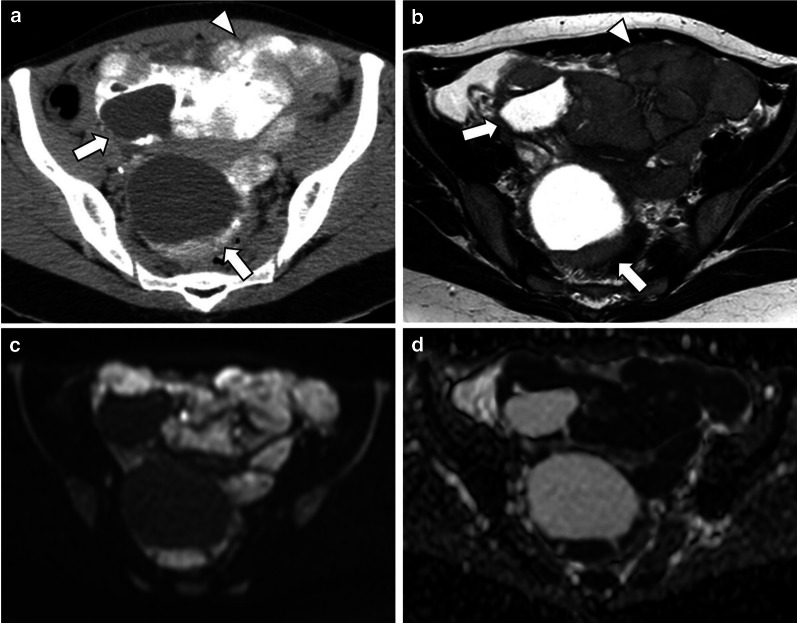
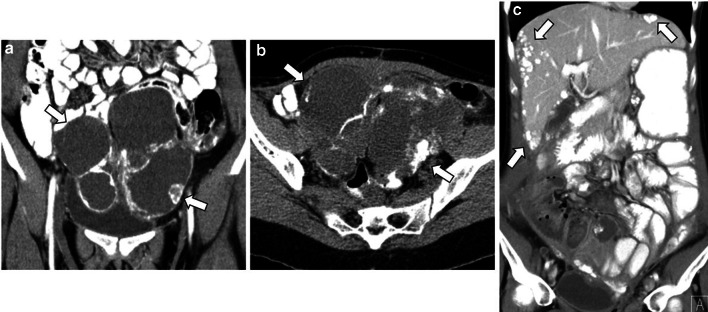
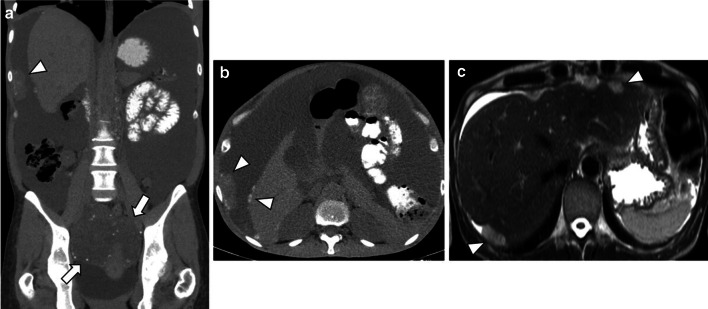
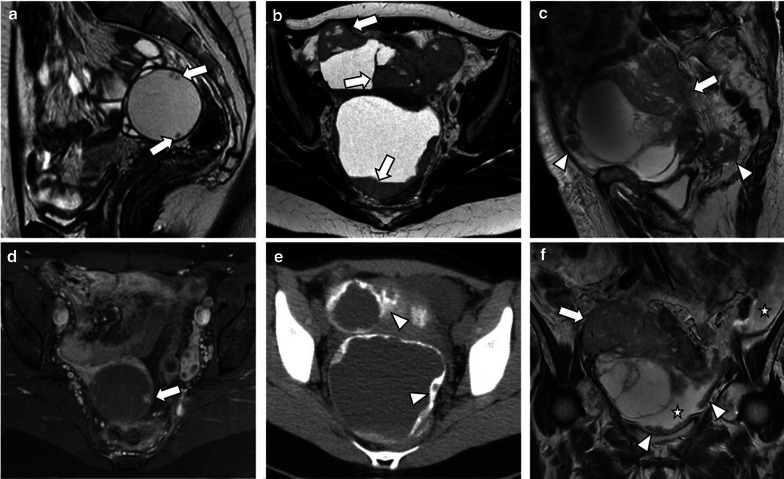
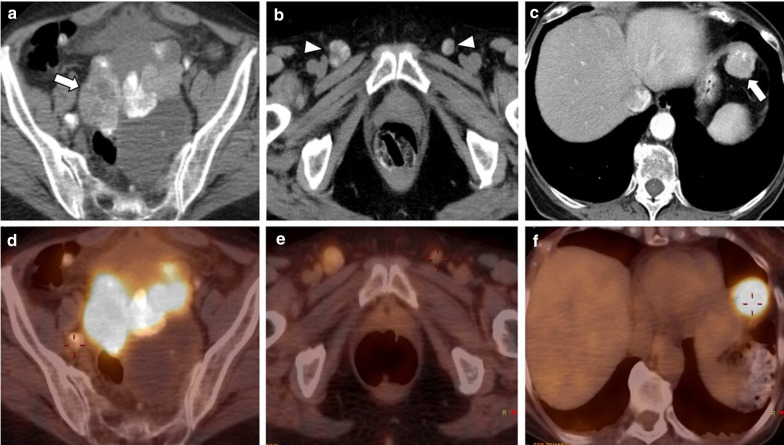
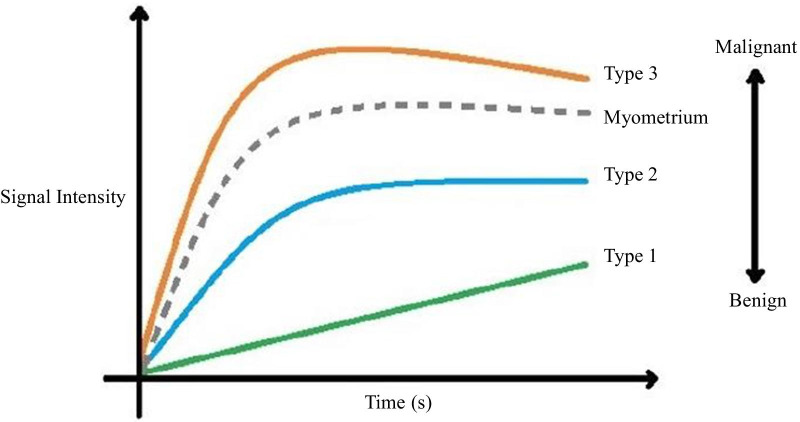
Low-grade serous carcinoma (LGSC) is an infrequent subtype of ovarian cancer, corresponding to 5% of epithelial neoplasms. This subtype of ovarian carcinoma characteristically has molecular features, pathogenesis, clinical behaviour, sensitivity to chemotherapy, and prognosis distinct to high-grade serous carcinoma (HGSC). Knowing the difference between LGSC and other ovarian serous tumours is vital to guide clinical management, which currently is only possible histologically. However, imaging can provide several clues that allow differentiating LGSC from other tumours and enable precise staging and follow-up of ovarian cancer treatment. Characteristically, LGSC appears as mixed lesions with variable papillary projections and solid components, usually in different proportions from those detected in serous borderline tumour and HGSC. Calcified extracellular bodies, known as psammoma bodies, are also a common feature of LGSC, frequently detectable within lymphadenopathies and metastases associated with this type of tumour. In addition, the characterisation of magnetic resonance imaging enhancement also plays an essential role in calculating the probability of malignancy of these lesions. As such, in this review, we discuss and update the distinct radiological modalities features and the clinicopathologic characteristics of LGSC to allow radiologists to be familiarised with them and to narrow the differential diagnosis when facing this type of tumour.
低级别浆液性癌(LGSC)是一种罕见的卵巢癌亚型,占上皮性肿瘤的5%。这种卵巢癌亚型具有独特的分子特征、发病机制、临床行为、化疗敏感性和预后,与高级别浆液性癌(HGSC)不同。了解LGSC与其他卵巢浆液性肿瘤之间的差异对于指导临床管理至关重要,目前只有通过组织学检查才能做到。然而,影像学检查可以提供一些线索,有助于将LGSC与其他肿瘤区分开来,并实现卵巢癌治疗的精确分期和随访。典型的是,LGSC表现为具有不同乳头样突起和实性成分的混合性病变,其比例通常与浆液性交界性肿瘤和HGSC不同。钙化的细胞外小体,即砂粒体,也是LGSC的一个常见特征,在与这类肿瘤相关的淋巴结病和转移灶中经常可以检测到。此外,磁共振成像增强的特征在计算这些病变的恶性概率方面也起着重要作用。因此,在本综述中,我们讨论并更新了LGSC独特的影像学特征和临床病理特征,以使放射科医生熟悉这些特征,并在面对这类肿瘤时缩小鉴别诊断范围。