Department of Otolaryngology-Head and Neck Surgery, Lady Davis Institute for Medical Research and Segal Cancer Centre, Sir Mortimer B. Davis-Jewish General Hospital, McGill University, 3755 Côte Ste-Catherine Road, Montreal, QC, H3T 1E2, Canada.
Segal Cancer Centre of the Lady Davis Institute for Medical Research, Sir Mortimer B. Davis-Jewish General Hospital, McGill University, Montreal, QC, Canada.
Sci Rep. 2021 May 11;11(1):10012. doi: 10.1038/s41598-021-89476-x.
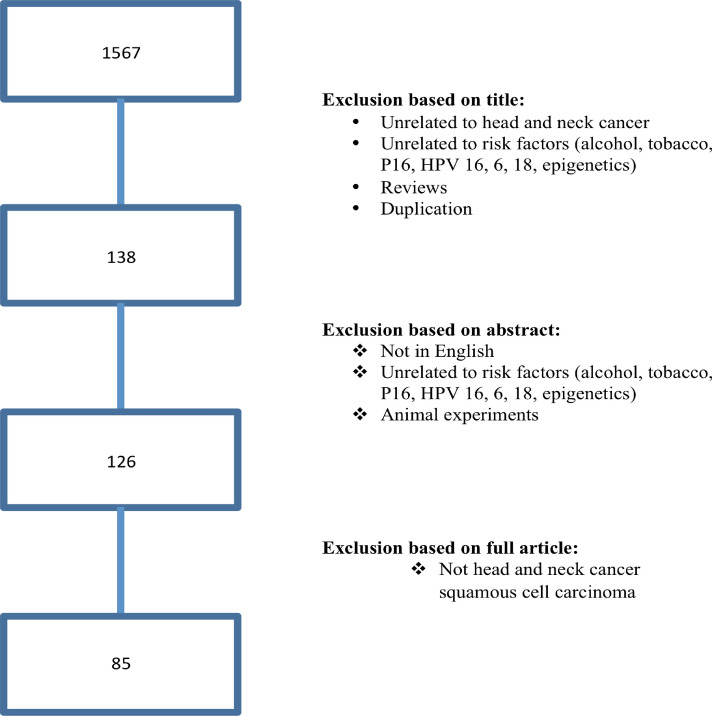
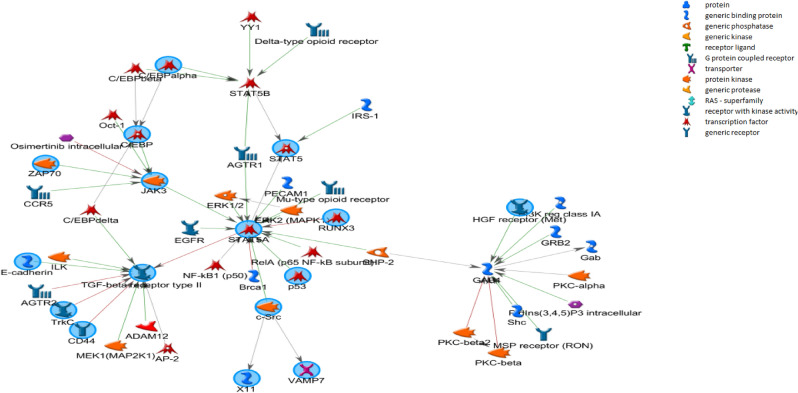
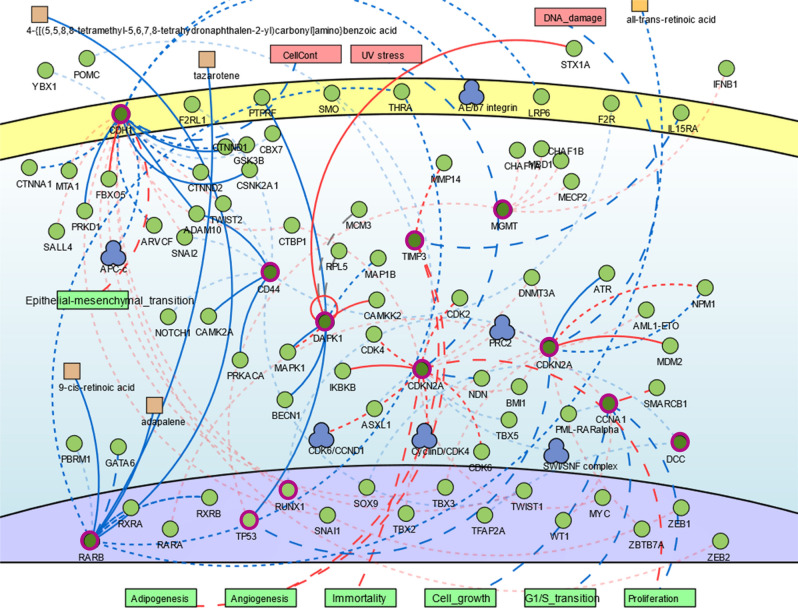
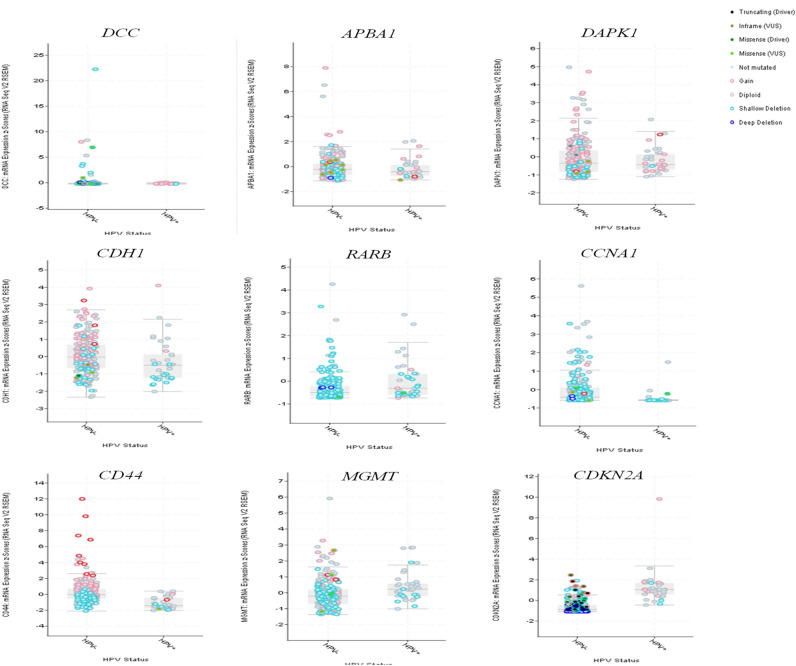
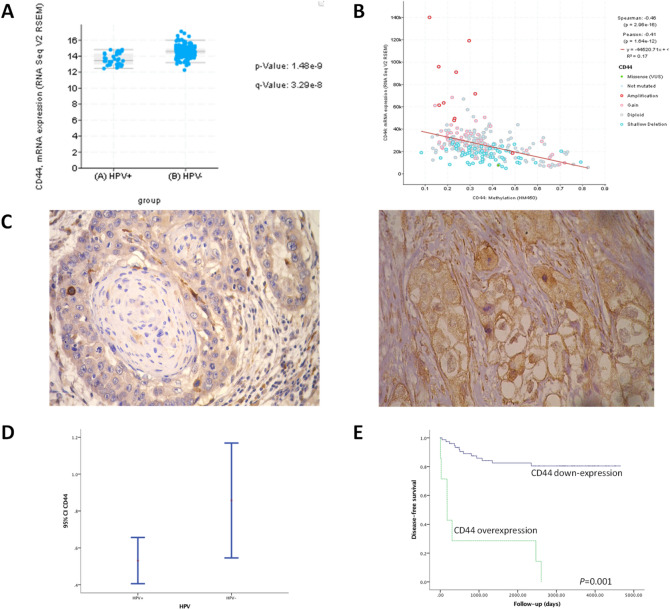
In addition to chronic infection with human papilloma virus (HPV) and exposure to environmental carcinogens, genetic and epigenetic factors act as major risk factors for head and neck cancer (HNC) development and progression. Here, we conducted a systematic review in order to assess whether DNA hypermethylated genes are predictive of high risk of developing HNC and/or impact on survival and outcomes in non-HPV/non-tobacco/non-alcohol associated HNC. We identified 85 studies covering 32,187 subjects where the relationship between DNA methylation, risk factors and survival outcomes were addressed. Changes in DNA hypermethylation were identified for 120 genes. Interactome analysis revealed enrichment in complex regulatory pathways that coordinate cell cycle progression (CCNA1, SFN, ATM, GADD45A, CDK2NA, TP53, RB1 and RASSF1). However, not all these genes showed significant statistical association with alcohol consumption, tobacco and/or HPV infection in the multivariate analysis. Genes with the most robust HNC risk association included TIMP3, DCC, DAPK, CDH1, CCNA1, MGMT, P16, MINT31, CD44, RARβ. From these candidates, we further validated CD44 at translational level in an independent cohort of 100 patients with tongue cancer followed-up beyond 10 years. CD44 expression was associated with high-risk of tumor recurrence and metastasis (P = 0.01) in HPV-cases. In summary, genes regulated by methylation play a modulatory function in HNC susceptibility and it represent a critical therapeutic target to manage patients with advanced disease.
除了慢性人乳头瘤病毒 (HPV) 感染和环境致癌物暴露外,遗传和表观遗传因素也是头颈部癌症 (HNC) 发生和发展的主要危险因素。在这里,我们进行了一项系统评价,以评估 DNA 高甲基化基因是否可预测发生 HNC 的高风险,以及是否影响非 HPV/非烟草/非酒精相关 HNC 的生存和结局。我们确定了 85 项研究,涵盖了 32187 名受试者,其中涉及 DNA 甲基化、危险因素和生存结果之间的关系。鉴定出 120 个基因发生了 DNA 高甲基化变化。互作分析显示,细胞周期进程 (CCNA1、SFN、ATM、GADD45A、CDK2NA、TP53、RB1 和 RASSF1) 的复杂调控途径得到了富集。然而,并非所有这些基因在多变量分析中都与酒精消费、烟草和/或 HPV 感染有显著的统计学关联。与 HNC 风险关联最密切的基因包括 TIMP3、DCC、DAPK、CDH1、CCNA1、MGMT、P16、MINT31、CD44、RARβ。在这些候选基因中,我们进一步在一个独立的 100 例舌癌患者队列中验证了 CD44 在翻译水平上的表达,这些患者的随访时间超过 10 年。CD44 表达与 HPV 病例中肿瘤复发和转移的高风险相关 (P=0.01)。总之,受甲基化调控的基因在 HNC 易感性中发挥调节作用,这是治疗晚期疾病患者的关键治疗靶点。