Zhang Xiaoping, Zhang Jie, Ji Xiangyu, Wei Zhenzhen, Ding Baoyue, Liu Guoqiang, Lv Xiaoqing, Zheng Yongxia, Zhan Shuyu
Department of Science and Education, the First Hospital of Jiaxing, Affiliated Hospital of Jiaxing University, Jiaxing, China.
Department of Pharmacy, College of Medicine, Jiaxing University, Jiaxing, China.
Front Pharmacol. 2021 Apr 28;12:666429. doi: 10.3389/fphar.2021.666429. eCollection 2021.
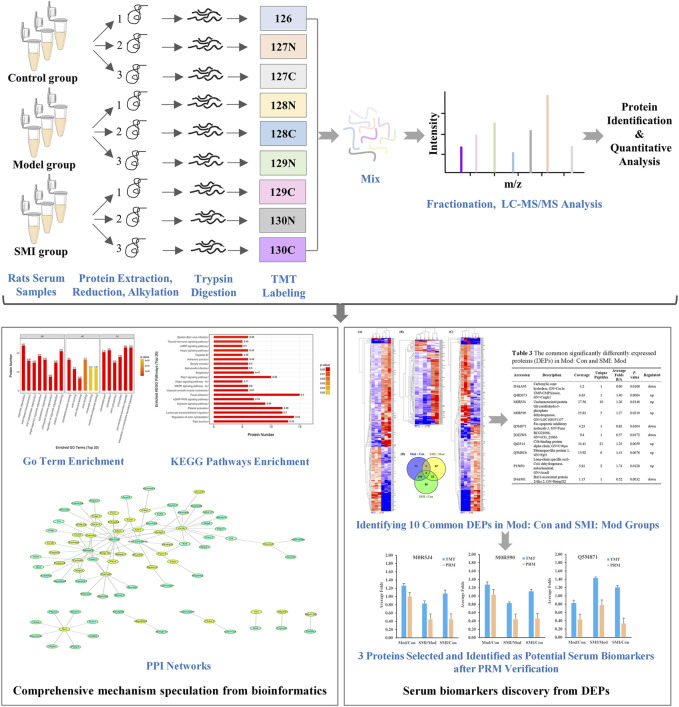
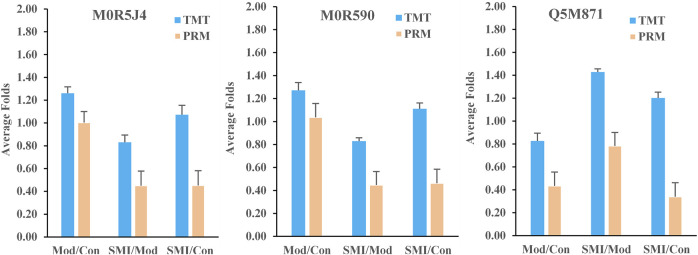
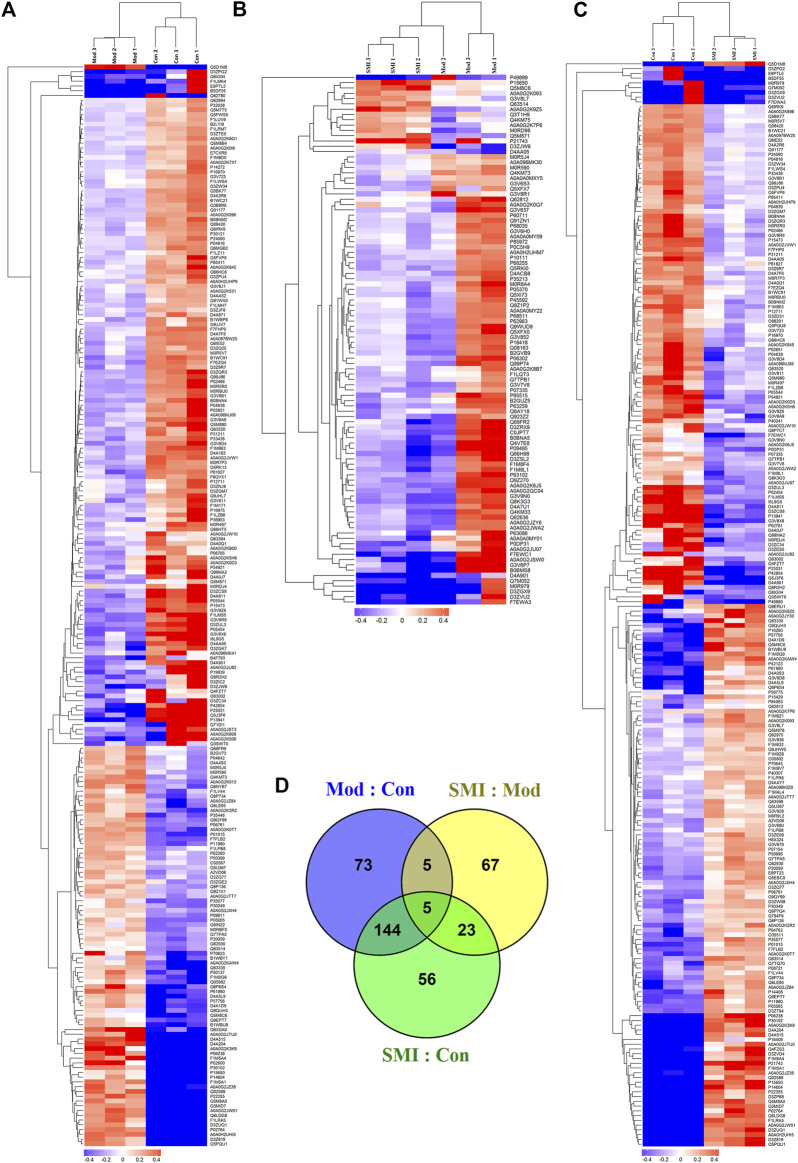
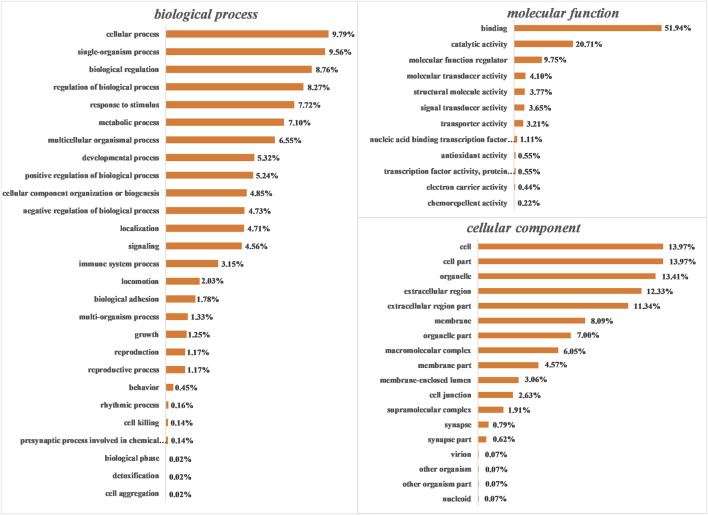
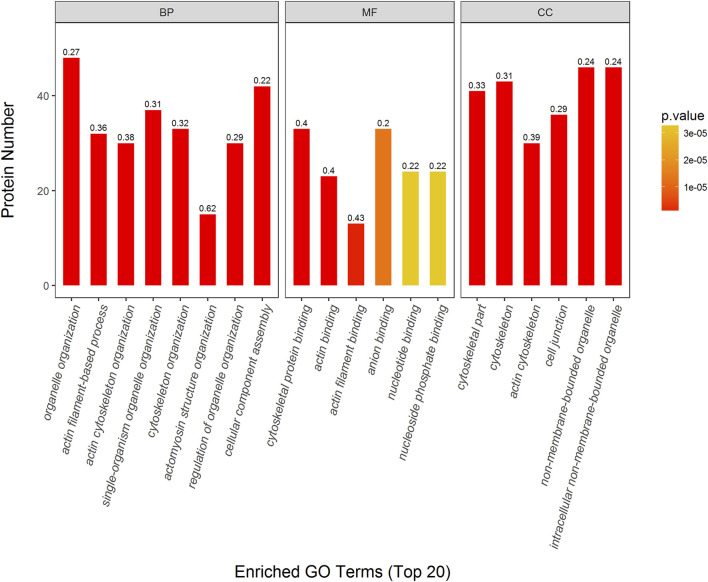
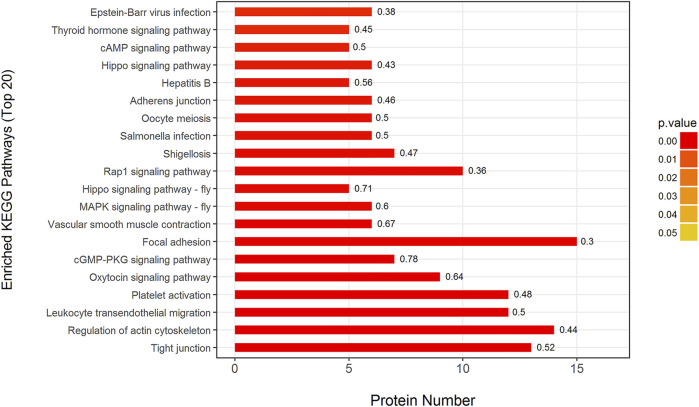
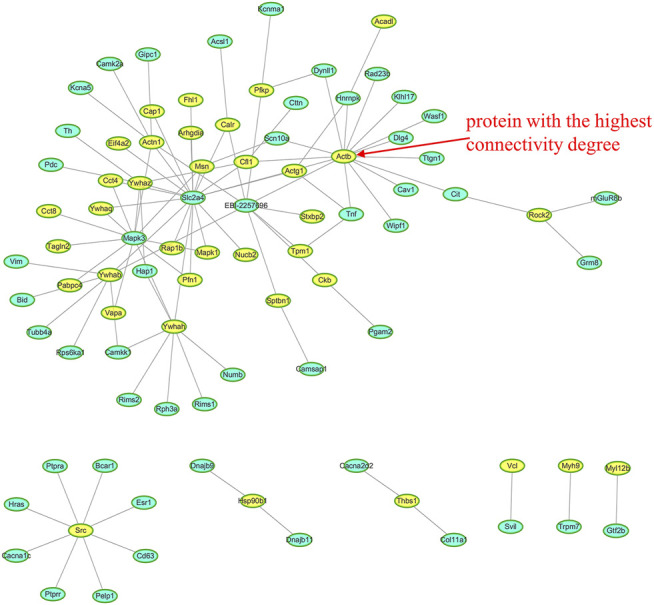
Shengmai injection (SMI), a traditional Chinese medicine formula with the nature of multicomponent and multi-target, has been widely used in clinic for treating cardiovascular diseases in China; however, its comprehensive mechanism of action remains unclear. In this study, a TMT-based quantitative serum proteomics was performed to explore SMI's global mechanism and help identify serum biomarkers of its effect on isoproterenol (ISO)-induced myocardial ischemia rats. The results of TMT-based proteomic analysis identified 227, 100, and 228 differentially expressed proteins (DEPs) for the model compared to the control group, SMI pretreatment + model compared to the model group, and SMI pretreatment + model compared to the control group, respectively. Based on bioinformatics analyses of gene ontology (GO), KEGG pathways, and the protein-protein interaction (PPI) networks for the DEPs, it is concluded that the comprehensive mechanism of SMI's effect on ISO-induced myocardial ischemia injury includes regulation of energy metabolism, reducing endothelial cell permeability, regulation of vessel and cardiac contractility, anti-inflammation, and prevention of cell apoptosis. Furthermore, 10 common DEPs were found, and six of them were regulated in model vs. control group, while back-regulated in SMI pretreatment + model vs. model group. Among them, three functional proteins of glyceraldehyde-3-phosphate dehydrogenase (GAPDH), Fas apoptotic inhibitory molecule 3 (FAIM3), and uncharacterized protein (M0R5J4), which were verified by the PRM analysis, might be the potential serum biomarkers on SMI's effects. Overall, this serum proteomics of SMI not only provides insights into the comprehensive mechanism underlying SMI's effects on ischemic heart disease but also helps identify serum biomarkers for directing SMI's cardioprotective effects.
生脉注射液(SMI)是一种具有多成分、多靶点特性的中药配方,在中国已广泛应用于临床治疗心血管疾病;然而,其全面的作用机制仍不清楚。在本研究中,进行了基于串联质谱标签(TMT)的定量血清蛋白质组学研究,以探索SMI的整体作用机制,并帮助鉴定其对异丙肾上腺素(ISO)诱导的心肌缺血大鼠作用的血清生物标志物。基于TMT的蛋白质组学分析结果分别鉴定出,与对照组相比,模型组有227个差异表达蛋白(DEP);与模型组相比,SMI预处理+模型组有100个DEP;与对照组相比,SMI预处理+模型组有228个DEP。基于对DEP的基因本体(GO)、京都基因与基因组百科全书(KEGG)通路和蛋白质-蛋白质相互作用(PPI)网络的生物信息学分析,得出SMI对ISO诱导的心肌缺血损伤的综合作用机制包括能量代谢调节、降低内皮细胞通透性、血管和心脏收缩性调节、抗炎以及防止细胞凋亡。此外,发现了10个常见的DEP,其中6个在模型组与对照组中呈上调,而在SMI预处理+模型组与模型组中呈下调。其中,通过平行反应监测(PRM)分析验证的甘油醛-3-磷酸脱氢酶(GAPDH)、Fas凋亡抑制分子3(FAIM3)和未鉴定蛋白(M0R5J4)这三种功能蛋白,可能是SMI作用的潜在血清生物标志物。总体而言,SMI的这种血清蛋白质组学不仅为SMI对缺血性心脏病作用的综合机制提供了见解,也有助于鉴定指导SMI心脏保护作用的血清生物标志物。