Department of Medicine, New York University Grossman School of Medicine, New York, NY, United States.
Department of Biochemistry and Molecular Pharmacology, New York University Grossman School of Medicine, New York, NY, United States.
Front Immunol. 2021 Apr 28;12:662782. doi: 10.3389/fimmu.2021.662782. eCollection 2021.
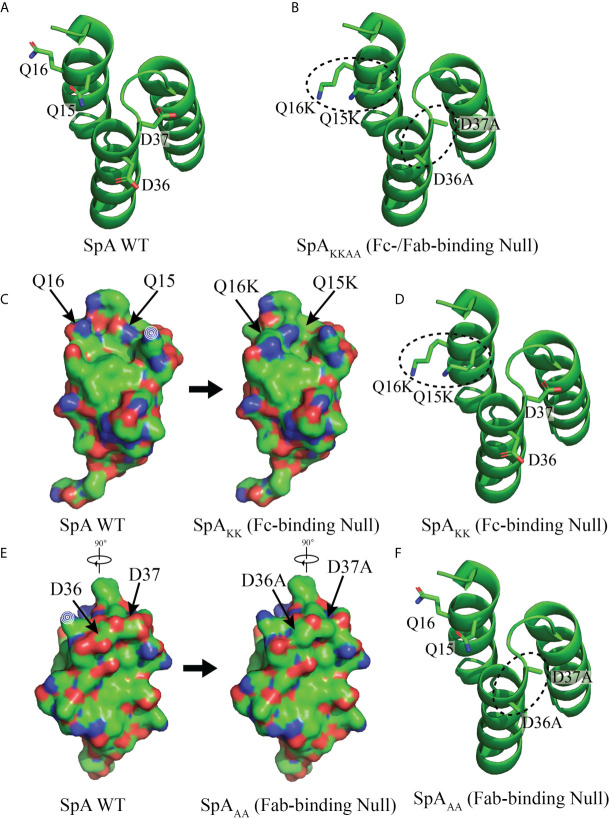
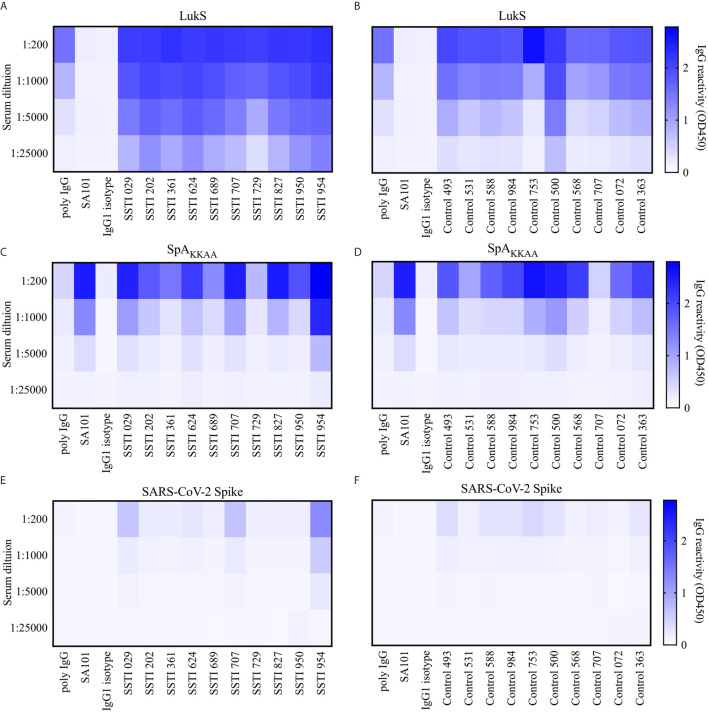
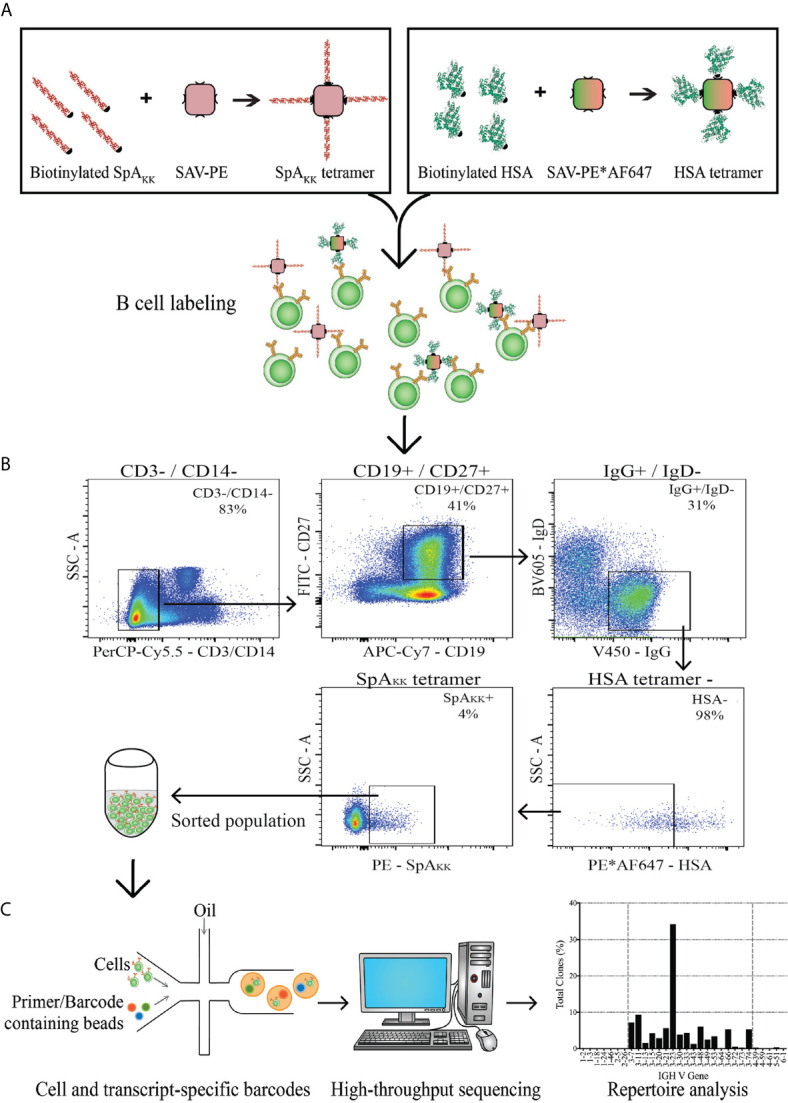
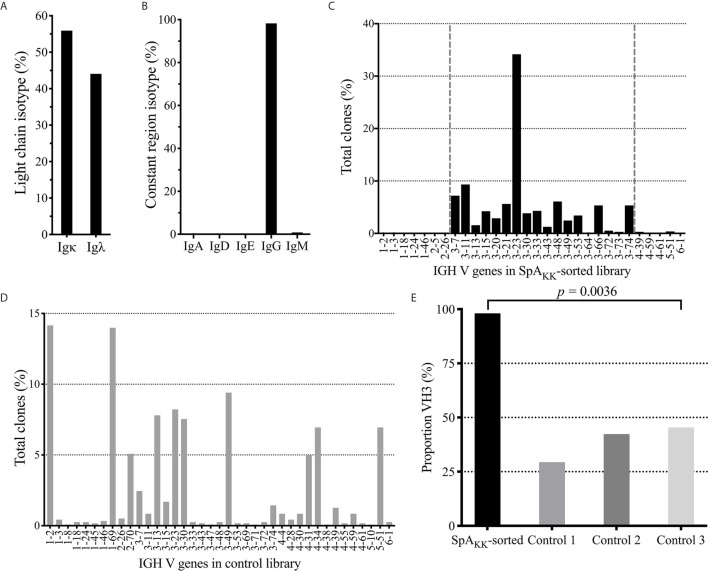
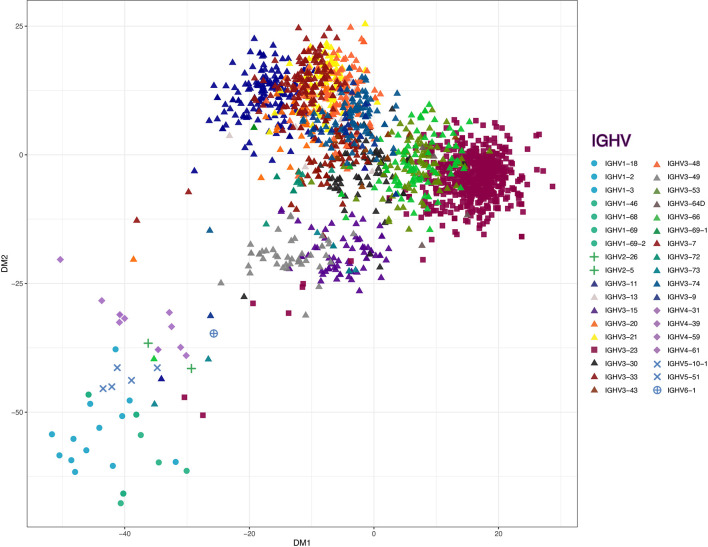
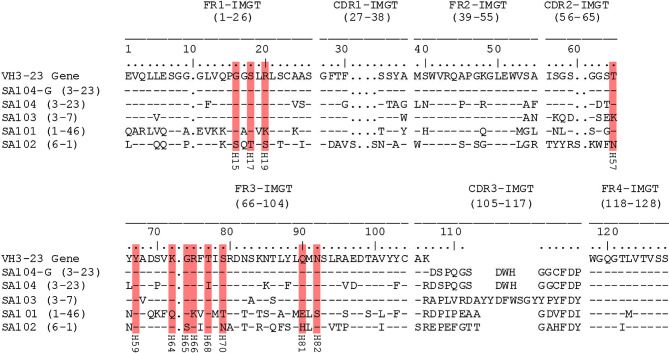
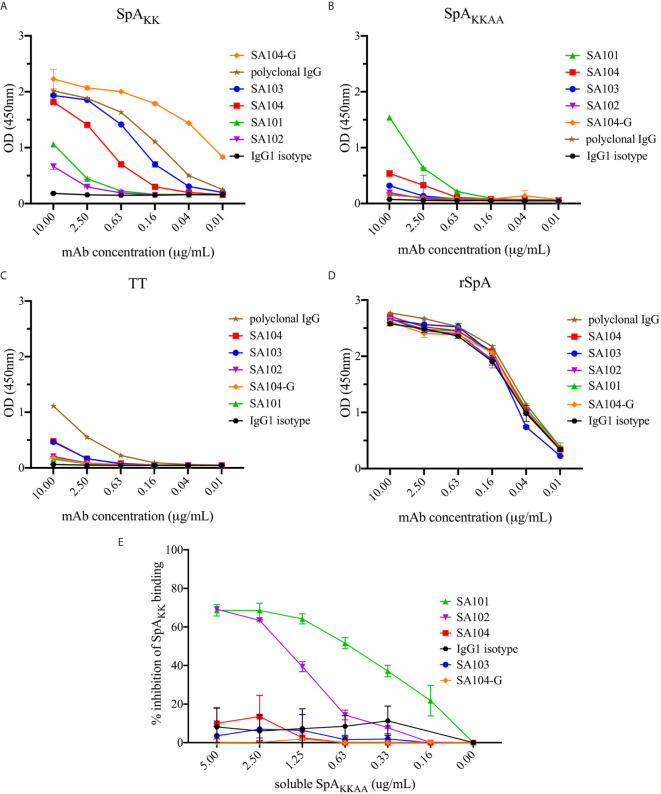
, a common cause of serious and often fatal infections, is well-armed with secreted factors that disarm host immune defenses. Highly expressed during infection, Staphylococcal protein A (SpA) is reported to also contribute to nasal colonization that can be a prelude to invasive infection. Co-evolution with the host immune system has provided SpA with an Fc-antibody binding site, and a Fab-binding site responsible for non-immune superantigen interactions germline-encoded surfaces expressed on many human BCRs. We wondered whether the recurrent exposures to commonly experienced by adults, result in the accumulation of memory B-cell responses to other determinants on SpA. We therefore isolated SpA-specific class-switched memory B cells, and characterized their encoding VH : VL antibody genes. In SpA-reactive memory B cells, we confirmed a striking bias in usage for VH genes, which retain the surface that mediates the SpA-superantigen interaction. We postulate these interactions reflect co-evolution of the host immune system and SpA, which during infection results in immune recruitment of an extraordinarily high prevalence of B cells in the repertoire that subverts the augmentation of protective defenses. Herein, we provide the first evidence that human memory responses are supplemented by B-cell clones, and circulating-antibodies, that bind to SpA determinants independent of the non-immune Fc- and Fab-binding sites. In parallel, we demonstrate that healthy individuals, and patients recovering from infection, both have circulating antibodies with these conventional binding specificities. These findings rationalize the potential utility of incorporating specially engineered SpA proteins into a protective vaccine.
金黄色葡萄球菌( )是一种常见的严重感染病原体,能够产生多种分泌因子来破坏宿主的免疫防御机制。金黄色葡萄球菌蛋白 A(SpA)在感染过程中高度表达,据报道,它也有助于鼻腔定植,这可能是侵袭性感染的前奏。与宿主免疫系统的共同进化赋予了 SpA 一个 Fc 抗体结合位点和一个 Fab 结合位点,负责非免疫超抗原相互作用,这些相互作用发生在许多人类 BCR 上胚系编码的表面。我们想知道成年人经常接触 是否会导致对 SpA 上其他决定簇的记忆 B 细胞反应积累。因此,我们分离了 SpA 特异性类别转换记忆 B 细胞,并对其编码 VH:VL 抗体基因进行了表征。在 SpA 反应性记忆 B 细胞中,我们证实了 VH 基因的使用存在明显的偏向性,这些基因保留了介导 SpA 超抗原相互作用的表面。我们推测这些相互作用反映了宿主免疫系统和 SpA 的共同进化,在感染过程中,会导致大量 B 细胞被招募到 repertoire 中,从而破坏保护性防御的增强。在此,我们首次提供证据表明,人类记忆反应得到了 B 细胞克隆和循环抗体的补充,这些抗体与 SpA 决定簇结合,而不依赖于非免疫的 Fc 和 Fab 结合位点。同时,我们证明了健康个体和从 感染中恢复的患者都具有这些常规结合特异性的循环抗体。这些发现为将特别设计的 SpA 蛋白纳入保护性疫苗提供了潜在的应用价值。