Kuhn Christian, Menke Maja, Senger Frauke, Mack Claudia, Dierck Franziska, Hille Susanne, Schmidt Inga, Brunke Gabriele, Bünger Pia, Schmiedel Nesrin, Will Rainer, Sossalla Samuel, Frank Derk, Eschenhagen Thomas, Carrier Lucie, Lüllmann-Rauch Renate, Rangrez Ashraf Yusuf, Frey Norbert
Department of Internal Medicine III, University Medical Center of Schleswig-Holstein, Campus Kiel, Kiel, Germany.
DZHK (German Centre for Cardiovascular Research), partner site Hamburg/Kiel/Lübeck, Hamburg, Germany.
JACC Basic Transl Sci. 2021 Mar 17;6(4):365-380. doi: 10.1016/j.jacbts.2021.01.001. eCollection 2021 Apr.
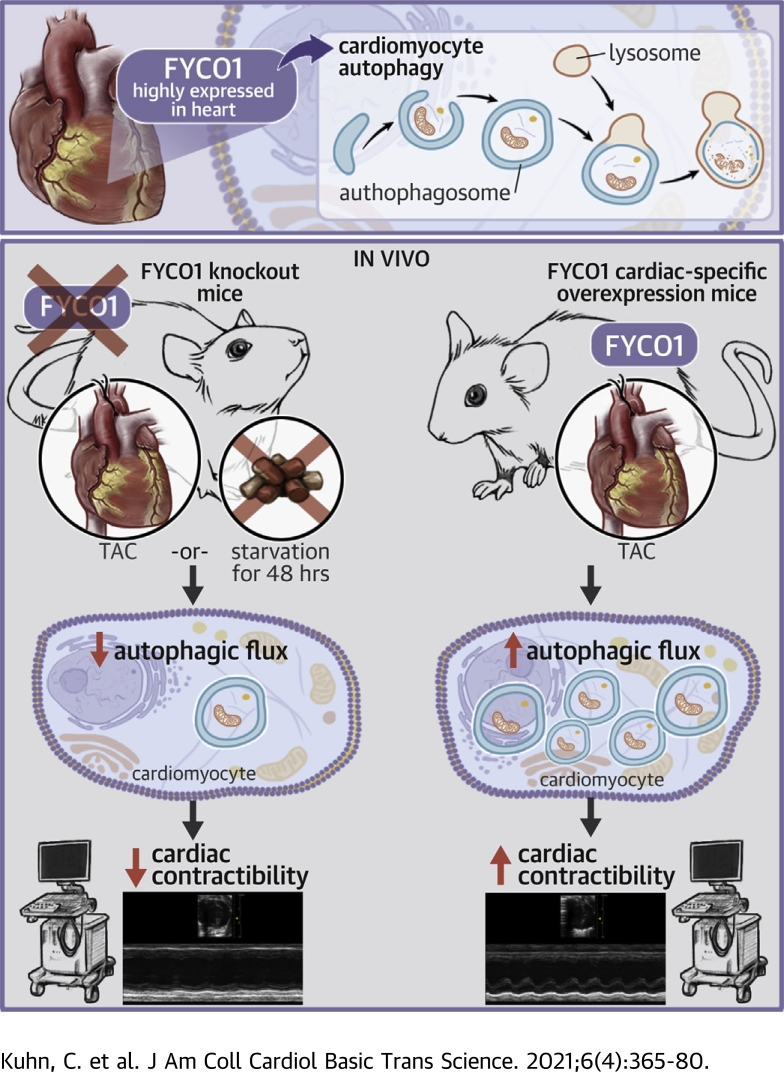
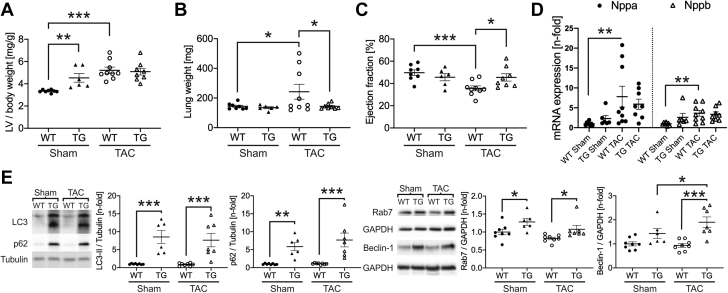
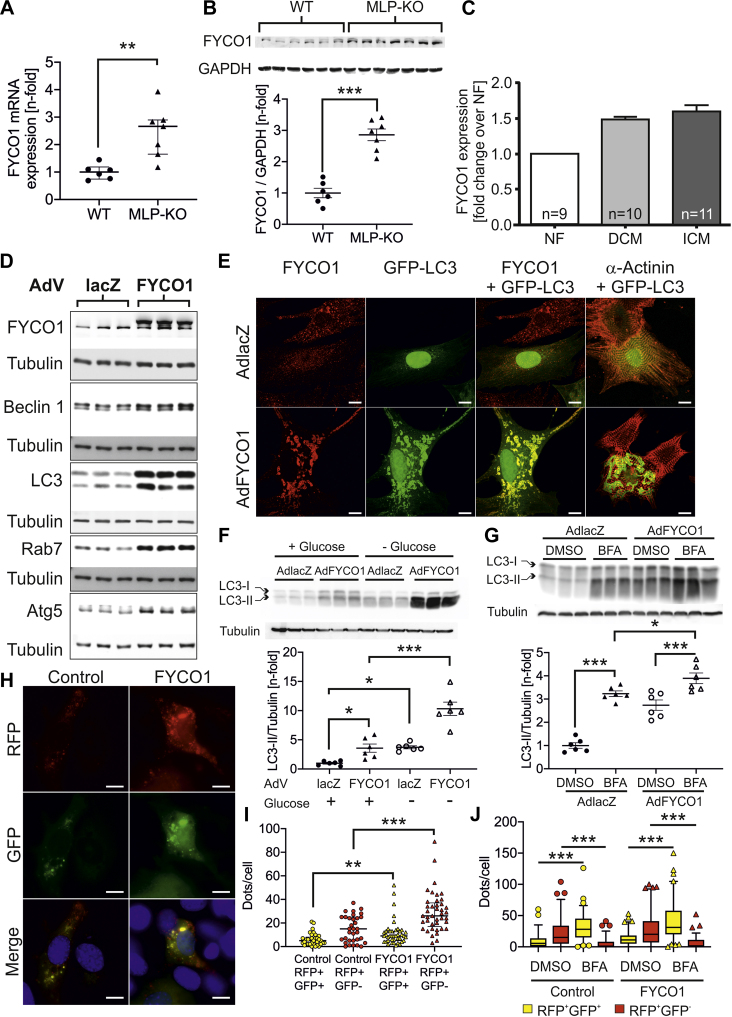
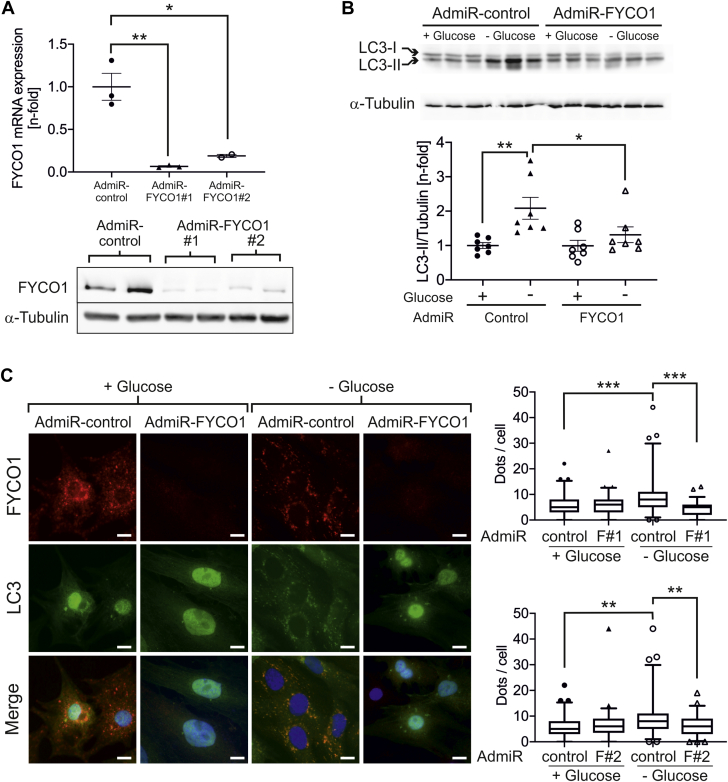
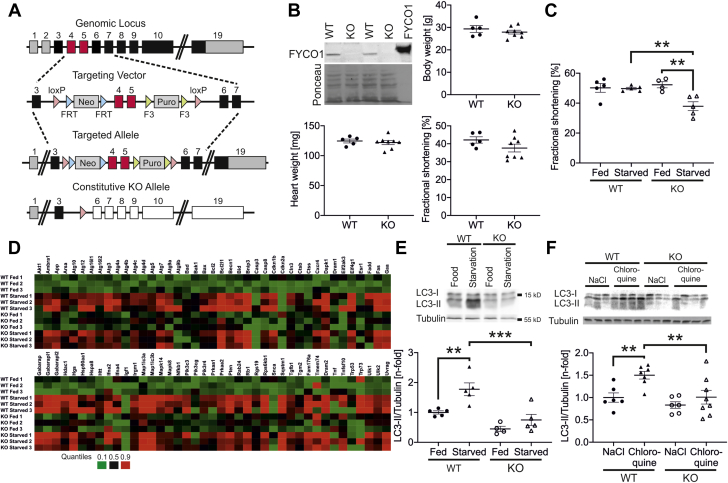
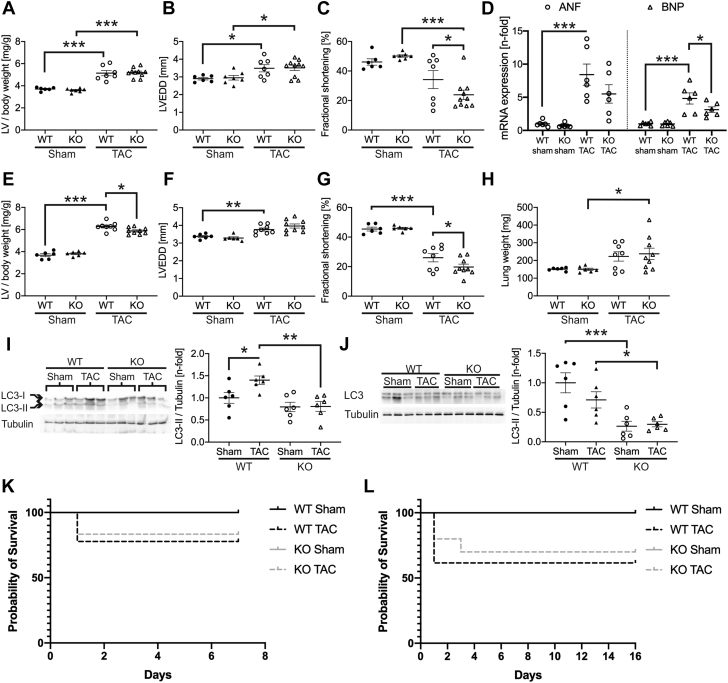
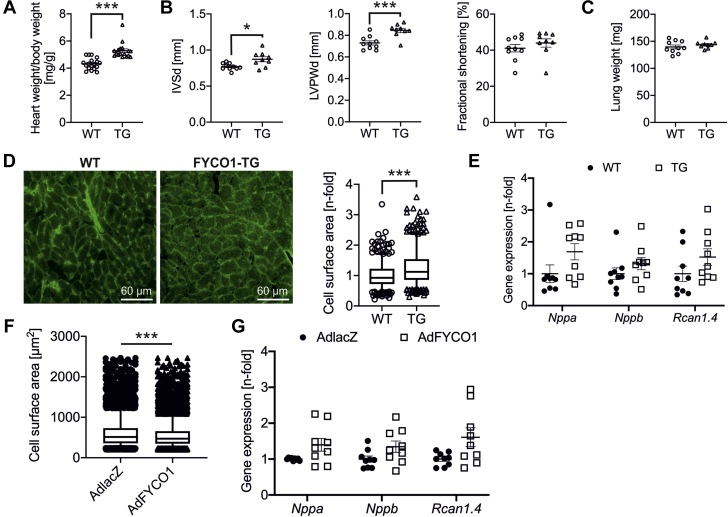
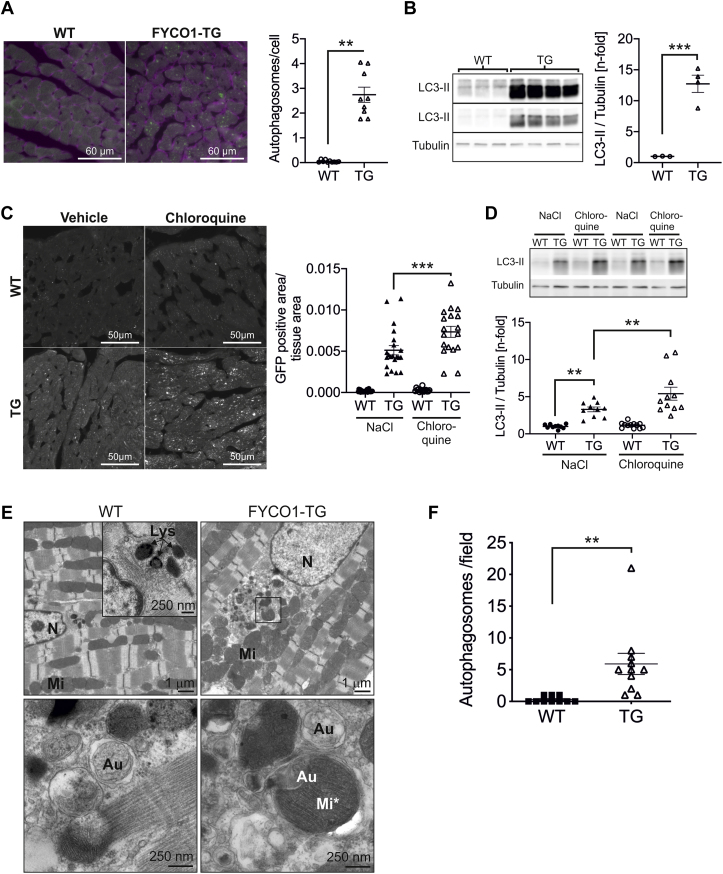
Autophagy is a cellular degradation process that has been implicated in diverse disease processes. The authors provide evidence that FYCO1, a component of the autophagic machinery, is essential for adaptation to cardiac stress. Although the absence of FYCO1 does not affect basal autophagy in isolated cardiomyocytes, it abolishes induction of autophagy after glucose deprivation. Likewise, -deficient mice subjected to starvation or pressure overload are unable to respond with induction of autophagy and develop impaired cardiac function. FYCO1 overexpression leads to induction of autophagy in isolated cardiomyocytes and transgenic mouse hearts, thereby rescuing cardiac dysfunction in response to biomechanical stress.
自噬是一种细胞降解过程,与多种疾病过程有关。作者提供证据表明,自噬机制的一个组成部分FYCO1对于适应心脏应激至关重要。虽然缺乏FYCO1不影响分离的心肌细胞中的基础自噬,但它消除了葡萄糖剥夺后自噬的诱导。同样,遭受饥饿或压力过载的FYCO1缺陷小鼠无法通过自噬诱导做出反应,并出现心脏功能受损。FYCO1过表达导致分离的心肌细胞和转基因小鼠心脏中自噬的诱导,从而挽救对生物力学应激的心脏功能障碍。