Division of Food, Nutrition and Dietetics, University of Nottingham, Sutton Bonington Campus, Loughborough LE12 5RD, United Kingdom.
School of Chemistry, University of Nottingham, University Park, Nottingham, NG7 2RD, United Kingdom.
Food Chem. 2021 Oct 30;360:129990. doi: 10.1016/j.foodchem.2021.129990. Epub 2021 Apr 30.
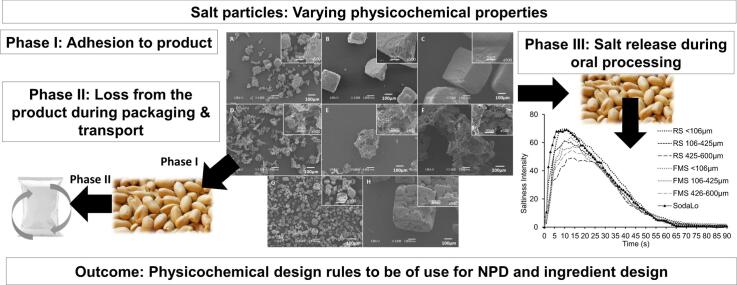
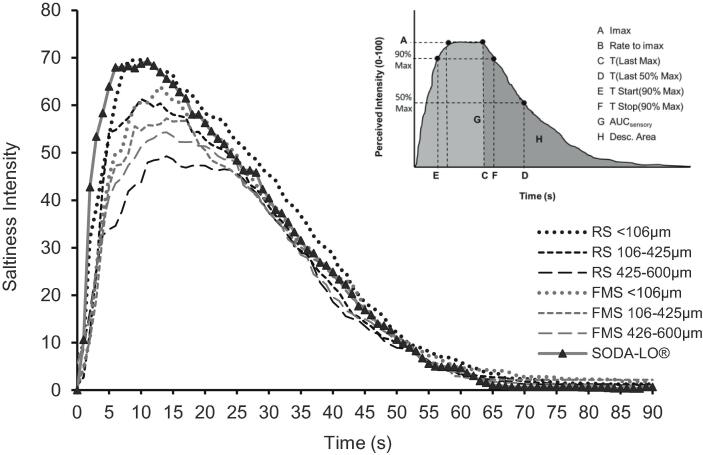
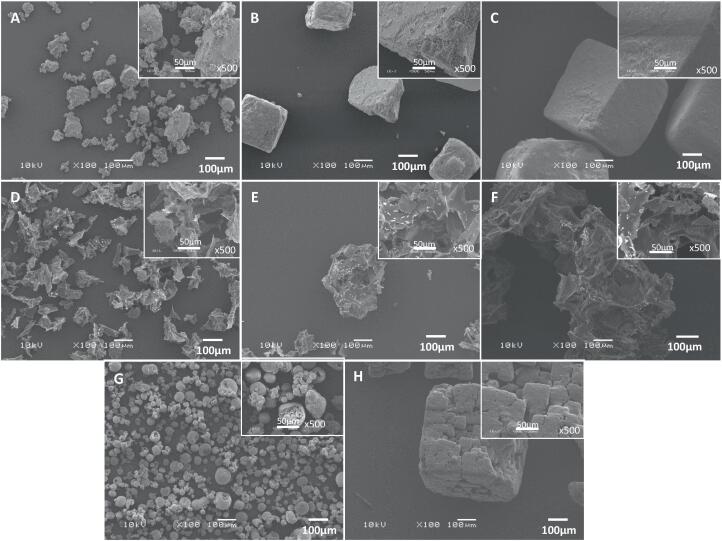
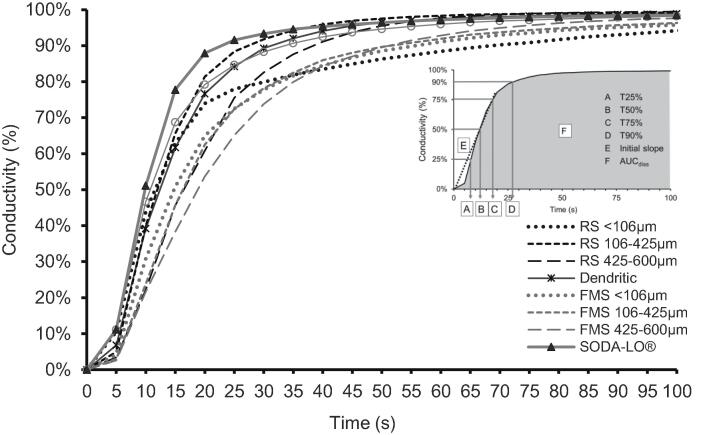
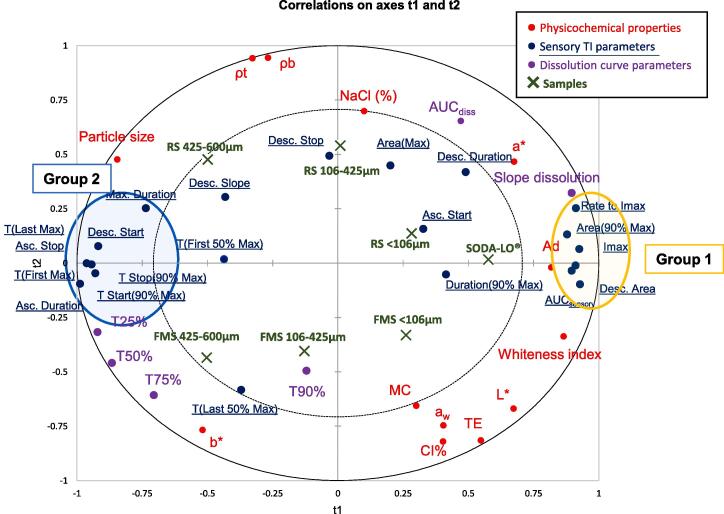
Novel sodium reduction strategies are urgently required by the food industry. We hypothesised that redesigning salt crystals (size, density, hydrophobicity and flow properties) will offer a new route to increase saltiness and therefore reduce sodium. Eight salts were compared with different physicochemical properties, the resultant particles were characterised and adhesion to product, loss in-pack, rate of dissolution and ultimately saltiness perception were evaluated. Principle findings included that particle adhesion was driven by particle size (r = -0.85, p = 0.008), bulk density (r = -0.80, p = 0.017) and flow properties (r = 0.77, p = 0.015); loss in-pack was associated with particle size and hydrophobicity of the salt particle while dissolution and/or saltiness perception was also driven by particle size and hydrophobicity of the salt particle. The findings offer a new set of design rules for future ingredient design for the food and flavour industries.
食品行业迫切需要新的减盐策略。我们假设重新设计盐晶体(大小、密度、疏水性和流动性能)将提供一种增加咸味从而减少钠的新途径。比较了八种具有不同物理化学性质的盐,对所得颗粒进行了表征,并评估了其对产品的附着力、包装损失、溶解速率以及最终的咸味感知。主要发现包括:颗粒附着力由颗粒大小(r = -0.85,p = 0.008)、堆积密度(r = -0.80,p = 0.017)和流动性能(r = 0.77,p = 0.015)驱动;包装损失与盐颗粒的粒径和疏水性有关,而溶解和/或咸味感知也受盐颗粒的粒径和疏水性驱动。这些发现为食品和调味料行业未来的成分设计提供了一组新的设计规则。