Erngren Ida, Smit Eva, Pettersson Curt, Cárdenas Paco, Hedeland Mikael
Analytical Pharmaceutical Chemistry, Department of Medicinal Chemistry, Uppsala University, Uppsala, Sweden.
BioAnalytical Chemistry, Department of Chemistry and Pharmaceutical Sciences, Vrije Universiteit Amsterdam, Amsterdam, Netherlands.
Front Chem. 2021 May 10;9:662659. doi: 10.3389/fchem.2021.662659. eCollection 2021.
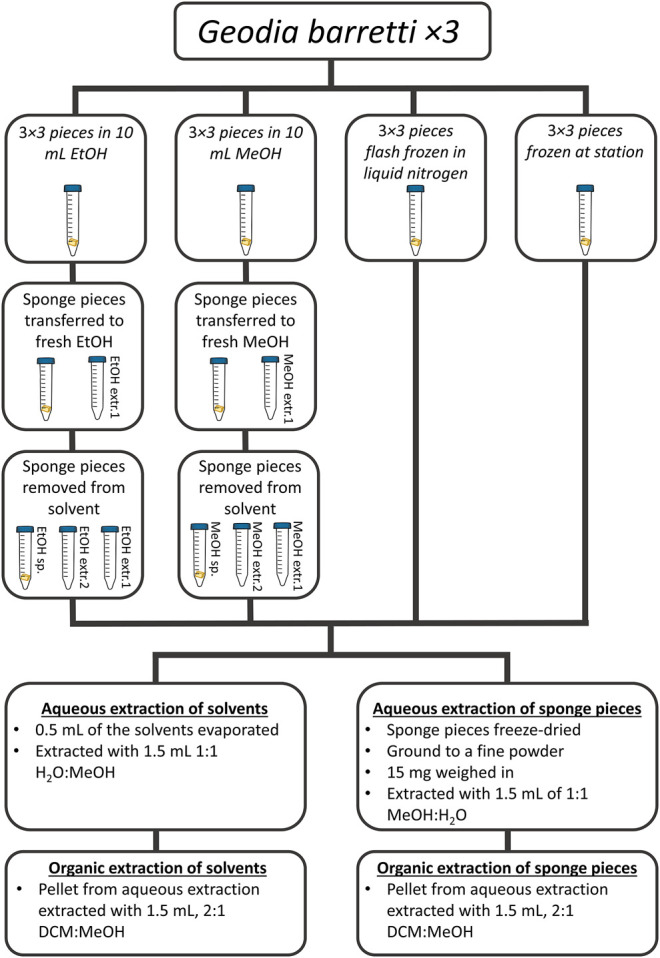
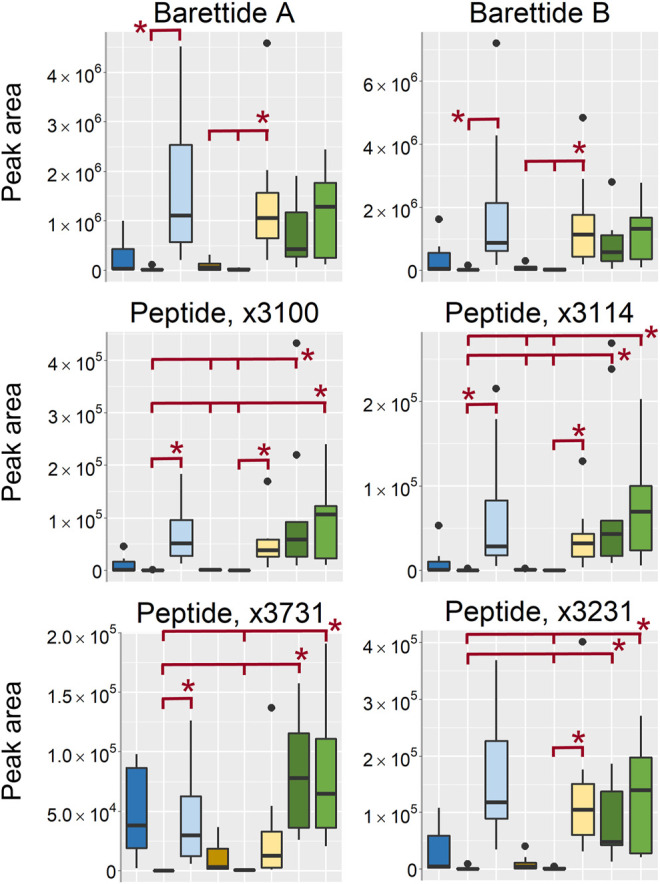
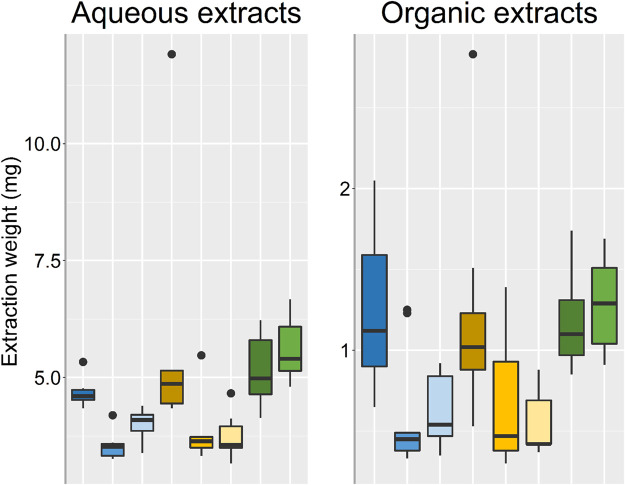
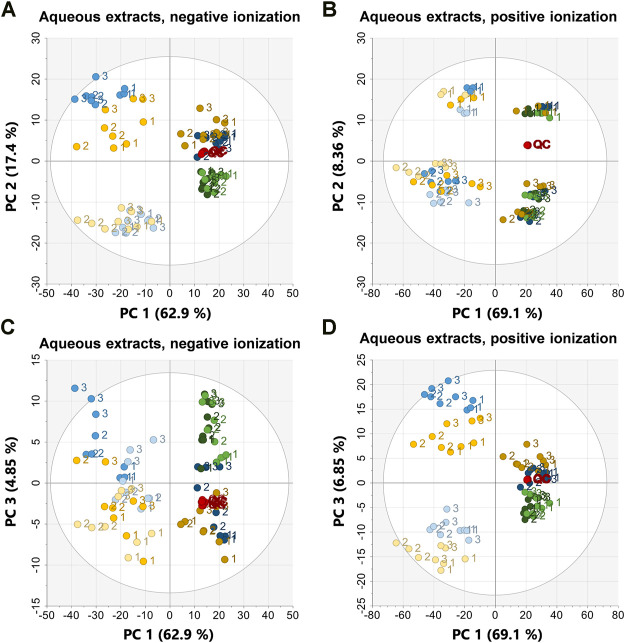
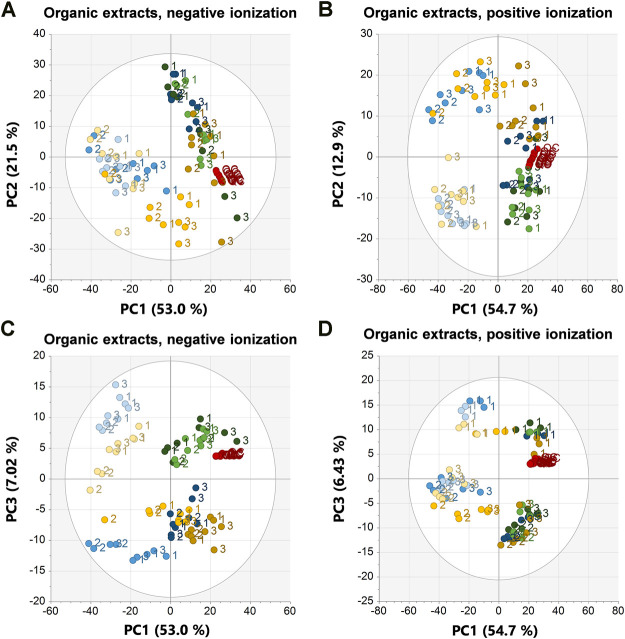
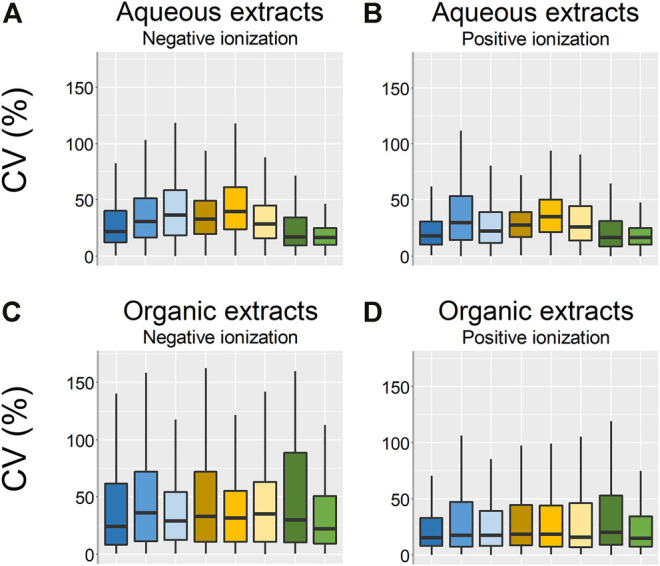
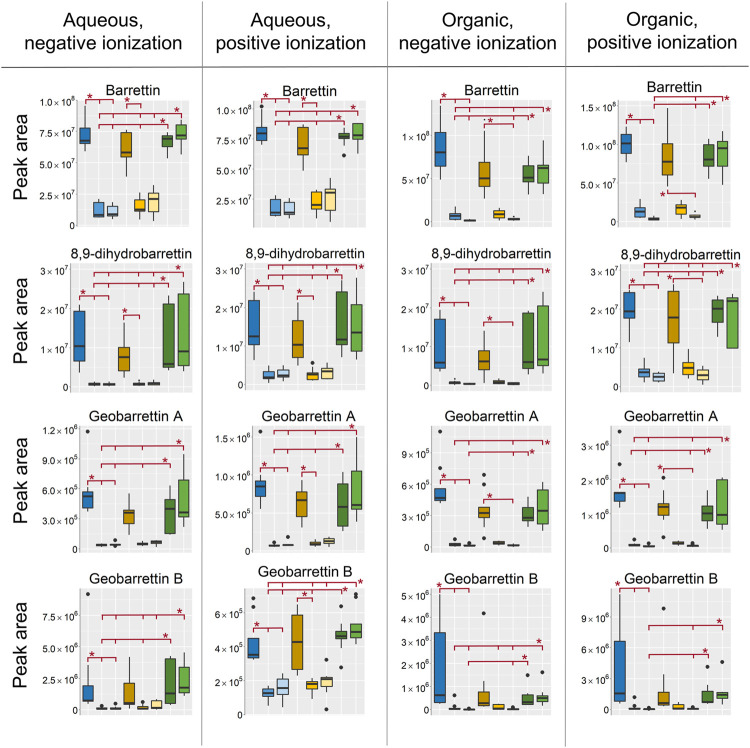
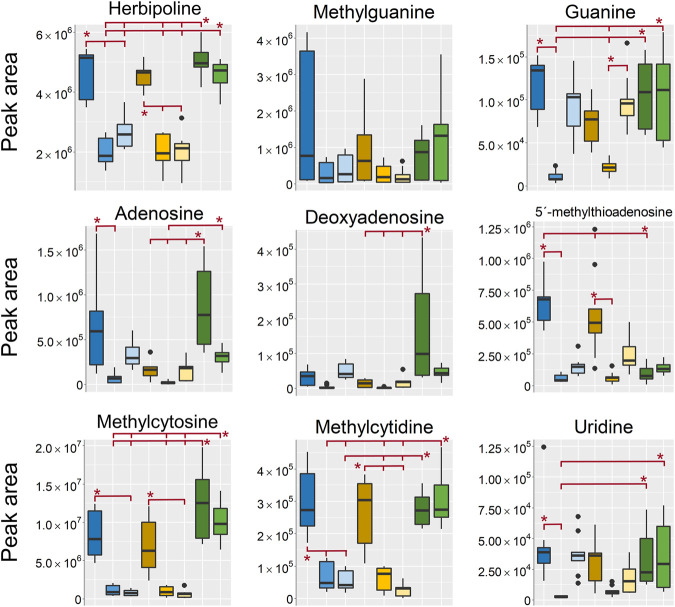
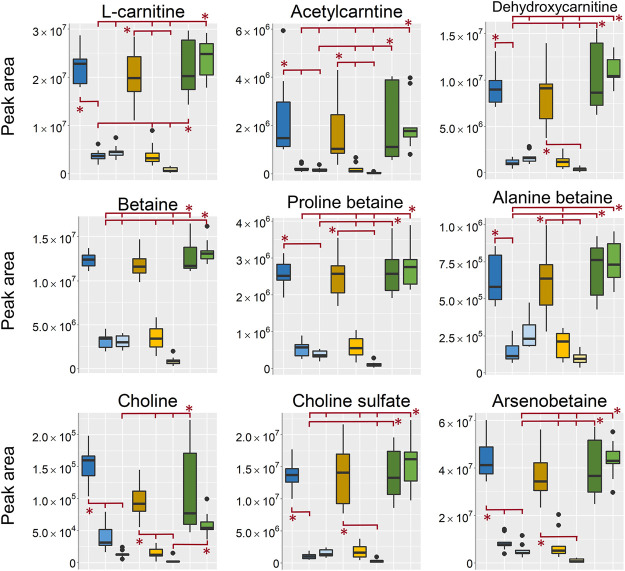
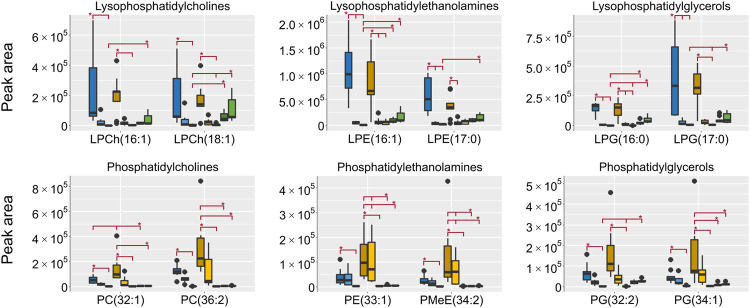
is a deep-sea marine sponge common in the north Atlantic and waters outside of Norway and Sweden. The sampling and subsequent treatment as well as storage of sponges for metabolomics analyses can be performed in different ways, the most commonly used being freezing (directly upon collection or later) or by storage in solvent, commonly ethanol, followed by freeze-drying. In this study we therefore investigated different sampling protocols and their effects on the detected metabolite profiles in liquid chromatography-mass spectrometry (LC-MS) using an untargeted metabolomics approach. Sponges () were collected outside the Swedish west coast and pieces from three sponge specimens were either flash frozen in liquid nitrogen, frozen later after the collection cruise, stored in ethanol or stored in methanol. The storage solvents as well as the actual sponge pieces were analyzed, all samples were analyzed with hydrophilic interaction liquid chromatography as well as reversed phase liquid chromatography with high resolution mass spectrometry using full-scan in positive and negative ionization mode. The data were evaluated using multivariate data analysis. The highest metabolite intensities were found in the frozen samples (flash frozen and frozen after sampling cruise) as well as in the storage solvents (methanol and ethanol). Metabolites extracted from the sponge pieces that had been stored in solvent were found in very low intensity, since the majority of metabolites were extracted to the solvents to a high degree. The exception being larger peptides and some lipids. The lowest variation between replicates were found in the flash frozen samples. In conclusion, the preferred method for sampling of sponges for metabolomics was found to be immediate freezing in liquid nitrogen. However, freezing the sponge samples after some time proved to be a reliable method as well, albeit with higher variation between the replicates. The study highlights the importance of saving ethanol extracts after preservation of specimens for biology studies; these valuable extracts could be further used in studies of natural products, chemosystematics or metabolomics.
是一种常见于北大西洋以及挪威和瑞典以外海域的深海海洋海绵。海绵用于代谢组学分析的采样、后续处理以及储存可以通过不同方式进行,最常用的是冷冻(采集后立即冷冻或稍后冷冻)或储存在溶剂中,通常是乙醇,然后进行冷冻干燥。因此,在本研究中,我们采用非靶向代谢组学方法,研究了不同的采样方案及其对液相色谱 - 质谱联用(LC - MS)中检测到的代谢物谱的影响。海绵()在瑞典西海岸外采集,从三个海绵标本上切下的小块要么在液氮中速冻,在采集巡航后稍后冷冻,储存在乙醇中,要么储存在甲醇中。对储存溶剂以及实际的海绵块进行了分析,所有样品均采用亲水相互作用液相色谱以及反相液相色谱与高分辨率质谱联用,在正离子和负离子模式下进行全扫描分析。使用多变量数据分析对数据进行评估。在冷冻样品(速冻和采集巡航后冷冻)以及储存溶剂(甲醇和乙醇)中发现了最高的代谢物强度。从储存在溶剂中的海绵块中提取的代谢物强度非常低,因为大多数代谢物都高度提取到了溶剂中。较大的肽和一些脂质除外。在速冻样品中发现重复样品之间的差异最小。总之,发现用于代谢组学的海绵采样的首选方法是立即在液氮中冷冻。然而,过一段时间后冷冻海绵样品也被证明是一种可靠的方法,尽管重复样品之间的差异较大。该研究强调了在保存标本用于生物学研究后保存乙醇提取物的重要性;这些有价值的提取物可进一步用于天然产物、化学分类学或代谢组学研究。