Cancer Research UK Cambridge Institute, University of Cambridge, Cambridge, UK.
Cancer Research UK Cambridge Institute, University of Cambridge, Cambridge, UK.
EBioMedicine. 2021 Jun;68:103396. doi: 10.1016/j.ebiom.2021.103396. Epub 2021 May 25.
Chemotherapy and targeted agent anti-cancer efficacy is largely dependent on the proliferative state of tumours, as exemplified by agents that target DNA synthesis/replication or mitosis. As a result, cell cycle specificities of a number of cancer drugs are well known. However, they are yet to be described in a quantifiable manner.
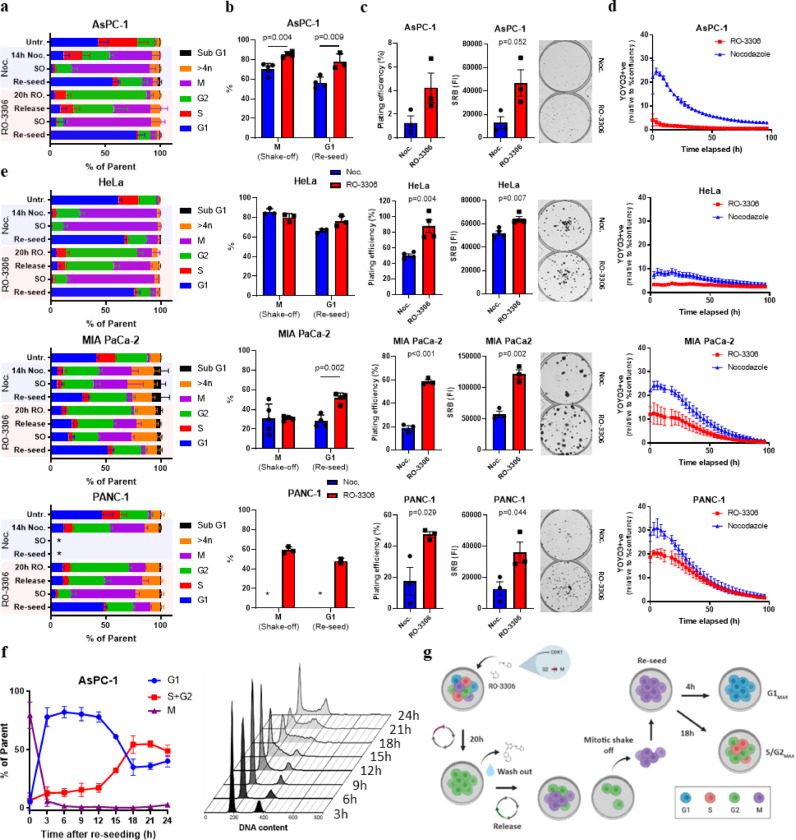
A scalable cell synchronisation protocol used to screen a library of 235 anti-cancer compounds exposed over six hours in G1 or S/G2 accumulated AsPC-1 cells to generate a cell cycle specificity (CCS) score.
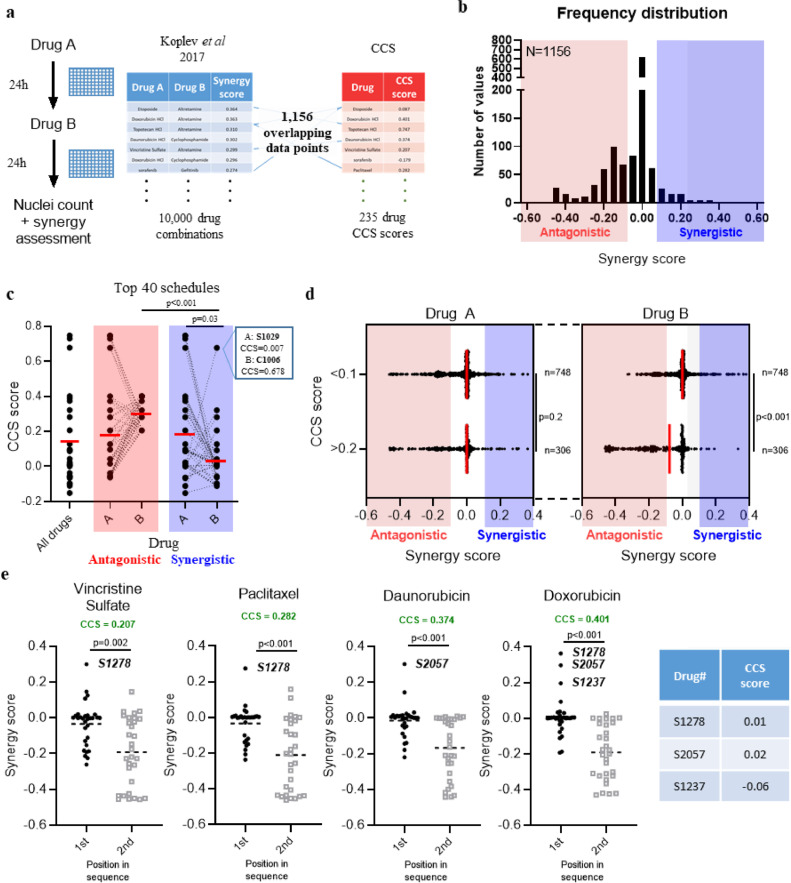
The synchronisation method was associated with reduced method-related cytotoxicity compared to nocodazole, delivering sufficient cell cycle purity and cell numbers to run high-throughput drug library screens. Compounds were identified with G1 and S/G2-associated specificities that, overall, functionally matched with a compound's target/mechanism of action. This annotation was used to describe a synergistic schedule using the CDK4/6 inhibitor, palbociclib, prior to gemcitabine/AZD6738 as well as describe the correlation between the CCS score and published synergistic/antagonistic drug schedules.
This is the first highly quantitative description of cell cycle-dependent drug sensitivities that utilised a tractable and tolerated method with potential uses outside the present study. Drug treatments such as those shown to be G1 or S/G2 associated may benefit from scheduling considerations such as after CDK4/6 inhibitors and being first in drug sequences respectively.
Cancer Research UK (CRUK) Institute core grants C14303/A17197 and C9545/A29580. The Li Ka Shing Centre where this work was performed was generously funded by CK Hutchison Holdings Limited, the University of Cambridge, CRUK, The Atlantic Philanthropies and others.
化疗和靶向抗癌药物的疗效在很大程度上取决于肿瘤的增殖状态,例如针对 DNA 合成/复制或有丝分裂的药物。因此,许多抗癌药物的细胞周期特异性已经广为人知。然而,这些特异性尚未以可量化的方式进行描述。
我们使用一种可扩展的细胞同步化方案,对在 G1 期或 S/G2 期积累的 AsPC-1 细胞进行了 6 小时的 235 种抗癌化合物库筛选,以生成细胞周期特异性(CCS)评分。
与诺考达唑相比,同步化方法与降低的方法相关细胞毒性相关,提供了足够的细胞周期纯度和细胞数量来运行高通量药物文库筛选。鉴定出具有 G1 和 S/G2 相关性的特异性化合物,总体上,与化合物的靶标/作用机制功能匹配。这种注释被用于描述 CDK4/6 抑制剂帕博西尼联合吉西他滨/阿兹利珠单抗之前的协同方案,以及描述 CCS 评分与已发表的协同/拮抗药物方案之间的相关性。
这是首次对细胞周期依赖性药物敏感性进行高度定量描述,该方法使用了一种可行且可耐受的方法,除了本研究外,还有可能有其他用途。如显示与 G1 或 S/G2 相关的药物治疗可能受益于诸如 CDK4/6 抑制剂之后以及分别作为药物序列中的第一种药物的调度考虑。
英国癌症研究中心(CRUK)研究所核心拨款 C14303/A17197 和 C9545/A29580。本工作所在的李嘉诚中心得到了 CK Hutchison Holdings Limited、剑桥大学、CRUK、大西洋慈善基金会和其他机构的慷慨资助。