Barrera-Santana J, Marrero Gustavo A, Puch Luis A, Díaz Antonia
CEDESOG, Universidad de La Laguna, Santa Cruz de Tenerife, Spain.
Instituto Complutense de Análisis Económico, Universidad Complutense de Madrid, 28223 Madrid, Spain.
SERIEs (Berl). 2021;12(2):105-150. doi: 10.1007/s13209-021-00234-8. Epub 2021 May 25.
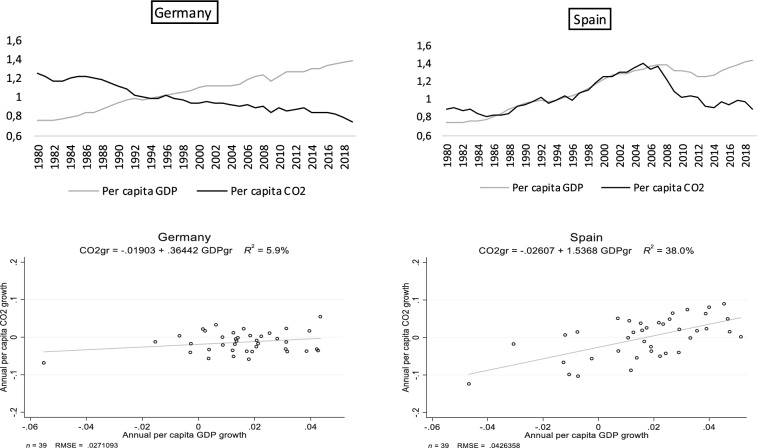
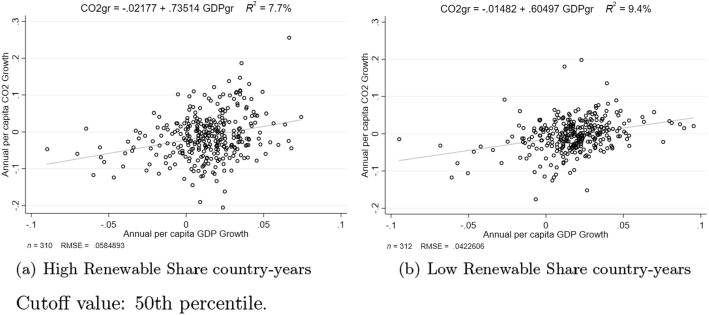
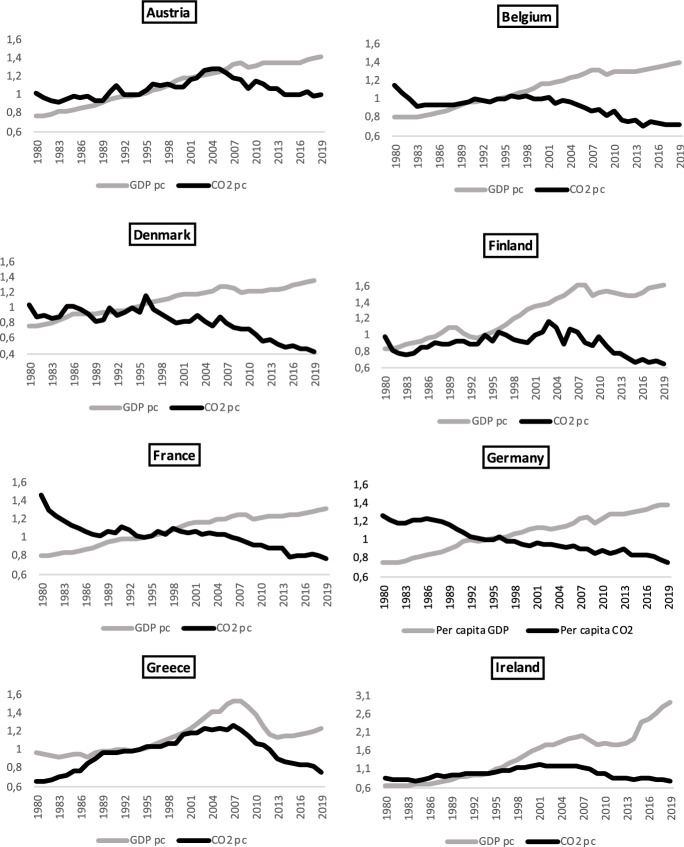
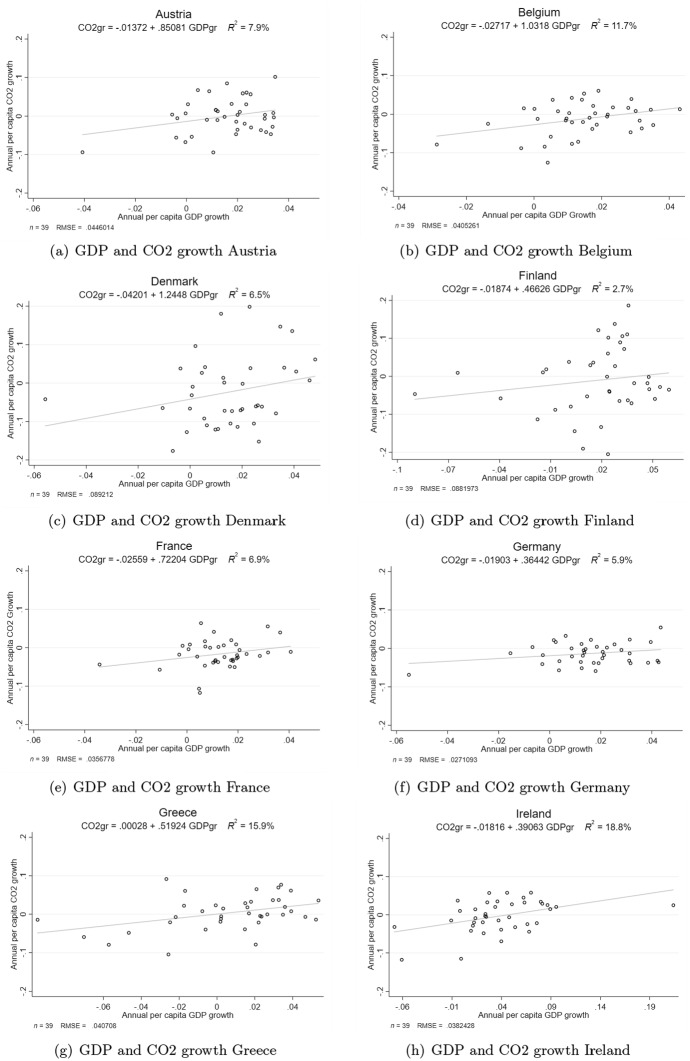
In this paper, we investigate the path to the green transition in Europe. In so doing, we implement an empirical model of dynamic panel data on a sample of sixteen Western European countries over the period 1980 to 2019. The model is consistent with various features of neoclassical growth theory incorporating energy use. Our focus is on the short-run determinants of carbon emissions within that set of countries. We provide evidence that the relationship between economic activity and CO2 emissions is strong in economies where economic booms depend on energy-intensive sectors. Also, the mitigating role of renewable energy technologies is key when energy intensity rebounds. These circumstances may constitute a challenge for the climate transition goals targeted in the EU's Recovery Plan, whose main objective at this very moment is to mitigate the economic and social impact of the coronavirus pandemic.
在本文中,我们研究了欧洲绿色转型的路径。在此过程中,我们对1980年至2019年期间16个西欧国家的样本实施了动态面板数据实证模型。该模型与纳入能源使用的新古典增长理论的各种特征相一致。我们关注的是这些国家中碳排放的短期决定因素。我们提供的证据表明,在经济繁荣依赖能源密集型部门的经济体中,经济活动与二氧化碳排放之间的关系很强。此外,当能源强度反弹时,可再生能源技术的缓解作用至关重要。这些情况可能对欧盟复苏计划中设定的气候转型目标构成挑战,该计划目前的主要目标是减轻冠状病毒大流行的经济和社会影响。