Department of Biomedical Engineering, College of Engineering and Computer Sciences, Marshall University, Huntington, WV 25755, USA.
Indiana University Health Arnett Hospital, Lafayette, IN 47905, USA.
Int J Mol Sci. 2021 May 11;22(10):5057. doi: 10.3390/ijms22105057.
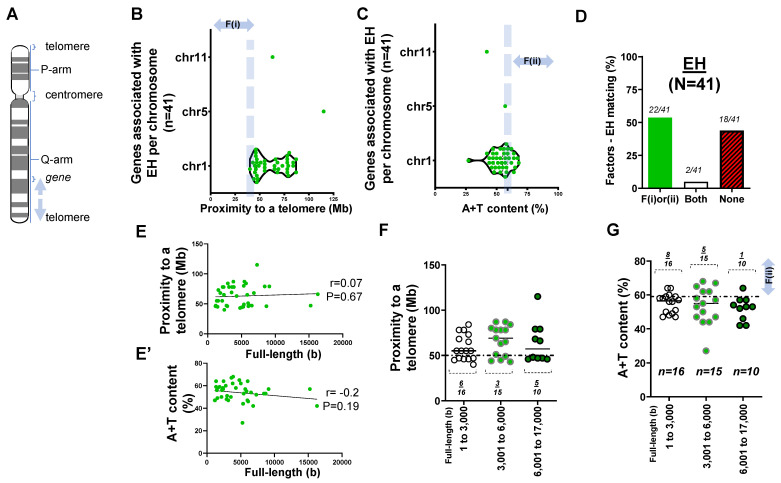
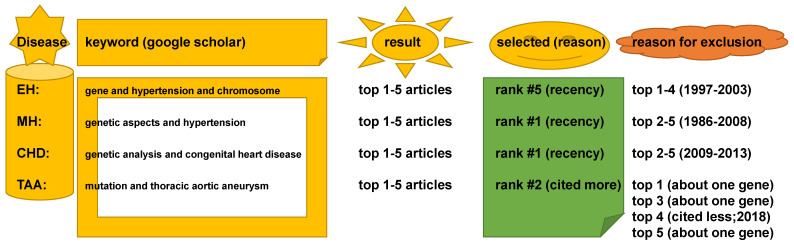
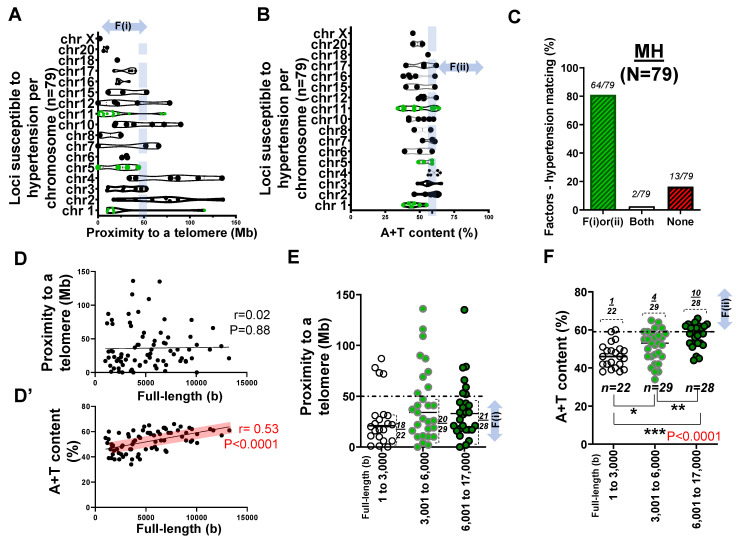
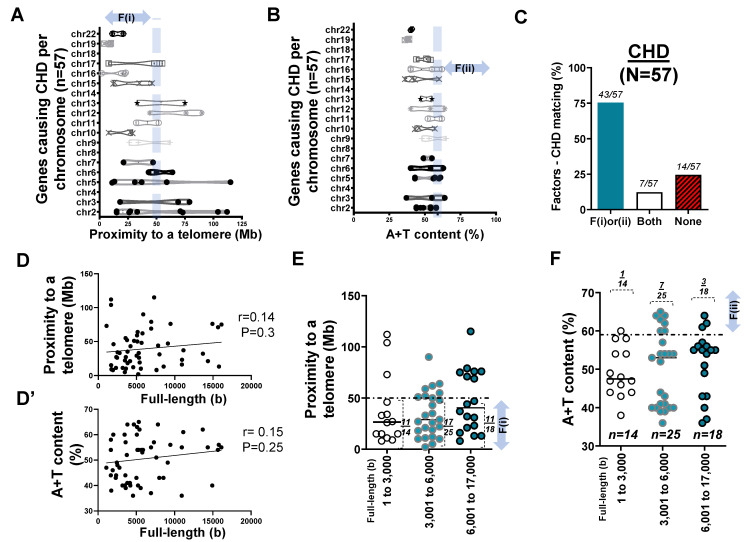
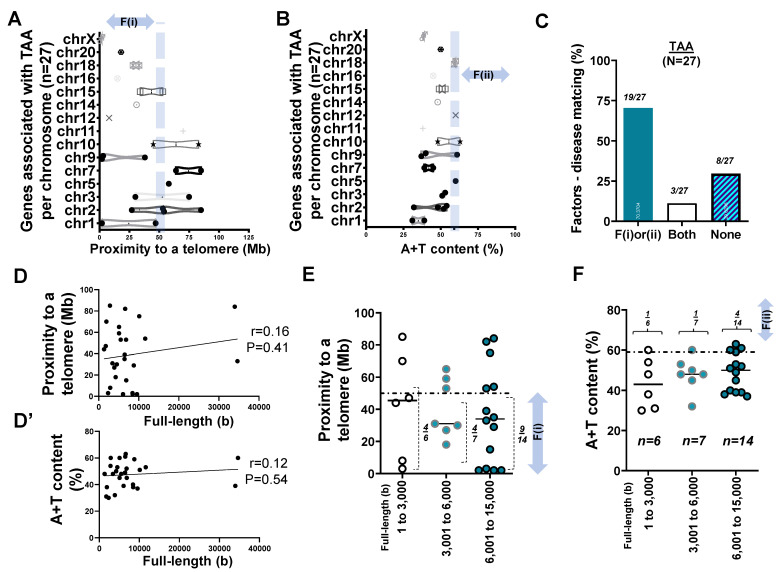
Monogenic hypertension is rare and caused by genetic mutations, but whether factors associated with mutations are disease-specific remains uncertain. Given two factors associated with high mutation rates, we tested how many previously known genes match with (i) proximity to telomeres or (ii) high adenine and thymine content in cardiovascular diseases (CVDs) related to vascular stiffening. We extracted genomic information using a genome data viewer. In human chromosomes, 64 of 79 genetic loci involving >25 rare mutations and single nucleotide polymorphisms satisfied (i) or (ii), resulting in an 81% matching rate. However, this high matching rate was no longer observed as we checked the two factors in genes associated with essential hypertension (EH), thoracic aortic aneurysm (TAA), and congenital heart disease (CHD), resulting in matching rates of 53%, 70%, and 75%, respectively. A matching of telomere proximity or high adenine and thymine content projects the list of loci involving rare mutations of monogenic hypertension better than those of other CVDs, likely due to adoption of rigorous criteria for true-positive signals. Our data suggest that the factor-disease matching rate is an accurate tool that can explain deleterious mutations of monogenic hypertension at a >80% match-unlike the relatively lower matching rates found in human genes of EH, TAA, CHD, and familial Parkinson's disease.
单基因高血压罕见,由基因突变引起,但与突变相关的因素是否具有疾病特异性仍不确定。鉴于与高突变率相关的两个因素,我们测试了有多少先前已知的基因与(i)端粒附近或(ii)心血管疾病(CVDs)中与血管僵硬相关的高腺嘌呤和胸腺嘧啶含量相匹配。我们使用基因组数据查看器提取基因组信息。在人类染色体中,79 个涉及 >25 个罕见突变和单核苷酸多态性的遗传基因座中的 64 个符合(i)或(ii),匹配率为 81%。然而,当我们在与原发性高血压(EH)、胸主动脉瘤(TAA)和先天性心脏病(CHD)相关的基因中检查这两个因素时,这种高匹配率就不再观察到了,其匹配率分别为 53%、70%和 75%。端粒接近或高腺嘌呤和胸腺嘧啶含量的匹配比其他 CVD 更好地预测了单基因高血压罕见突变涉及的基因座列表,这可能是由于采用了严格的标准来筛选真正的阳性信号。我们的数据表明,因素-疾病匹配率是一种准确的工具,可以解释 >80%匹配的单基因高血压的有害突变,而在 EH、TAA、CHD 和家族性帕金森病的人类基因中发现的匹配率相对较低。