Cao Chuanai, Li Xin, Yin Yongchao, Kong Baohua, Sun Fangda, Liu Qian
College of Food Science, Northeast Agricultural University, Harbin 150030, China.
Sharable Platform of Large-Scale Instruments & Equipments, Northeast Agricultural University, Harbin 150030, China.
Foods. 2021 May 9;10(5):1027. doi: 10.3390/foods10051027.
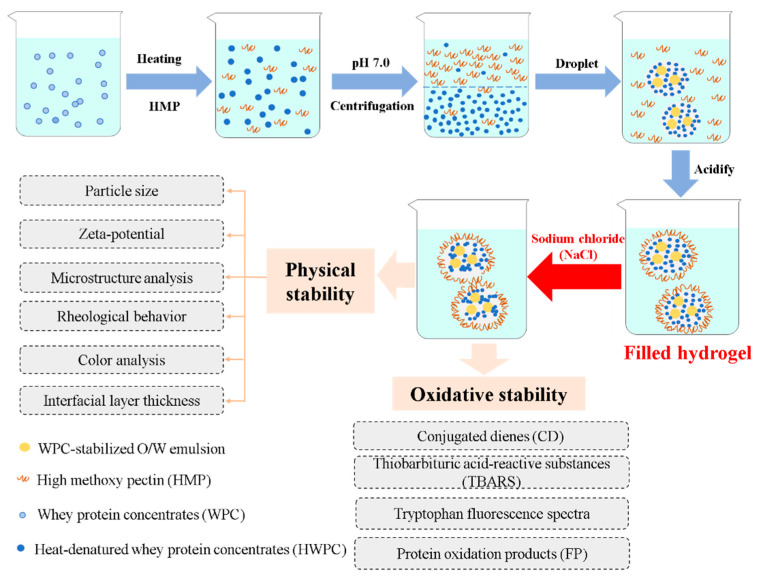
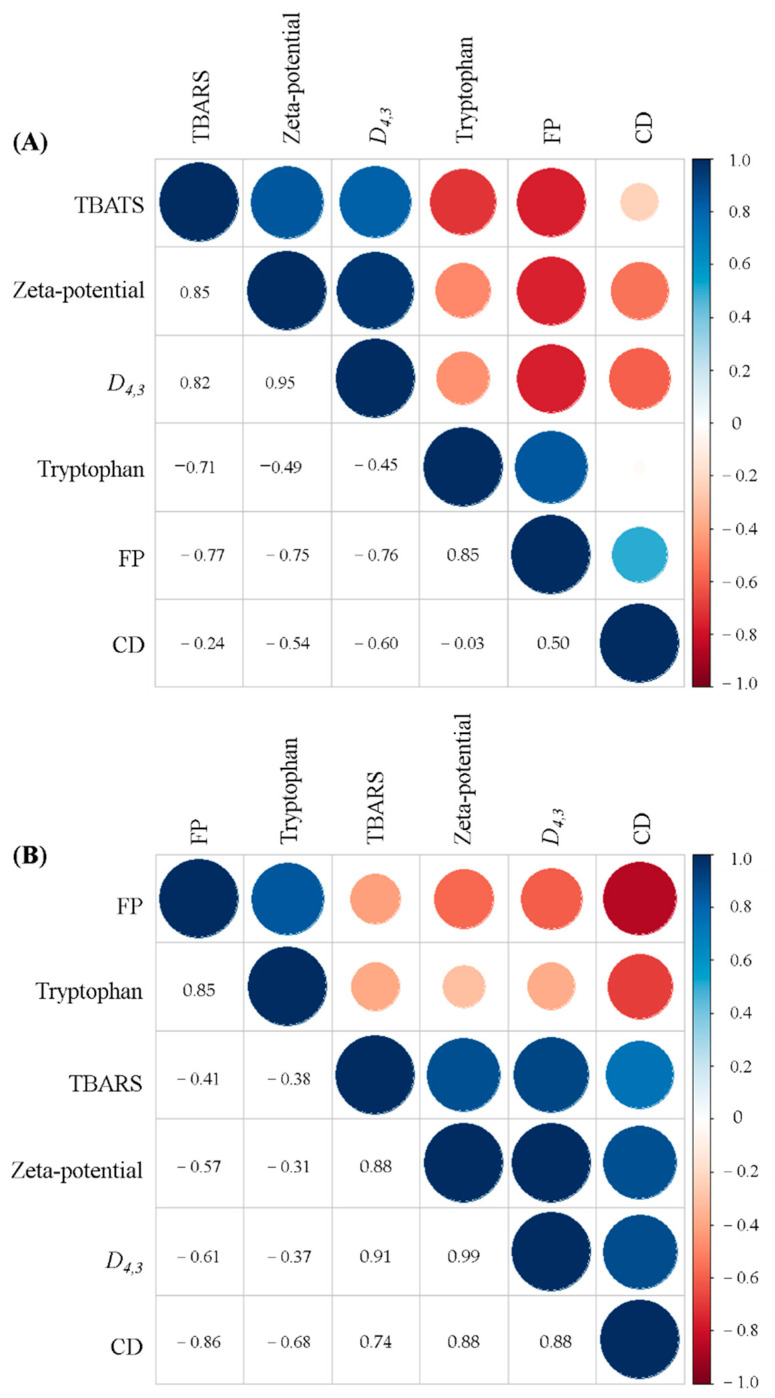
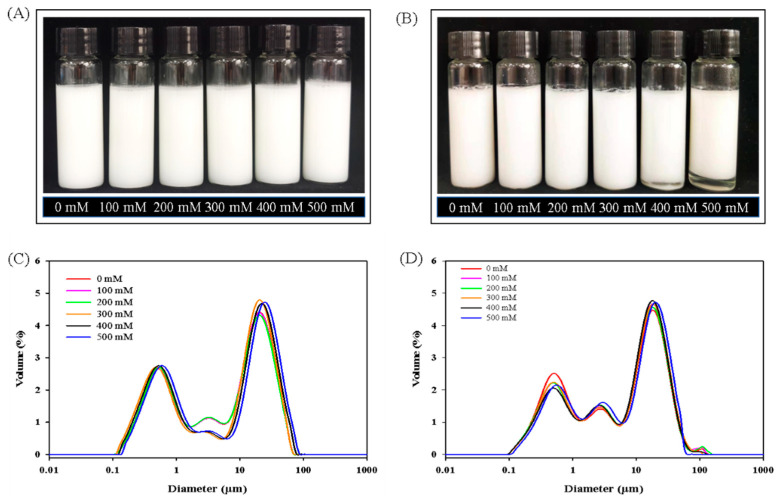
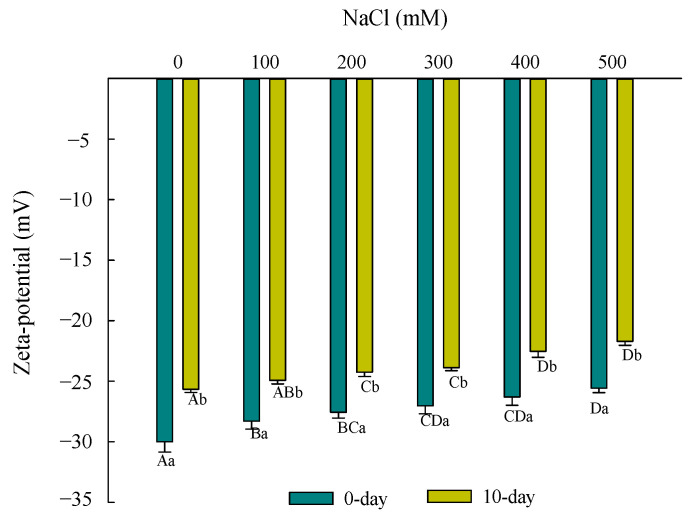
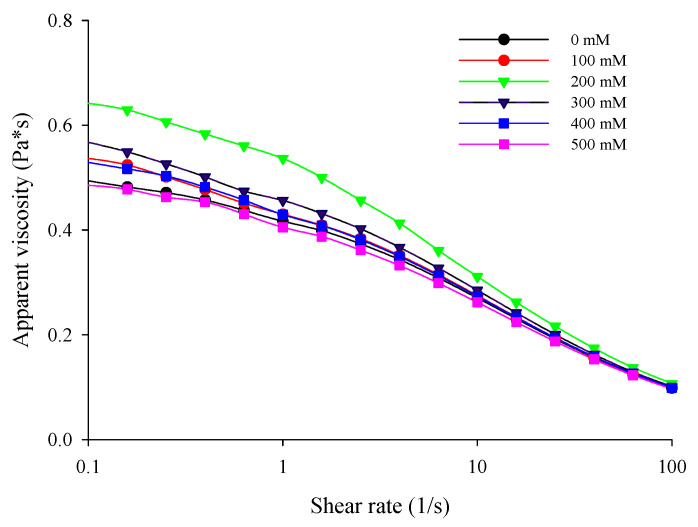
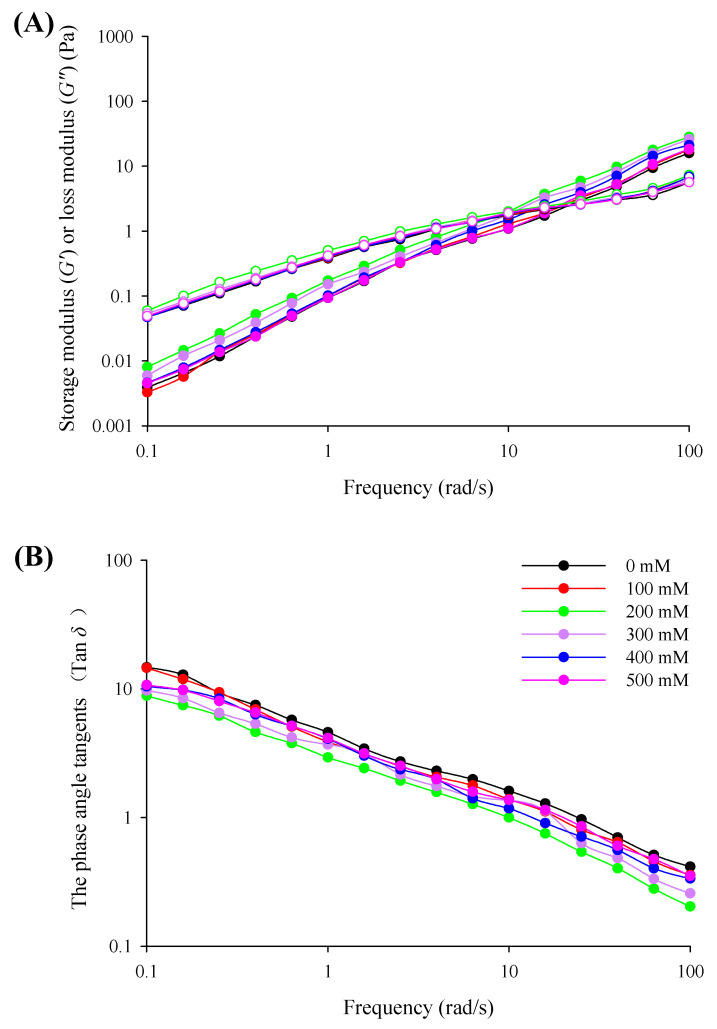
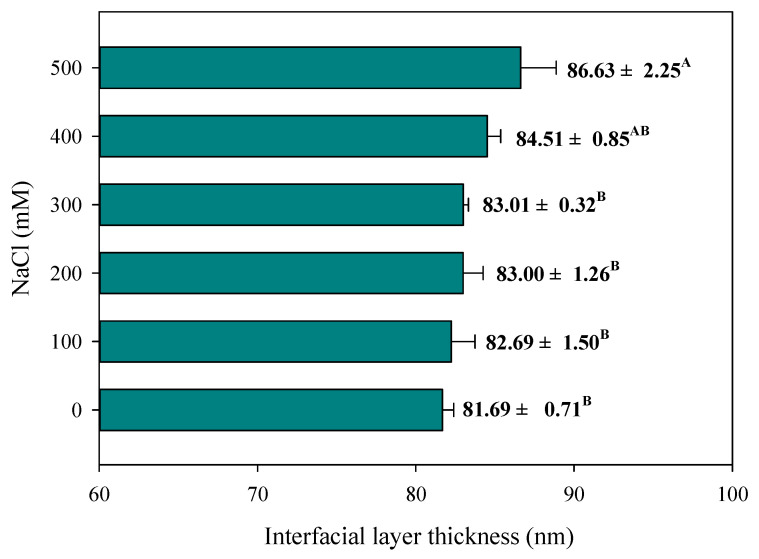
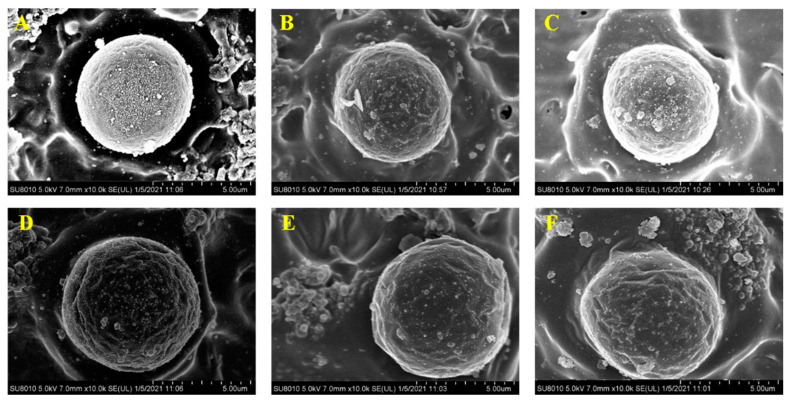
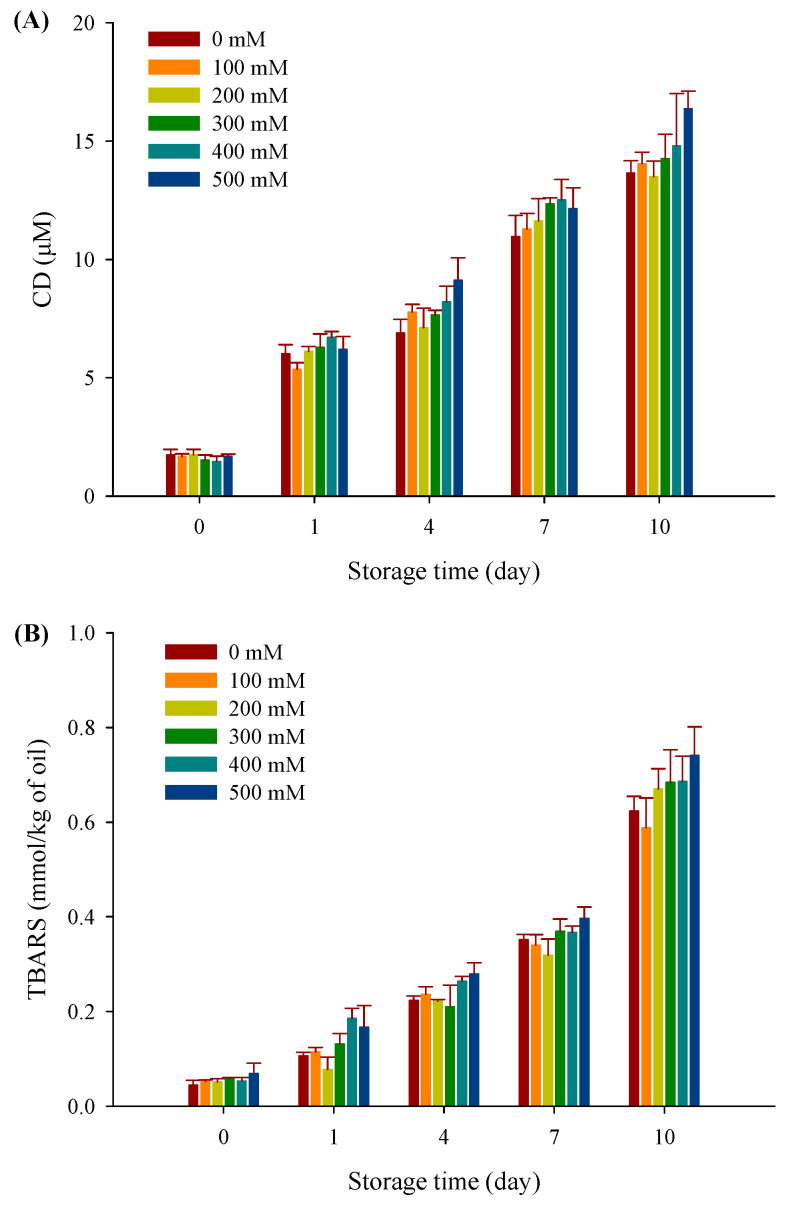
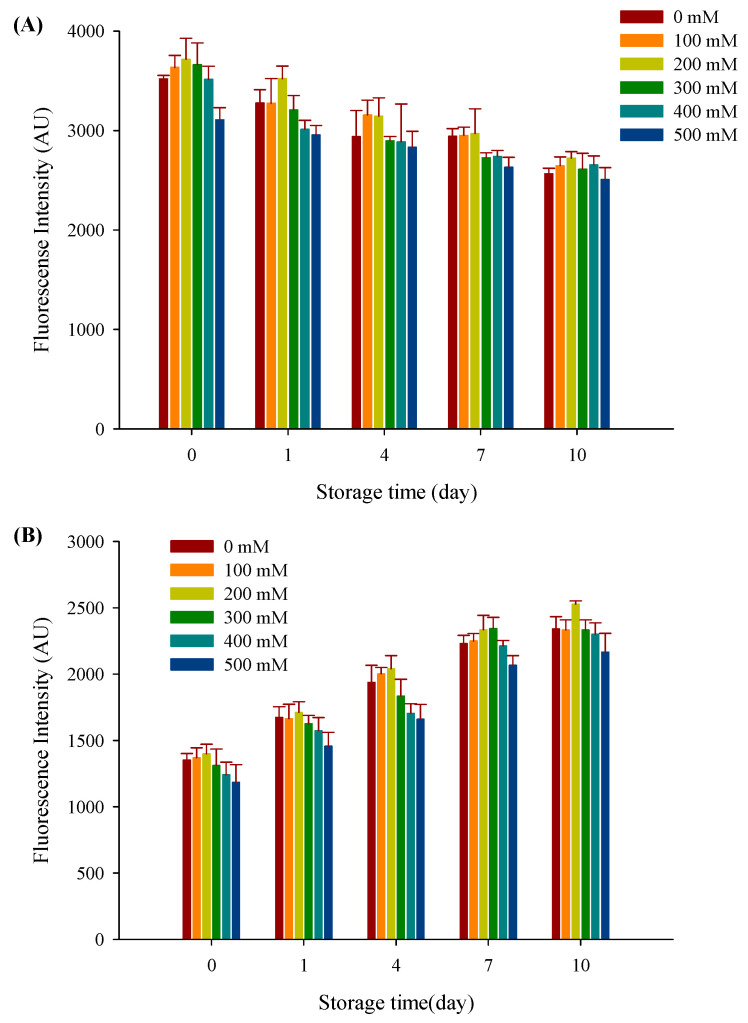
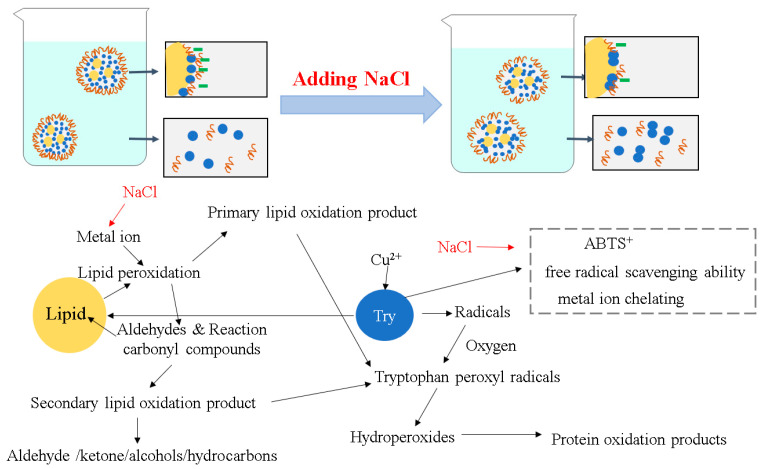
The objective of this study was to investigate the influence of sodium chloride (NaCl) concentration (0-500 mM) on the physical and oxidative stabilities of filled hydrogel that were stabilized using heat-denatured whey protein concentrate and high methoxy pectin. Our results showed that with an increase in NaCl concentration, the particle sizes, zeta-potentials, and interfacial layer thickness of filled hydrogels significantly increased and the lightness and whiteness gradually decreased ( < 0.05). Moreover, rheological characterization revealed that the apparent viscosity and viscoelastic behavior gradually decreased at higher NaCl concentration, which was mainly ascribed to the influence of NaCl on the electrostatic repulsion between droplets, thereby adversely impacting the physical stability of filled hydrogels. Furthermore, the result of cryo-scanning electron microscopy also verified the abovementioned results. Notably, higher NaCl concentration significantly promoted the oxidation of lipids and proteins ( < 0.05), thereby decreasing the oxidative stabilities of filled hydrogels. Our results indicated that filled hydrogels prepared under different ionic strength conditions can provide the theoretical basis for their future application in emulsion-based foods.
本研究的目的是研究氯化钠(NaCl)浓度(0 - 500 mM)对使用热变性乳清蛋白浓缩物和高甲氧基果胶稳定的填充水凝胶的物理稳定性和氧化稳定性的影响。我们的结果表明,随着NaCl浓度的增加,填充水凝胶的粒径、zeta电位和界面层厚度显著增加,而亮度和白度逐渐降低(P < 0.05)。此外,流变学表征显示,在较高的NaCl浓度下,表观粘度和粘弹性行为逐渐降低,这主要归因于NaCl对液滴间静电排斥的影响,从而对填充水凝胶的物理稳定性产生不利影响。此外,冷冻扫描电子显微镜的结果也证实了上述结果。值得注意的是,较高的NaCl浓度显著促进了脂质和蛋白质的氧化(P < 0.05),从而降低了填充水凝胶的氧化稳定性。我们的结果表明,在不同离子强度条件下制备的填充水凝胶可为其未来在乳液基食品中的应用提供理论依据。