Nawaz Malik Adil, Singh Tanoj Kumar, Stockmann Regine, Jegasothy Hema, Buckow Roman
Commonwealth Scientific and Industrial Research Organisation (CSIRO), Agriculture and Food, 671 Sneydes Road, Private Bag 16, Werribee 3030, Australia.
Centre for Advanced Food Engineering, School of Chemical and Biomolecular Engineering, The University of Sydney, Darlington 2008, Australia.
Foods. 2021 May 30;10(6):1244. doi: 10.3390/foods10061244.
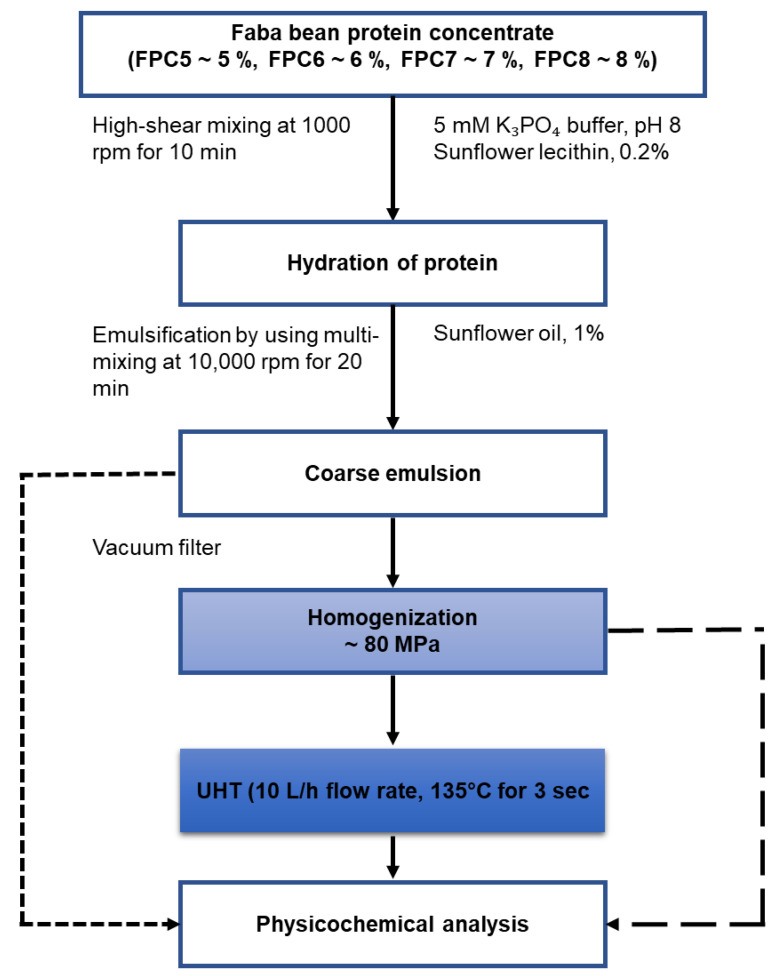
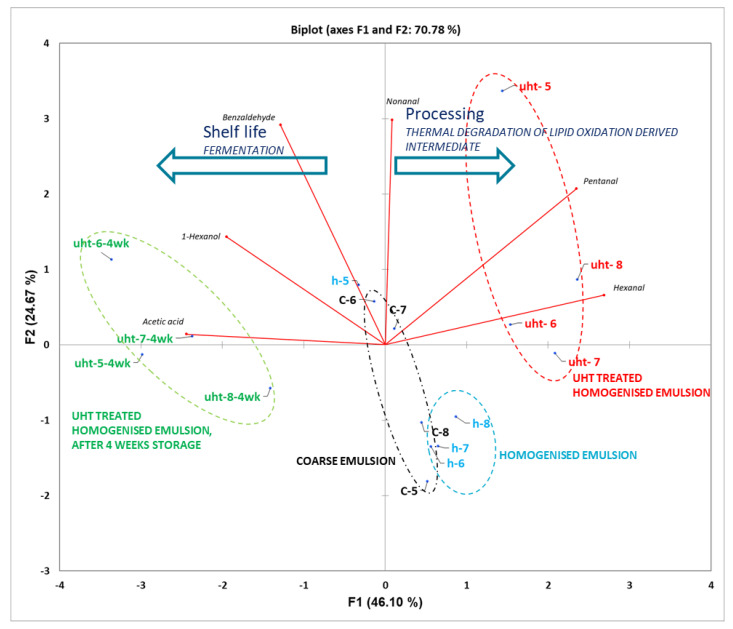
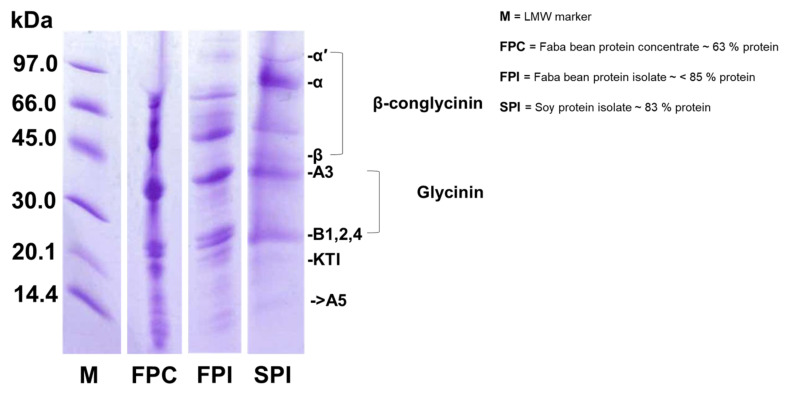
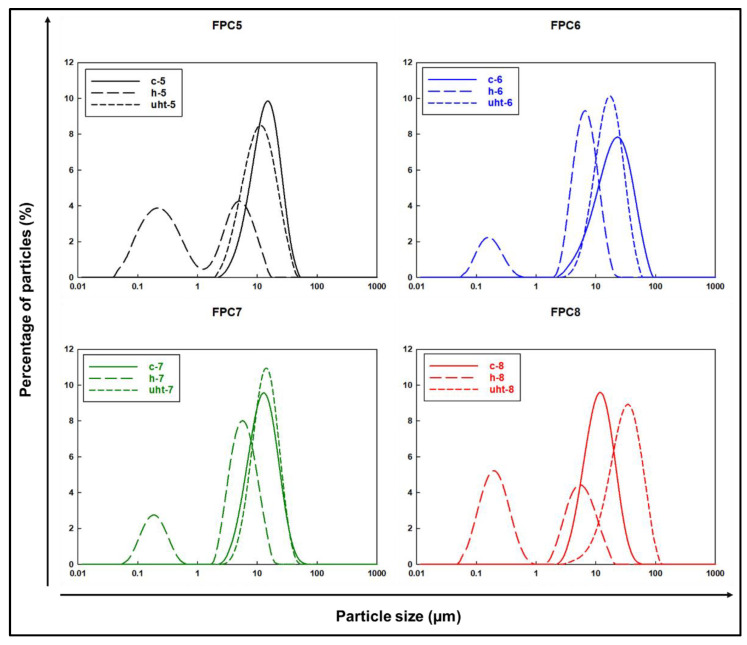
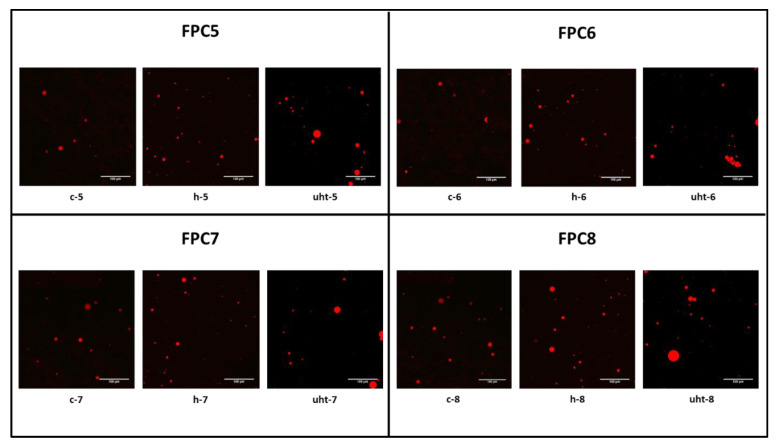
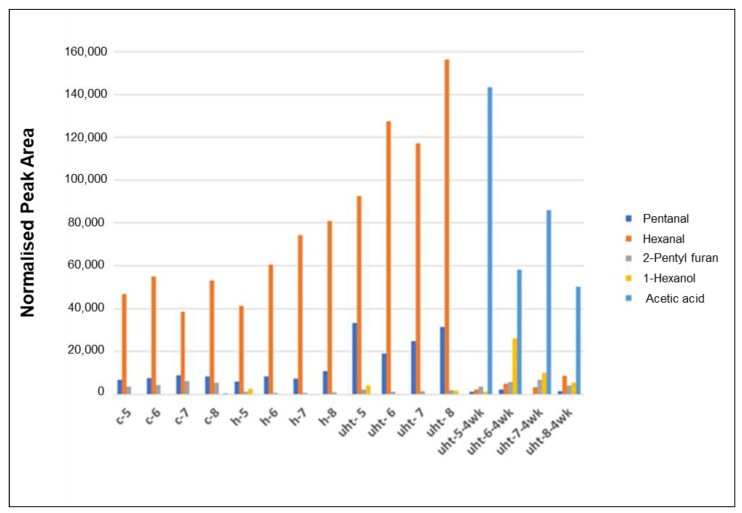
The objective of this research was to develop a model faba bean drink with a high concentration of protein (>4% ). The protein molecular weights and frequency for both faba and soy were assessed using SDS-PAGE. Results showed similarities in the protein molecular weight of both faba and soy (mainly 11S globulin ~Glycinin and 7S globulin ~β-conglycinin). Thus, faba can be considered as a potential soy replica in plant-based milk beverages. Oil-in-water emulsions (5-8% available protein) were prepared using faba bean protein concentrate (FPC), 1% sunflower oil, and 0.2% sunflower lecithin. These emulsions were used as model beverages and were further investigated for UHT processibility, stability, and physicochemical properties. The physicochemical properties of emulsions at various processing stages viz., coarse emulsification, homogenisation, and UHT, were measured. An increase in the protein concentration and thermal treatment resulted in an increased oil droplet size, coalescence and flocculation, and protein aggregation. Lower protein concentrations viz., 5-6%, showed greater negative ζ-potential, and thereby, high dispersibility through enhanced electrostatic repulsions than those of higher concentrations (7-8%). Furthermore, an increase in protein concentration and UHT treatment resulted in an increased creaming index. In total, 21 different volatile compounds were detected and quantified, representing different chemical classes, namely alcohols, aldehydes, ketones, esters, furan, and acids. These volatiles have major consequences for the overall flavour chemistry of the model beverage product. Overall, this study showed the potential for application of faba bean as a protein source in UHT-treated legume-based beverages and identified areas for further development.
本研究的目的是开发一种蛋白质浓度高(>4%)的蚕豆饮料模型。使用十二烷基硫酸钠-聚丙烯酰胺凝胶电泳(SDS-PAGE)评估了蚕豆和大豆的蛋白质分子量及频率。结果表明,蚕豆和大豆的蛋白质分子量相似(主要是11S球蛋白大豆球蛋白和7S球蛋白β-伴大豆球蛋白)。因此,蚕豆可被视为植物基牛奶饮料中大豆的潜在替代品。使用蚕豆浓缩蛋白(FPC)、1%的向日葵油和0.2%的向日葵卵磷脂制备了水包油乳液(有效蛋白质含量为5-8%)。这些乳液被用作模型饮料,并进一步研究其超高温瞬时灭菌(UHT)加工性能、稳定性和物理化学性质。测定了乳液在不同加工阶段(即粗乳化、均质和UHT)的物理化学性质。蛋白质浓度的增加和热处理导致油滴尺寸增大、聚结和絮凝以及蛋白质聚集。较低的蛋白质浓度(即5-6%)显示出更大的负ζ电位,因此,通过增强静电排斥作用,其分散性高于较高浓度(7-8%)的乳液。此外,蛋白质浓度的增加和UHT处理导致乳析指数增加。总共检测并定量了21种不同的挥发性化合物,它们代表不同的化学类别,即醇类、醛类、酮类、酯类、呋喃类和酸类。这些挥发性化合物对模型饮料产品的整体风味化学有重要影响。总体而言,本研究表明蚕豆作为蛋白质来源在超高温瞬时灭菌处理的豆类饮料中的应用潜力,并确定了进一步开发的领域。