Advanced Pharmacognosy Research Laboratory, Department of Pharmaceutical Technology, Jadavpur University, Kolkata 700032, India.
National Institute of Technology, Warangal 506004, Telangana, India.
Cells. 2021 May 28;10(6):1340. doi: 10.3390/cells10061340.
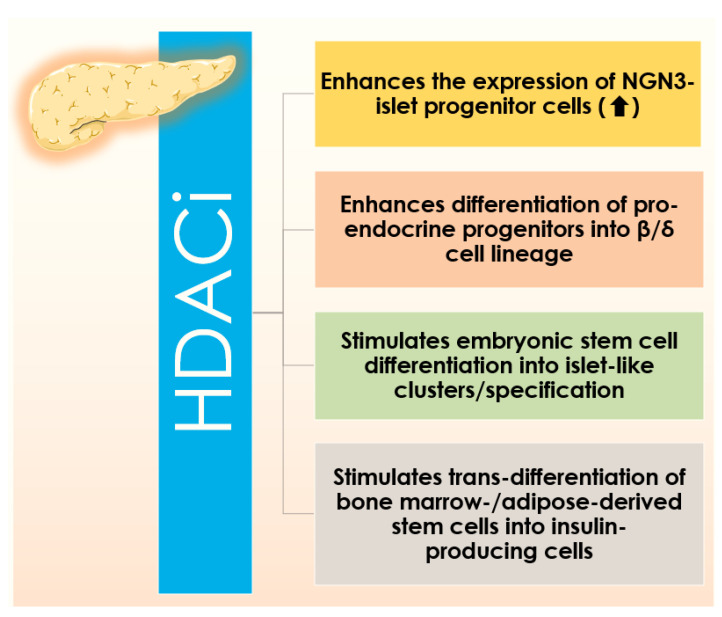
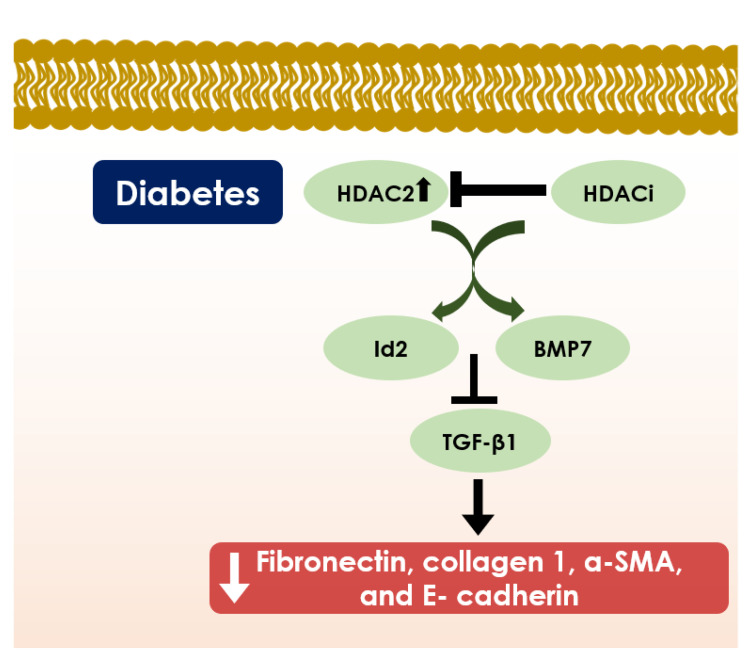
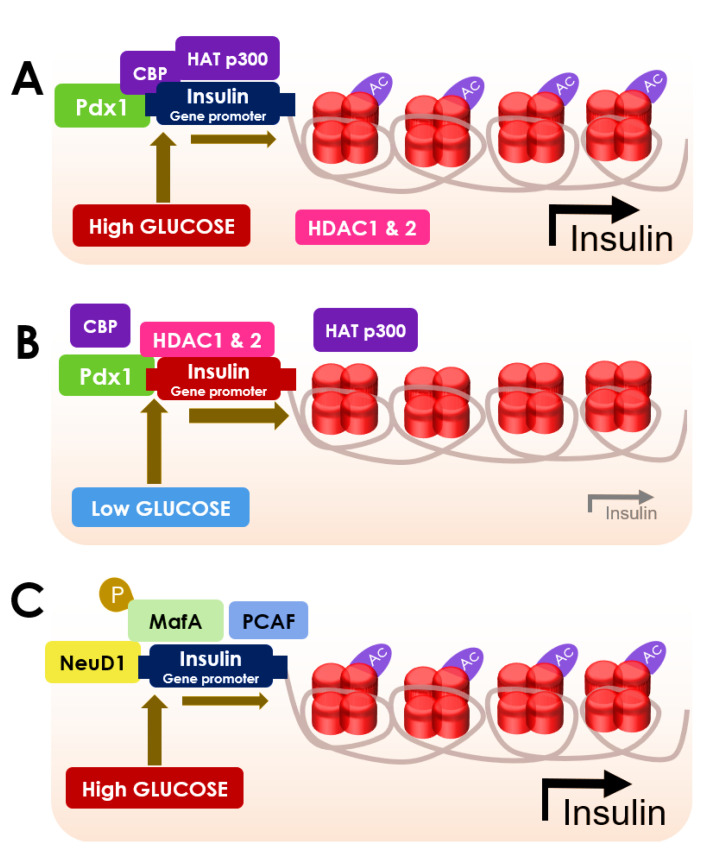
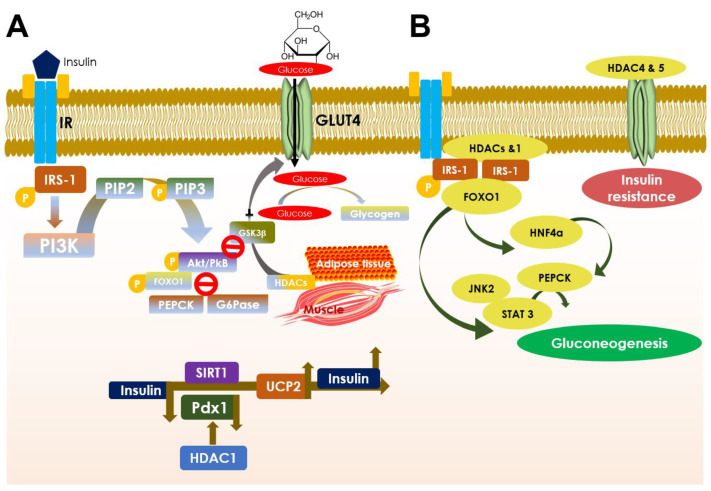
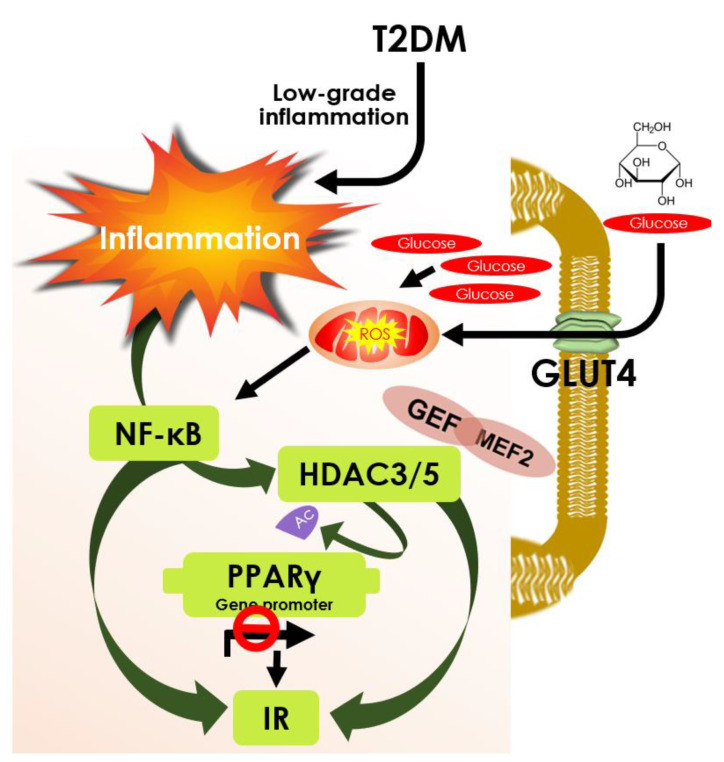
Diabetes mellitus (DM) is one of the principal manifestations of metabolic syndrome and its prevalence with modern lifestyle is increasing incessantly. Chronic hyperglycemia can induce several vascular complications that were referred to be the major cause of morbidity and mortality in DM. Although several therapeutic targets have been identified and accessed clinically, the imminent risk of DM and its prevalence are still ascending. Substantial pieces of evidence revealed that histone deacetylase (HDAC) isoforms can regulate various molecular activities in DM via epigenetic and post-translational regulation of several transcription factors. To date, 18 HDAC isoforms have been identified in mammals that were categorized into four different classes. Classes I, II, and IV are regarded as classical HDACs, which operate through a Zn-based mechanism. In contrast, class III HDACs or Sirtuins depend on nicotinamide adenine dinucleotide (NAD) for their molecular activity. Functionally, most of the HDAC isoforms can regulate β cell fate, insulin release, insulin expression and signaling, and glucose metabolism. Moreover, the roles of HDAC members have been implicated in the regulation of oxidative stress, inflammation, apoptosis, fibrosis, and other pathological events, which substantially contribute to diabetes-related vascular dysfunctions. Therefore, HDACs could serve as the potential therapeutic target in DM towards developing novel intervention strategies. This review sheds light on the emerging role of HDACs/isoforms in diabetic pathophysiology and emphasized the scope of their targeting in DM for constituting novel interventional strategies for metabolic disorders/complications.
糖尿病(DM)是代谢综合征的主要表现之一,其发病率随着现代生活方式的不断增加而持续上升。慢性高血糖可诱导多种血管并发症,这些并发症被认为是 DM 发病率和死亡率的主要原因。尽管已经确定了几个治疗靶点并在临床上进行了评估,但 DM 的迫切风险及其发病率仍在上升。大量证据表明,组蛋白去乙酰化酶(HDAC)同工酶可以通过几种转录因子的表观遗传和翻译后调控来调节 DM 中的各种分子活性。迄今为止,哺乳动物中已经鉴定出 18 种 HDAC 同工酶,它们分为四类。I 类、II 类和 IV 类被认为是经典的 HDAC,它们通过基于 Zn 的机制发挥作用。相比之下,III 类 HDAC 或 Sirtuins 依赖烟酰胺腺嘌呤二核苷酸(NAD)发挥其分子活性。功能上,大多数 HDAC 同工酶可以调节β细胞命运、胰岛素释放、胰岛素表达和信号转导以及葡萄糖代谢。此外,HDAC 成员的作用已被牵连到调节氧化应激、炎症、细胞凋亡、纤维化和其他病理事件,这些都对糖尿病相关的血管功能障碍有重要贡献。因此,HDAC 可以作为 DM 治疗的潜在靶点,以开发新的干预策略。本综述阐明了 HDAC/同工酶在糖尿病病理生理学中的新作用,并强调了它们在 DM 中的靶向作用范围,以构成代谢紊乱/并发症的新干预策略。