Perrier Stéphane, Moreau Eléonore, Deshayes Caroline, El-Adouzi Marine, Goven Delphine, Chandre Fabrice, Lapied Bruno
Univ Angers, INRAE, SIFCIR, SFR QUASAV, Angers, France.
MIVEGEC, UMR IRD 224-CNRS 5290-Université de Montpellier, 911 avenue Agropolis, Montpellier, Cedex 05, France.
Commun Biol. 2021 Jun 2;4(1):665. doi: 10.1038/s42003-021-02192-0.
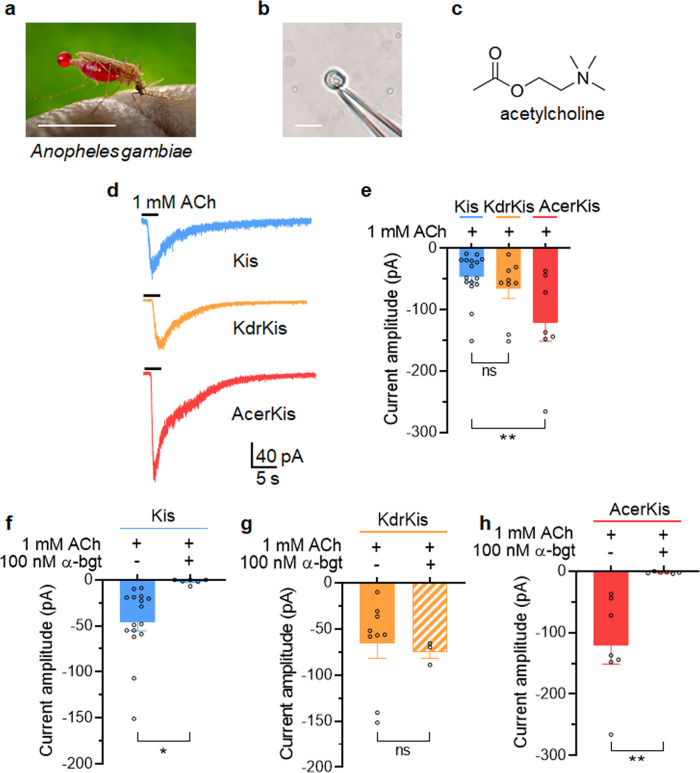
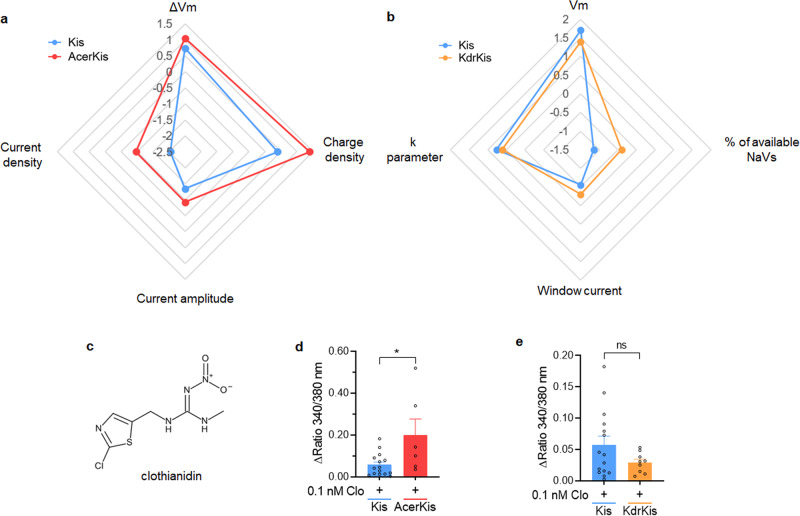
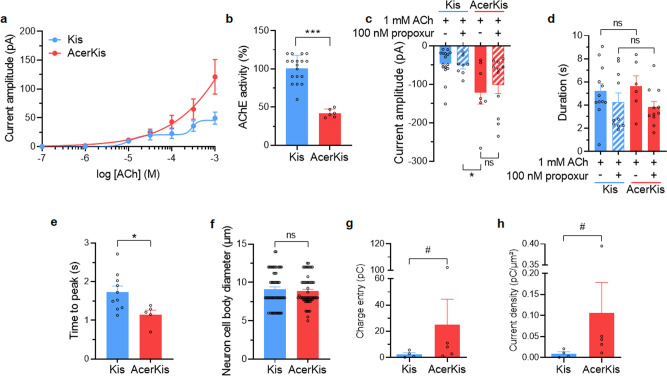
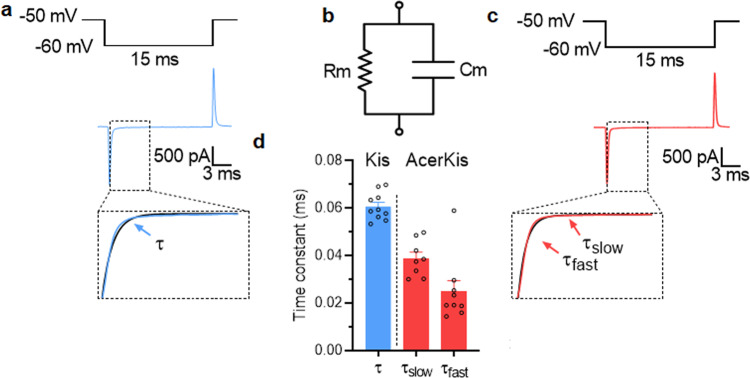
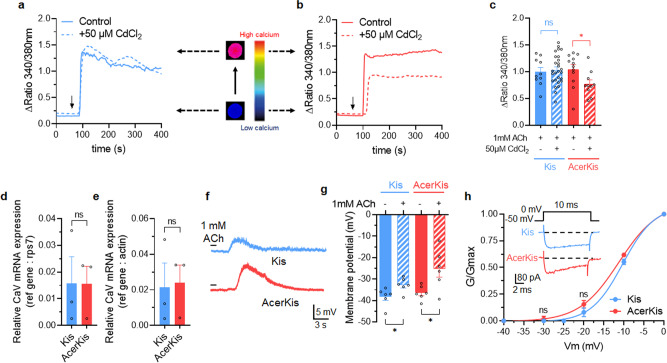
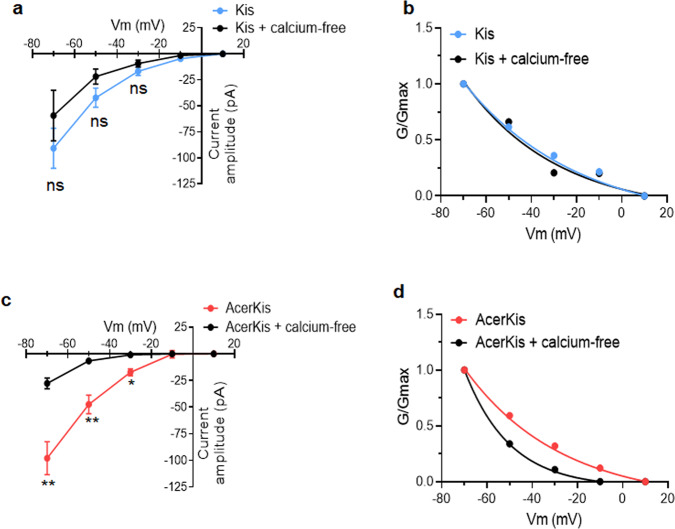
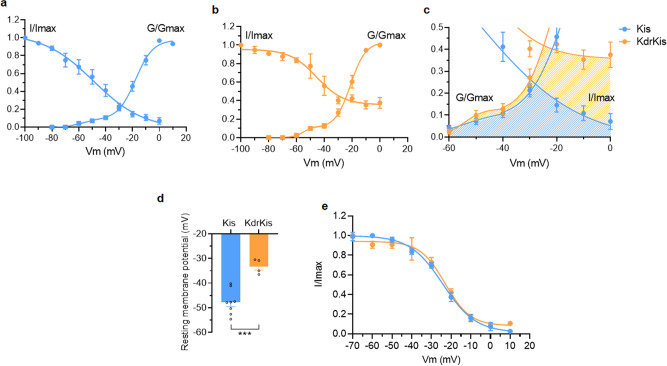
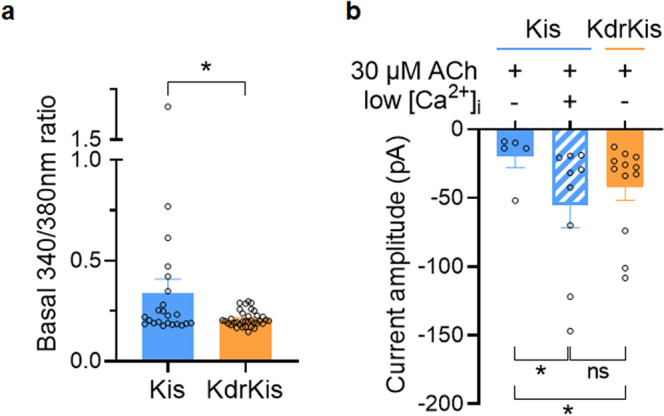
In the malaria vector Anopheles gambiae, two point mutations in the acetylcholinesterase (ace-1) and the sodium channel (kdr) genes confer resistance to organophosphate/carbamate and pyrethroid insecticides, respectively. The mechanisms of compensation that recover the functional alterations associated with these mutations and their role in the modulation of insecticide efficacy are unknown. Using multidisciplinary approaches adapted to neurons isolated from resistant Anopheles gambiae AcerKis and KdrKis strains together with larval bioassays, we demonstrate that nAChRs, and the intracellular calcium concentration represent the key components of an adaptation strategy ensuring neuronal functions maintenance. In AcerKis neurons, the increased effect of acetylcholine related to the reduced acetylcholinesterase activity is compensated by expressing higher density of nAChRs permeable to calcium. In KdrKis neurons, changes in the biophysical properties of the L1014F mutant sodium channel, leading to enhance overlap between activation and inactivation relationships, diminish the resting membrane potential and reduce the fraction of calcium channels available involved in acetylcholine release. Together with the lower intracellular basal calcium concentration observed, these factors increase nAChRs sensitivity to maintain the effect of low concentration of acetylcholine. These results explain the opposite effects of the insecticide clothianidin observed in AcerKis and KdrKis neurons in vitro and in vivo.
在疟疾媒介冈比亚按蚊中,乙酰胆碱酯酶(ace-1)基因和钠通道(kdr)基因中的两个点突变分别赋予了对有机磷/氨基甲酸酯类杀虫剂和拟除虫菊酯类杀虫剂的抗性。恢复与这些突变相关的功能改变的补偿机制及其在调节杀虫剂效力中的作用尚不清楚。通过采用适用于从抗性冈比亚按蚊AcerKis和KdrKis品系分离的神经元的多学科方法,并结合幼虫生物测定,我们证明烟碱型乙酰胆碱受体(nAChRs)和细胞内钙浓度是确保神经元功能维持的适应策略的关键组成部分。在AcerKis神经元中,与乙酰胆碱酯酶活性降低相关的乙酰胆碱作用增强通过表达更高密度的对钙通透的nAChRs来补偿。在KdrKis神经元中,L1014F突变型钠通道生物物理特性的变化导致激活与失活关系之间的重叠增加,使静息膜电位降低,并减少参与乙酰胆碱释放的可用钙通道比例。连同观察到的较低细胞内基础钙浓度,这些因素增加了nAChRs的敏感性,以维持低浓度乙酰胆碱的作用。这些结果解释了在体外和体内AcerKis和KdrKis神经元中观察到的杀虫剂噻虫胺的相反作用。