Center for Public Health Law Research, Beasley School of Law, Temple University, Philadelphia, Pennsylvania, USA
Center for Public Health Law Research, Beasley School of Law, Temple University, Philadelphia, Pennsylvania, USA.
BMJ Glob Health. 2021 Jun;6(6). doi: 10.1136/bmjgh-2021-005120.
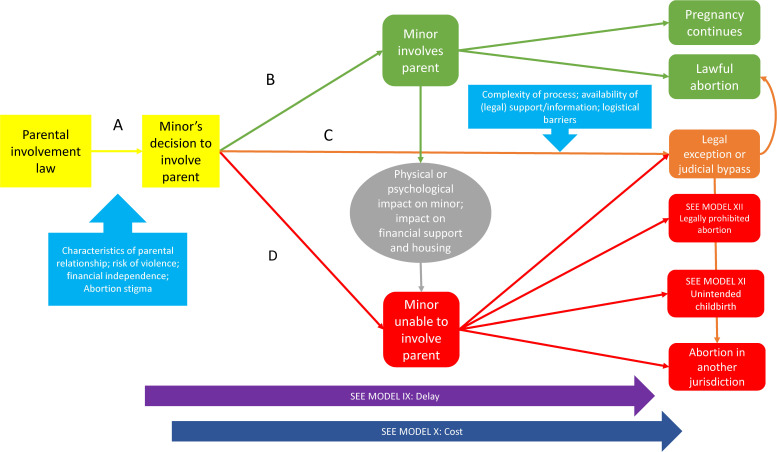
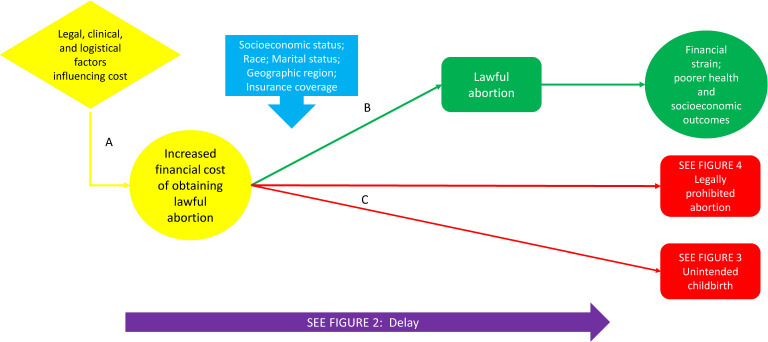
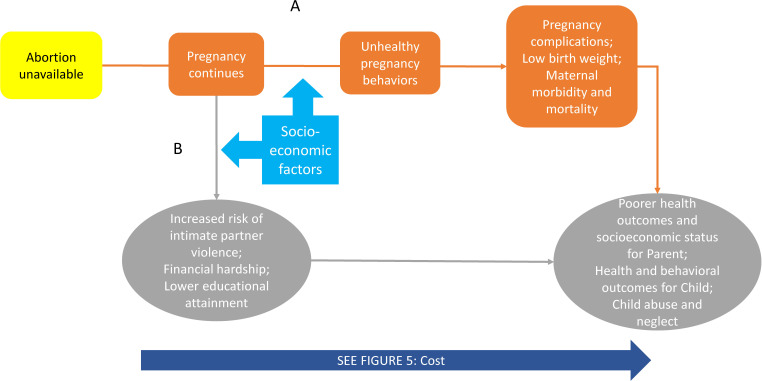
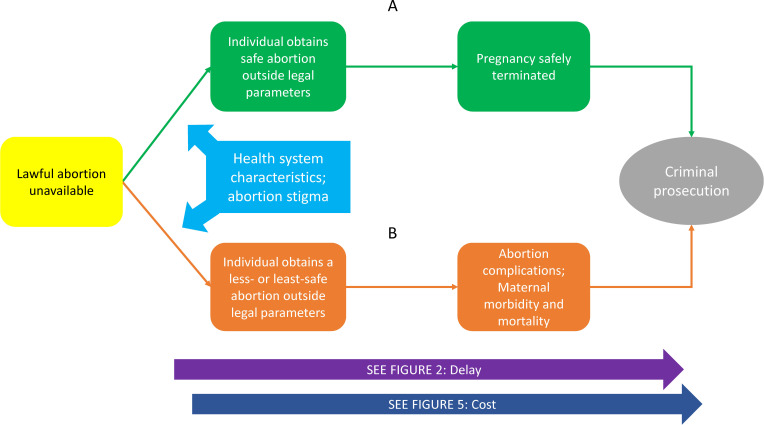
Reproductive rights have been the focus of United Nations consensus documents, a priority for agencies like the WHO, and the subject of judgments issued by national and international courts. Human rights approaches have galvanised abortion law reform across numerous countries, but human rights analysis is not designed to empirically assess how legal provisions regulating abortion shape the actual delivery of abortion services and outcomes. Reliable empirical measurement of the health and social effects of abortion regulation is vital input for policymakers and public health guidance for abortion policy and practice, but research focused explicitly on assessing the health effects of abortion law and policy is limited at the global level. This paper describes a method for Identifying Data for the Empirical Assessment of Law (IDEAL), to assess potential health effects of abortion regulations. The approach was applied to six critical legal interventions: mandatory waiting periods, third-party authorisation, gestational limits, criminalisation, provider restrictions and conscientious objection. The IDEAL process allowed researchers to link legal interventions and processes that have not been investigated fully in empirical research to processes and outcomes that have been more thoroughly studied. To the extent these links are both transparent and plausible, using IDEAL to make them explicit allows both researchers and policy stakeholders to make better informed assessments and guidance related to abortion law. The IDEAL method also identifies gaps in scientific research. Given the importance of law to public health generally, the utility of IDEAL is not limited to abortion law.
生殖权利一直是联合国共识文件的焦点,是世界卫生组织等机构的优先事项,也是国家和国际法院判决的主题。人权方法推动了许多国家的堕胎法改革,但人权分析并不是为了实证评估规范堕胎的法律规定如何塑造堕胎服务和结果的实际提供。可靠的实证衡量堕胎法规对健康和社会的影响,对于政策制定者和堕胎政策和实践的公共卫生指导至关重要,但专门评估堕胎法和政策健康影响的研究在全球范围内是有限的。本文描述了一种用于实证评估法律的识别数据方法(IDEAL),以评估堕胎法规的潜在健康影响。该方法应用于六项关键法律干预措施:强制性等待期、第三方授权、妊娠限制、刑事定罪、提供者限制和良心反对。IDEAL 流程使研究人员能够将在实证研究中未充分调查的法律干预和程序与经过更深入研究的程序和结果联系起来。在这些联系既透明又合理的情况下,使用 IDEAL 来明确这些联系可以使研究人员和政策利益相关者能够更好地评估与堕胎法相关的信息和指导。IDEAL 方法还确定了科学研究中的差距。鉴于法律对一般公共卫生的重要性,IDEAL 的实用性不仅限于堕胎法。