Division of Pharmacoepidemiology and Clinical Pharmacology, Utrecht Institute for Pharmaceutical Sciences (UIPS), Faculty of Science, Utrecht University, Utrecht, The Netherlands.
Department of Pharmacotherapy, Pharmacoepidemiology and Pharmacoeconomics (PTEE), Faculty of Science and Engineering, Groningen Research Institute of Pharmacy, University of Groningen, Groningen, The Netherlands.
Health Soc Care Community. 2022 Jul;30(4):1450-1461. doi: 10.1111/hsc.13475. Epub 2021 Jun 16.
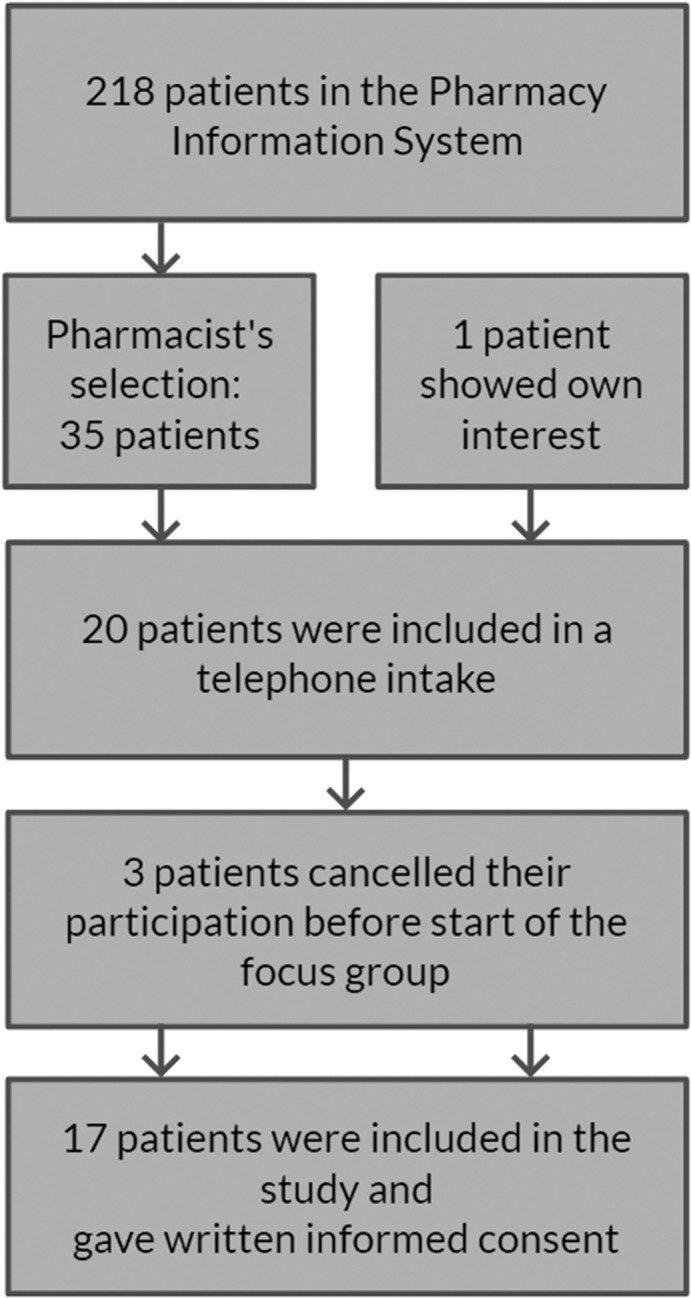
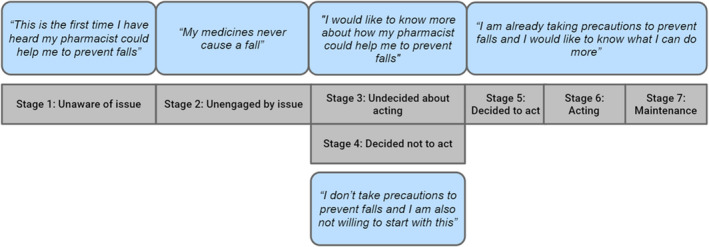
Medication use is an important risk factor for falls. Community pharmacists should therefore organise fall prevention care; however, little is known about patients' expectations of such services. This qualitative study aims to explore the expectations of community-dwelling older patients regarding fall prevention services provided by community pharmacies. Telephone intakes, followed by three focus groups, were conducted with 17 patients, who were aged ≥75 years, used at least one fall risk-increasing drug (FRID) and were registered at a community pharmacy in Amsterdam, the Netherlands. Some time of the focus groups was spent on playing a game involving knowledge questions and activities to stimulate discussion of topics related to falling. Data were collected between January 2020 and April 2020, and all focus groups were audiotaped and transcribed verbatim. The precaution adoption process model (PAPM) was applied during data analysis. Patients who had already experienced a fall more often mentioned that they took precautions to prevent falling. In general, patients were unaware that their medication use could increase their fall risk. Therefore, they did not expect pharmacists to play a role in fall prevention. However, many patients were interested in deprescribing. Patients also wanted to be informed about which medication could increase fall risk. In conclusion, although patients initially did not see a role for pharmacists in fall prevention, their perception changed when they were informed about the potential fall risk-increasing effects of some medications. Patients expected pharmacists to focus on drug-related interventions to reduce fall risk, such as deprescribing.
用药是跌倒的一个重要危险因素。因此,社区药剂师应该组织预防跌倒的护理;然而,对于患者对这些服务的期望,我们知之甚少。本定性研究旨在探讨社区居住的老年患者对社区药店提供的预防跌倒服务的期望。通过电话访谈,对 17 名患者进行了三次焦点小组讨论,这些患者年龄均≥75 岁,使用至少一种增加跌倒风险的药物(FRID),并在荷兰阿姆斯特丹的一家社区药店注册。部分焦点小组的时间用于玩一个涉及知识问题和活动的游戏,以激发与跌倒相关话题的讨论。数据收集于 2020 年 1 月至 2020 年 4 月之间,所有焦点小组都进行了录音,并逐字转录。在数据分析过程中应用了预防措施采用过程模型(PAPM)。已经经历过跌倒的患者更经常提到他们采取了预防措施来防止跌倒。一般来说,患者不知道他们的用药会增加他们的跌倒风险。因此,他们并不期望药剂师在预防跌倒方面发挥作用。然而,许多患者对减药感兴趣。患者还希望了解哪些药物会增加跌倒风险。总之,尽管患者最初认为药剂师在预防跌倒方面没有作用,但当他们被告知某些药物可能增加跌倒风险时,他们的看法发生了变化。患者希望药剂师专注于与药物相关的干预措施,以降低跌倒风险,如减药。