Zhou Mengyuan, Lin Yaqian, Xia Huayao, Wei Xiangru, Yao Yan, Wang Xiaoning, Wu Zhangxiong
Particle Engineering Laboratory (CPCIA) and Suzhou Key Laboratory of Green Chemical Engineering, School of Chemical and Environmental Engineering, College of Chemistry, Chemical Engineering and Materials Science, Soochow University, Suzhou, 2151213, Jiangsu, People's Republic of China.
Nanomicro Lett. 2020 Feb 18;12(1):58. doi: 10.1007/s40820-020-0389-3.
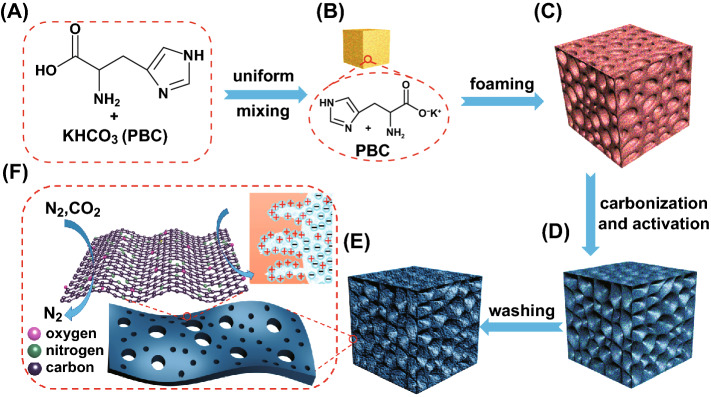
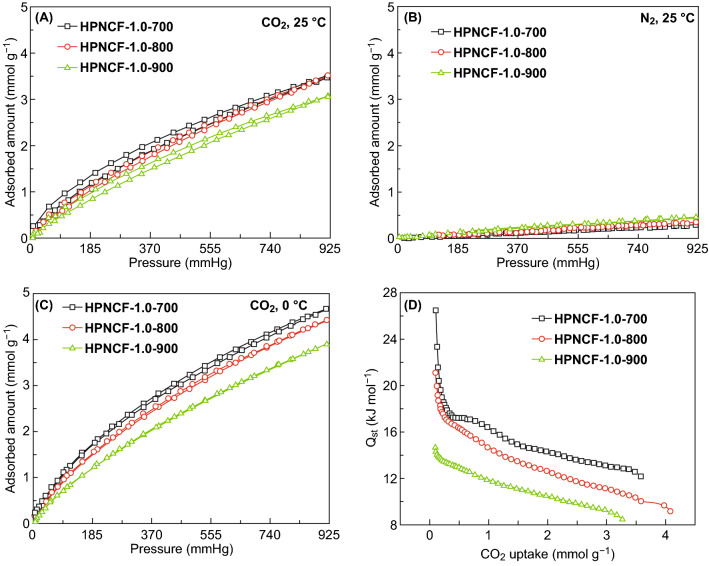
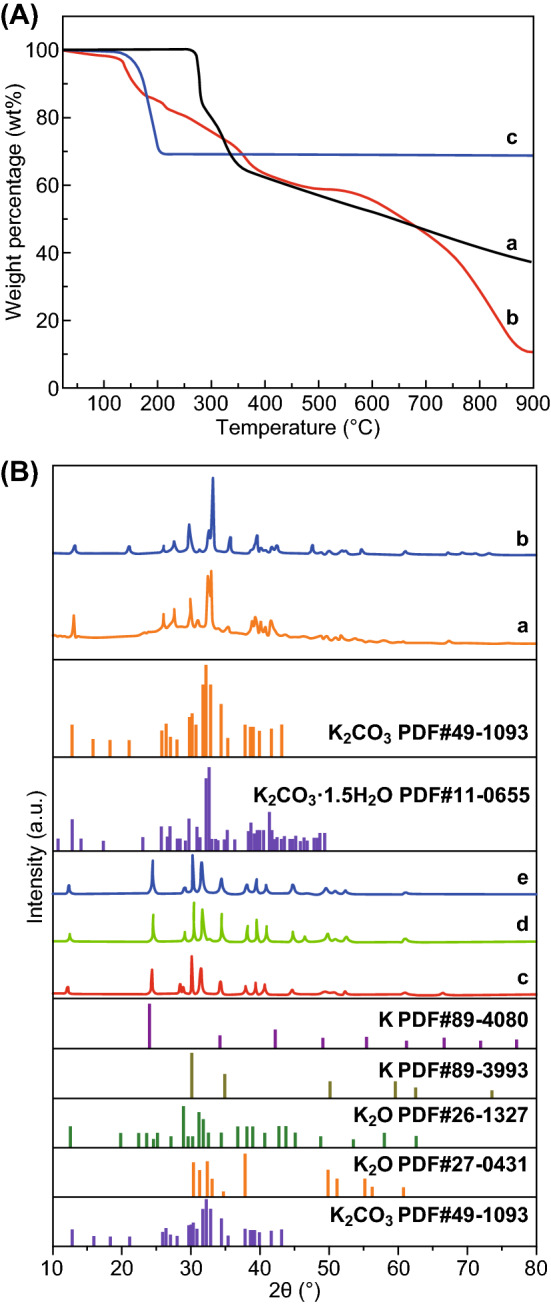
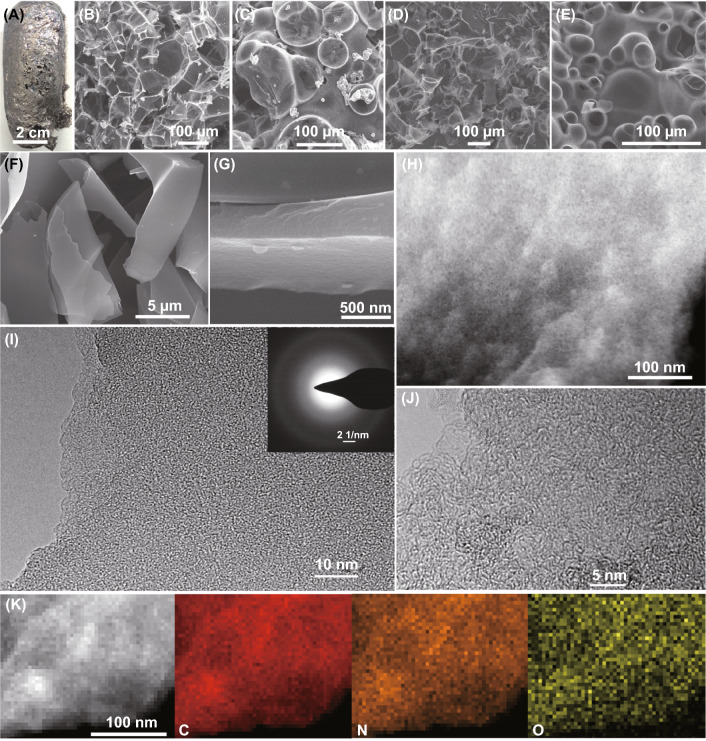
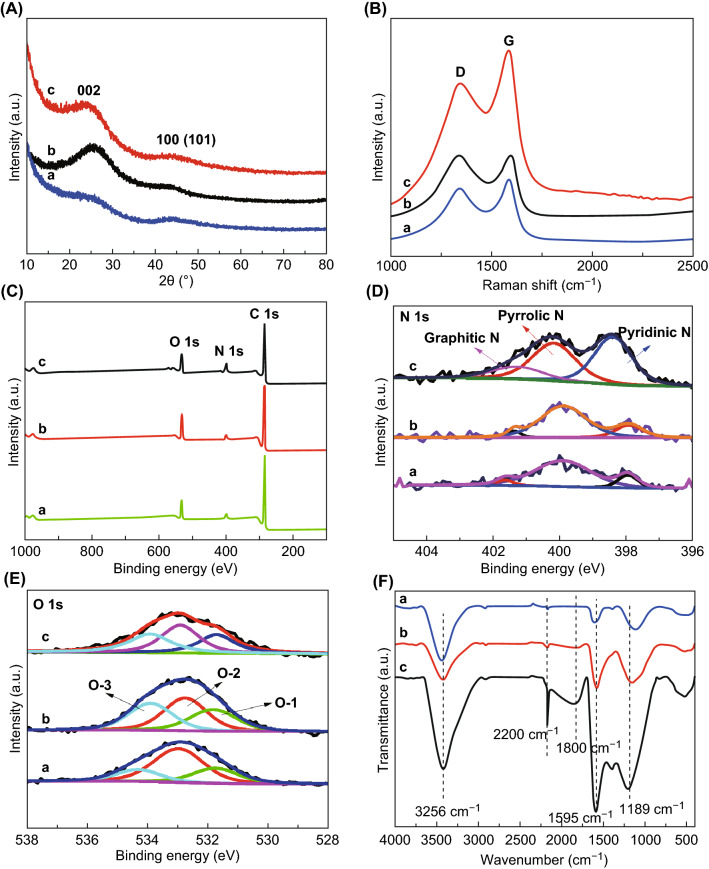
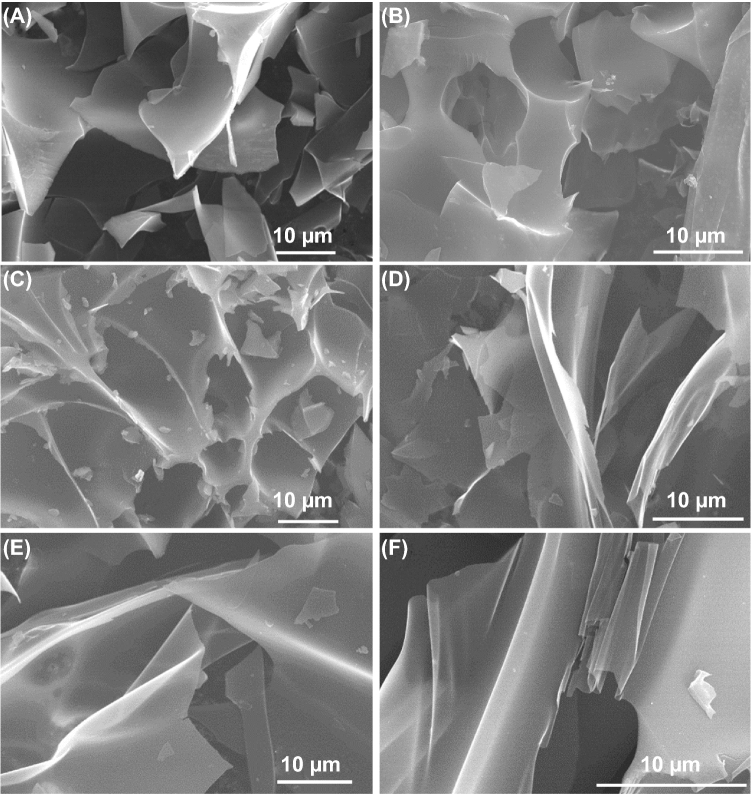
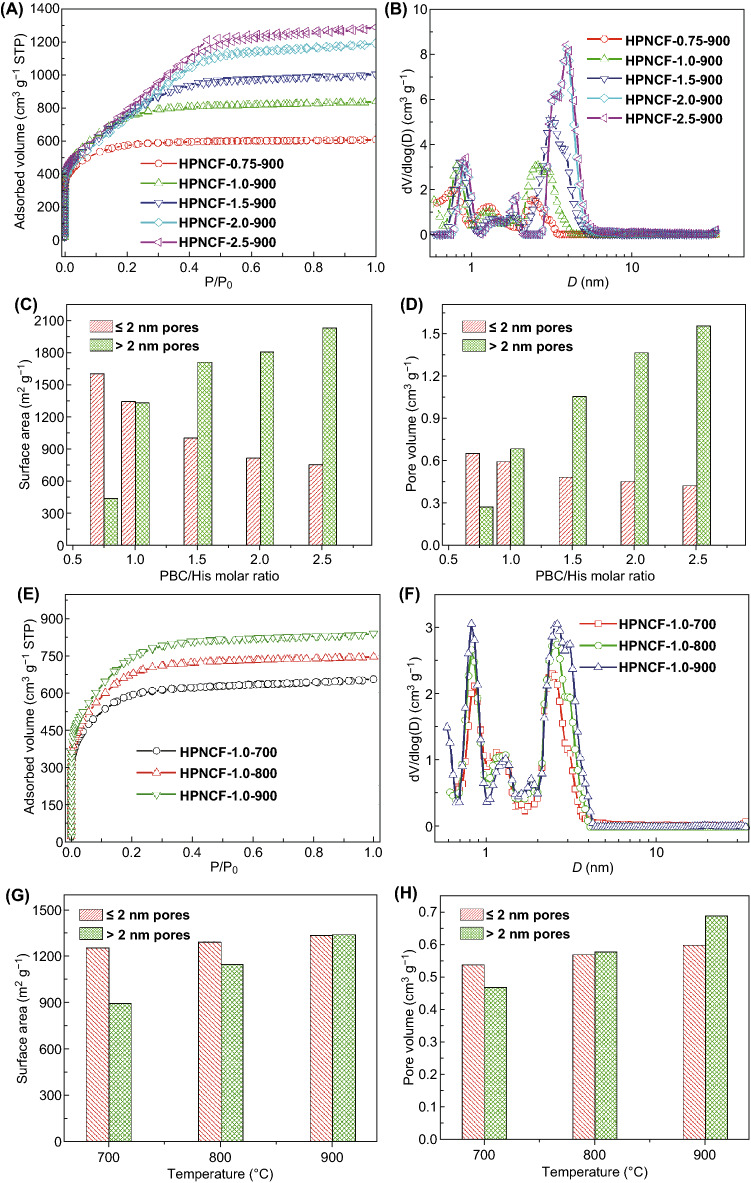
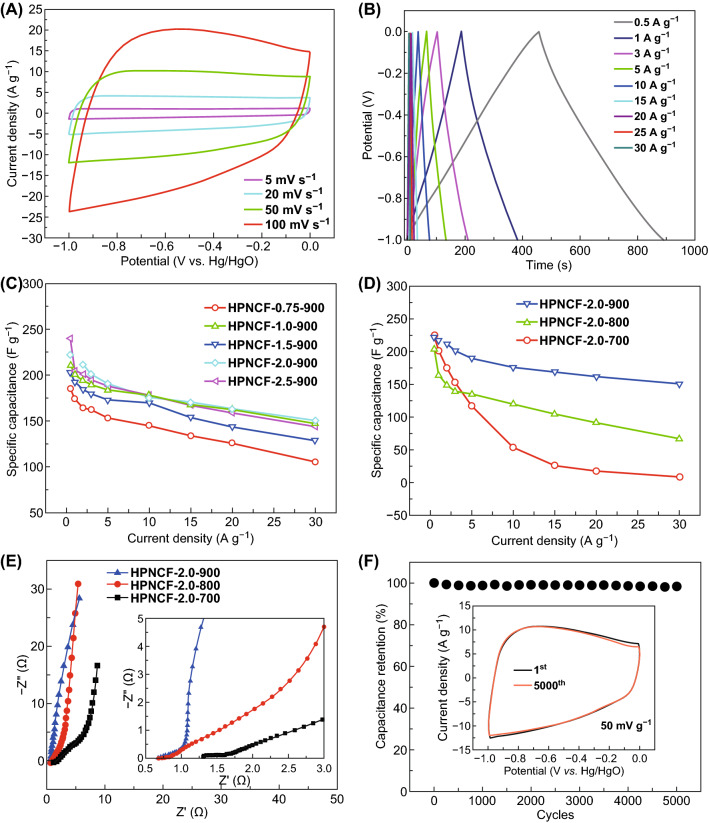
Hierarchically porous carbon materials are promising for energy storage, separation and catalysis. It is desirable but fairly challenging to simultaneously create ultrahigh surface areas, large pore volumes and high N contents in these materials. Herein, we demonstrate a facile acid-base enabled in situ molecular foaming and activation strategy for the synthesis of hierarchically macro-/meso-/microporous N-doped carbon foams (HPNCFs). The key design for the synthesis is the selection of histidine (His) and potassium bicarbonate (PBC) to allow the formation of 3D foam structures by in situ foaming, the PBC/His acid-base reaction to enable a molecular mixing and subsequent a uniform chemical activation, and the stable imidazole moiety in His to sustain high N contents after carbonization. The formation mechanism of the HPNCFs is studied in detail. The prepared HPNCFs possess 3D macroporous frameworks with thin well-graphitized carbon walls, ultrahigh surface areas (up to 3200 m g), large pore volumes (up to 2.0 cm g), high micropore volumes (up to 0.67 cm g), narrowly distributed micropores and mesopores and high N contents (up to 14.6 wt%) with pyrrolic N as the predominant N site. The HPNCFs are promising for supercapacitors with high specific capacitances (185-240 F g), good rate capability and excellent stability. They are also excellent for CO capture with a high adsorption capacity (~ 4.13 mmol g), a large isosteric heat of adsorption (26.5 kJ mol) and an excellent CO/N selectivity (~ 24).
分级多孔碳材料在能量存储、分离和催化领域具有广阔前景。在这些材料中同时创造超高表面积、大孔容和高氮含量是理想的,但颇具挑战性。在此,我们展示了一种简便的酸碱原位分子发泡和活化策略,用于合成分级宏观/介观/微孔氮掺杂碳泡沫(HPNCFs)。该合成的关键设计在于选择组氨酸(His)和碳酸氢钾(PBC),通过原位发泡形成三维泡沫结构,利用PBC/His酸碱反应实现分子混合及随后的均匀化学活化,以及His中稳定的咪唑部分在碳化后维持高氮含量。详细研究了HPNCFs的形成机理。制备的HPNCFs具有三维大孔框架,其碳壁薄且石墨化良好,具有超高表面积(高达3200 m²/g)、大孔容(高达2.0 cm³/g)、高微孔容(高达0.67 cm³/g)、微孔和介孔分布窄以及高氮含量(高达14.6 wt%),以吡咯氮作为主要氮位点。HPNCFs有望用于具有高比电容(185 - 240 F/g)、良好倍率性能和优异稳定性的超级电容器。它们在CO捕获方面也表现出色,具有高吸附容量(约4.13 mmol/g)、大吸附等量热(26.5 kJ/mol)和优异的CO/N选择性(约24)。