Aix Marseille Univ, CNRS, INSERM, CIML, Turing Centre for Living Systems, Marseille, France.
Institute of Molecular Biology, Mainz, Germany.
PLoS Genet. 2021 Jun 24;17(6):e1009600. doi: 10.1371/journal.pgen.1009600. eCollection 2021 Jun.
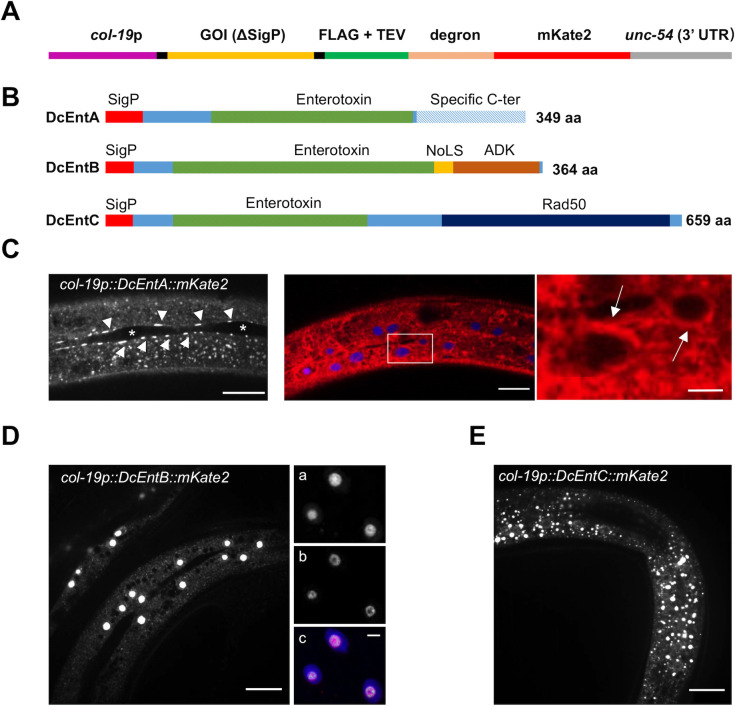
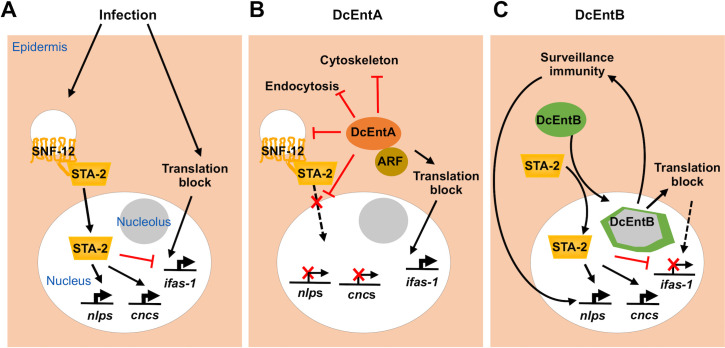
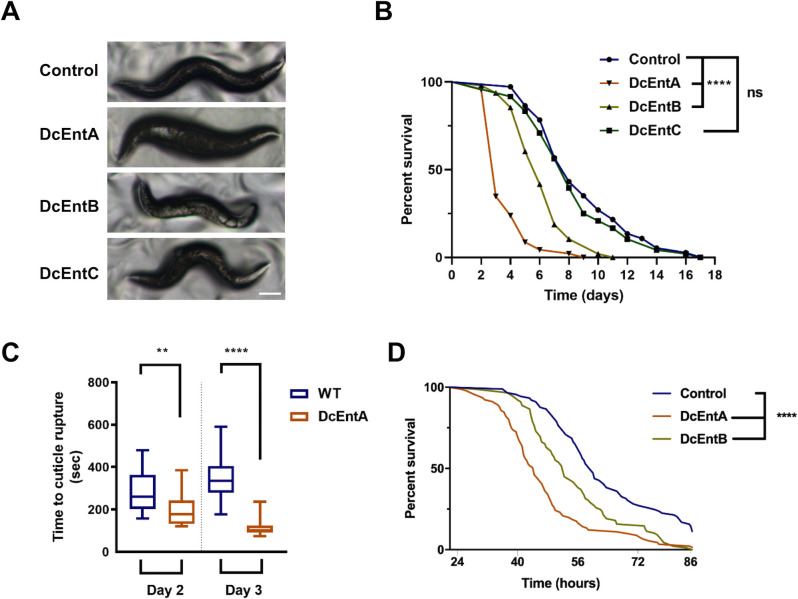
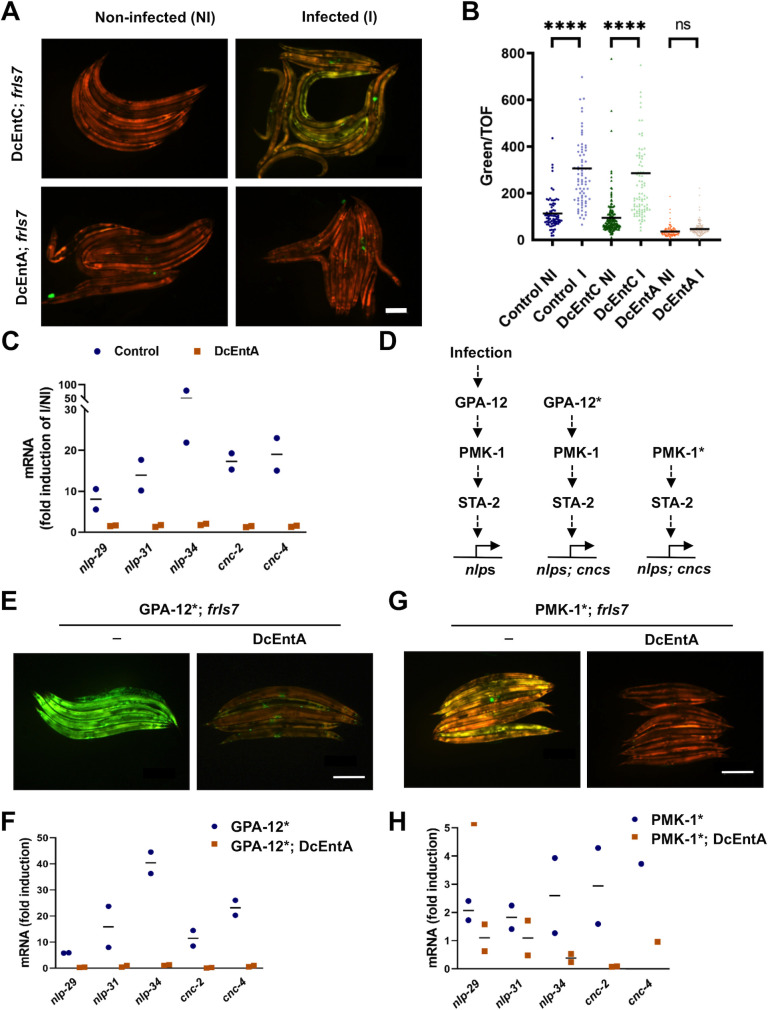
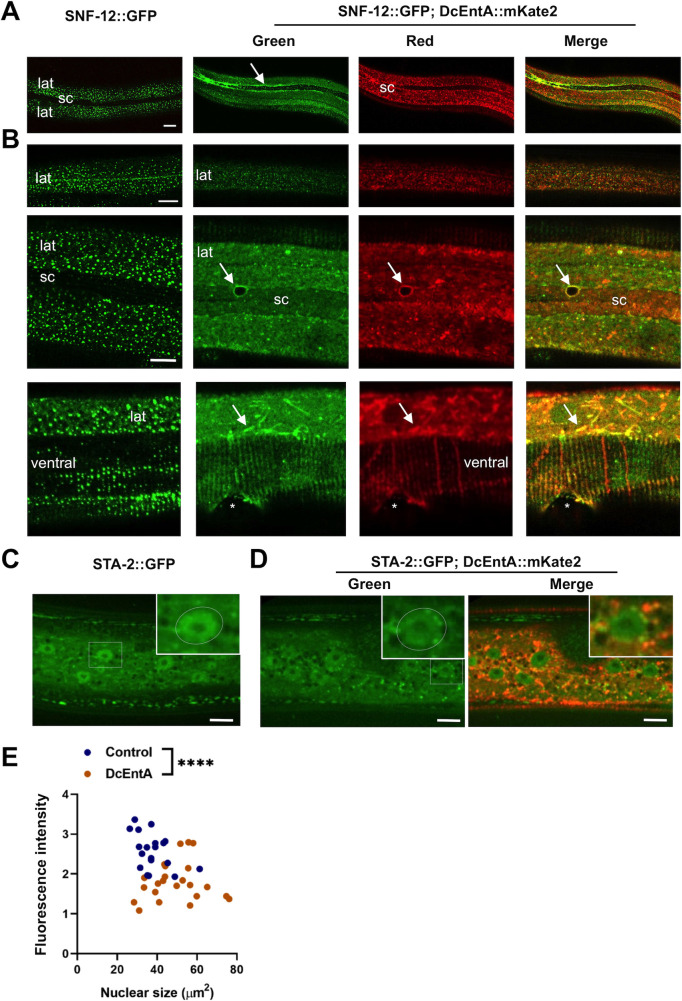
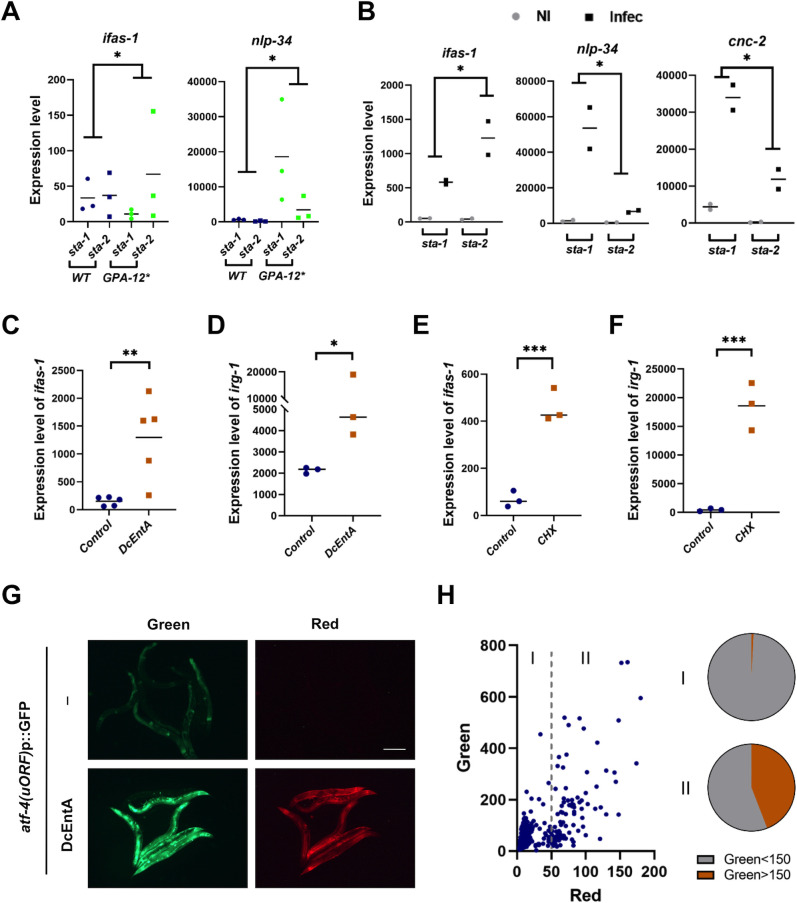
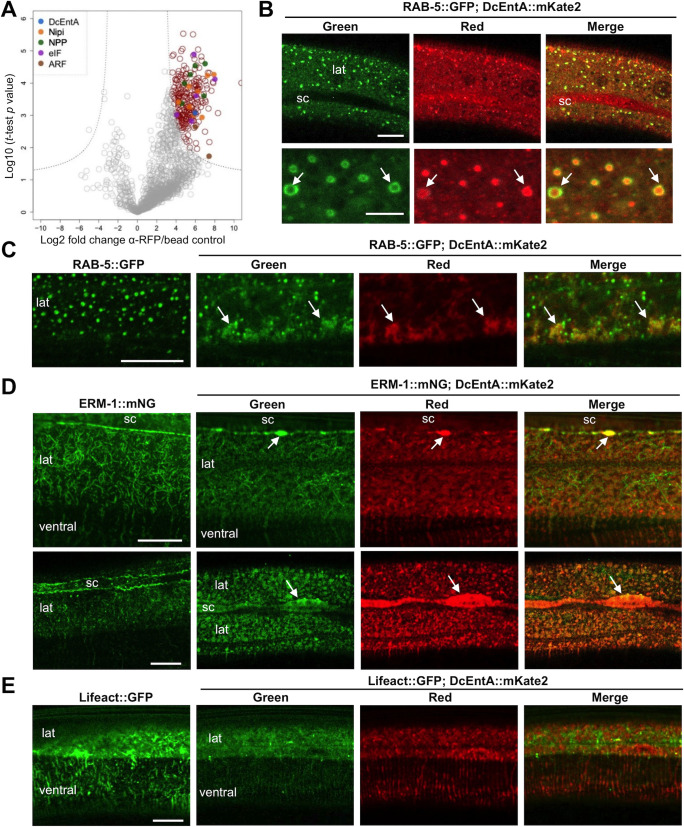
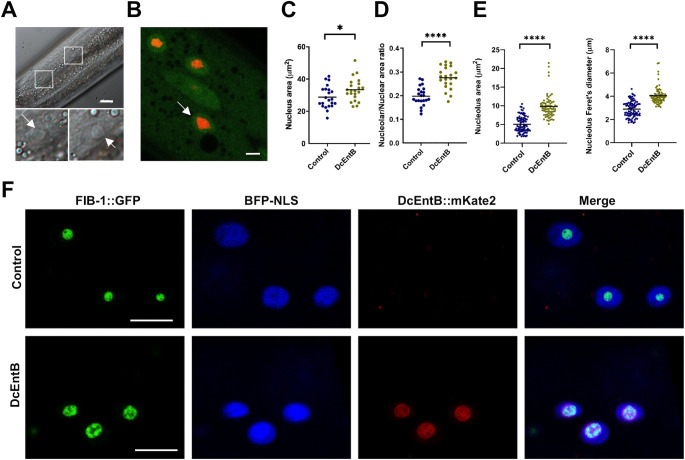
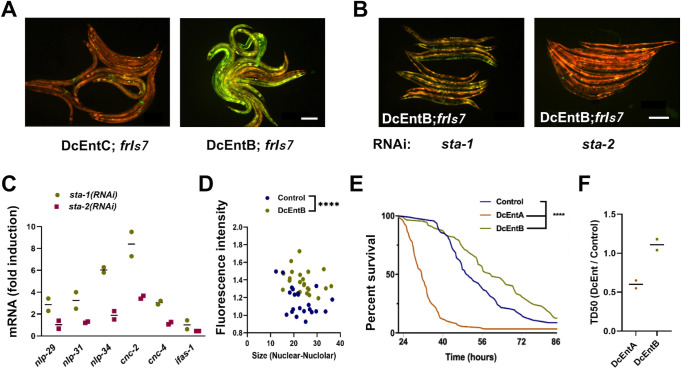
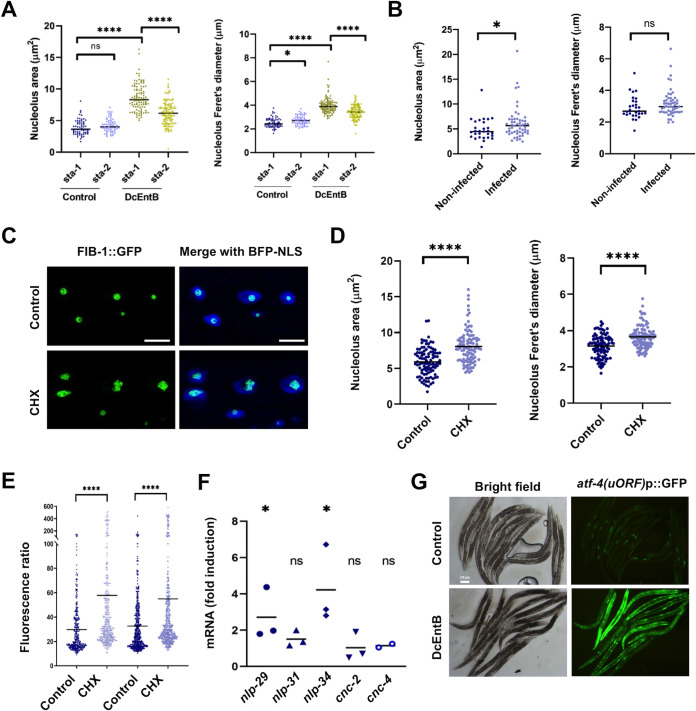
Animals and plants need to defend themselves from pathogen attack. Their defences drive innovation in virulence mechanisms, leading to never-ending cycles of co-evolution in both hosts and pathogens. A full understanding of host immunity therefore requires examination of pathogen virulence strategies. Here, we take advantage of the well-studied innate immune system of Caenorhabditis elegans to dissect the action of two virulence factors from its natural fungal pathogen Drechmeria coniospora. We show that these two enterotoxins have strikingly different effects when expressed individually in the nematode epidermis. One is able to interfere with diverse aspects of host cell biology, altering vesicle trafficking and preventing the key STAT-like transcription factor STA-2 from activating defensive antimicrobial peptide gene expression. The second increases STA-2 levels in the nucleus, modifies the nucleolus, and, potentially as a consequence of a host surveillance mechanism, causes increased defence gene expression. Our results highlight the remarkably complex and potentially antagonistic mechanisms that come into play in the interaction between co-evolved hosts and pathogens.
动植物需要防御病原体的攻击。它们的防御机制推动了毒力机制的创新,导致宿主和病原体之间不断进行协同进化。因此,要全面了解宿主的免疫反应,就需要研究病原体的毒力策略。在这里,我们利用秀丽隐杆线虫这一研究充分的先天免疫系统,剖析了其天然真菌病原体 Drechmeria coniospora 的两种毒力因子的作用。结果表明,这两种肠毒素在单独表达于线虫表皮时,具有显著不同的作用。其中一种能够干扰宿主细胞生物学的多个方面,改变囊泡运输,并阻止关键的 STAT 样转录因子 STA-2 激活防御性抗菌肽基因的表达。第二种则增加细胞核内的 STA-2 水平,修饰核仁,并可能由于宿主监视机制的作用,导致防御基因表达增加。我们的研究结果突显了在共同进化的宿主和病原体之间相互作用中所涉及的复杂且可能具有拮抗作用的机制。