• 文献检索
  • 文档翻译
  • 深度研究
  • 学术资讯
  • Suppr Zotero 插件Zotero 插件
  • 邀请有礼
  • 套餐&价格
  • 历史记录
应用&插件
Suppr Zotero 插件Zotero 插件浏览器插件Mac 客户端Windows 客户端微信小程序
定价
高级版会员购买积分包购买API积分包
服务
文献检索文档翻译深度研究API 文档MCP 服务
关于我们
关于 Suppr公司介绍联系我们用户协议隐私条款
关注我们

Suppr 超能文献

核心技术专利:CN118964589B侵权必究
粤ICP备2023148730 号-1Suppr @ 2026

文献检索

告别复杂PubMed语法,用中文像聊天一样搜索,搜遍4000万医学文献。AI智能推荐,让科研检索更轻松。

立即免费搜索

文件翻译

保留排版,准确专业,支持PDF/Word/PPT等文件格式,支持 12+语言互译。

免费翻译文档

深度研究

AI帮你快速写综述,25分钟生成高质量综述,智能提取关键信息,辅助科研写作。

立即免费体验

来自西澳大利亚半干旱地区的丰富的地下短距离特有阿尼甲族(鞘翅目,步甲科,地甲亚科)动物群。

A rich fauna of subterranean short-range endemic Anillini (Coleoptera, Carabidae, Trechinae) from semi-arid regions of Western Australia.

作者信息

Giachino Pier Mauro, Eberhard Stefan, Perina Giulia

机构信息

World Biodiversity Association onlus. Private: via della Trinità 13, I-10010 San Martino Canavese (TO), Italy World Biodiversity Association Torino Italy.

Subterranean Ecology Pty Ltd, 227 Coningham Road, Coningham, TAS 7054, Australia Subterranean Ecology Pty Ltd Coningham Australia.

出版信息

Zookeys. 2021 Jun 16;1044:269-337. doi: 10.3897/zookeys.1044.58844. eCollection 2021.

DOI:10.3897/zookeys.1044.58844
PMID:34183880
原文链接:https://pmc.ncbi.nlm.nih.gov/articles/PMC8222277/
Abstract

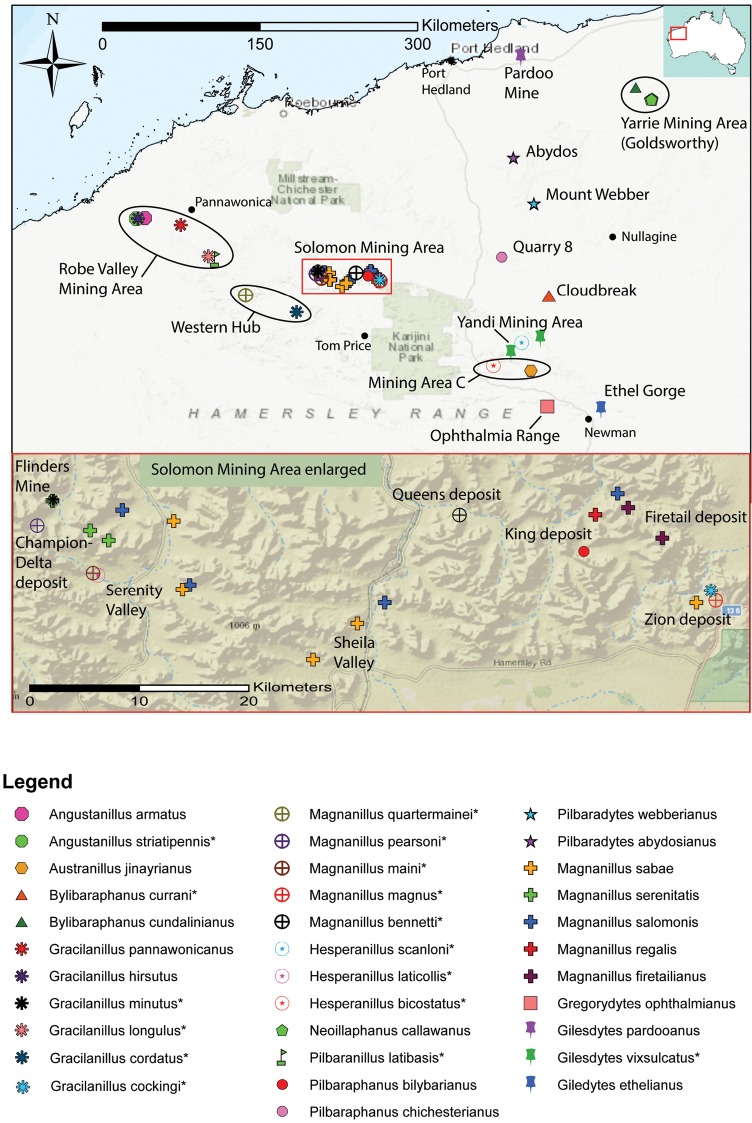
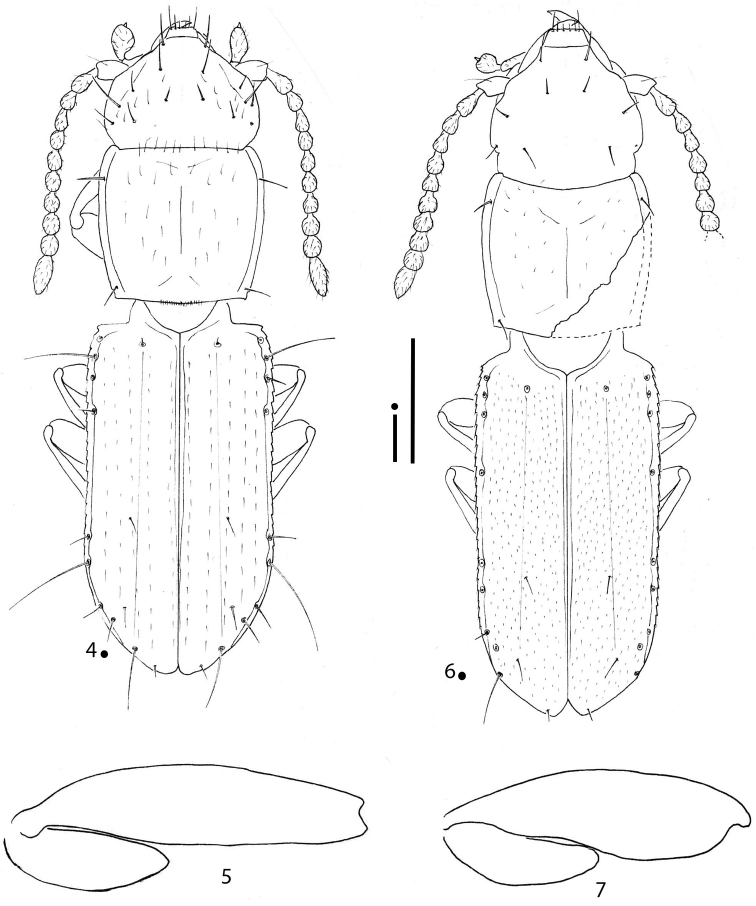
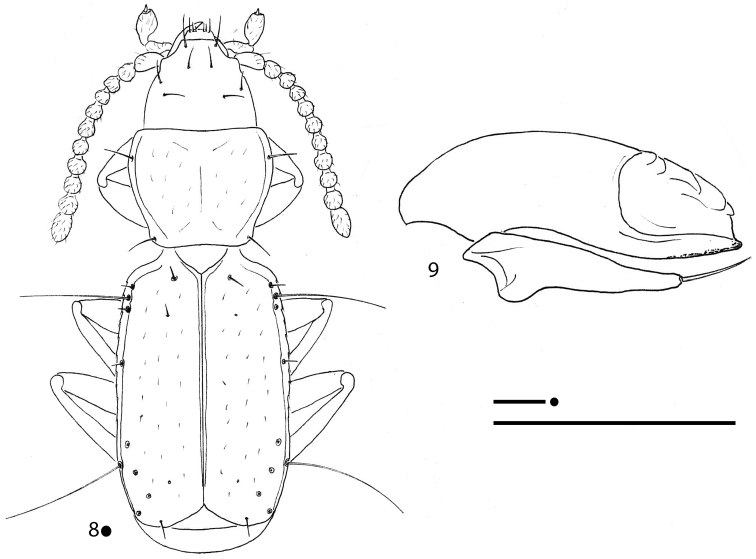
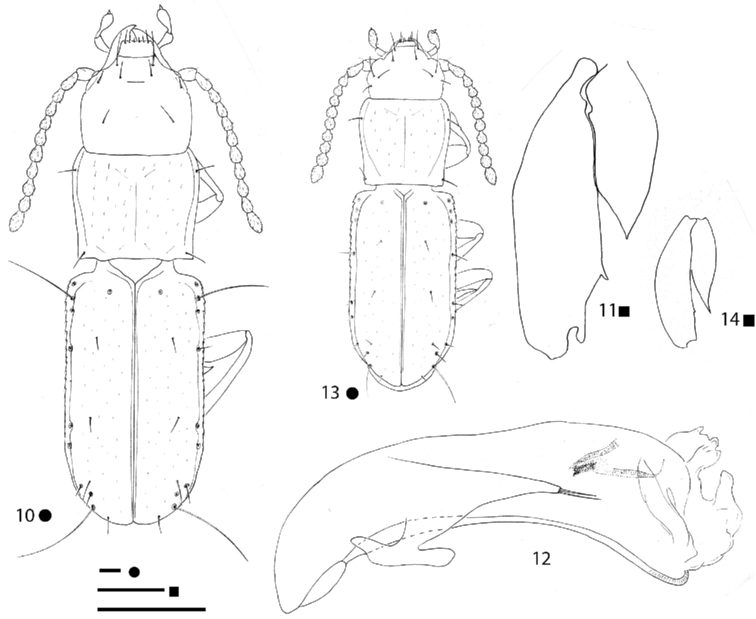
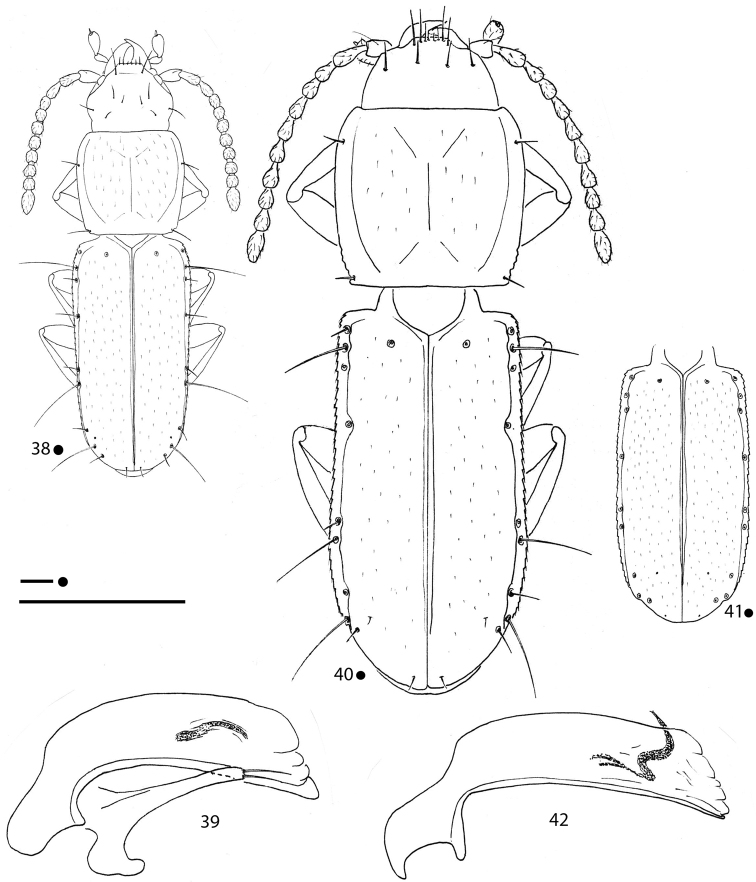
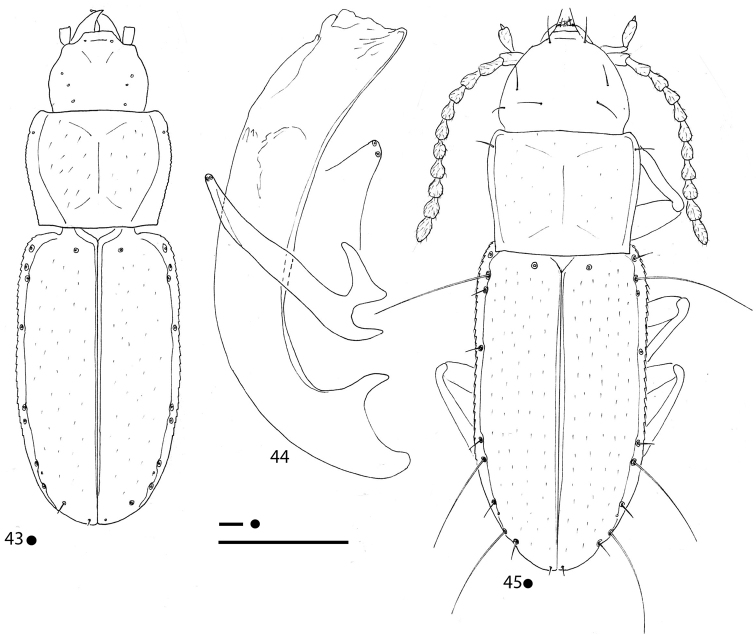
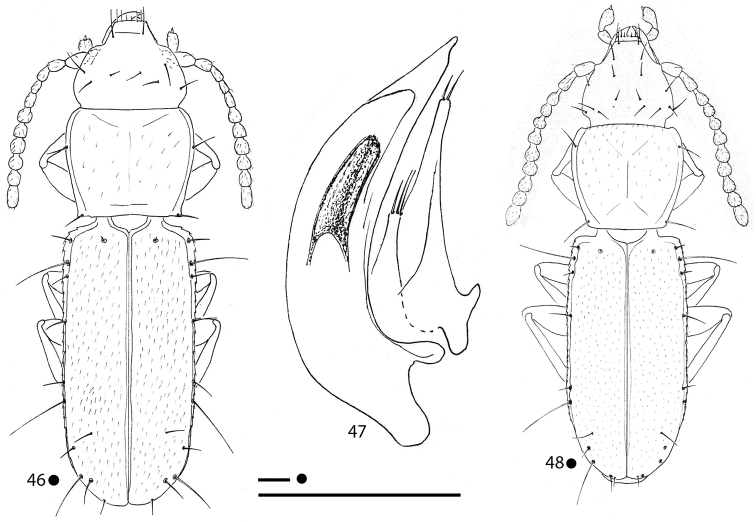
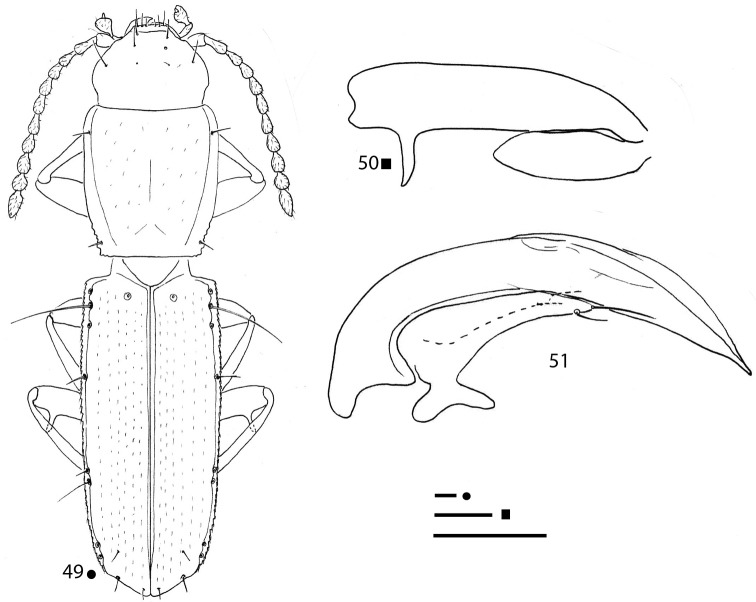
Globally, the great majority of Anillini species are endogean, adapted to live in the interstices of soil and leaf litter, while the extremely low vagility of these minute ground beetles gives rise to numerous shortrange endemic species. Until recently the Australian Anillini fauna was known only from leaf litter in rain forests and eucalypt forests in the wetter, forested regions of eastern and south eastern Australia, as well as Lord Howe and Norfolk islands. The first hypogean Anillini in Australia (17 species in six genera) were described in 2016 from mineral exploration drill holes in iron-ore bearing rocks of the Pilbara region in Western Australia, representing the first finding of the tribe deep underground in a semi-arid climate region. A further eight new genera and 20 new species are described herein, mostly from the Pilbara region as well as the semi-arid Kimberley and Goldfields regions; all were collected in mineral exploration drill holes. The following new genera are described: , , , , , , , and The following new species are described: ; , ; ; , ; , , , , ; ; ; ; , ; , ; ; and Identification keys are provided for all Australian anilline genera, and Western Australian species. All the described species are known from a single locality and qualify as short-range endemics. The Anillini are recognised as a significant and diverse element making up part of Western Australia's remarkable subterranean fauna, and whose conservation may potentially be impacted by mining developments.

摘要

在全球范围内,绝大多数阿尼尼属物种都生活在地下,适应于在土壤和落叶层的间隙中生存,而这些微小的步甲科昆虫极低的迁移能力导致了众多短距离分布的特有物种的出现。直到最近,澳大利亚的阿尼尼属动物群仅在澳大利亚东部和东南部较为湿润的森林地区的雨林和桉树林的落叶层中被发现,以及豪勋爵岛和诺福克岛。2016年,在西澳大利亚皮尔巴拉地区含铁矿石的岩石中的矿产勘探钻孔中描述了澳大利亚的首批地下阿尼尼属物种(六个属中的17个物种),这代表了该部落首次在半干旱气候地区的地下深处被发现。本文描述了另外八个新属和20个新物种,大多数来自皮尔巴拉地区以及半干旱的金伯利和金矿地区;所有这些都是在矿产勘探钻孔中采集到的。描述了以下新属: , , , , , , 和 描述了以下新物种: ; , ; ; , ; , , , , ; ; ; ; , ; , ; ;以及 为所有澳大利亚阿尼尼属和西澳大利亚物种提供了鉴定检索表。所有描述的物种都仅在一个地点被发现,属于短距离特有物种。阿尼尼属被认为是构成西澳大利亚非凡地下动物群的一个重要且多样的组成部分,其保护可能会受到采矿开发的潜在影响。
https://cdn.ncbi.nlm.nih.gov/pmc/blobs/e97a/8222277/a40b294b24f3/zookeys-1044-269-g018.jpg
https://cdn.ncbi.nlm.nih.gov/pmc/blobs/e97a/8222277/57a75bc21aae/zookeys-1044-269-g001.jpg
https://cdn.ncbi.nlm.nih.gov/pmc/blobs/e97a/8222277/26bcce3c8ae9/zookeys-1044-269-g002.jpg
https://cdn.ncbi.nlm.nih.gov/pmc/blobs/e97a/8222277/e6732ecbc283/zookeys-1044-269-g003.jpg
https://cdn.ncbi.nlm.nih.gov/pmc/blobs/e97a/8222277/c4048a2a8066/zookeys-1044-269-g004.jpg
https://cdn.ncbi.nlm.nih.gov/pmc/blobs/e97a/8222277/3e88b29a4aa8/zookeys-1044-269-g005.jpg
https://cdn.ncbi.nlm.nih.gov/pmc/blobs/e97a/8222277/1e4c93d4c9e2/zookeys-1044-269-g006.jpg
https://cdn.ncbi.nlm.nih.gov/pmc/blobs/e97a/8222277/b44fb8397684/zookeys-1044-269-g007.jpg
https://cdn.ncbi.nlm.nih.gov/pmc/blobs/e97a/8222277/3b6a26c15a17/zookeys-1044-269-g008.jpg
https://cdn.ncbi.nlm.nih.gov/pmc/blobs/e97a/8222277/15ba8d7290e9/zookeys-1044-269-g009.jpg
https://cdn.ncbi.nlm.nih.gov/pmc/blobs/e97a/8222277/605e91e81101/zookeys-1044-269-g010.jpg
https://cdn.ncbi.nlm.nih.gov/pmc/blobs/e97a/8222277/c0416d91acff/zookeys-1044-269-g011.jpg
https://cdn.ncbi.nlm.nih.gov/pmc/blobs/e97a/8222277/47bbe2f23e03/zookeys-1044-269-g012.jpg
https://cdn.ncbi.nlm.nih.gov/pmc/blobs/e97a/8222277/413d5920376c/zookeys-1044-269-g013.jpg
https://cdn.ncbi.nlm.nih.gov/pmc/blobs/e97a/8222277/9ebc14efef0d/zookeys-1044-269-g014.jpg
https://cdn.ncbi.nlm.nih.gov/pmc/blobs/e97a/8222277/c3cbf35b7816/zookeys-1044-269-g015.jpg
https://cdn.ncbi.nlm.nih.gov/pmc/blobs/e97a/8222277/824fe902959b/zookeys-1044-269-g016.jpg
https://cdn.ncbi.nlm.nih.gov/pmc/blobs/e97a/8222277/cea24af55710/zookeys-1044-269-g017.jpg
https://cdn.ncbi.nlm.nih.gov/pmc/blobs/e97a/8222277/a40b294b24f3/zookeys-1044-269-g018.jpg
https://cdn.ncbi.nlm.nih.gov/pmc/blobs/e97a/8222277/57a75bc21aae/zookeys-1044-269-g001.jpg
https://cdn.ncbi.nlm.nih.gov/pmc/blobs/e97a/8222277/26bcce3c8ae9/zookeys-1044-269-g002.jpg
https://cdn.ncbi.nlm.nih.gov/pmc/blobs/e97a/8222277/e6732ecbc283/zookeys-1044-269-g003.jpg
https://cdn.ncbi.nlm.nih.gov/pmc/blobs/e97a/8222277/c4048a2a8066/zookeys-1044-269-g004.jpg
https://cdn.ncbi.nlm.nih.gov/pmc/blobs/e97a/8222277/3e88b29a4aa8/zookeys-1044-269-g005.jpg
https://cdn.ncbi.nlm.nih.gov/pmc/blobs/e97a/8222277/1e4c93d4c9e2/zookeys-1044-269-g006.jpg
https://cdn.ncbi.nlm.nih.gov/pmc/blobs/e97a/8222277/b44fb8397684/zookeys-1044-269-g007.jpg
https://cdn.ncbi.nlm.nih.gov/pmc/blobs/e97a/8222277/3b6a26c15a17/zookeys-1044-269-g008.jpg
https://cdn.ncbi.nlm.nih.gov/pmc/blobs/e97a/8222277/15ba8d7290e9/zookeys-1044-269-g009.jpg
https://cdn.ncbi.nlm.nih.gov/pmc/blobs/e97a/8222277/605e91e81101/zookeys-1044-269-g010.jpg
https://cdn.ncbi.nlm.nih.gov/pmc/blobs/e97a/8222277/c0416d91acff/zookeys-1044-269-g011.jpg
https://cdn.ncbi.nlm.nih.gov/pmc/blobs/e97a/8222277/47bbe2f23e03/zookeys-1044-269-g012.jpg
https://cdn.ncbi.nlm.nih.gov/pmc/blobs/e97a/8222277/413d5920376c/zookeys-1044-269-g013.jpg
https://cdn.ncbi.nlm.nih.gov/pmc/blobs/e97a/8222277/9ebc14efef0d/zookeys-1044-269-g014.jpg
https://cdn.ncbi.nlm.nih.gov/pmc/blobs/e97a/8222277/c3cbf35b7816/zookeys-1044-269-g015.jpg
https://cdn.ncbi.nlm.nih.gov/pmc/blobs/e97a/8222277/824fe902959b/zookeys-1044-269-g016.jpg
https://cdn.ncbi.nlm.nih.gov/pmc/blobs/e97a/8222277/cea24af55710/zookeys-1044-269-g017.jpg
https://cdn.ncbi.nlm.nih.gov/pmc/blobs/e97a/8222277/a40b294b24f3/zookeys-1044-269-g018.jpg

相似文献

1
A rich fauna of subterranean short-range endemic Anillini (Coleoptera, Carabidae, Trechinae) from semi-arid regions of Western Australia.来自西澳大利亚半干旱地区的丰富的地下短距离特有阿尼甲族(鞘翅目,步甲科,地甲亚科)动物群。
Zookeys. 2021 Jun 16;1044:269-337. doi: 10.3897/zookeys.1044.58844. eCollection 2021.
2
Systematics and biogeography of Appalachian Anillini, and a taxonomic review of the species of South Carolina (Coleoptera, Carabidae, Trechinae, Anillini).阿巴拉契亚阿尼尼族的系统学与生物地理学,以及南卡罗来纳州物种的分类学综述(鞘翅目,步甲科,地栖甲亚科,阿尼尼族)
Zookeys. 2024 Aug 8;1209:69-197. doi: 10.3897/zookeys.1209.125897. eCollection 2024.
3
Systematics and phylogenetics of Indo-Pacific Luciolinae fireflies (Coleoptera: Lampyridae) and the description of new genera.印度-太平洋熠萤亚科萤火虫(鞘翅目:萤科)的系统学与系统发育学及新属描述
Zootaxa. 2013;3653:1-162. doi: 10.11646/zootaxa.3653.1.1.
4
The Luciolinae of S. E. Asia and the Australopacific region: a revisionary checklist (Coleoptera: Lampyridae) including description of three new genera and 13 new species.东南亚及澳大拉西亚-太平洋地区的光萤亚科:一份修订名录(鞘翅目:萤科),包括三个新属及13个新种的描述
Zootaxa. 2019 Oct 18;4687(1):zootaxa.4687.1.1. doi: 10.11646/zootaxa.4687.1.1.
5
The Australian Ciidae (Coleoptera: Tenebrionoidea): A Preliminary Revision.澳大利亚扁甲科(鞘翅目:拟步甲总科):初步修订
Zootaxa. 2016 Nov 25;4198(1):zootaxa.4198.1.1. doi: 10.11646/zootaxa.4198.1.1.
6
New genera, species and combinations in the Pseudomicrocara Armstrong group (Coleoptera: Scirtidae) based on morphology supported by mitochondrial and nuclear gene sequence data.基于线粒体和核基因序列数据支持的形态学研究,伪微卡拉阿姆斯特朗类群(鞘翅目:沼甲科)中的新属、新种及新组合
Zootaxa. 2020 Aug 17;4831(1):zootaxa.4831.1.1. doi: 10.11646/zootaxa.4831.1.1.
7
Revisions of Australian ground-hunting spiders VI: five new stripe-less miturgid genera and 48 new species (Miturgidae: Miturginae).澳大利亚地面猎蛛修订版 VI:五个无条纹的 Miturgidae 新属和 48 个新种(Miturgidae:Miturginae)。
Zootaxa. 2023 Oct 24;5358(1):1-117. doi: 10.11646/zootaxa.5358.1.1.
8
Hydroids (Cnidaria, Hydrozoa) from Mauritanian Coral Mounds.来自毛里塔尼亚珊瑚丘的水螅虫纲动物(刺胞动物门,水螅虫纲)。
Zootaxa. 2020 Nov 16;4878(3):zootaxa.4878.3.2. doi: 10.11646/zootaxa.4878.3.2.
9
A systematic revision of Draculoides (Schizomida: Hubbardiidae) of the Pilbara, Western Australia, Part I: the Western Pilbara.西澳大利亚皮尔巴拉地区盲蛛属(裂盾目:哈巴氏盲蛛科)的系统修订,第一部分:皮尔巴拉西部地区
Zootaxa. 2020 Oct 22;4864(1):zootaxa.4864.1.1. doi: 10.11646/zootaxa.4864.1.1.
10
Fourteen new species of the genus Nesamblyops Jeannel (Coleoptera: Carabidae: Anillini) from the South Island of New Zealand with redescription of the genus and description of a new subtribe.十四新种 Nesamblyops 杰纳尔(鞘翅目:步甲科:蚁甲族)来自新西兰南岛,该属重新描述及一新亚科描述。
Zootaxa. 2023 Nov 22;5375(2):151-192. doi: 10.11646/zootaxa.5375.2.1.

引用本文的文献

1
Systematics and biogeography of Appalachian Anillini, and a taxonomic review of the species of South Carolina (Coleoptera, Carabidae, Trechinae, Anillini).阿巴拉契亚阿尼尼族的系统学与生物地理学,以及南卡罗来纳州物种的分类学综述(鞘翅目,步甲科,地栖甲亚科,阿尼尼族)
Zookeys. 2024 Aug 8;1209:69-197. doi: 10.3897/zookeys.1209.125897. eCollection 2024.
2
The first true millipede-1306 legs long.世界上第一条真正的千足虫,长 1306 条腿。
Sci Rep. 2021 Dec 16;11(1):23126. doi: 10.1038/s41598-021-02447-0.
3
Additions to the lists of publications of Terry Erwin, taxa described by him and named after him after 2015.

本文引用的文献

1
Hidden biodiversity: total evidence phylogenetics and evolution of morphological traits in a highly diverse lineage of endogean ground beetles, Typhlocharis Dieck, 1869 (Carabidae, Trechinae, Anillini).
Cladistics. 2018 Aug;34(4):359-383. doi: 10.1111/cla.12208. Epub 2017 Jun 14.
2
Extreme genetic diversity among springtails (Collembola) in subterranean calcretes of arid Australia.干旱澳大利亚地下钙结砾石中的跳虫(弹尾目)具有极高的遗传多样性。
Genome. 2021 Mar;64(3):181-195. doi: 10.1139/gen-2019-0199. Epub 2020 Jun 18.
3
Too hot to handle: Cenozoic aridification drives multiple independent incursions of Schizomida (Hubbardiidae) into hypogean environments.难以应对的高温:新生代干旱化促使(栉角蛛科)多支独立分支进入地下环境。
2015年后特里·欧文(Terry Erwin)出版物列表的补充内容,他所描述并以他的名字命名的分类群。
Zookeys. 2021 Jun 16;1044:1037-1042. doi: 10.3897/zookeys.1044.69603. eCollection 2021.
Mol Phylogenet Evol. 2019 Oct;139:106532. doi: 10.1016/j.ympev.2019.106532. Epub 2019 Jun 8.
4
Speciation below ground: Tempo and mode of diversification in a radiation of endogean ground beetles.地下物种形成:穴居步甲辐射演化中的多样化节奏与模式
Mol Ecol. 2017 Nov;26(21):6053-6070. doi: 10.1111/mec.14358. Epub 2017 Oct 16.