Department of Biology, University of Texas Arlington, Arlington, 76019 Texas, USA.
Biol Open. 2021 May 15;10(5). doi: 10.1242/bio.058613. Epub 2021 May 20.
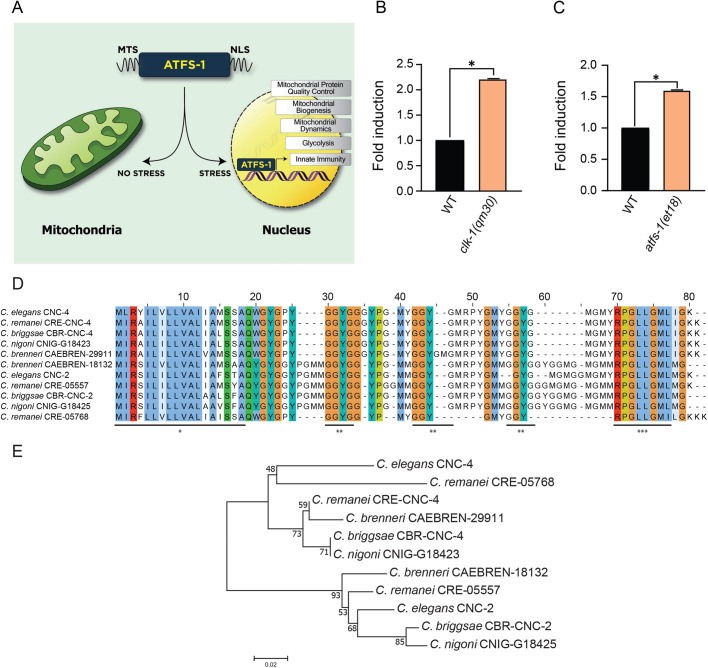
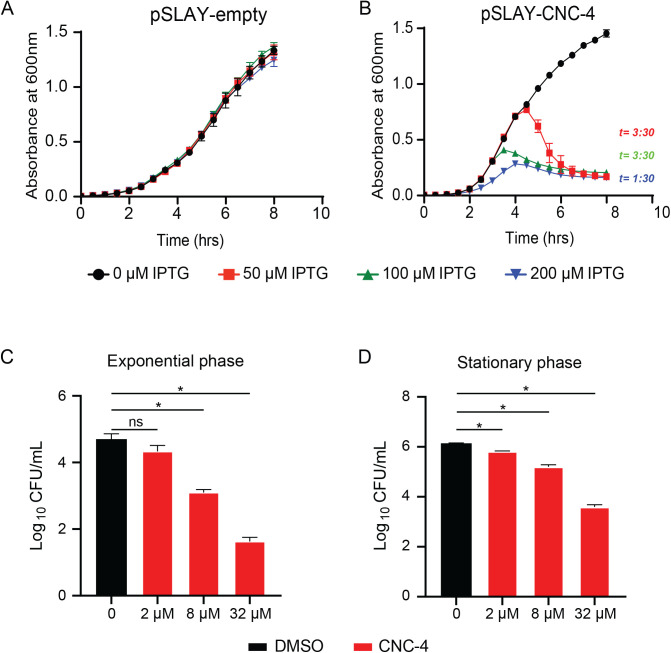
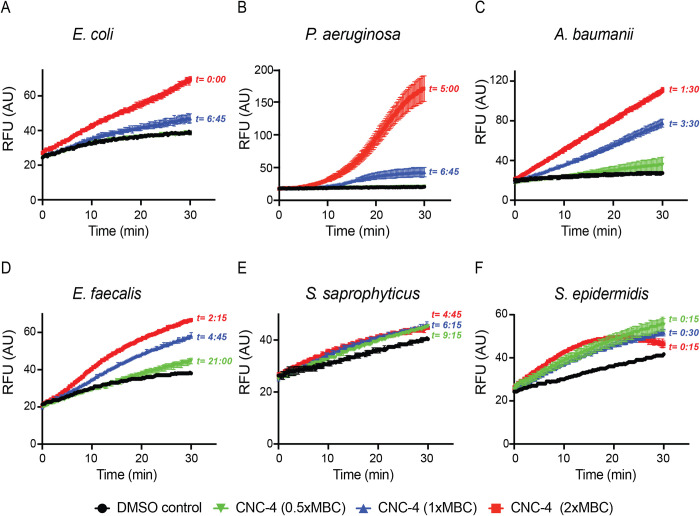
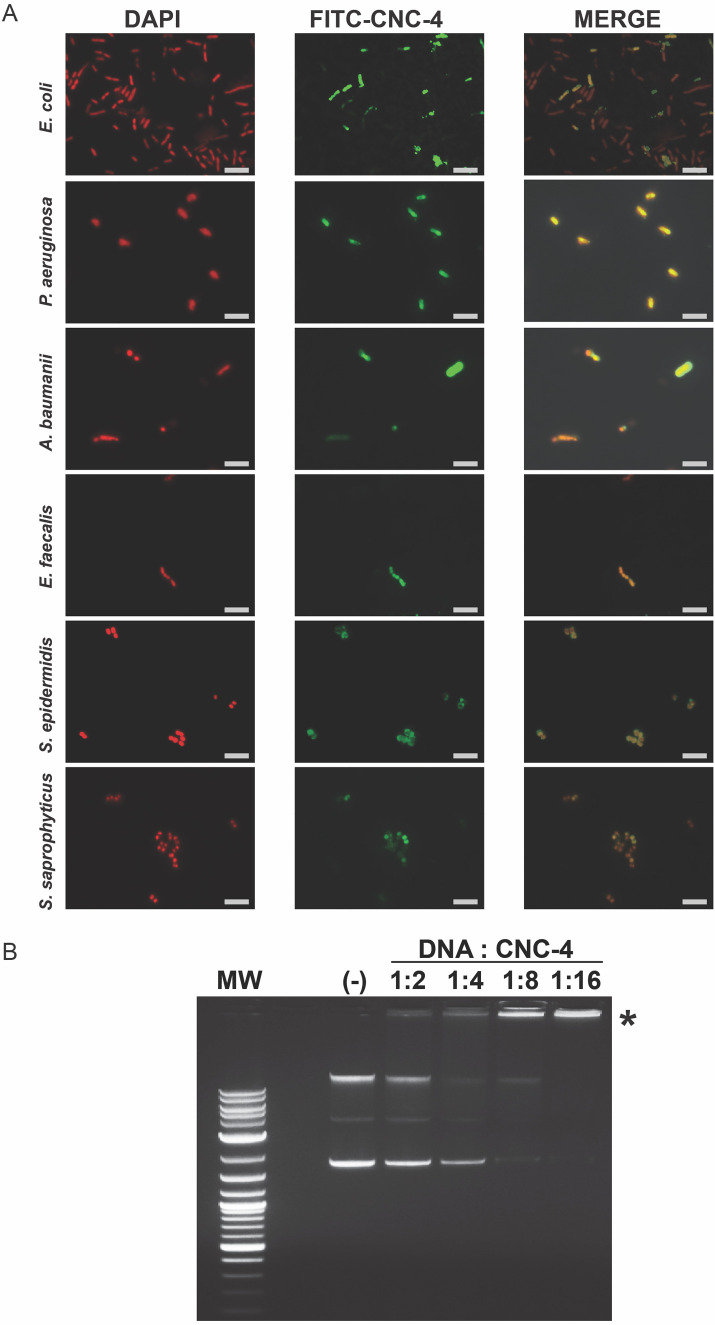
A dramatic rise of infections with antibiotic-resistant bacterial pathogens continues to challenge the healthcare field due to the lack of effective treatment regimes. As such, there is an urgent need to develop new antimicrobial agents that can combat these multidrug-resistant superbugs. Mitochondria are central regulators of metabolism and other cellular functions, including the regulation of innate immunity pathways involved in the defense against infection. The mitochondrial unfolded protein response (UPRmt) is a stress-activated pathway that mitigates mitochondrial dysfunction through the regulation of genes that promote recovery of the organelle. In the model organism Caenorhabditis elegans, the UPRmt also mediates an antibacterial defense program that combats pathogen infection, which promotes host survival. We sought to identify and characterize antimicrobial effectors that are regulated during the UPRmt. From our search, we discovered that the antimicrobial peptide CNC-4 is upregulated during this stress response. CNC-4 belongs to the caenacin family of antimicrobial peptides, which are predominantly found in nematodes and are known to have anti-fungal properties. Here, we find that CNC-4 also possesses potent antimicrobial activity against a spectrum of bacterial species and report on its characterization.
由于缺乏有效的治疗方案,抗生素耐药性细菌病原体感染的急剧上升继续对医疗保健领域构成挑战。因此,迫切需要开发新的抗菌药物来对抗这些多药耐药的超级细菌。线粒体是代谢和其他细胞功能的核心调节剂,包括参与抗感染的固有免疫途径的调节。线粒体未折叠蛋白反应 (UPRmt) 是一种应激激活途径,通过调节促进细胞器恢复的基因来减轻线粒体功能障碍。在模式生物秀丽隐杆线虫中,UPRmt 还介导了一种对抗病原体感染的抗菌防御程序,从而促进宿主存活。我们试图确定和表征在 UPRmt 期间受到调节的抗菌效应物。在我们的研究中,我们发现抗菌肽 CNC-4 在这种应激反应中上调。CNC-4 属于线虫中主要存在的 caenacin 抗菌肽家族,已知具有抗真菌特性。在这里,我们发现 CNC-4 对一系列细菌物种也具有强大的抗菌活性,并报告了其特征。