Department of Emergency and Organ Transplantation (DETO), Section of Pathology, University of Bari "Aldo Moro", 70124 Bari, Italy.
Department of Interdisciplinary Medicine, Section of Legal Medicine, Policlinico di Bari Hospital, University of Bari, 70124 Bari, Italy.
Biomolecules. 2021 Jun 4;11(6):838. doi: 10.3390/biom11060838.
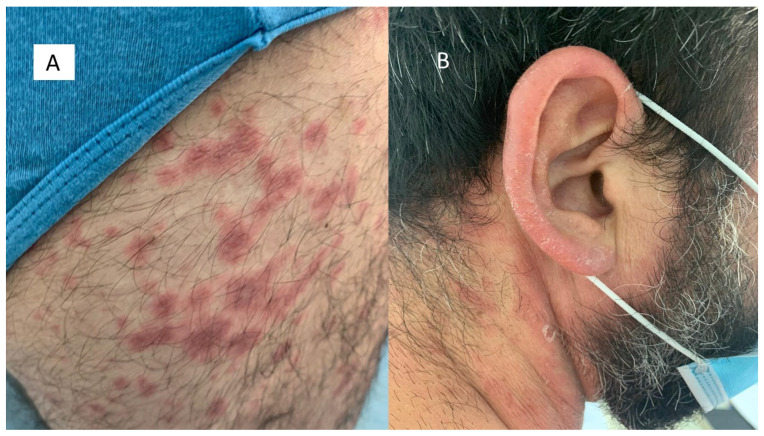
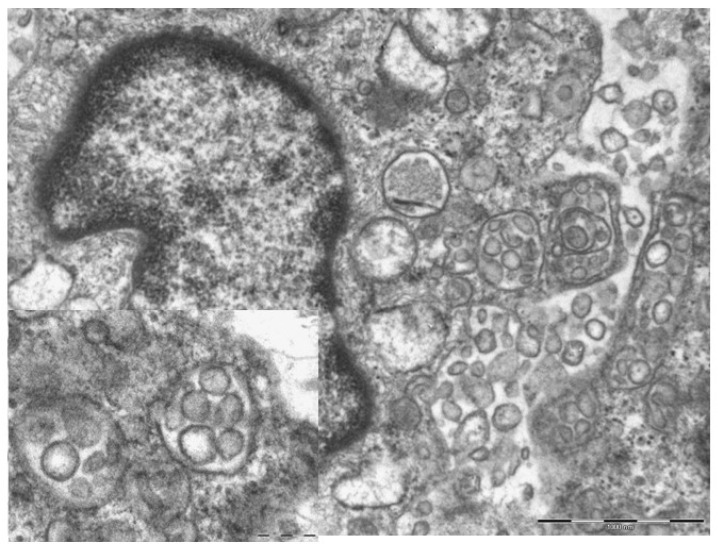
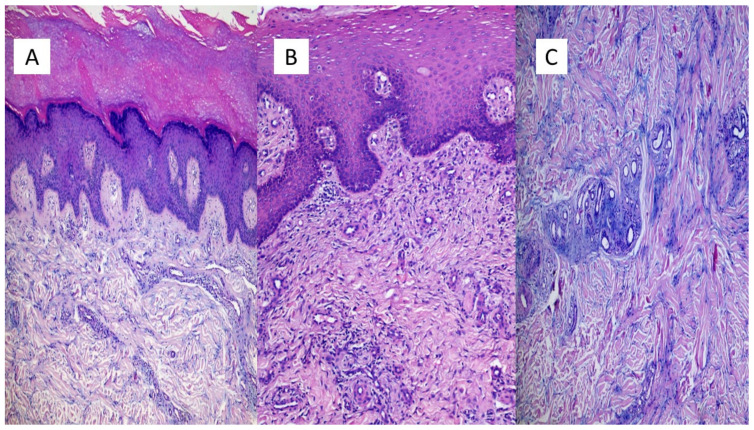
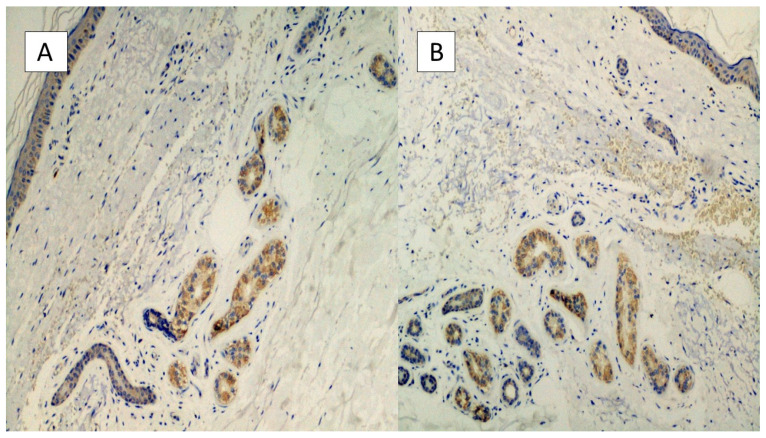
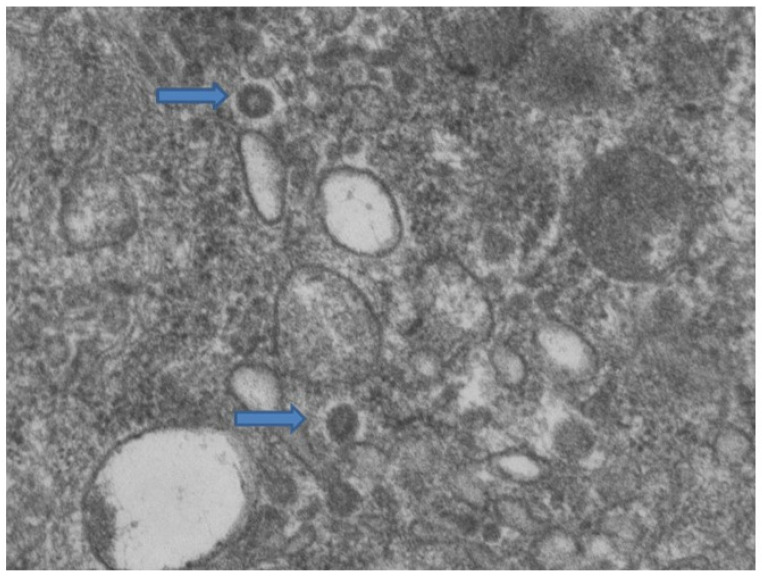
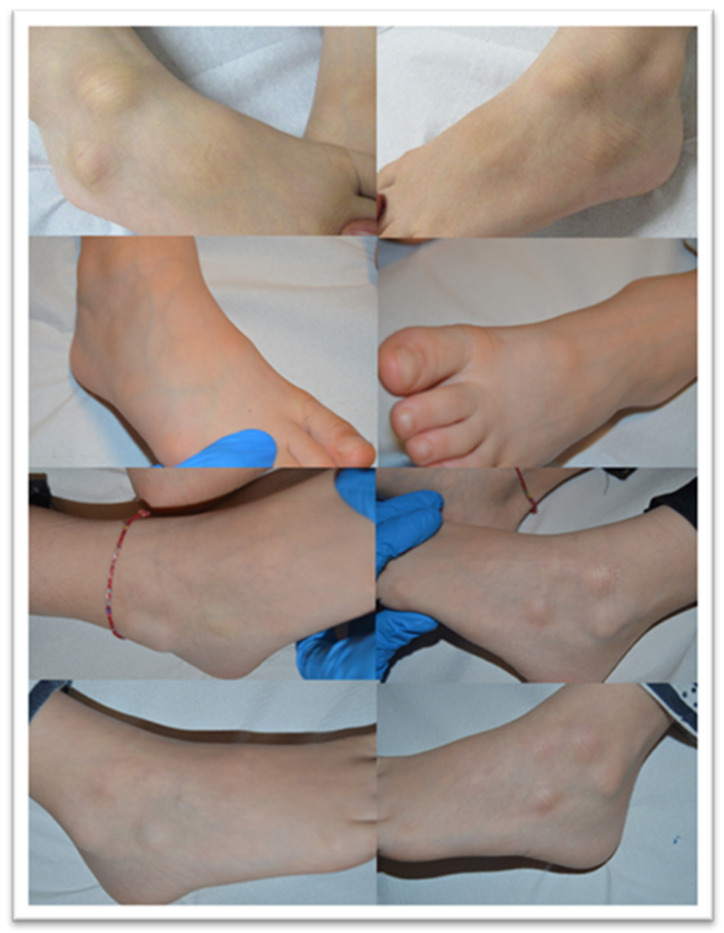
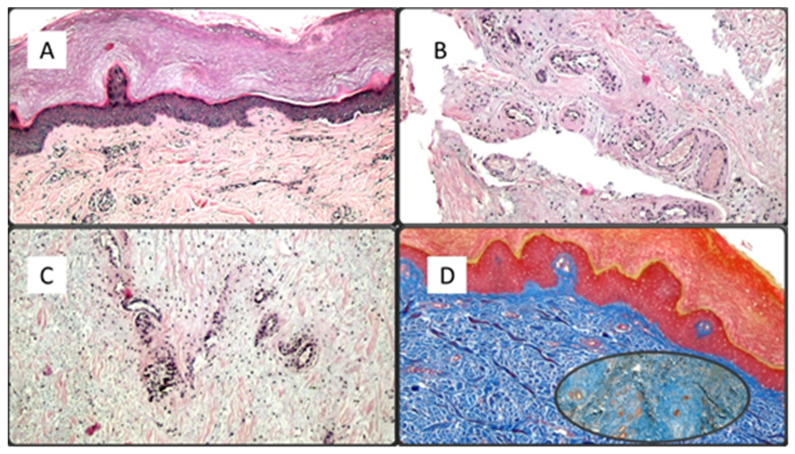
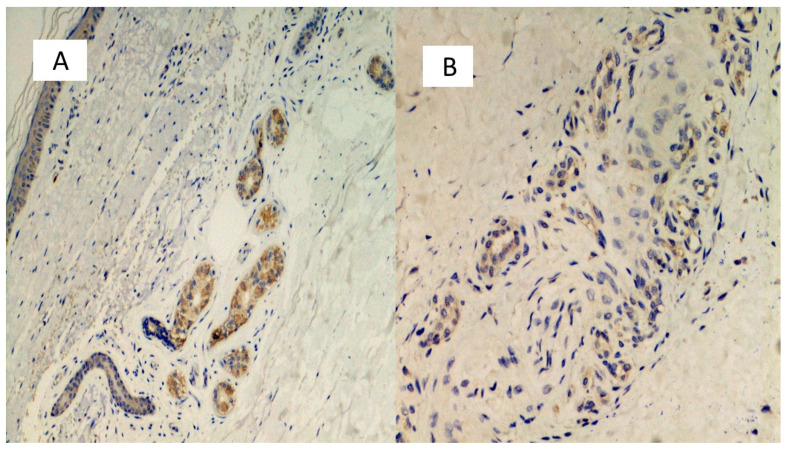
The SARS-CoV-2 pandemic has dramatically changed our lives and habits. In just a few months, the most advanced and efficient health systems in the world have been overwhelmed by an infectious disease that has caused 3.26 million deaths and more than 156 million cases worldwide. Although the lung is the most frequently affected organ, the skin has also resulted in being a target body district, so much so as to suggest it may be a real "sentinel" of COVID-19 disease. Here we present 17 cases of skin manifestations studied and analyzed in recent months in our Department; immunohistochemical investigations were carried out on samples for the S1 spike-protein of SARS-CoV-2, as well as electron microscopy investigations showing evidence of virions within the constituent cells of the eccrine sweat glands and the endothelium of small blood vessels. Finally, we conduct a brief review of the COVID-related skin manifestations, confirmed by immunohistochemistry and/or electron microscopy, described in the literature.
SARS-CoV-2 大流行极大地改变了我们的生活和习惯。在短短几个月内,世界上最先进和高效的卫生系统被一种传染病所淹没,这种传染病已在全球造成 326 万人死亡和超过 1.56 亿例。尽管肺部是最常受影响的器官,但皮肤也成为了一个靶器官区,以至于它可能是 COVID-19 疾病的真正“哨兵”。在这里,我们介绍了近几个月来在我们科研究和分析的 17 例皮肤表现病例;对 SARS-CoV-2 的 S1 刺突蛋白进行了免疫组织化学研究,以及电子显微镜研究显示在小血管的内皮细胞和外分泌汗腺的组成细胞内存在病毒粒子。最后,我们对文献中描述的通过免疫组织化学和/或电子显微镜证实的与 COVID 相关的皮肤表现进行了简要回顾。