Kum-Onsa Pornsawan, Chanlek Narong, Manyam Jedsada, Thongbai Prasit, Harnchana Viyada, Phromviyo Nutthakritta, Chindaprasirt Prinya
Materials Science and Nanotechnology Program, Faculty of Science, Khon Kaen University, Khon Kaen 40002, Thailand.
Synchrotron Light Research Institute (Public Organization), 111 University Avenue, Muang District, Nakhon Ratchasima 30000, Thailand.
Polymers (Basel). 2021 Jun 23;13(13):2064. doi: 10.3390/polym13132064.
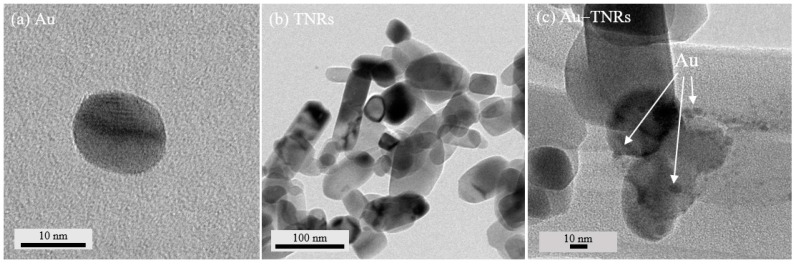
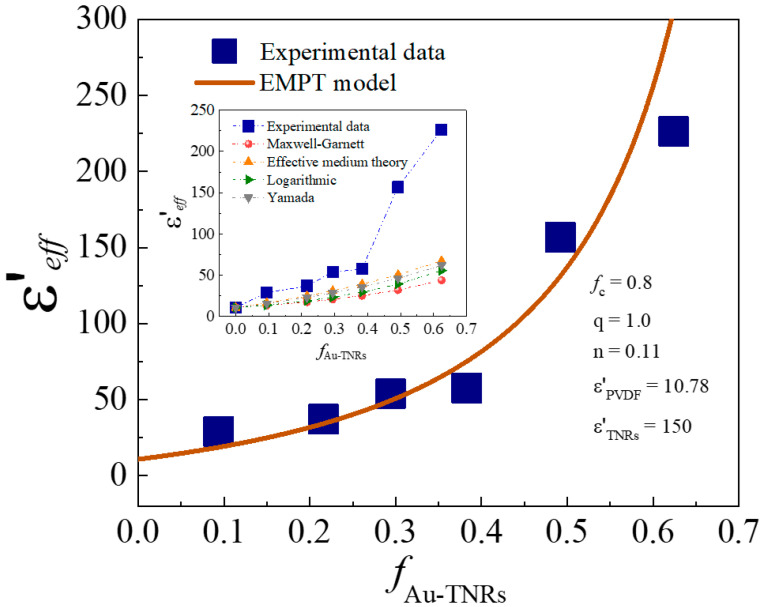
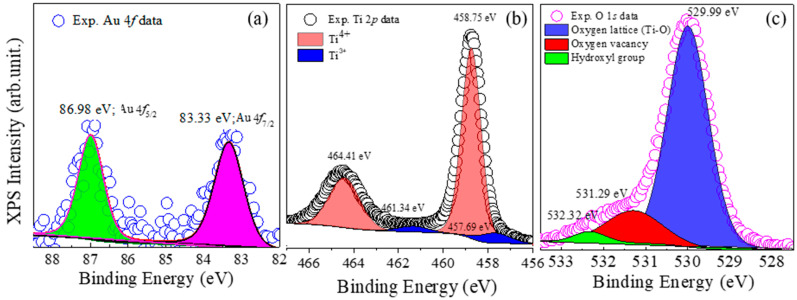
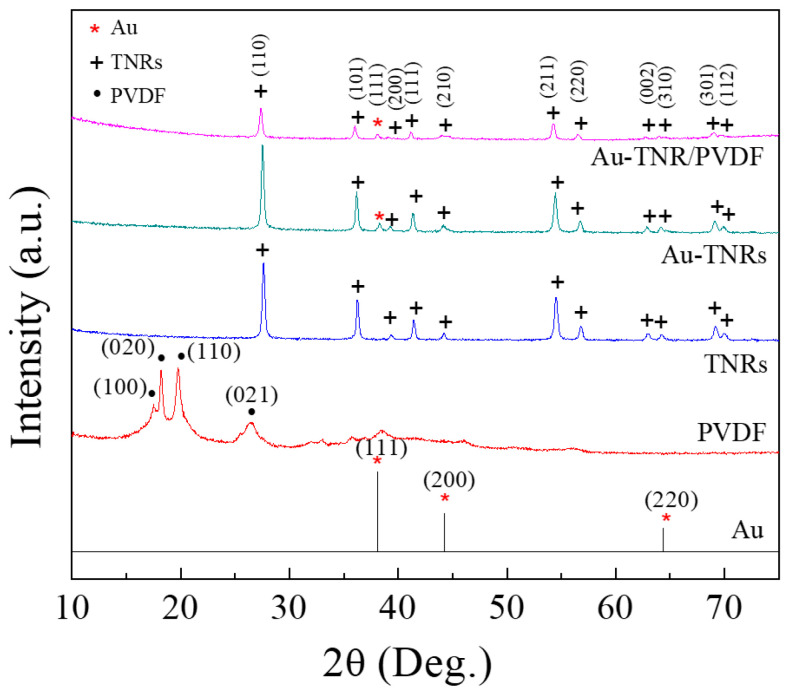
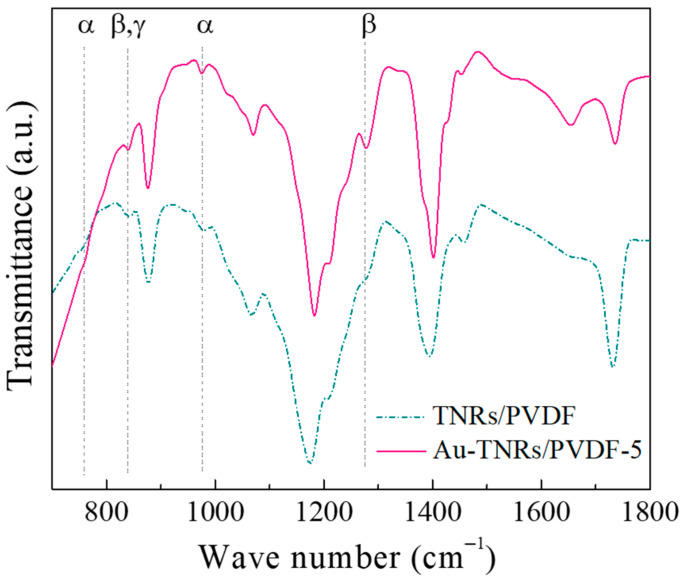
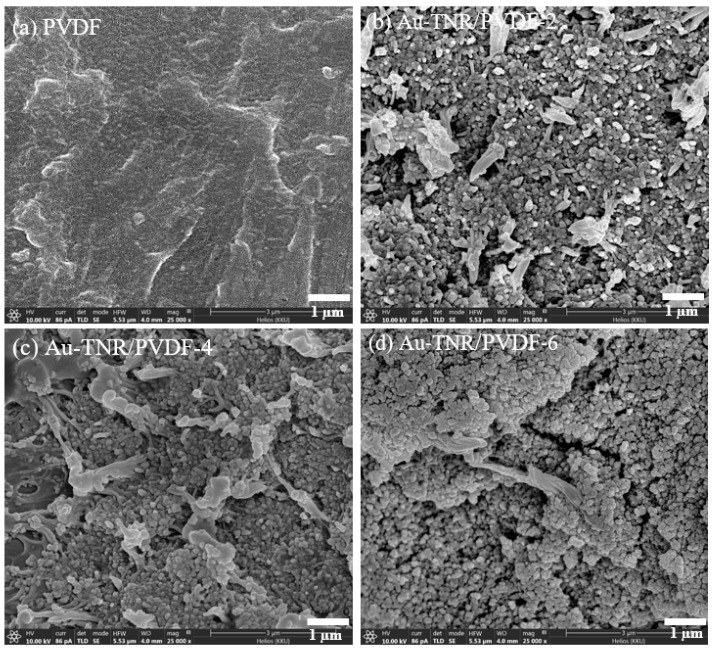
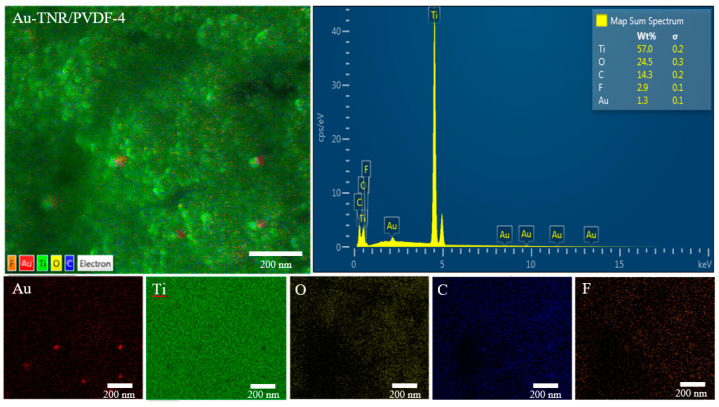
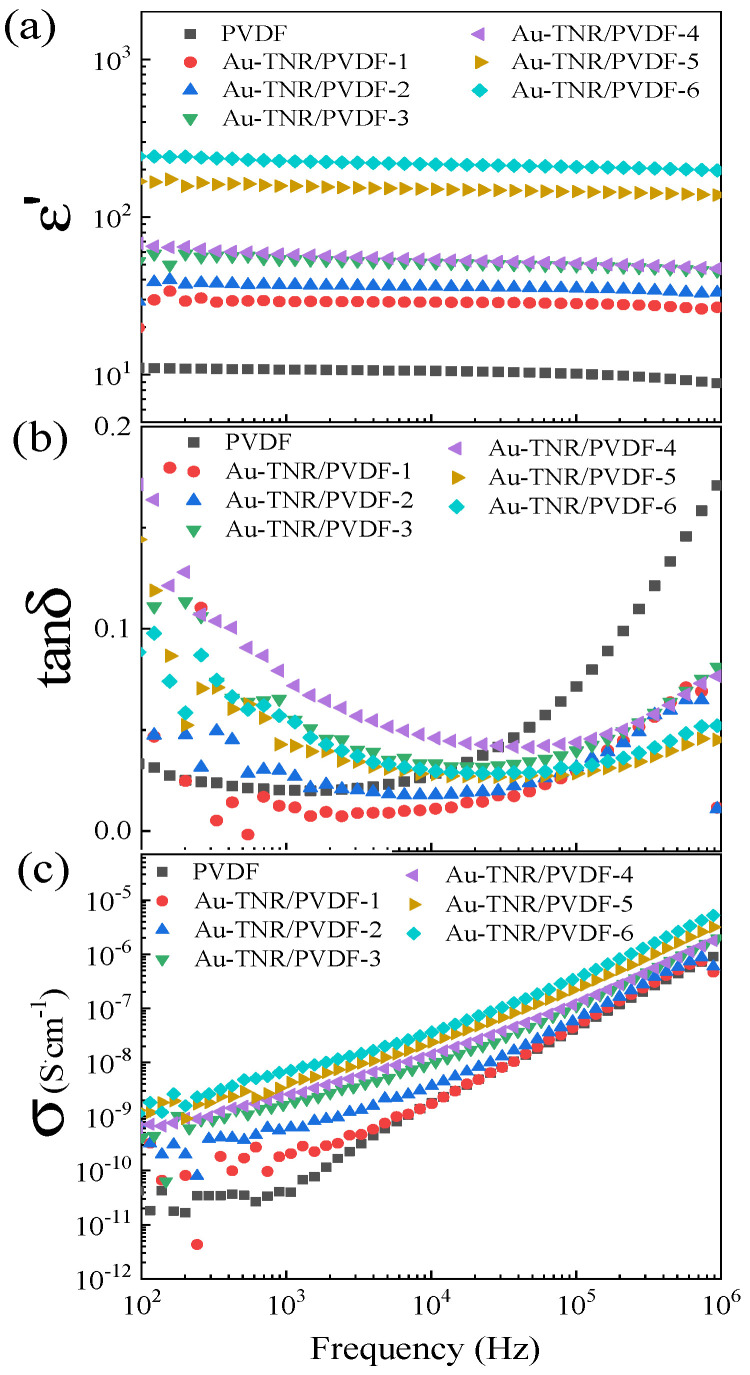
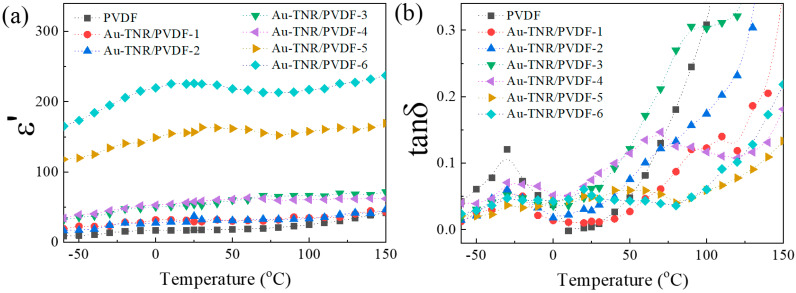
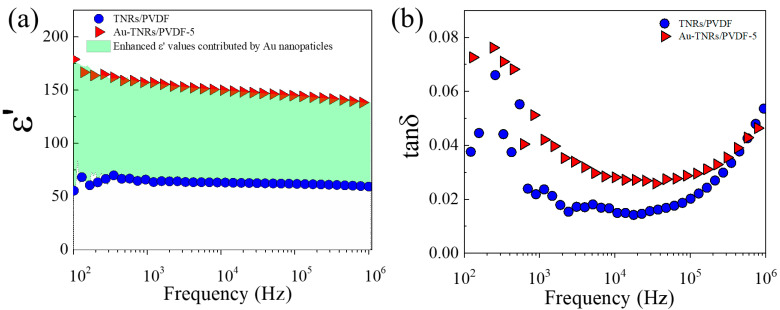
Flexible dielectric polymer composites have been of great interest as embedded capacitor materials in the electronic industry. However, a polymer composite has a low relative dielectric permittivity (ε' < 100), while its dielectric loss tangent is generally large (tanδ > 0.1). In this study, we fabricate a novel, high-permittivity polymer nanocomposite system with a low tanδ. The nanocomposite system comprises poly(vinylidene fluoride) (PVDF) co-filled with Au nanoparticles and semiconducting TiO nanorods (TNRs) that contain Ti ions. To homogeneously disperse the conductive Au phase, the TNR surface was decorated with Au-NPs ~10-20 nm in size (Au-TNRs) using a modified Turkevich method. The polar β-PVDF phase was enhanced by the incorporation of the Au nanoparticles, partially contributing to the enhanced ε' value. The introduction of the Au-TNRs in the PVDF matrix provided three-phase Au-TNR/PVDF nanocomposites with excellent dielectric properties (i.e., high ε' ≈ 157 and low tanδ ≈ 0.05 at 1.8 vol% of Au and 47.4 vol% of TNRs). The ε' of the three-phase Au-TNR/PVDF composite is ~2.4-times higher than that of the two-phase TNR/PVDF composite, clearly highlighting the primary contribution of the Au nanoparticles at similar filler loadings. The volume fraction dependence of ε' is in close agreement with the effective medium percolation theory model. The significant enhancement in ε' was primarily caused by interfacial polarization at the PVDF-conducting Au nanoparticle and PVDF-semiconducting TNR interfaces, as well as by the induced β-PVDF phase. A low tanδ was achieved due to the inhibited conducting pathway formed by direct Au nanoparticle contact.
柔性介电聚合物复合材料作为电子工业中的嵌入式电容器材料备受关注。然而,聚合物复合材料的相对介电常数较低(ε' < 100),而其介电损耗角正切通常较大(tanδ > 0.1)。在本研究中,我们制备了一种新型的、具有低tanδ的高介电常数聚合物纳米复合材料体系。该纳米复合材料体系由共填充有金纳米颗粒和含钛离子的半导体TiO纳米棒(TNRs)的聚偏氟乙烯(PVDF)组成。为了使导电金相均匀分散,采用改进的Turkevich方法在TNR表面修饰了尺寸约为10 - 20 nm的金纳米颗粒(Au - TNRs)。金纳米颗粒的掺入增强了极性β - PVDF相,部分促成了ε'值的提高。在PVDF基体中引入Au - TNRs得到了具有优异介电性能的三相Au - TNR/PVDF纳米复合材料(即在1.8 vol%的金和47.4 vol%的TNRs时,高ε' ≈ 157且低tanδ ≈ 0.05)。三相Au - TNR/PVDF复合材料的ε'比两相TNR/PVDF复合材料高约2.4倍,清楚地突出了在相似填料含量下金纳米颗粒的主要贡献。ε'的体积分数依赖性与有效介质渗流理论模型密切吻合。ε'的显著提高主要是由PVDF - 导电金纳米颗粒和PVDF - 半导体TNR界面处的界面极化以及诱导的β - PVDF相引起的。由于金纳米颗粒直接接触形成的导电通路受到抑制,从而实现了低tanδ。