Jang Jungwoo, Baek Changhoon, Kim Sunhyo, Lee Tae-Kyeong, Choi Gwang-Jin, Shim Shinyong, Yun Seunghyeon, Jung Younginha, Lee Chae-Eun, Ko Seunghyung, Seo Kangmoon, Seo Jong-Mo, Won Moo-Ho, Kim Sung J, Song Yoon-Kyu
Graduate School of Convergence Science and Technology, Seoul National University, Seoul 08826, Korea.
Biomimetic Robot Research Center, Seoul National University, Seoul 08826, Korea.
Micromachines (Basel). 2021 Jun 30;12(7):788. doi: 10.3390/mi12070788.
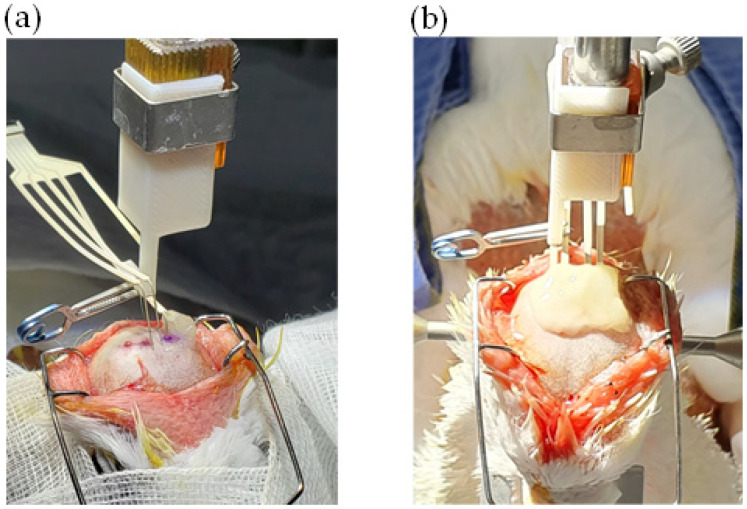
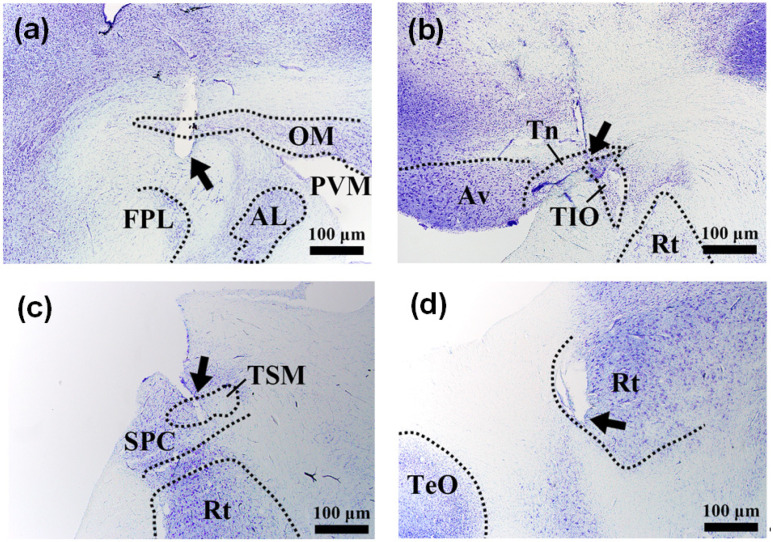
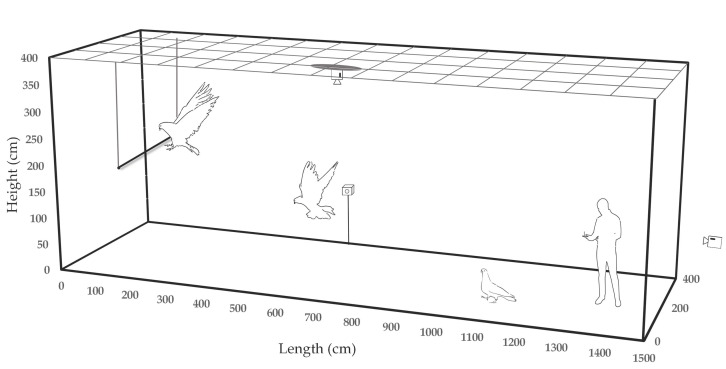
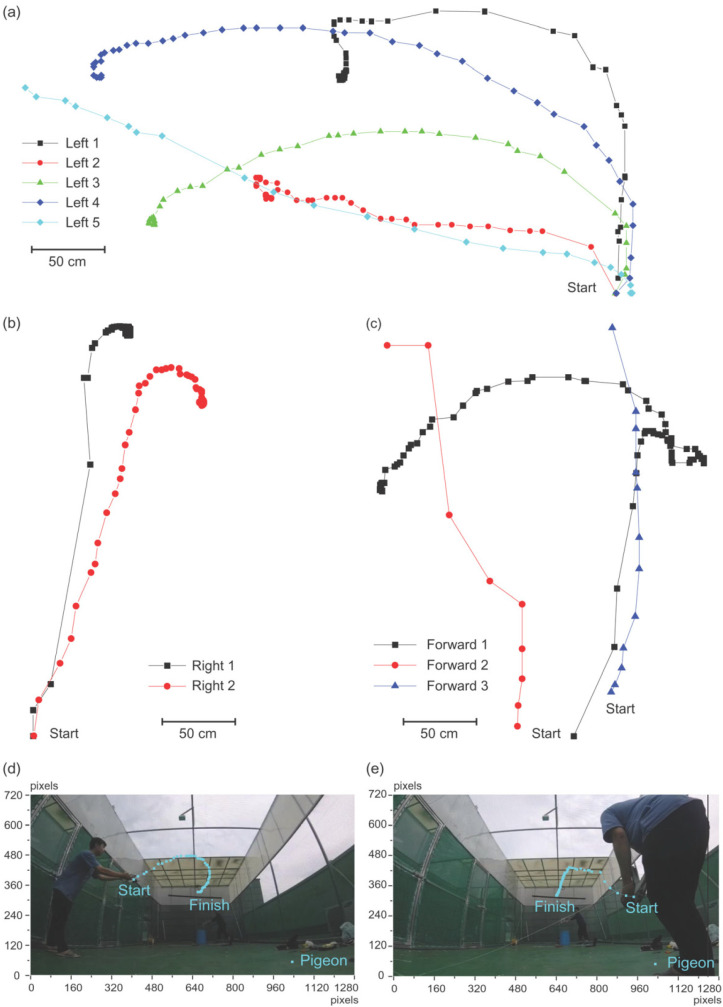
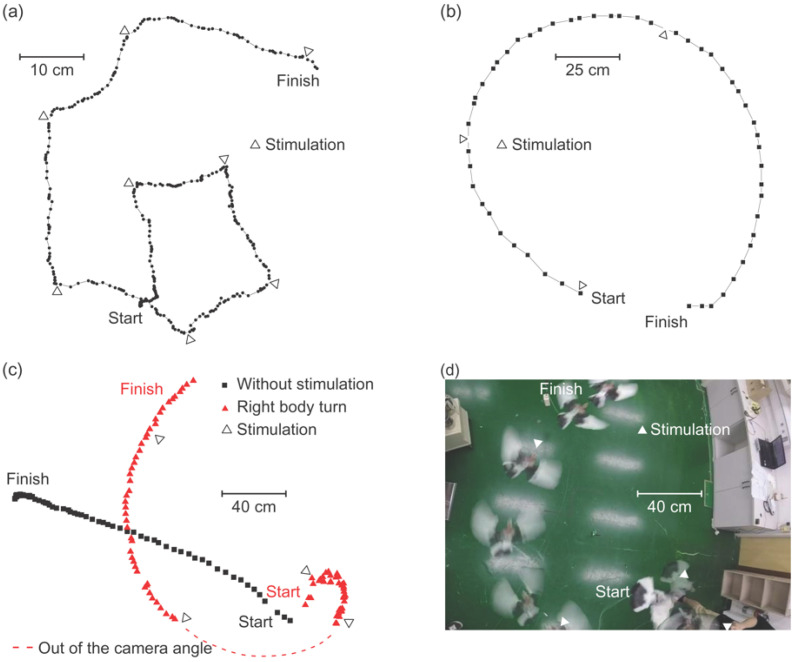
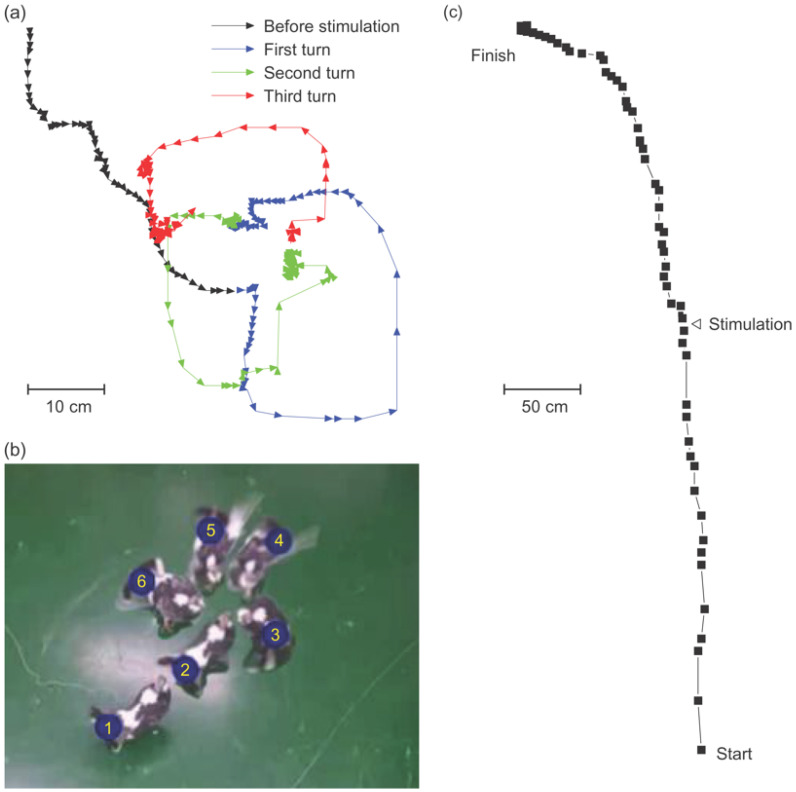
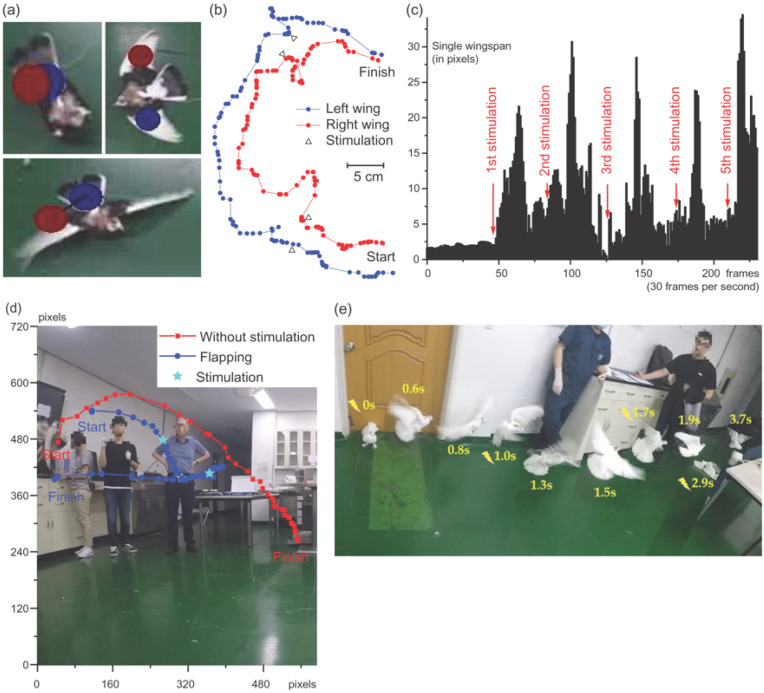
A number of research attempts to understand and modulate sensory and motor skills that are beyond the capability of humans have been underway. They have mainly been expounded in rodent models, where numerous reports of controlling movement to reach target locations by brain stimulation have been achieved. However, in the case of birds, although basic research on movement control has been conducted, the brain nuclei that are triggering these movements have yet to be established. In order to fully control flight navigation in birds, the basic central nervous system involved in flight behavior should be understood comprehensively, and functional maps of the birds' brains to study the possibility of flight control need to be clarified. Here, we established a stable stereotactic surgery to implant multi-wire electrode arrays and electrically stimulated several nuclei of the pigeon's brain. A multi-channel electrode array and a wireless stimulation system were implanted in thirteen pigeons. The pigeons' flight trajectories on electrical stimulation of the cerebral nuclei were monitored and analyzed by a 3D motion tracking program to evaluate the behavioral change, and the exact stimulation site in the brain was confirmed by the postmortem histological examination. Among them, five pigeons were able to induce right and left body turns by stimulating the nuclei of the tractus occipito-mesencephalicus (OM), nucleus taeniae (TN), or nucleus rotundus (RT); the nuclei of tractus septo-mesencephalicus (TSM) or archistriatum ventrale (AV) were stimulated to induce flight aviation for flapping and take-off with five pigeons.
许多旨在理解和调节超出人类能力范围的感觉和运动技能的研究正在进行中。这些研究主要在啮齿动物模型中进行阐述,在该模型中已经取得了许多通过脑刺激控制运动以到达目标位置的报告。然而,对于鸟类而言,尽管已经开展了关于运动控制的基础研究,但触发这些运动的脑核尚未确定。为了完全控制鸟类的飞行导航,需要全面了解参与飞行行为的基本中枢神经系统,并明确鸟类大脑的功能图谱以研究飞行控制的可能性。在此,我们建立了一种稳定的立体定向手术,用于植入多线电极阵列并对鸽子大脑的多个核进行电刺激。在13只鸽子中植入了多通道电极阵列和无线刺激系统。通过三维运动跟踪程序监测和分析鸽子在脑核电刺激下的飞行轨迹,以评估行为变化,并通过死后组织学检查确定大脑中确切的刺激部位。其中,5只鸽子通过刺激枕中脑束(OM)、带状核(TN)或圆核(RT)的核能够诱导身体左右转动;刺激中隔脑束(TSM)或腹侧原纹状体(AV)的核可使5只鸽子诱导飞行扑翼和起飞。