Department of Pharmacy, University of Pisa, Via Bonanno 6, 56126 Pisa, Italy.
Pathology Unit, Centro di Riferimento Oncologico di Aviano (CRO) IRCCS, 33081 Aviano, Italy.
J Med Chem. 2021 Jul 22;64(14):9759-9785. doi: 10.1021/acs.jmedchem.1c00624. Epub 2021 Jul 2.
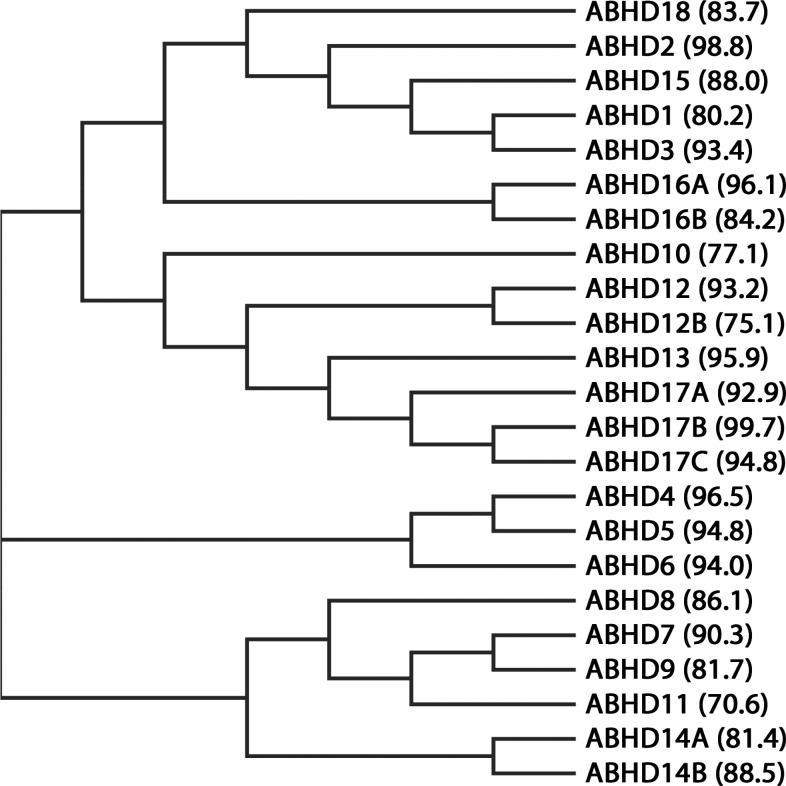
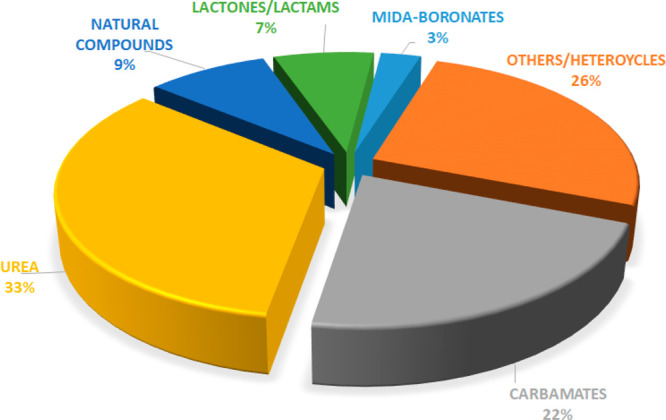
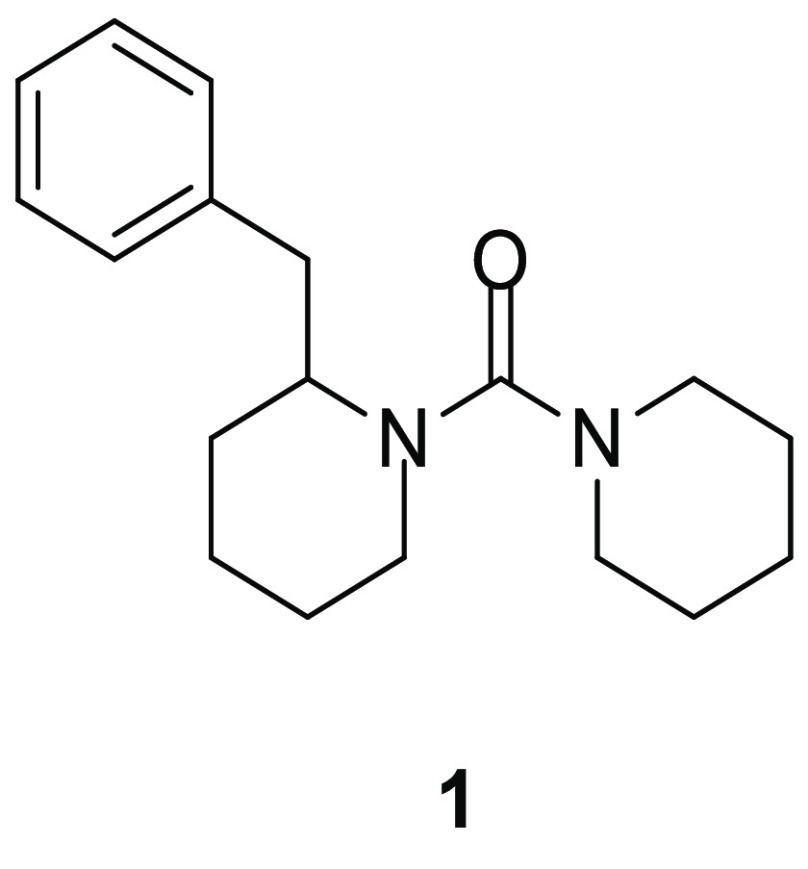
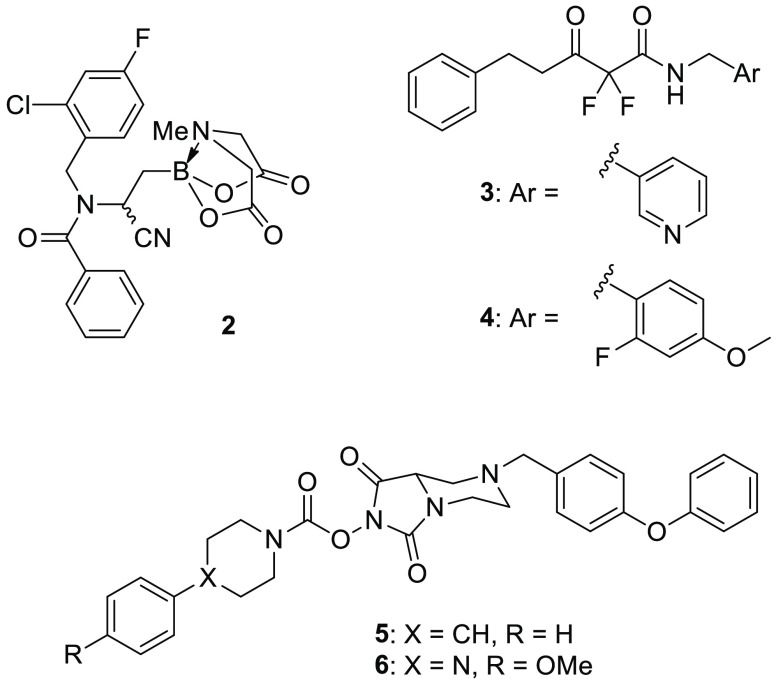
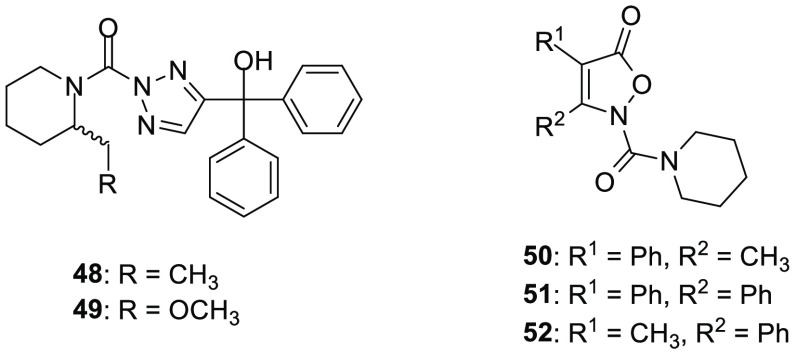
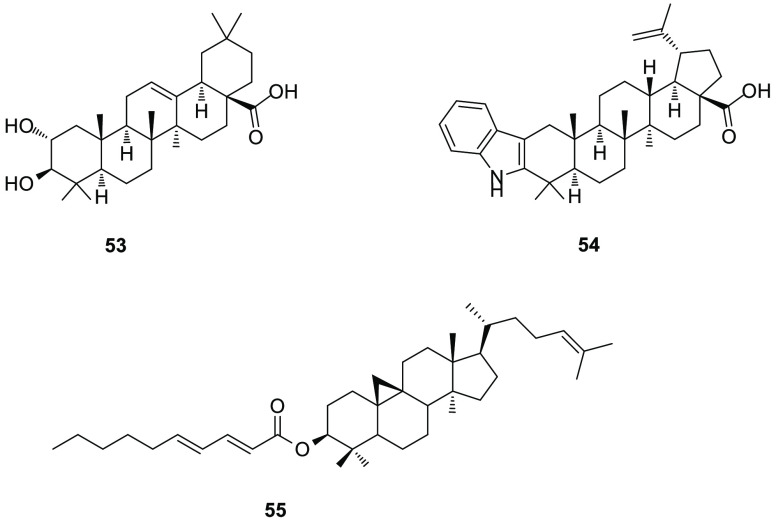
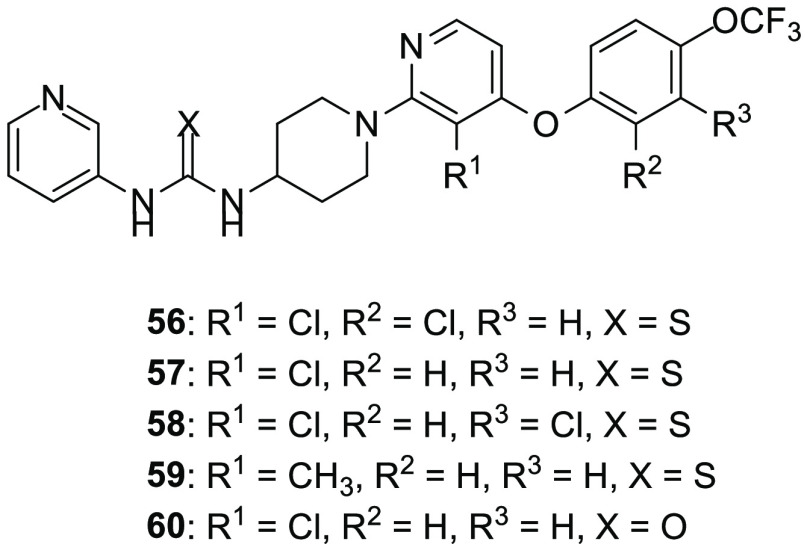
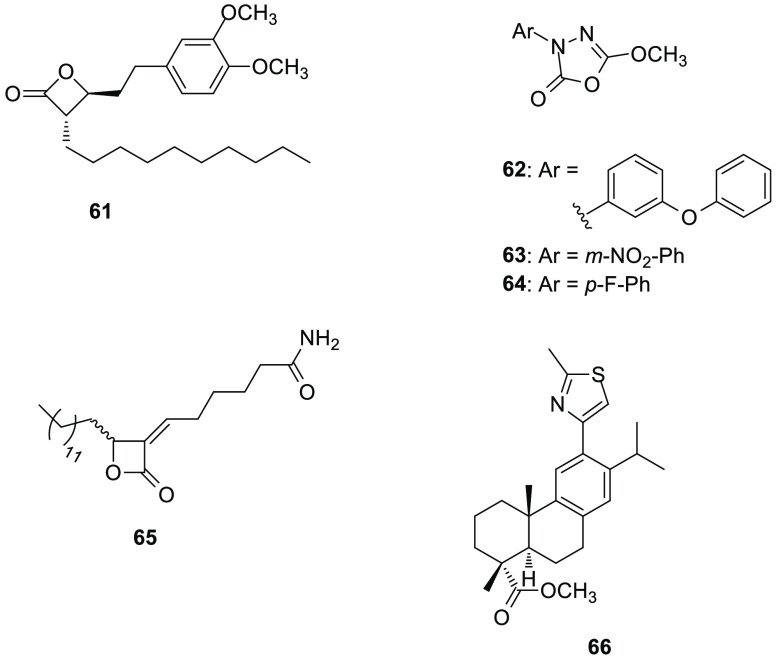
Much of the experimental evidence in the literature has linked altered lipid metabolism to severe diseases such as cancer, obesity, cardiovascular pathologies, diabetes, and neurodegenerative diseases. Therefore, targeting key effectors of the dysregulated lipid metabolism may represent an effective strategy to counteract these pathological conditions. In this context, α/β-hydrolase domain (ABHD) enzymes represent an important and diversified family of proteins, which are involved in the complex environment of lipid signaling, metabolism, and regulation. Moreover, some members of the ABHD family play an important role in the endocannabinoid system, being designated to terminate the signaling of the key endocannabinoid regulator 2-arachidonoylglycerol. This Perspective summarizes the research progress in the development of ABHD inhibitors and modulators: design strategies, structure-activity relationships, action mechanisms, and biological studies of the main ABHD ligands will be highlighted.
文献中的大量实验证据表明,脂质代谢的改变与癌症、肥胖症、心血管病理、糖尿病和神经退行性疾病等严重疾病有关。因此,针对失调脂质代谢的关键效应物可能代表了对抗这些病理状况的有效策略。在这种情况下,α/β-水解酶结构域(ABHD)酶是一个重要且多样化的蛋白家族,它们参与到复杂的脂质信号、代谢和调节环境中。此外,ABHD 家族的一些成员在内源性大麻素系统中发挥重要作用,被指定为终止关键内源性大麻素调节剂 2-花生四烯酸甘油的信号传递。本综述总结了 ABHD 抑制剂和调节剂的研究进展:将重点介绍主要 ABHD 配体的设计策略、构效关系、作用机制和生物学研究。