Department of Chemistry, Beckman Institute for Advanced Science and Technology, The Neuroscience Program, University of Illinois at Urbana-Champaign, 600 S. Mathews Avenue, Urbana, Illinois 61801, United States.
NIH Center for Macromolecular Modeling and Bioinformatics, Beckman Institute for Advanced Science and Technology, Center for Biophysics and Quantitative Biology and Department of Biochemistry, University of Illinois at Urbana-Champaign, Urbana, Illinois 61801, United States.
J Am Chem Soc. 2021 Jul 14;143(27):10462-10476. doi: 10.1021/jacs.1c05470. Epub 2021 Jul 2.
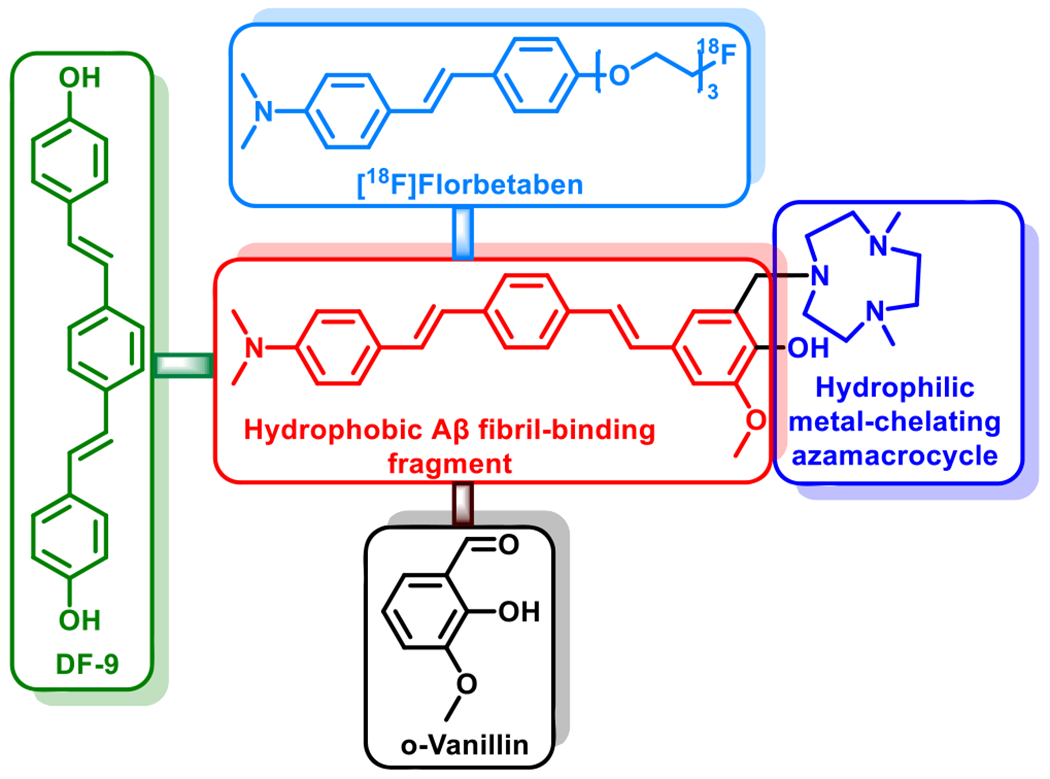
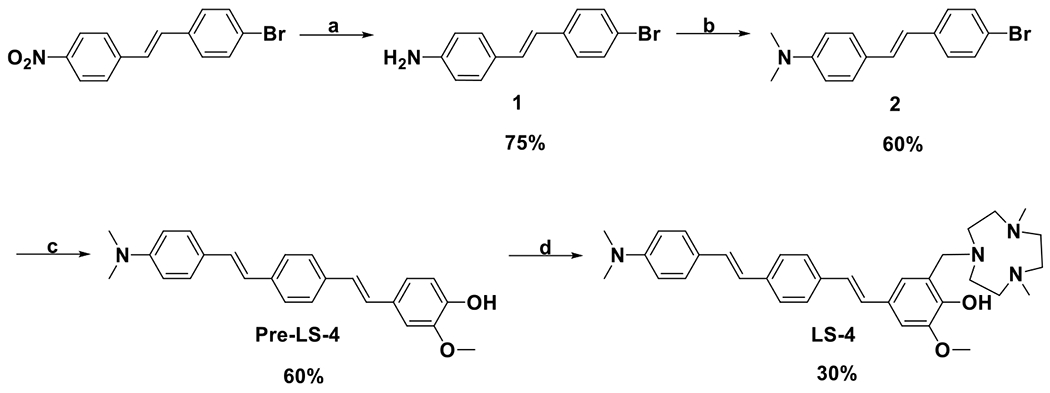
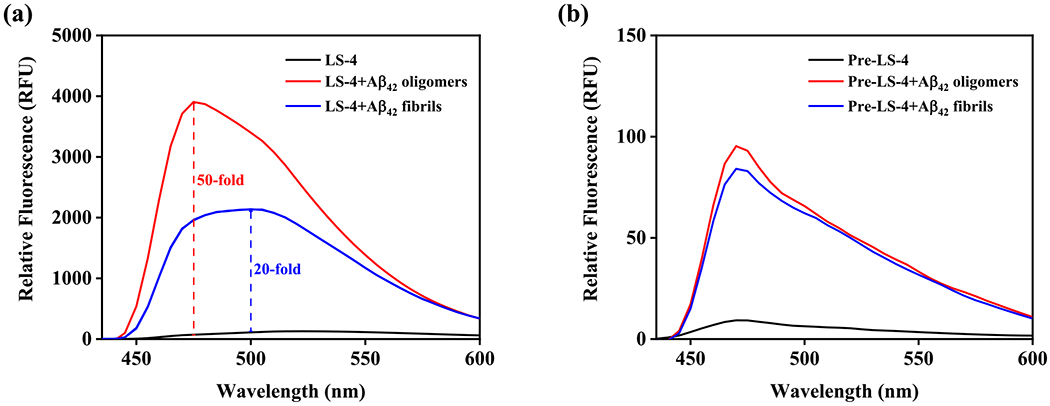
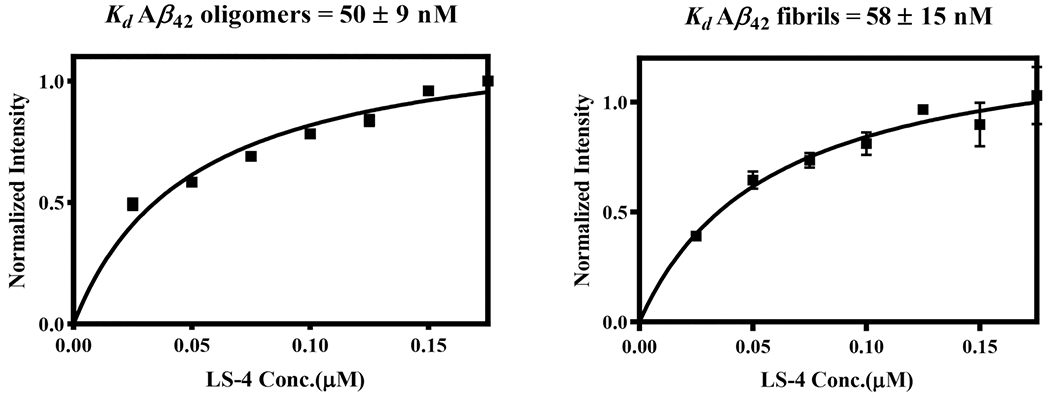
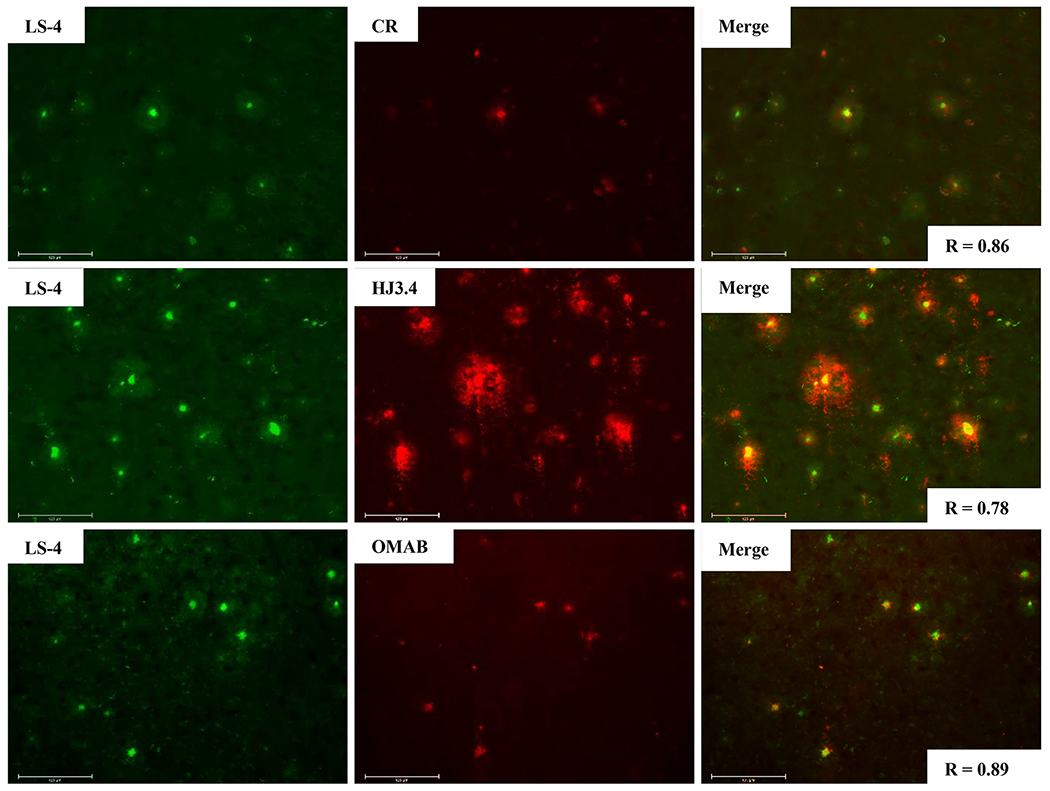
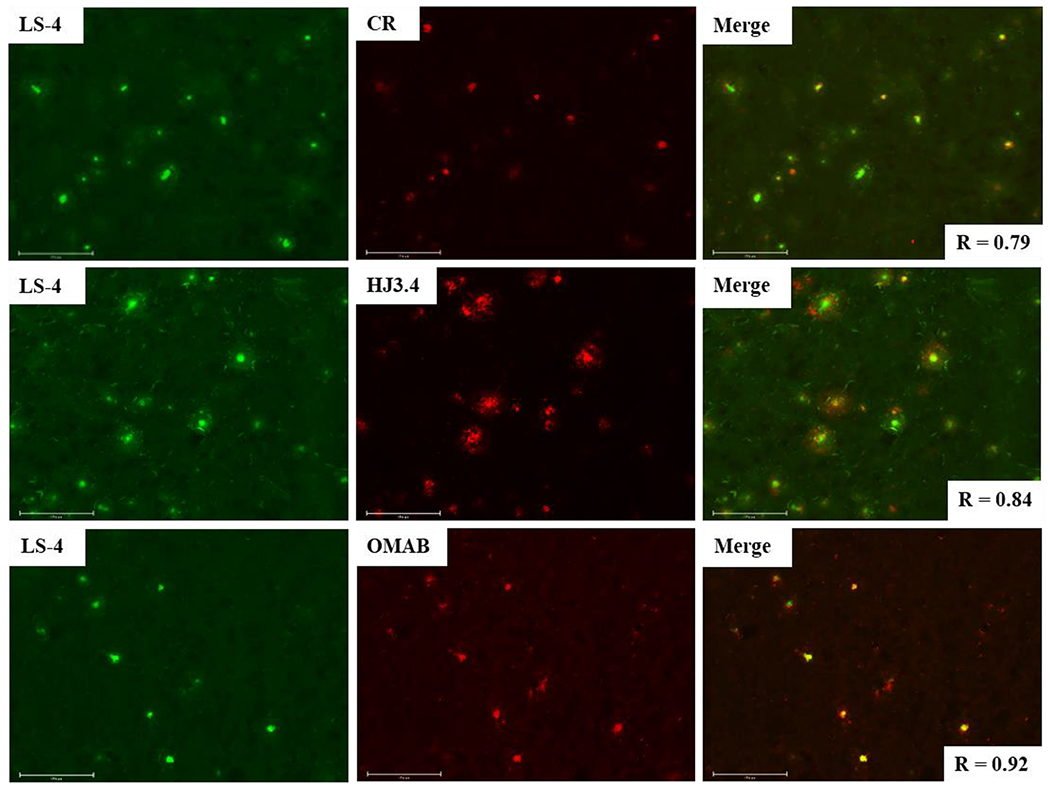
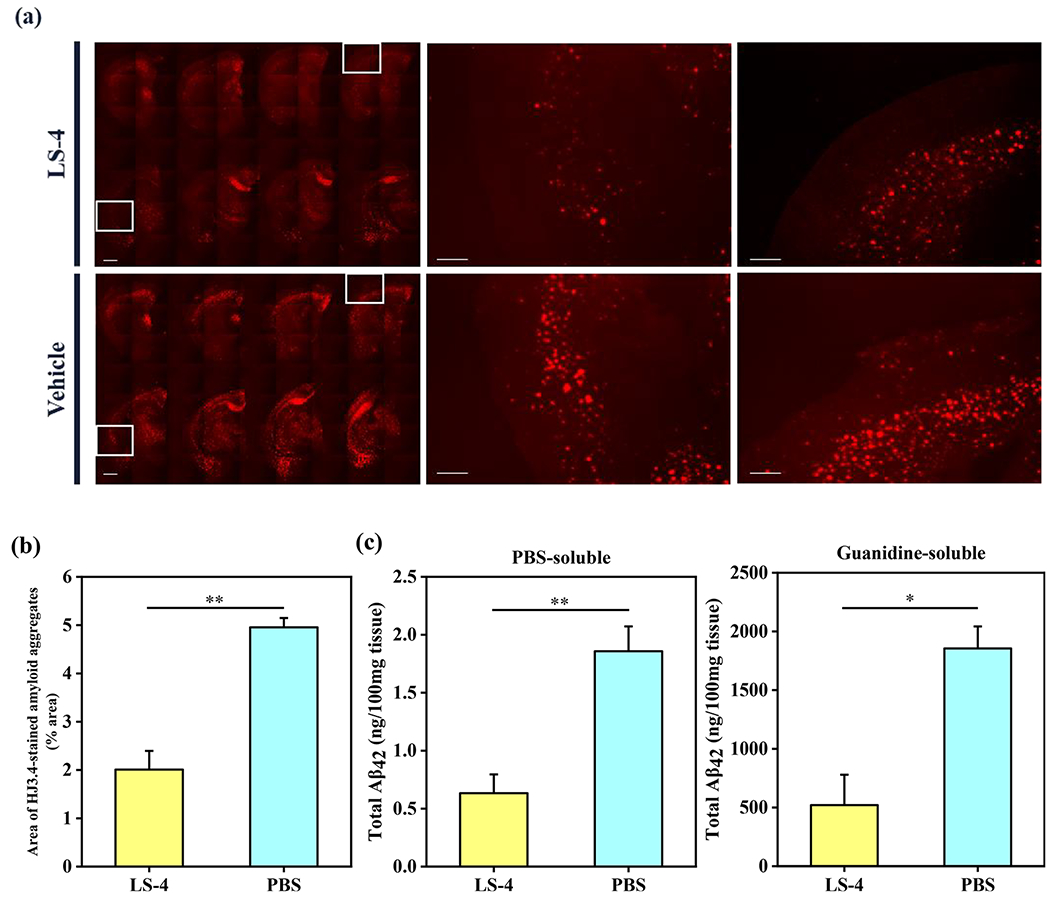
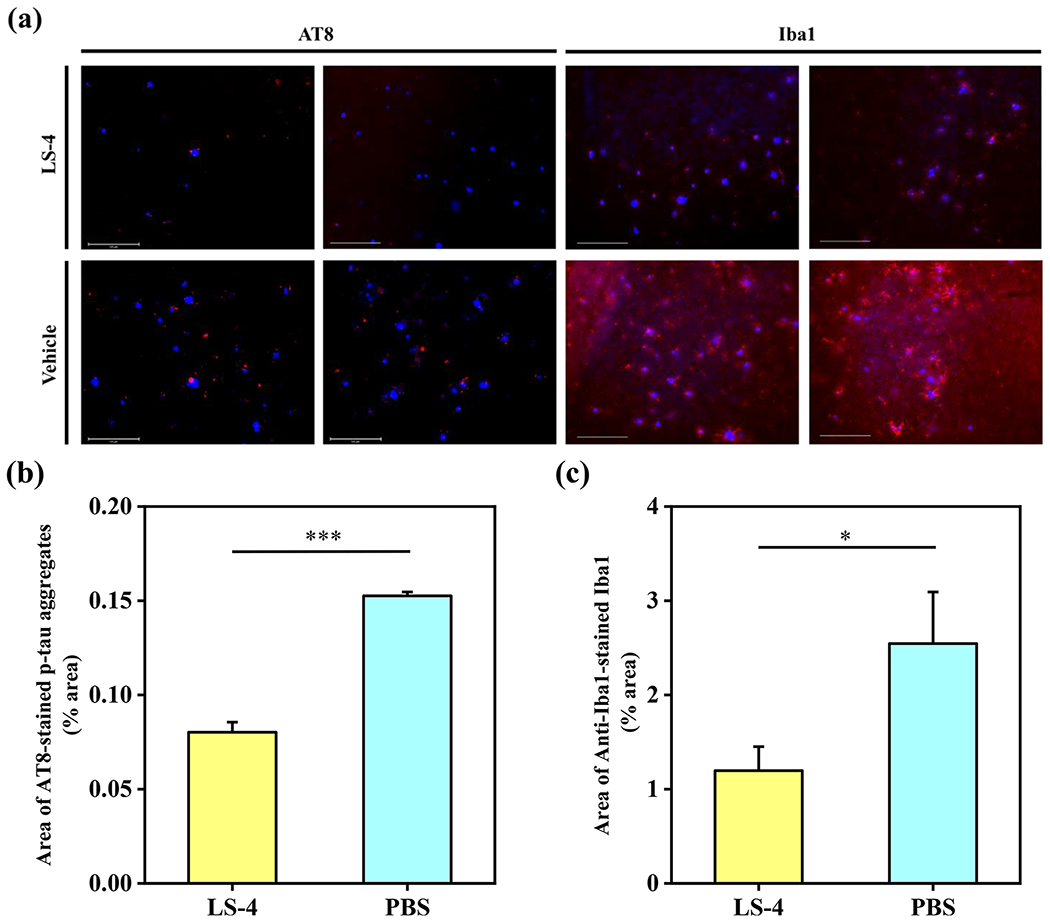
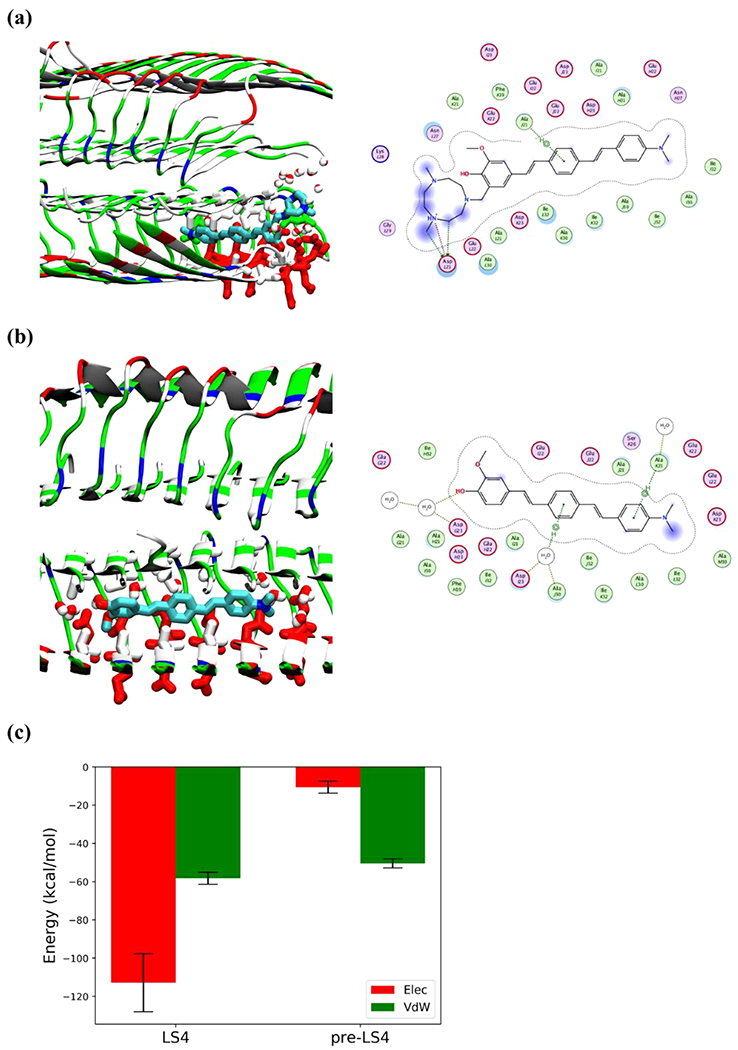
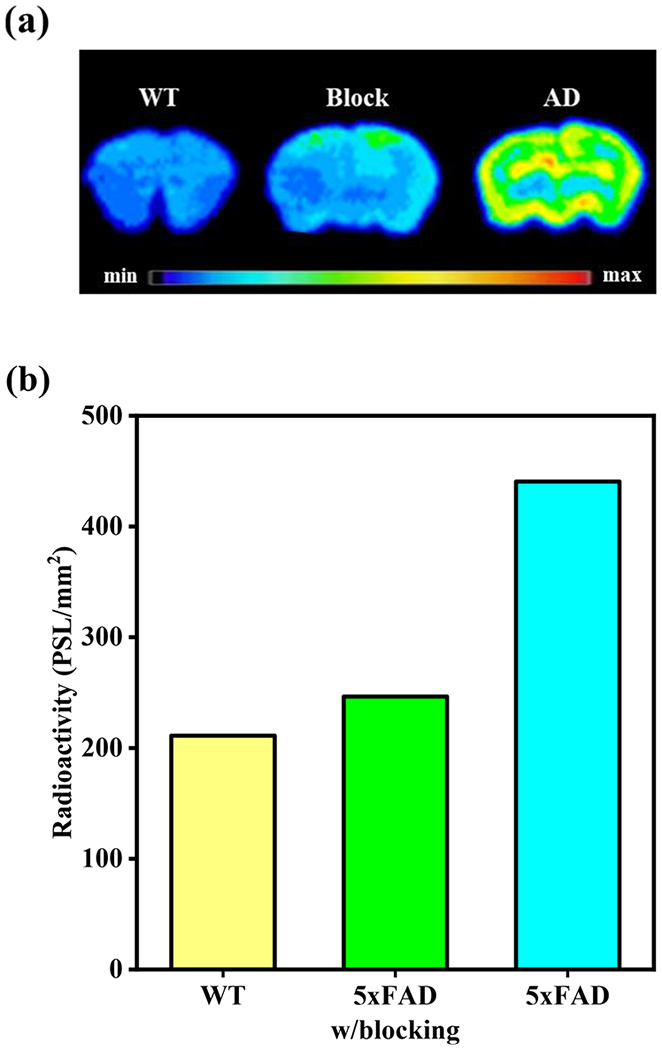
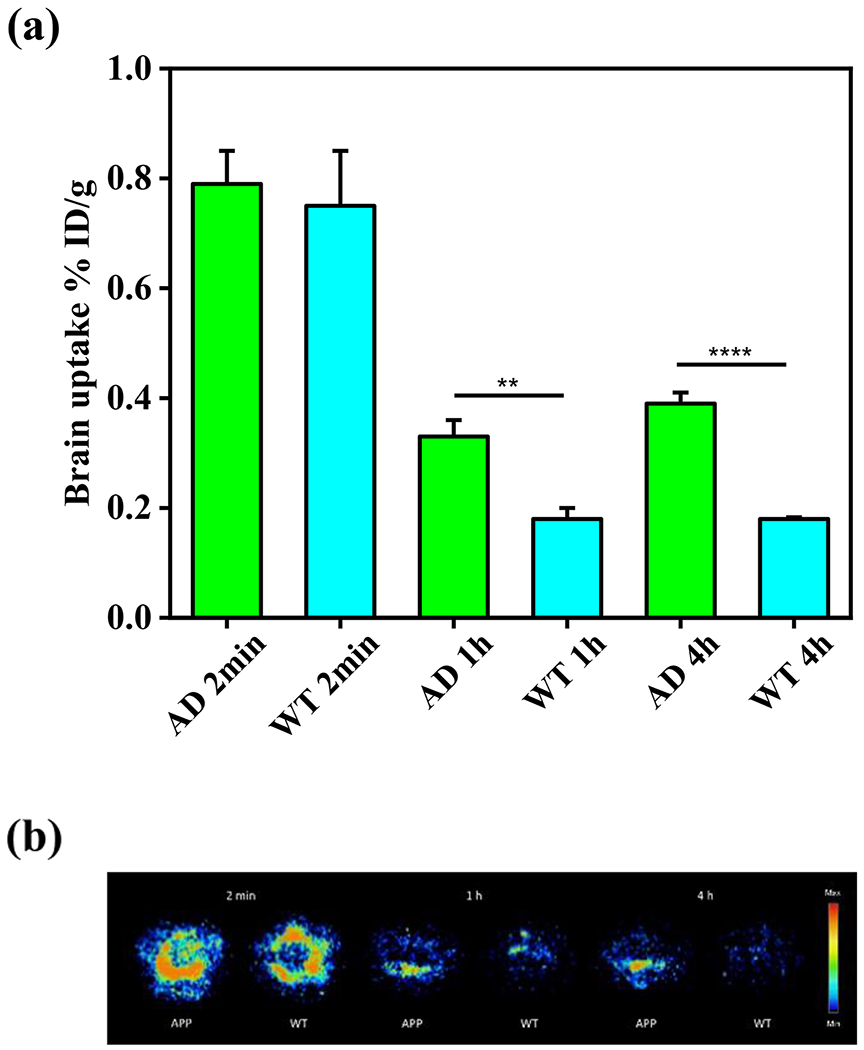
Alzheimer's Disease (AD) is the most common neurodegenerative disease, and efficient therapeutic and early diagnostic agents for AD are still lacking. Herein, we report the development of a novel amphiphilic compound, LS-4, generated by linking a hydrophobic amyloid-binding distyrylbenzene fragment with a hydrophilic triazamacrocycle, which dramatically increases the binding affinity toward various amyloid β (Aβ) peptide aggregates, especially for soluble Aβ oligomers. Moreover, upon the administration of LS-4 to 5xFAD mice, fluorescence imaging of LS-4-treated brain sections reveals that LS-4 can penetrate the blood-brain barrier and bind to the Aβ oligomers . In addition, the treatment of 5xFAD mice with LS-4 reduces the amount of both amyloid plaques and associated phosphorylated tau aggregates vs the vehicle-treated 5xFAD mice, while microglia activation is also reduced. Molecular dynamics simulations corroborate the observation that introducing a hydrophilic moiety into the molecular structure of LS-4 can enhance the electrostatic interactions with the polar residues of the Aβ species. Finally, exploiting the Cu-chelating property of the triazamacrocycle, we performed a series of imaging and biodistribution studies that show the Cu-LS-4 complex binds to the amyloid plaques and can accumulate to a significantly larger extent in the 5xFAD mouse brains vs the wild-type controls. Overall, these results illustrate that the novel strategy, to employ an amphiphilic molecule containing a hydrophilic moiety attached to a hydrophobic amyloid-binding fragment, can increase the binding affinity for both soluble and insoluble Aβ aggregates and can thus be used to detect and regulate various Aβ species in AD.
阿尔茨海默病(AD)是最常见的神经退行性疾病,目前仍缺乏有效的治疗和早期诊断试剂。在此,我们报告了一种新型两亲性化合物 LS-4 的开发,它是通过将疏水性淀粉样蛋白结合的二苯乙烯片段与亲水性三氮唑大环相连而生成的,这极大地提高了其对各种淀粉样β(Aβ)肽聚集体的结合亲和力,尤其是对可溶性 Aβ寡聚物。此外,在将 LS-4 给药至 5xFAD 小鼠后,LS-4 处理脑切片的荧光成像显示 LS-4 可以穿透血脑屏障并与 Aβ寡聚物结合。此外,与载体处理的 5xFAD 小鼠相比,LS-4 处理的 5xFAD 小鼠中的淀粉样斑块和相关磷酸化 tau 聚集体的量减少,而小胶质细胞的激活也减少。分子动力学模拟证实了这一观察结果,即向 LS-4 的分子结构中引入亲水性部分可以增强与 Aβ物种的极性残基的静电相互作用。最后,利用三氮唑大环的 Cu 螯合性质,我们进行了一系列成像和生物分布研究,结果表明 Cu-LS-4 复合物与淀粉样斑块结合,并可以在 5xFAD 小鼠脑中以比野生型对照显著更大的程度积累。总的来说,这些结果表明,采用含有连接到疏水性淀粉样蛋白结合片段的亲水性部分的两亲性分子的新策略可以增加对可溶性和不溶性 Aβ聚集体的结合亲和力,因此可以用于检测和调节 AD 中的各种 Aβ物种。