Wang Yu-Ming, Xu Xin, Tang Jian, Sun Zhi-Yong, Fu Yu-Jie, Zhao Xiao-Jing, Ma Xiu-Mei, Ye Qing
Department of Thoracic Surgery, Renji Hospital, School of Medicine, Shanghai Jiao Tong University, Shanghai, 200127, People's Republic of China.
Department of Radiation Oncology, Renji Hospital, School of Medicine, Shanghai Jiao Tong University, Shanghai, 200127, People's Republic of China.
Cell Biosci. 2021 Jul 6;11(1):124. doi: 10.1186/s13578-021-00640-2.
Apatinib, a novel vascular endothelial growth factor receptor-2 (VEGFR-2) tyrosine kinase inhibitor, has been approved for the treatment of metastatic gastric cancer and other tumors. Apatinib exerts antiproliferative and proapoptotic effects in different kinds of cancer cells. However, the molecular mechanisms by which apatinib effective against esophageal squamous cell carcinoma (ESCC) have only been partially researched and whether it has a sensitizing effect on paclitaxel remains unclear.
The effects of apatinib or paclitaxel on endoplasmic reticulum (ER) stress, autophagy, apoptosis and proliferation of ESCC cell lines were evaluated. Western blot and immunohistochemistry analyses were performed to detect the expression of related genes. The weight and volume of xenograft tumors in mice were measured.
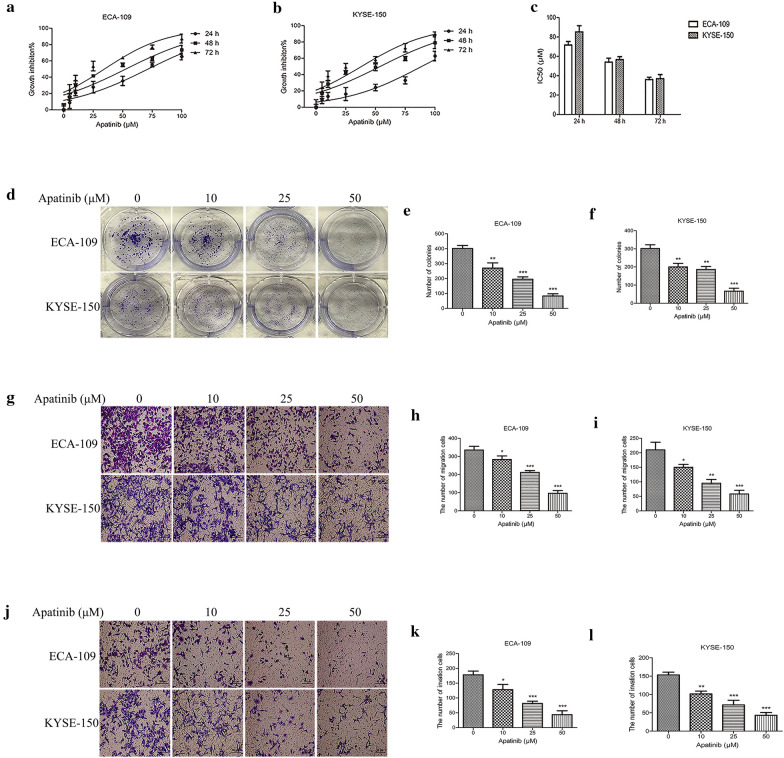
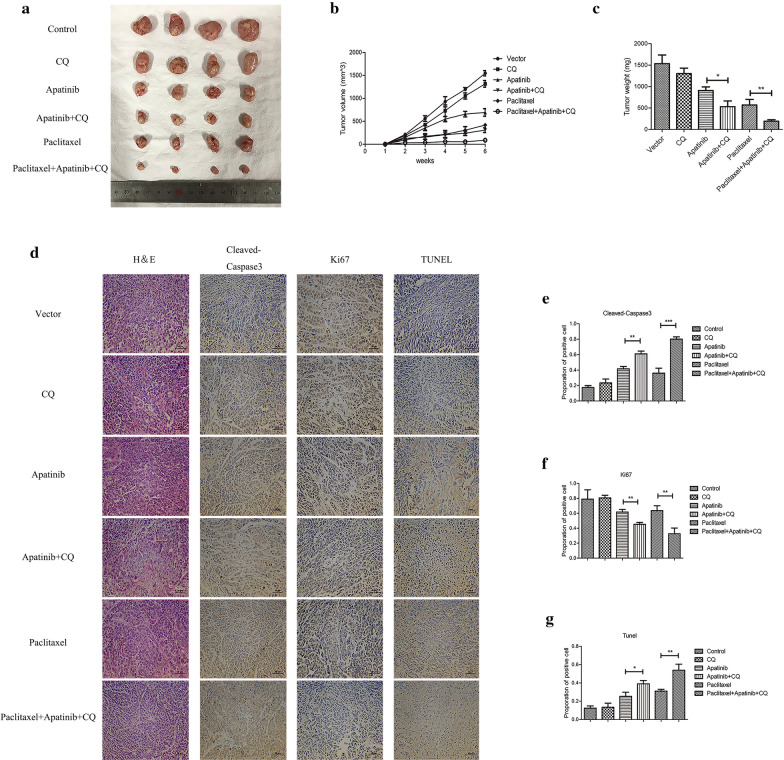
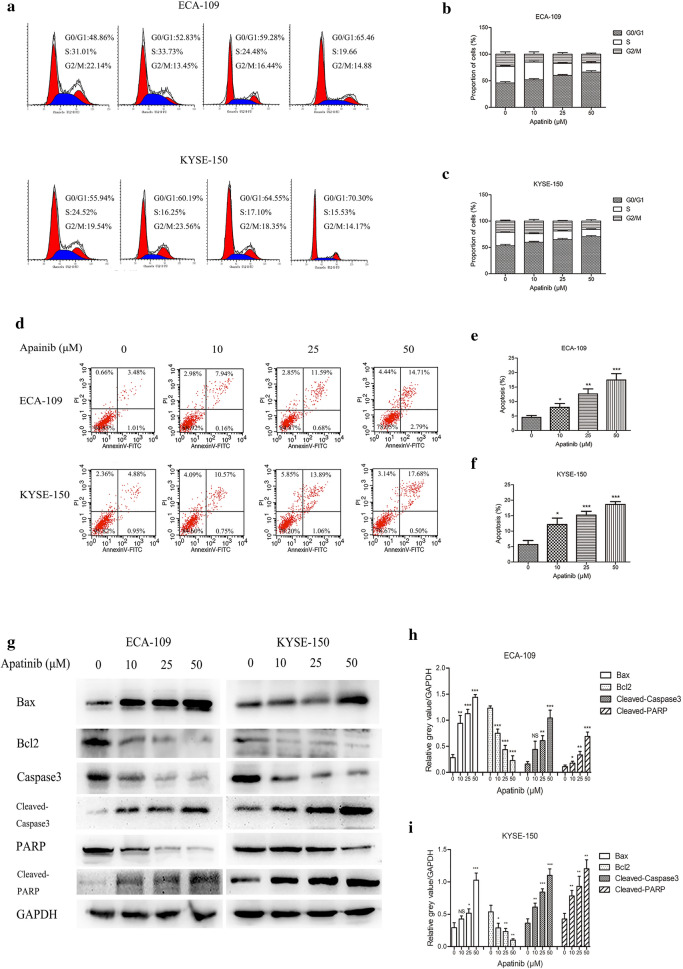
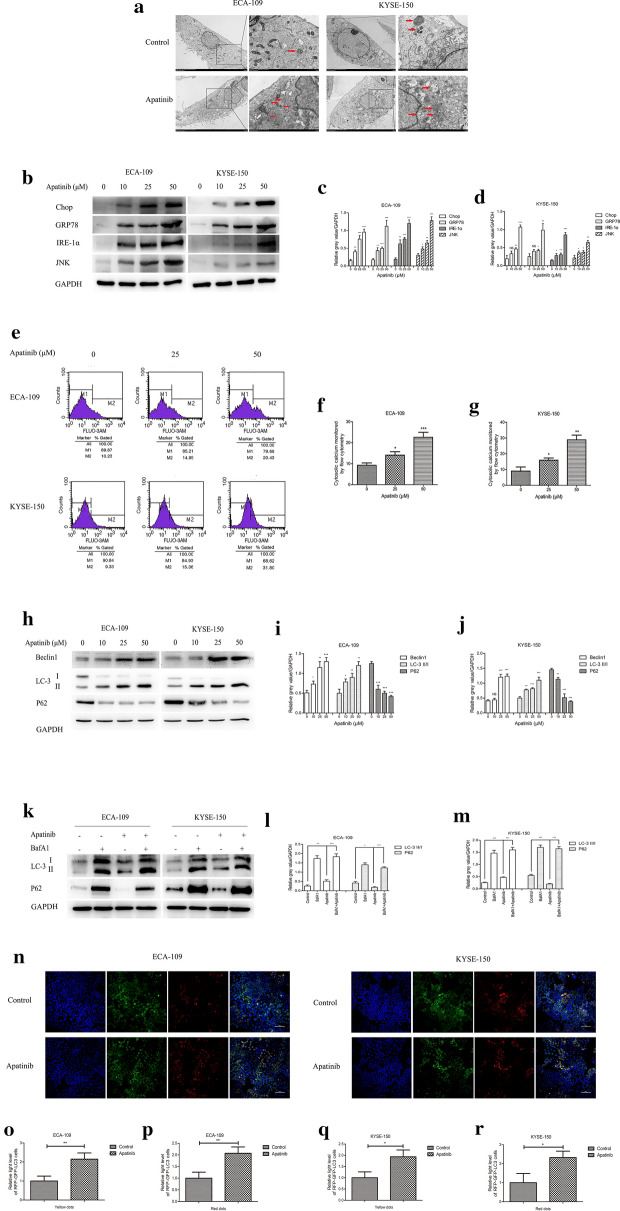
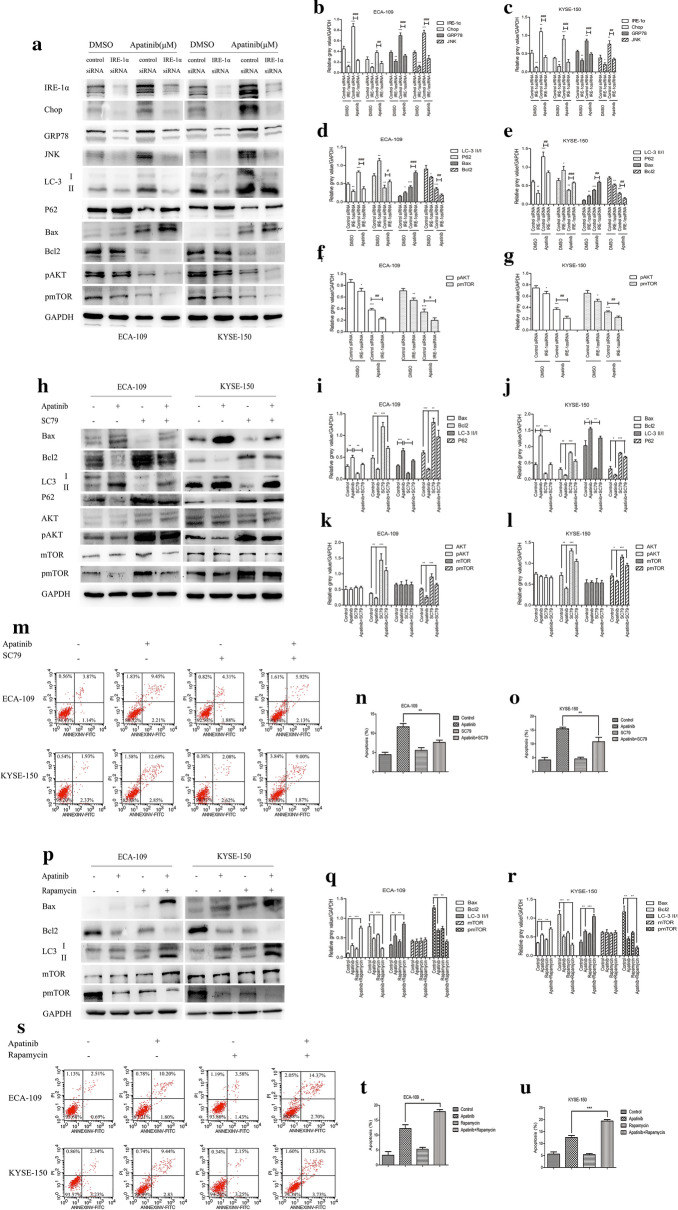
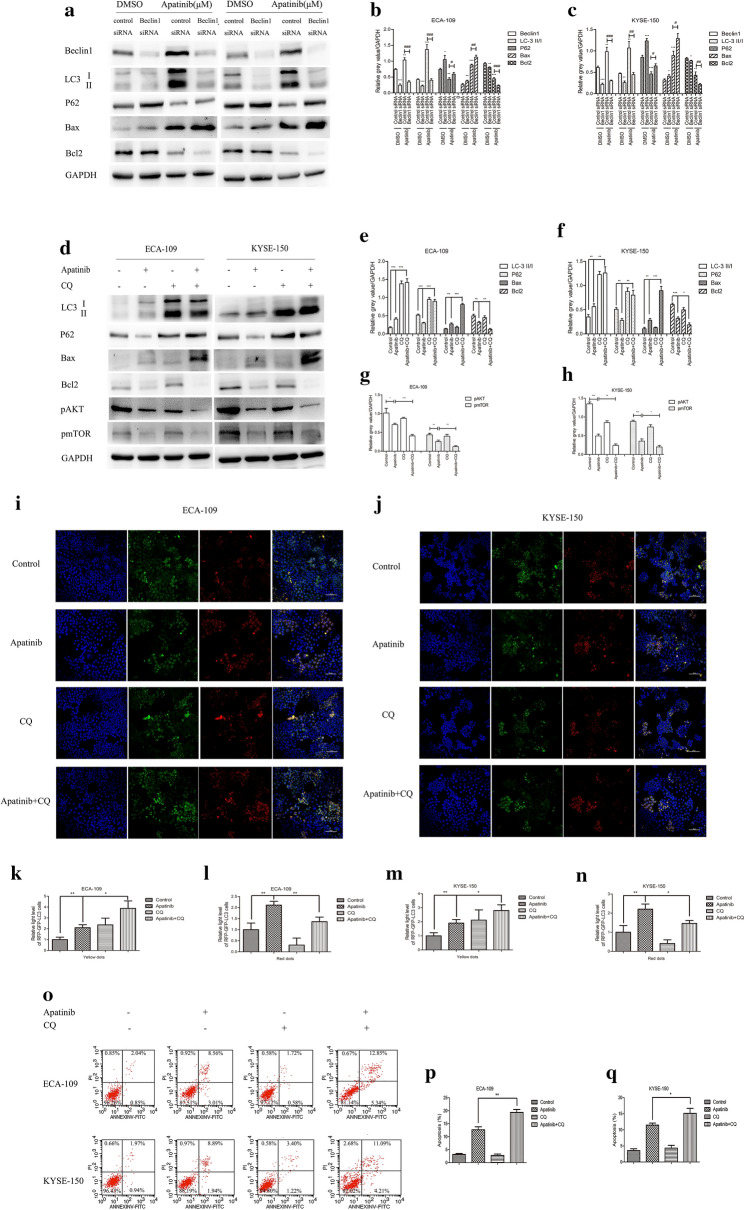
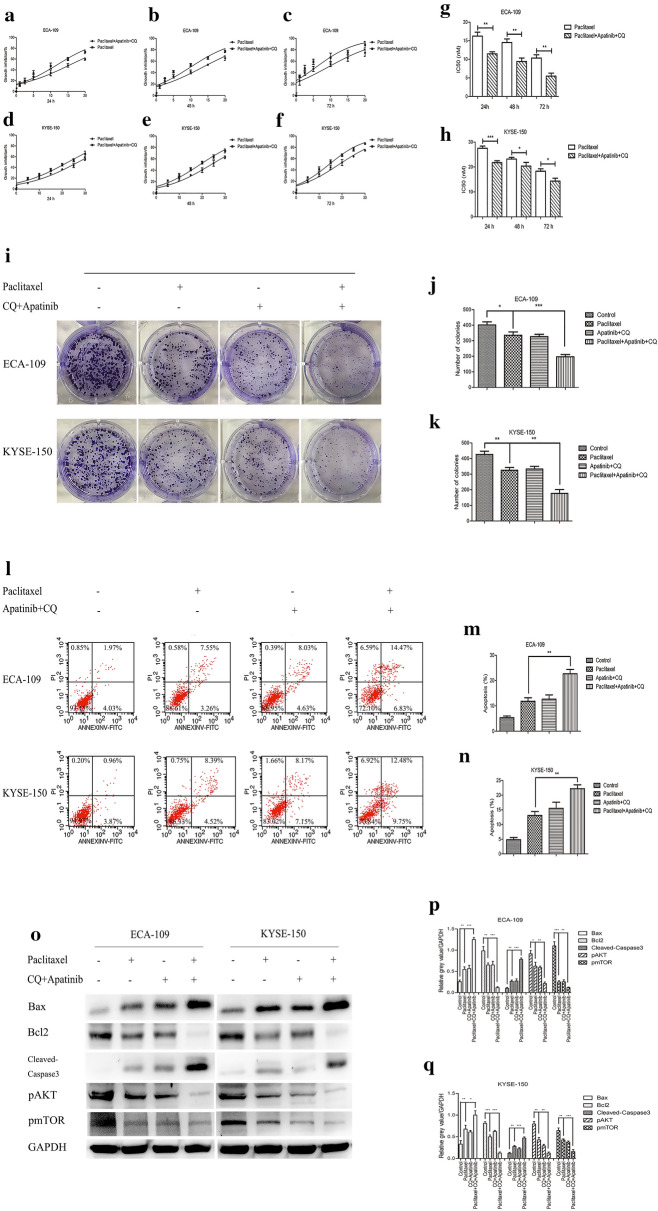
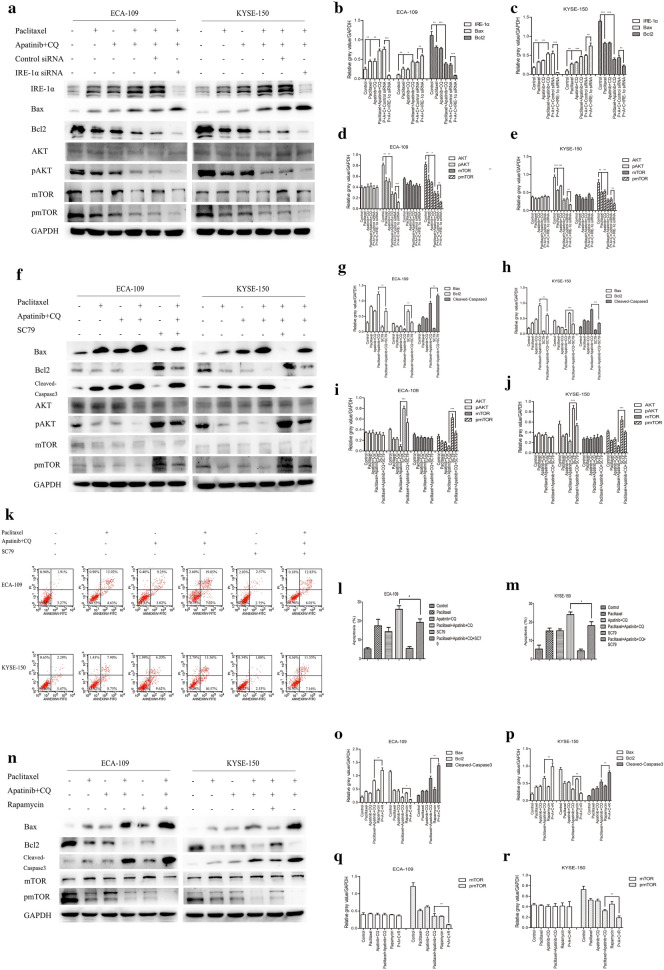
In the current study, we elucidated the antiproliferative and ER-stress-mediated autophagy-inducing effects of apatinib on ECA-109 and KYSE-150 esophageal squamous cancer cells and identified the underlying mechanisms of its action. We demonstrated that apatinib not only inhibited the proliferation and induced the apoptosis of ESCC cells, but also activated ER stress and triggered protective autophagy. Moreover, inhibiting autophagy by chloroquine (CQ) enhanced the apatinib-induced apoptosis of ESCC cells through the IRE-1α-AKT-mTOR pathway. In addition, we showed, for the first time, the paclitaxel combined with apatinib and CQ exhibited the best antitumor effect on ESCC both in vivo and in vitro via the IRE-1α-AKT-mTOR pathway.
Our data showed that apatinib induced ER stress, autophagy and apoptosis in ESCC. Inhibiting autophagy by CQ enhanced apatinib-induced apoptosis. The combination of apatinib and CQ sensitized ESCC cells to paclitaxel to induce apoptosis through the IRE-1α-AKT-mTOR signaling pathway, thus providing the basis for its use in innovative anticancer therapeutic strategies.
阿帕替尼是一种新型血管内皮生长因子受体-2(VEGFR-2)酪氨酸激酶抑制剂,已被批准用于治疗转移性胃癌和其他肿瘤。阿帕替尼在不同类型的癌细胞中发挥抗增殖和促凋亡作用。然而,阿帕替尼对食管鳞状细胞癌(ESCC)有效的分子机制仅得到部分研究,其对紫杉醇是否具有增敏作用仍不清楚。
评估阿帕替尼或紫杉醇对ESCC细胞系内质网(ER)应激、自噬、凋亡和增殖的影响。进行蛋白质免疫印迹和免疫组织化学分析以检测相关基因的表达。测量小鼠异种移植瘤的重量和体积。
在本研究中,我们阐明了阿帕替尼对ECA-109和KYSE-150食管鳞状癌细胞的抗增殖和ER应激介导的自噬诱导作用,并确定了其作用的潜在机制。我们证明阿帕替尼不仅抑制ESCC细胞的增殖并诱导其凋亡,还激活ER应激并引发保护性自噬。此外,用氯喹(CQ)抑制自噬通过IRE-1α-AKT-mTOR途径增强了阿帕替尼诱导的ESCC细胞凋亡。此外,我们首次表明,紫杉醇联合阿帕替尼和CQ通过IRE-1α-AKT-mTOR途径在体内和体外对ESCC均表现出最佳抗肿瘤作用。
我们的数据表明,阿帕替尼在ESCC中诱导ER应激、自噬和凋亡。用CQ抑制自噬增强了阿帕替尼诱导的凋亡。阿帕替尼和CQ的联合使用使ESCC细胞对紫杉醇敏感,通过IRE-1α-AKT-mTOR信号通路诱导凋亡,从而为其在创新抗癌治疗策略中的应用提供了依据。