L'institut du thorax, INSERM, CNRS, UNIV NANTES, Nantes, France.
L'institut du thorax, INSERM, CNRS, UNIV NANTES, Nantes, France; Laboratory of Biochemical Neuroendocrinology, Institut de Recherches Cliniques de Montréal, Affiliated to the Université de Montréal, Montreal, Canada.
J Lipid Res. 2021;62:100096. doi: 10.1016/j.jlr.2021.100096. Epub 2021 Jul 17.
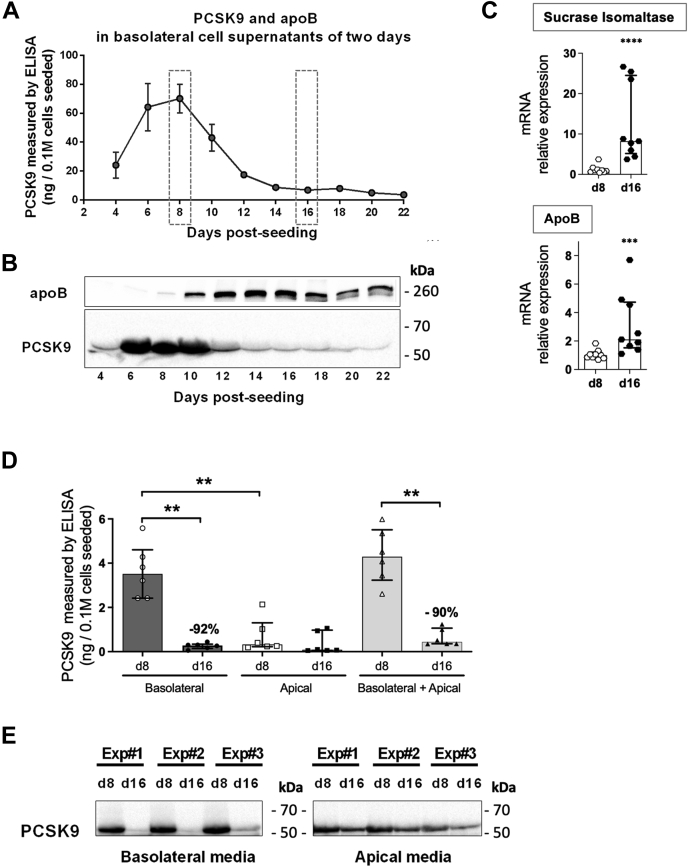
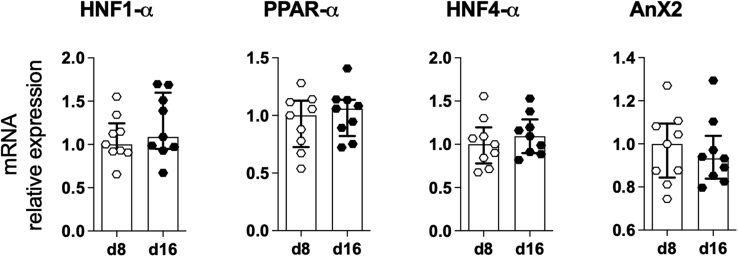
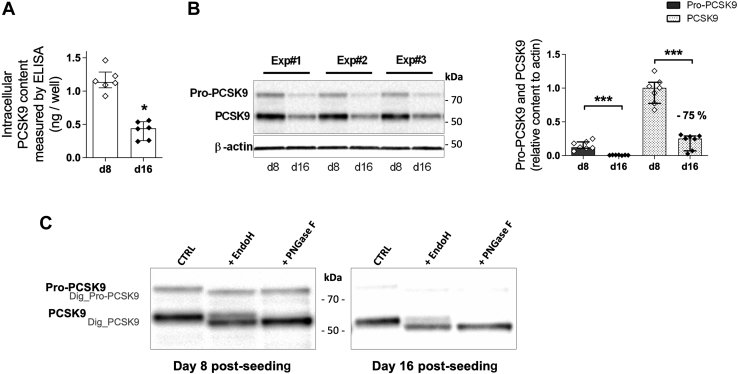
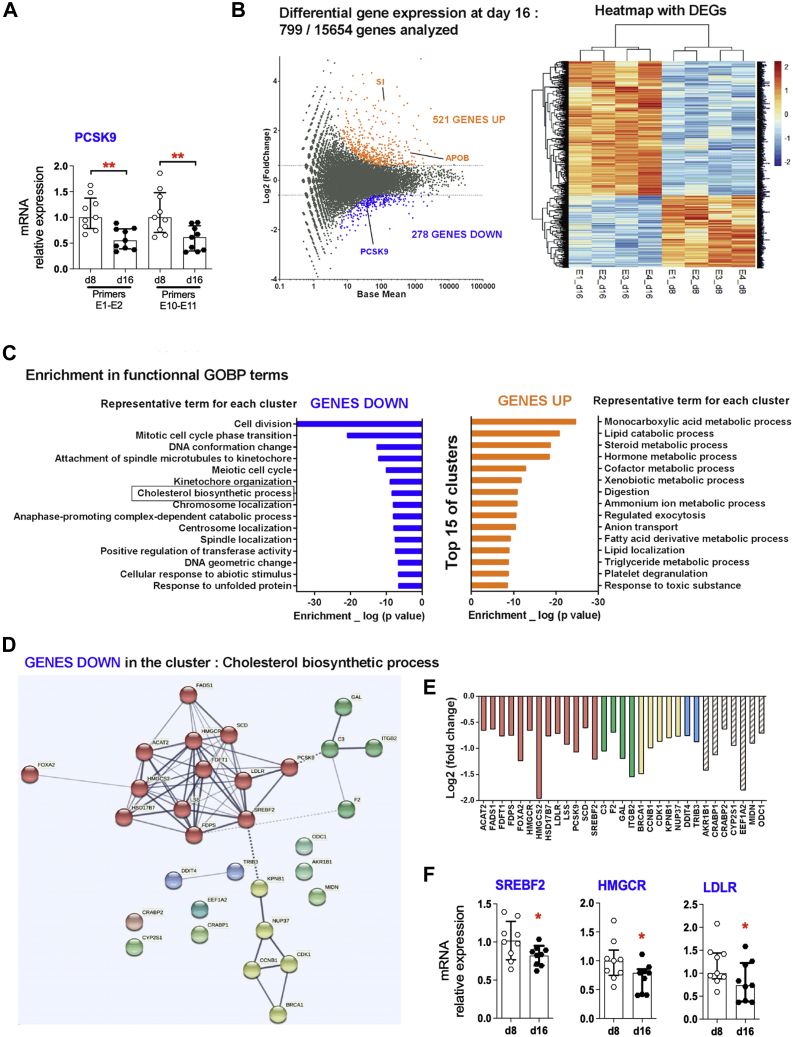
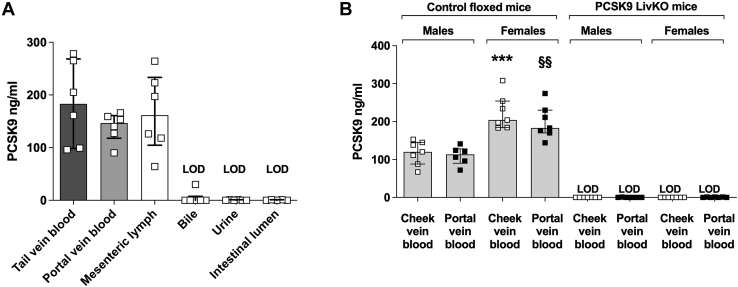
Proprotein convertase subtilisin/kexin type 9 (PCSK9) promotes lysosomal degradation of the LDL receptor and is a key regulator of cholesterol metabolism. After the liver, the small intestine is the second organ that highly expresses PCSK9. However, the small intestine's ability to secrete PCSK9 remains a matter of debate. While liver-specific PCSK9-deficient mice present no PCSK9 in systemic blood, human intestinal Caco-2 cells can actively secrete PCSK9. This raises the possibility for active intestinal secretion via the portal blood. Here, we aimed to determine whether enterocytes can secrete PCSK9 using in vitro, ex vivo, and in vivo approaches. We first observed that PCSK9 secretion from Caco-2 cells was biphasic and dependent on Caco-2 maturation status. Transcriptional analysis suggested that this transient reduction in PCSK9 secretion might be due to loss of SREBP2-mediated transcription of PCSK9. Consistently, PCSK9 secretion was not detected ex vivo in human or mouse intestinal biopsies mounted in Ussing chambers. Finally, direct comparison of systemic versus portal blood PCSK9 concentrations in WT or liver-specific PCSK9-deficient mice confirmed the inability of the small intestine to secrete PCSK9 into the portal compartment. Altogether, our data demonstrate that mature enterocytes do not secrete PCSK9 and reinforce the central role of the liver in the regulation of the concentration of circulating PCSK9 and consequently of cellular LDL receptors.
前蛋白转化酶枯草溶菌素 9(PCSK9)促进 LDL 受体的溶酶体降解,是胆固醇代谢的关键调节因子。除肝脏外,小肠是第二高表达 PCSK9 的器官。然而,小肠分泌 PCSK9 的能力仍存在争议。尽管肝脏特异性 PCSK9 缺陷型小鼠在全身血液中没有 PCSK9,但人小肠 Caco-2 细胞可以主动分泌 PCSK9。这提示通过门静脉血液可能存在主动肠分泌。在这里,我们旨在使用体外、离体和体内方法确定肠细胞是否可以分泌 PCSK9。我们首先观察到 Caco-2 细胞中 PCSK9 的分泌呈双相,且依赖于 Caco-2 成熟状态。转录分析表明,这种 PCSK9 分泌的短暂减少可能是由于 SREBP2 介导的 PCSK9 转录丢失所致。一致地,在 Ussing 室中安装的人或鼠肠活检中未检测到离体的 PCSK9 分泌。最后,在 WT 或肝脏特异性 PCSK9 缺陷型小鼠中直接比较全身血和门静脉血 PCSK9 浓度,证实了小肠不能将 PCSK9 分泌到门静脉腔中。总之,我们的数据表明成熟的肠细胞不分泌 PCSK9,并强化了肝脏在调节循环 PCSK9 浓度以及细胞 LDL 受体中的核心作用。