Applied Biological and Biosecurity Research Laboratory, Pennsylvania State University, University Park, PA, USA.
The Huck Institutes of the Life Sciences, Pennsylvania State University, University Park, PA, USA.
Sci Rep. 2021 Jul 21;11(1):14876. doi: 10.1038/s41598-021-94112-9.
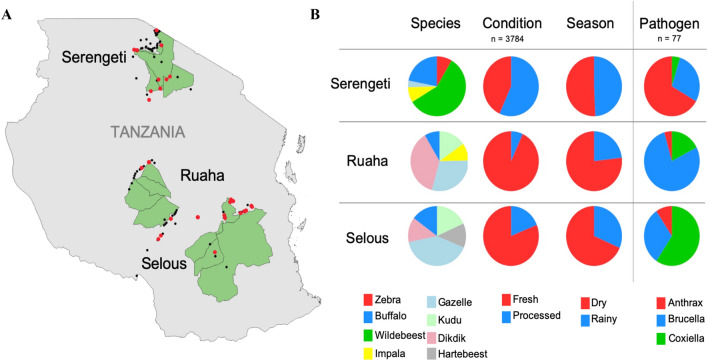
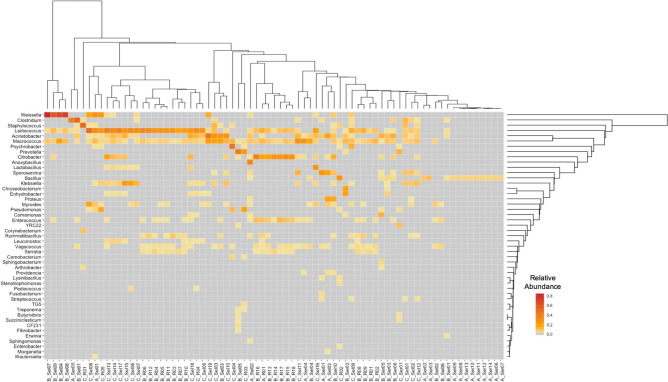
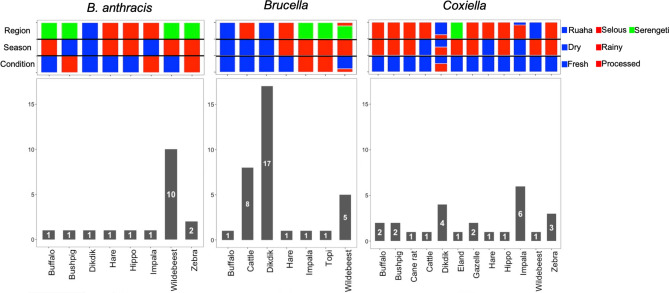
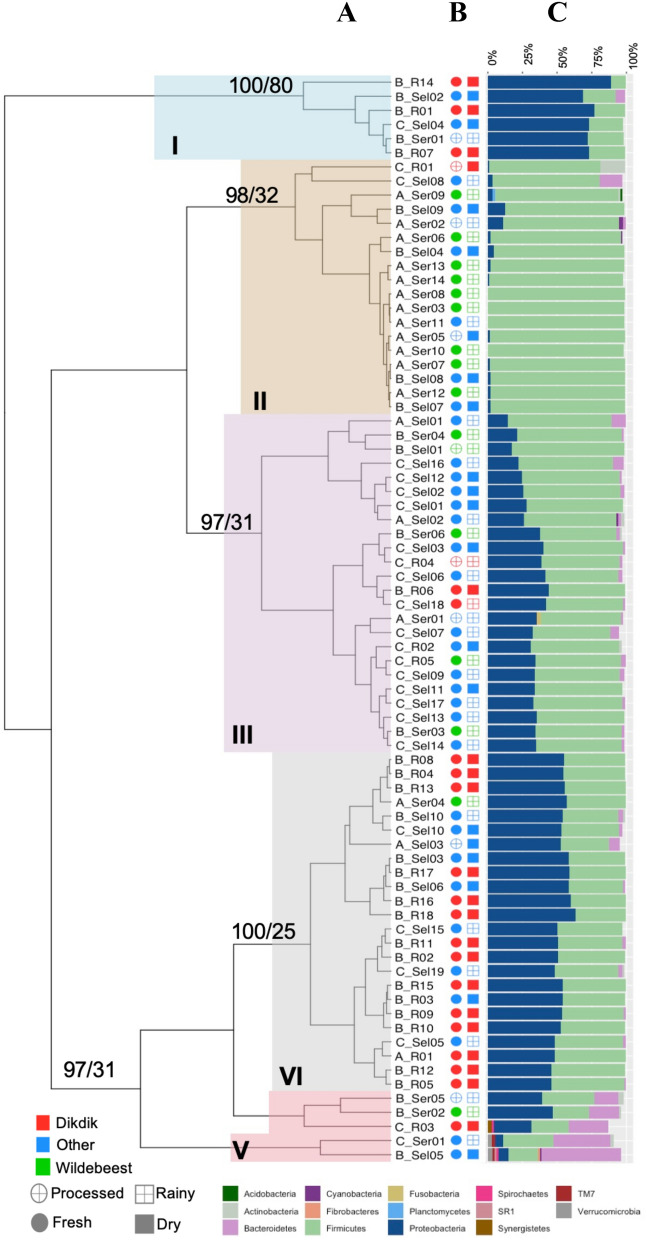
Meat from wildlife species (bushmeat) represents a major source of dietary protein in low- and middle-income countries where humans and wildlife live in close proximity. Despite the occurrence of zoonotic pathogens in wildlife, their prevalence in bushmeat remains unknown. To assess the risk of exposure to major pathogens in bushmeat, a total of 3784 samples, both fresh and processed, were collected from three major regions in Tanzania during both rainy and dry seasons, and were screened by real-time PCR for the presence of DNA signatures of Bacillus anthracis (B. anthracis), Brucella spp. (Brucella) and Coxiella burnetii (Coxiella). The analysis identified DNA signatures of B. anthracis (0.48%), Brucella (0.9%), and Coxiella (0.66%) in a total of 77 samples. Highest prevalence rates of B. anthracis, Brucella, and Coxiella were observed in wildebeest (56%), dik-dik (50%), and impala (24%), respectively. Fresh samples, those collected during the rainy season, and samples from Selous or Serengeti had a greater relative risk of being positive. Microbiome characterization identified Firmicutes and Proteobacteria as the most abundant phyla. The results highlight and define potential risks of exposure to endemic wildlife diseases from bushmeat and the need for future investigations to address the public health and emerging infectious disease risks associated with bushmeat harvesting, trade, and consumption.
野生动物肉类(野味)是低、中收入国家中人类与野生动物近距离接触地区的主要蛋白质来源。尽管野生动物中存在人畜共患病病原体,但野味中这些病原体的流行情况尚不清楚。为评估接触野味中主要病原体的风险,我们在坦桑尼亚三个主要地区的雨季和旱季共采集了 3784 个新鲜和加工后的样本,通过实时 PCR 筛查炭疽芽孢杆菌(B. anthracis)、布鲁氏菌属(Brucella)和柯克斯体(Coxiella)的 DNA 特征。分析共在 77 个样本中发现了炭疽芽孢杆菌(0.48%)、布鲁氏菌(0.9%)和柯克斯体(0.66%)的 DNA 特征。在角马(56%)、小羚羊(50%)和大羚羊(24%)中观察到炭疽芽孢杆菌、布鲁氏菌和柯克斯体的最高流行率。雨季采集的新鲜样本和来自塞卢斯或塞伦盖蒂的样本具有更高的阳性相对风险。微生物组特征鉴定出厚壁菌门和变形菌门为最丰富的菌门。研究结果强调并定义了从野味中接触地方性野生动物疾病的潜在风险,需要进行未来的调查,以解决与野味采集、贸易和消费相关的公共卫生和新发传染病风险。