Yang Zongyao, Tang Juxing, Santosh M, Zhao Xiaoyan, Lang Xinghai, Wang Ying, Ding Shuai, Ran Fengqin
Faculty of Geosciences and Environmental Engineering, Southwest Jiaotong University, Chengdu, 611756, China.
Institute of Mineral Resources, Chinese Academy of Geological Sciences, Beijing, 100037, China.
Sci Rep. 2021 Jul 21;11(1):14882. doi: 10.1038/s41598-021-94492-y.
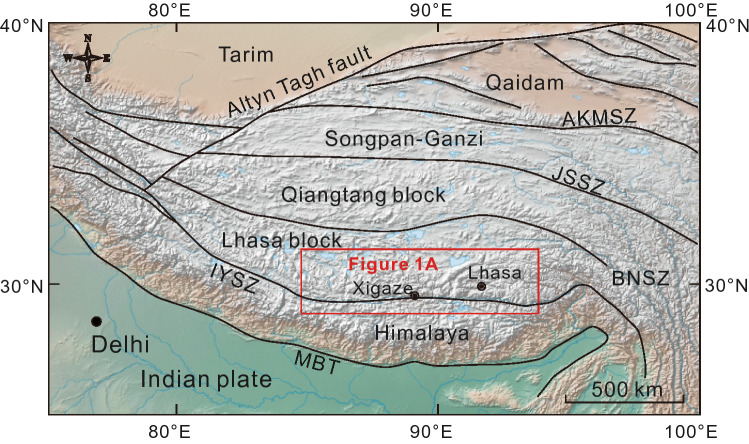
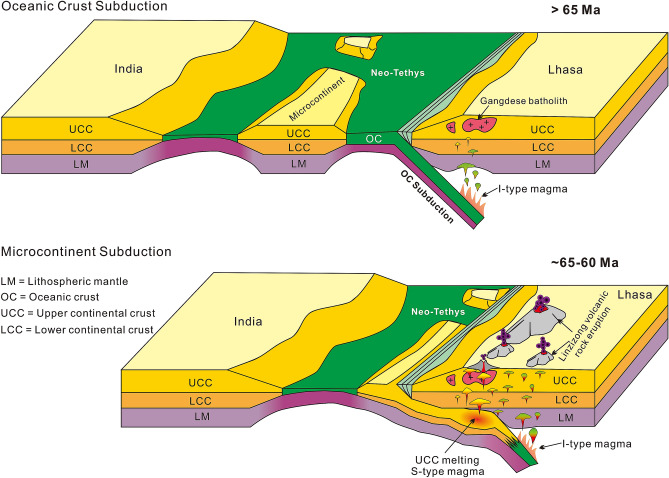
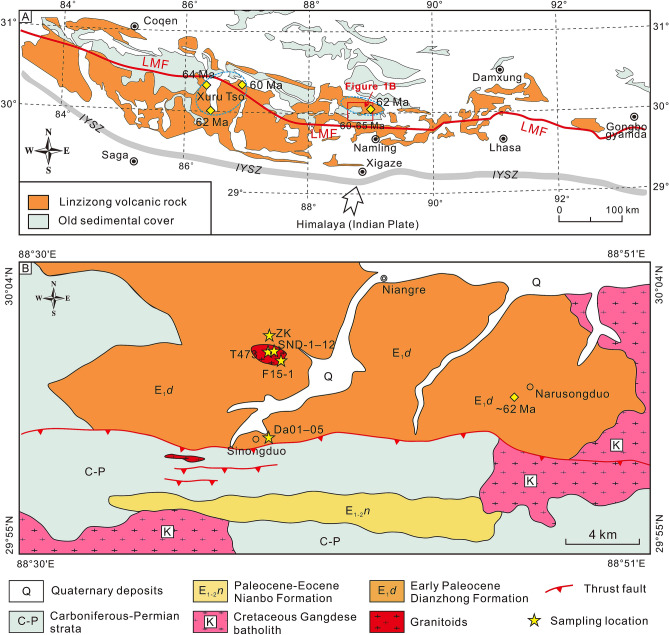
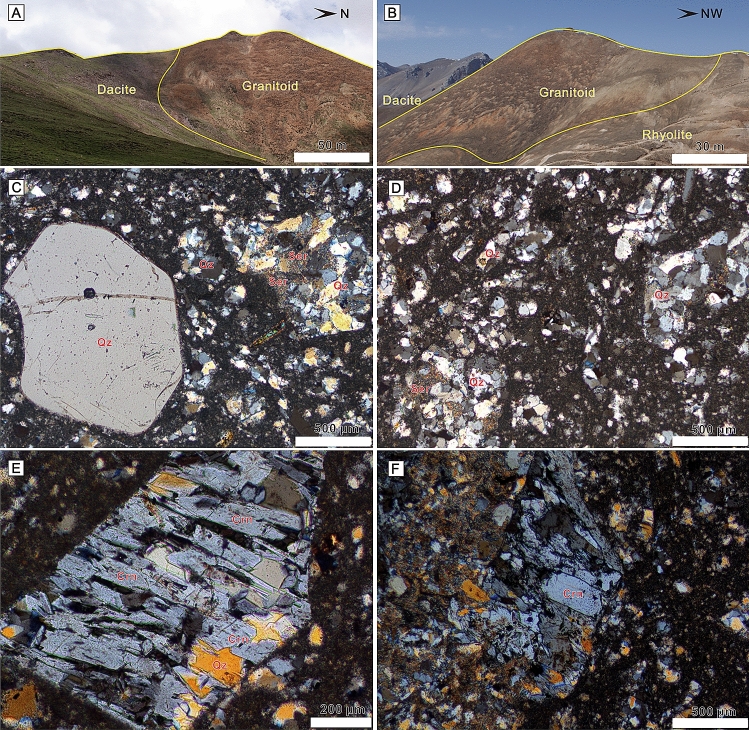
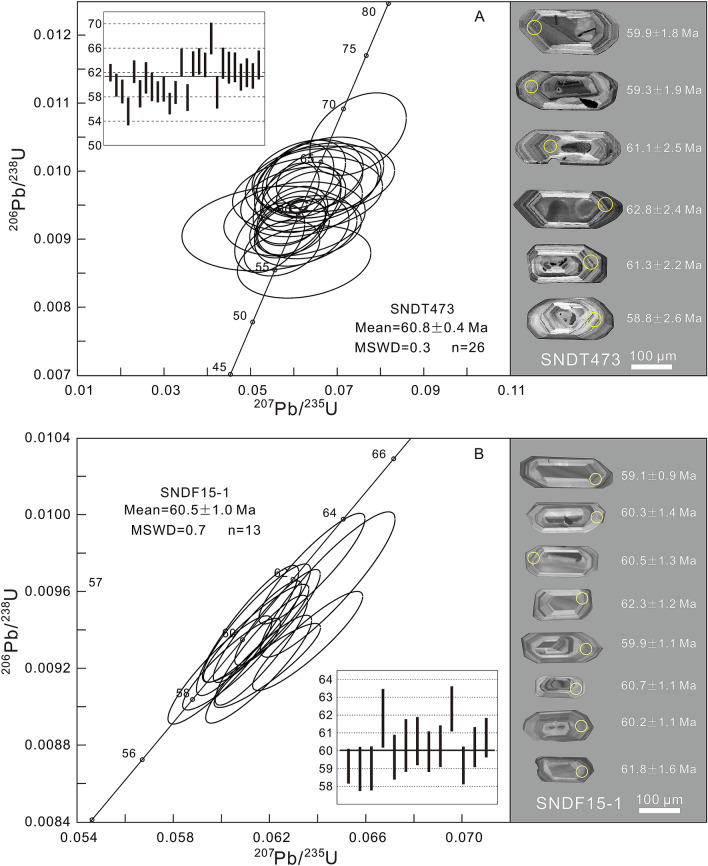
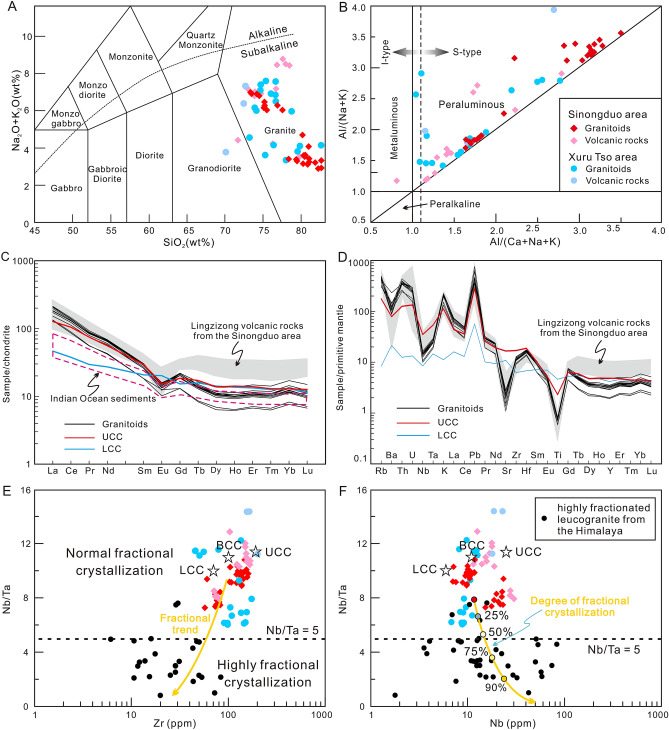
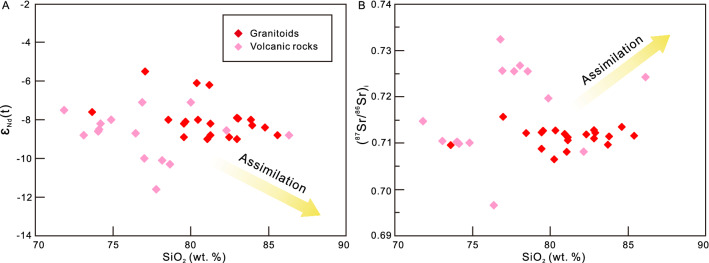
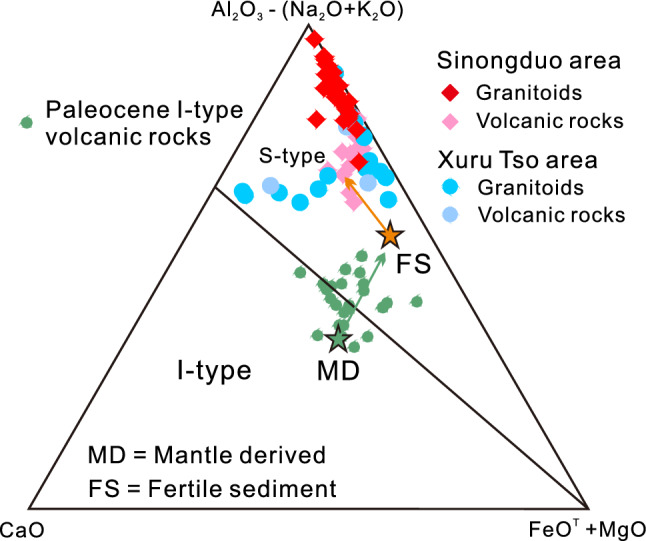
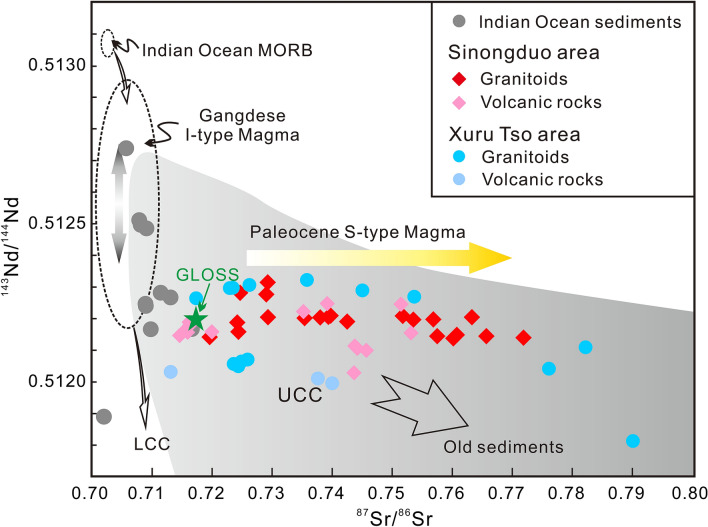
Continental crust has long been considered too buoyant to be subducted beneath another continent, although geophysical evidence in collision zones predict continental crust subduction. This is particularly significant where upper continental crust is detached allowing the lower continental crust to subduct, albeit the mechanism of such subduction and recycling of the upper continental crust remain poorly understood. Here, we investigate Paleocene S-type magmatic and volcanic rocks from the Linzizong volcanic succession in the southern Lhasa block of Tibet. These rocks exhibit highly enriched Sr/Sr, Pb/Pb and Pb/Pb together with depleted Nd/Nd isotope ratios. The geochemical and isotopic features of these rocks are consistent with those of modern upper continental crust. We conclude that these Paleocene S-type volcanic and magmatic rocks originated from the melting of the upper continental crust from microcontinent subduction during the late stage of India-Asia convergence.
大陆地壳长期以来一直被认为过于漂浮,无法俯冲到另一大陆之下,尽管碰撞带的地球物理证据预测了大陆地壳的俯冲。在大陆上地壳发生拆离从而使下地壳得以俯冲的情况下,这一点尤为重要,尽管这种俯冲以及上地壳再循环的机制仍知之甚少。在此,我们研究了西藏拉萨地块南部林子宗火山岩系中的古新世S型岩浆岩和火山岩。这些岩石显示出高富集的锶/锶、铅/铅和铅/铅,以及亏损的钕/钕同位素比值。这些岩石的地球化学和同位素特征与现代上地壳的特征一致。我们得出结论,这些古新世S型火山岩和岩浆岩源自印度-亚洲汇聚晚期微大陆俯冲过程中上地壳的熔融。