Matelski Lauren, Keil Stietz Kimberly P, Sethi Sunjay, Taylor Sandra L, Van de Water Judy, Lein Pamela J
Department of Molecular Biosciences, University of California, Davis, School of Veterinary Medicine, Davis, CA 95616, USA.
Division of Biostatistics, Department of Public Health Sciences, University of California, Davis, School of Medicine, Davis, CA 95616, USA.
Curr Res Toxicol. 2020 Jun 10;1:85-103. doi: 10.1016/j.crtox.2020.09.001. Epub 2020 Sep 10.
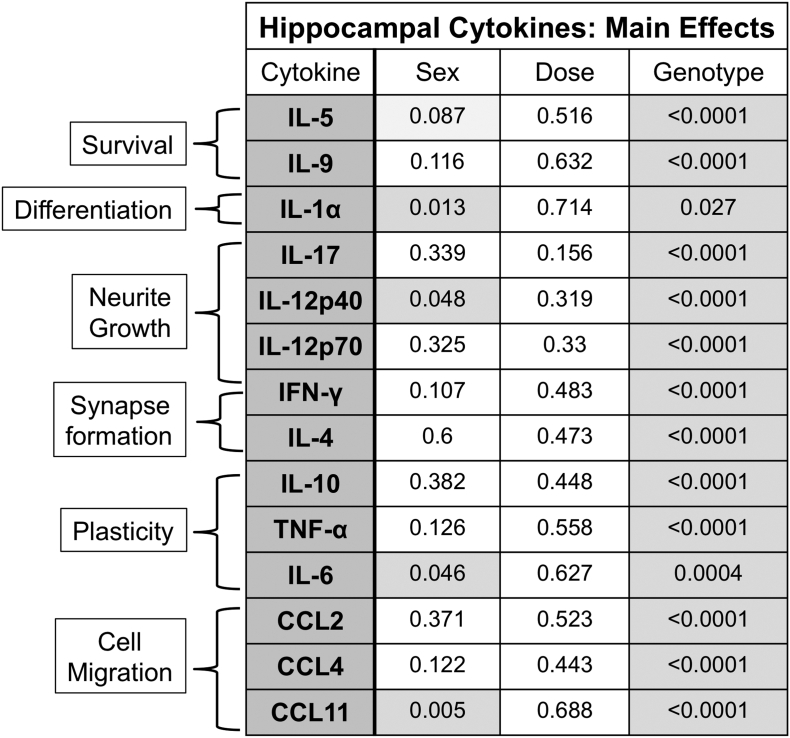
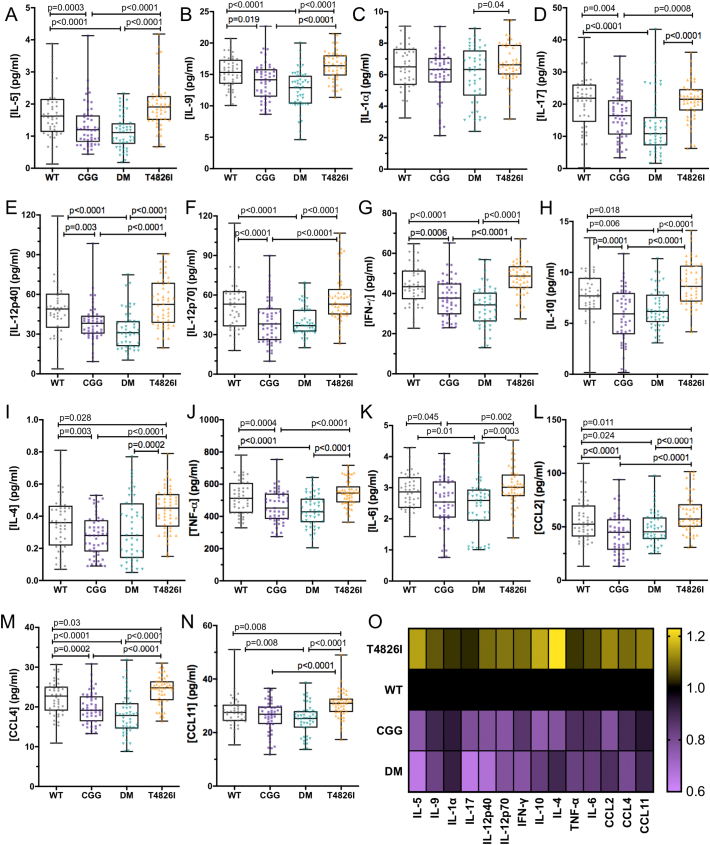
Polychlorinated biphenyls (PCBs) are pervasive environmental contaminants implicated as risk factors for neurodevelopmental disorders (NDDs). Immune dysregulation is another NDD risk factor, and developmental PCB exposures are associated with early life immune dysregulation. Studies of the immunomodulatory effects of PCBs have focused on the higher-chlorinated congeners found in legacy commercial mixtures. Comparatively little is known about the immune effects of contemporary, lower-chlorinated PCBs. This is a critical data gap given recent reports that lower-chlorinated congeners comprise >70% of the total PCB burden in serum of pregnant women enrolled in the MARBLES study who are at increased risk for having a child with an NDD. To examine the influence of PCBs, sex, and genotype on cytokine levels, mice were exposed throughout gestation and lactation to a PCB mixture in the maternal diet, which was based on the 12 most abundant PCBs in sera from MARBLES subjects. Using multiplex array, cytokines were quantified in the serum and hippocampus of weanling mice expressing either a human gain-of-function mutation in ryanodine receptor 1 (T4826I mice), a human CGG premutation repeat expansion in the fragile X mental retardation gene 1 (CGG mice), or both mutations (DM mice). Congenic wildtype (WT) mice were used as controls. There were dose-dependent effects of PCB exposure on cytokine concentrations in the serum but not hippocampus. Differential effects of genotype were observed in the serum and hippocampus. Hippocampal cytokines were consistently elevated in T4826I mice and also in WT animals for some cytokines compared to CGG and DM mice, while serum cytokines were usually elevated in the mutant genotypes compared to the WT group. Males had elevated levels of 19 cytokines in the serum and 4 in the hippocampus compared to females, but there were also interactions between sex and genotype for 7 hippocampal cytokines. Only the chemokine CCL5 in the serum showed an interaction between PCB dose, genotype, and sex. Collectively, these findings indicate differential influences of PCB exposure and genotype on cytokine levels in serum and hippocampal tissue of weanling mice. These results suggest that developmental PCB exposure has chronic effects on baseline serum, but not hippocampal, cytokine levels in juvenile mice.
多氯联苯(PCBs)是普遍存在的环境污染物,被认为是神经发育障碍(NDDs)的风险因素。免疫失调是另一个NDD风险因素,发育过程中接触PCBs与早期生活免疫失调有关。对PCBs免疫调节作用的研究主要集中在传统商业混合物中发现的高氯代同系物上。相比之下,对于当代低氯代PCBs的免疫影响知之甚少。鉴于最近的报告称,在参加MARBLES研究的孕妇血清中,低氯代同系物占总PCB负担的70%以上,而这些孕妇生育患有NDD孩子的风险增加,这是一个关键的数据空白。为了研究PCBs、性别和基因型对细胞因子水平的影响,在整个妊娠和哺乳期,将小鼠暴露于母体饮食中的一种PCB混合物中,该混合物基于MARBLES受试者血清中12种最丰富的PCBs。使用多重阵列,对表达ryanodine受体1中人类功能获得性突变(T4826I小鼠)、脆性X智力低下基因1中人类CGG前突变重复扩增(CGG小鼠)或两种突变(DM小鼠)的断奶小鼠的血清和海马中的细胞因子进行定量。同基因野生型(WT)小鼠用作对照。PCB暴露对血清中细胞因子浓度有剂量依赖性影响,但对海马无影响。在血清和海马中观察到基因型的差异效应。与CGG和DM小鼠相比,T4826I小鼠海马中的细胞因子持续升高,一些细胞因子在WT动物中也升高,而与WT组相比,突变基因型血清中的细胞因子通常升高。与雌性相比,雄性血清中有19种细胞因子水平升高,海马中有4种细胞因子水平升高,但7种海马细胞因子在性别和基因型之间也存在相互作用。血清中只有趋化因子CCL5在PCB剂量、基因型和性别之间表现出相互作用。总体而言,这些发现表明PCB暴露和基因型对断奶小鼠血清和海马组织中细胞因子水平有不同影响。这些结果表明,发育过程中接触PCBs对幼年小鼠的基线血清细胞因子水平有慢性影响,但对海马细胞因子水平无影响。