Laboratory of Applied and Functional Genomics, National Center of Excellence in Molecular Biology, University of the Punjab Lahore, Lahore, Pakistan.
Department of Pathology, Fatima Jinnah Medical University, Lahore, Pakistan.
PLoS One. 2021 Jul 23;16(7):e0255243. doi: 10.1371/journal.pone.0255243. eCollection 2021.
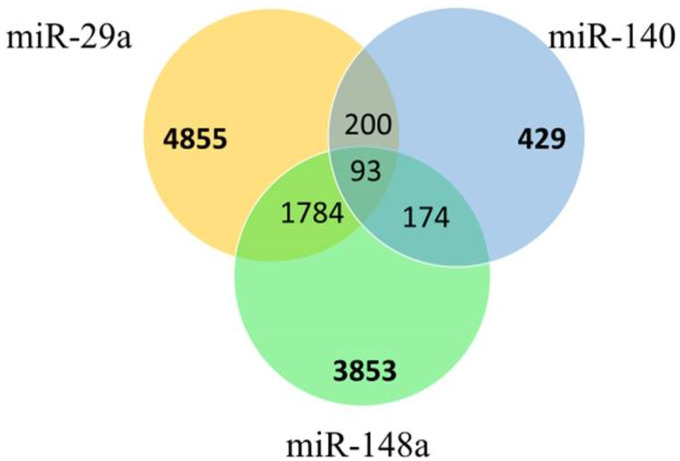
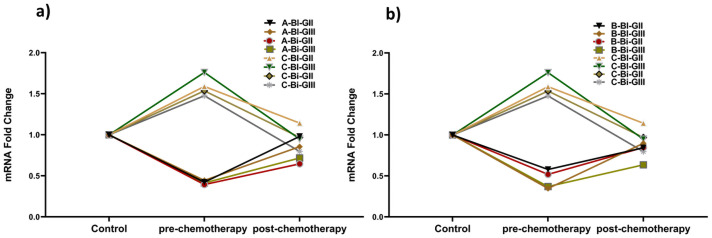
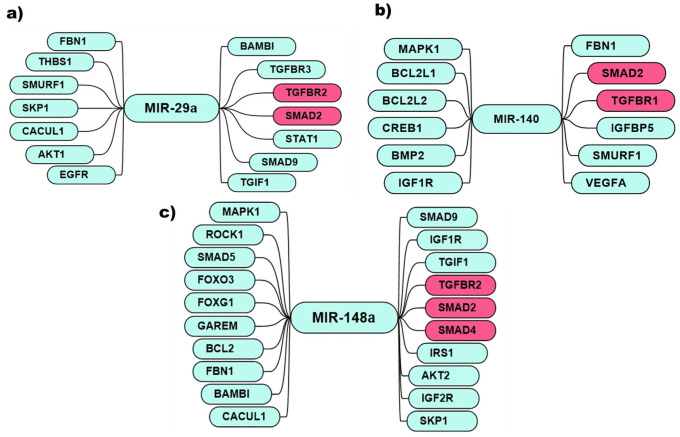
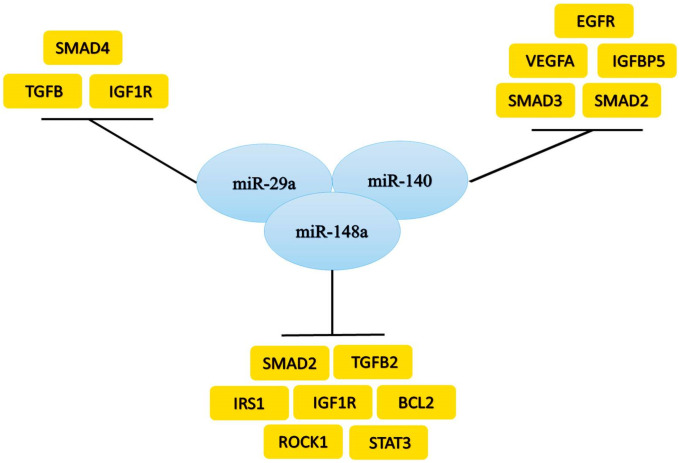
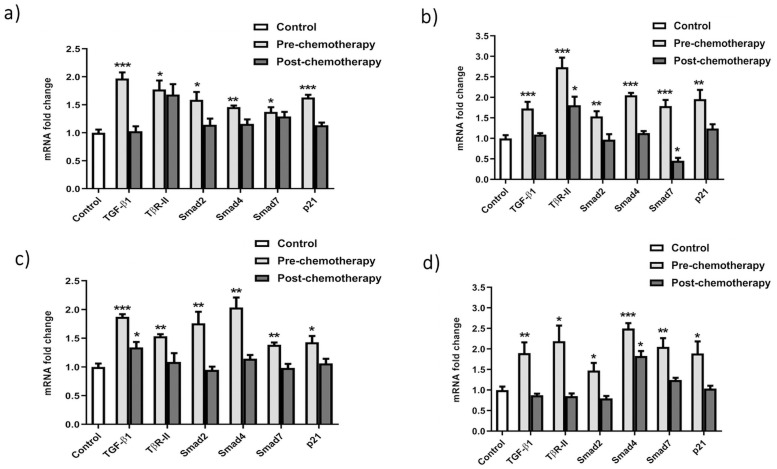
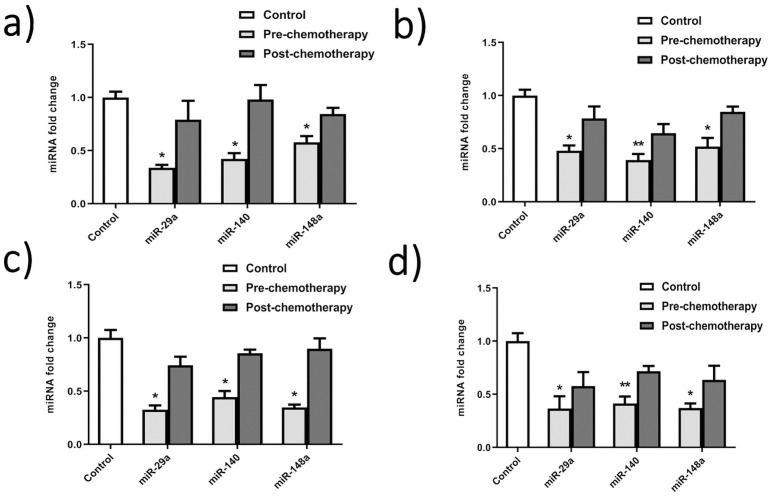
Breast cancer poses a serious health risk for women throughout the world. Among the Asian population, Pakistani women have the highest risk of developing breast cancer. One out of nine women is diagnosed with breast cancer in Pakistan. The etiology and the risk factor leading to breast cancer are largely unknown. In the current study the risk factors that are most pertinent to the Pakistani population, the etiology, molecular mechanisms of tumor progression, and therapeutic targets of breast cancer are studied. A correlative, cross-sectional, descriptive, and questionnaire-based study was designed to predict the risk factors in breast cancer patients. Invasive Ductal Carcinoma (90%) and grade-II tumor (73.2%) formation are more common in our patient's data set. Clinical parameters such as mean age of 47.5 years (SD ± 11.17), disturbed menstrual cycle (> 2), cousin marriages (repeated), and lactation period (< 0.5 Y) along with stress, dietary and environmental factors have an essential role in the development of breast cancer. In addition to this in silico analysis was performed to screen the miRNA regulating the TGF-beta pathway using TargetScanHuman, and correlation was depicted through Mindjet Manager. The information thus obtained was observed in breast cancer clinical samples both in peripheral blood mononuclear cells, and biopsy through quantitative real-time PCR. There was a significant dysregulation (**P>0.001) of the TGF-β1 signaling pathway and the miRNAs (miR-29a, miR-140, and miR-148a) in patients' biopsy in grade and stage specifically, correlated with expression in blood samples. miRNAs (miR-29a and miR-140, miR-148a) can be an effective diagnostic and prognostic marker as they regulate SMAD4 and SMAD2 expression respectively in breast cancer blood and biopsy samples. Therefore, proactive therapeutic strategies can be devised considering negatively regulated cascade genes and amalgamated miRNAs to control breast cancer better.
乳腺癌对全世界的女性健康构成了严重威胁。在亚洲人群中,巴基斯坦女性患乳腺癌的风险最高。在巴基斯坦,每九名女性中就有一名被诊断患有乳腺癌。乳腺癌的病因和危险因素在很大程度上尚不清楚。在本研究中,研究了与巴基斯坦人群最相关的危险因素、乳腺癌的病因、肿瘤进展的分子机制以及治疗靶点。设计了一项相关性、横断面、描述性和基于问卷的研究,以预测乳腺癌患者的危险因素。在我们的患者数据集中,更常见的是浸润性导管癌(90%)和 II 级肿瘤(73.2%)形成。临床参数如平均年龄为 47.5 岁(SD ± 11.17)、月经周期紊乱(>2)、表亲婚姻(重复)和哺乳期(<0.5 年)以及压力、饮食和环境因素在乳腺癌的发展中起着重要作用。此外,还进行了计算机分析,使用 TargetScanHuman 筛选调节 TGF-β 途径的 miRNA,并通过 Mindjet Manager 描绘相关性。通过定量实时 PCR 在乳腺癌临床样本(外周血单核细胞和活检)中观察到这些信息。在患者活检中,TGF-β1 信号通路和 miRNA(miR-29a、miR-140 和 miR-148a)的表达存在显著失调(**P>0.001),与分级和分期相关,并与血液样本中的表达相关。miRNA(miR-29a 和 miR-140、miR-148a)可以作为有效的诊断和预后标志物,因为它们分别调节乳腺癌血液和活检样本中的 SMAD4 和 SMAD2 表达。因此,可以考虑设计积极的治疗策略,考虑负调控级联基因和合并 miRNA,以更好地控制乳腺癌。