Battram Anthony M, Bachiller Mireia, Lopez Victor, Fernández de Larrea Carlos, Urbano-Ispizua Alvaro, Martín-Antonio Beatriz
Department of Hematology, Hospital Clinic, IDIBAPS, 08036 Barcelona, Spain.
Department of Medicine, University of Barcelona, 08036 Barcelona, Spain.
Cancers (Basel). 2021 Jul 14;13(14):3534. doi: 10.3390/cancers13143534.
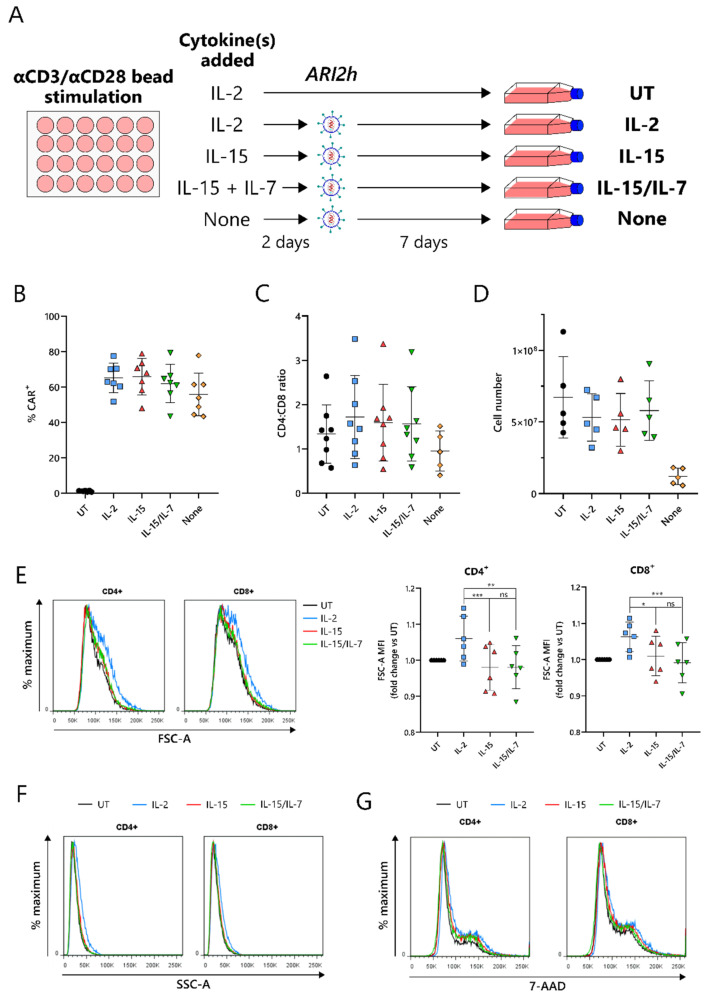
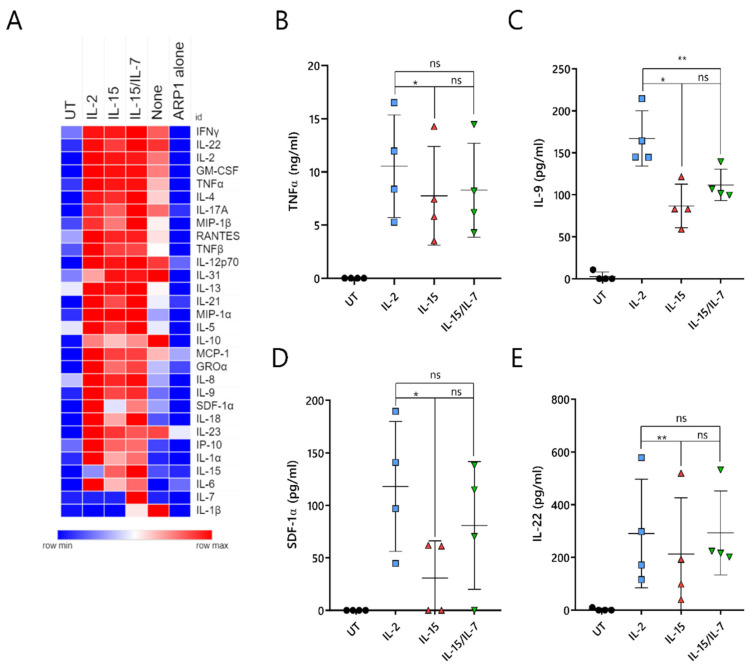
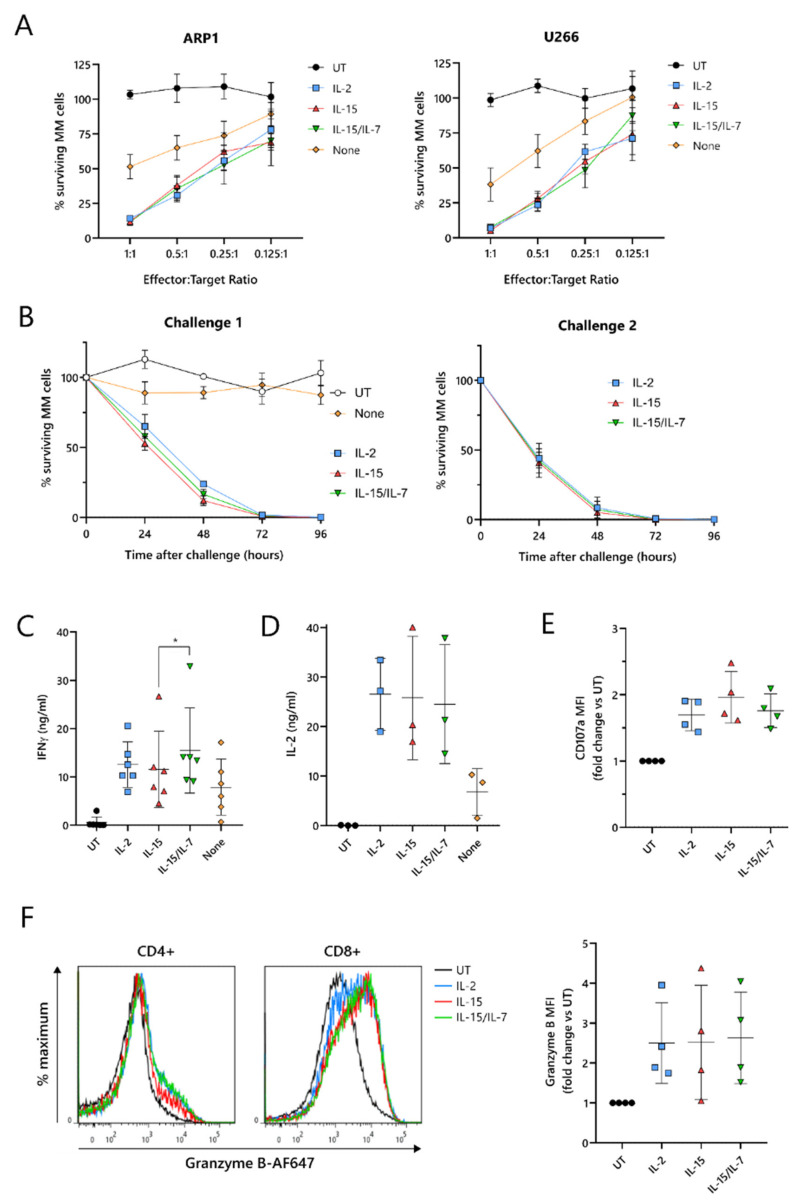
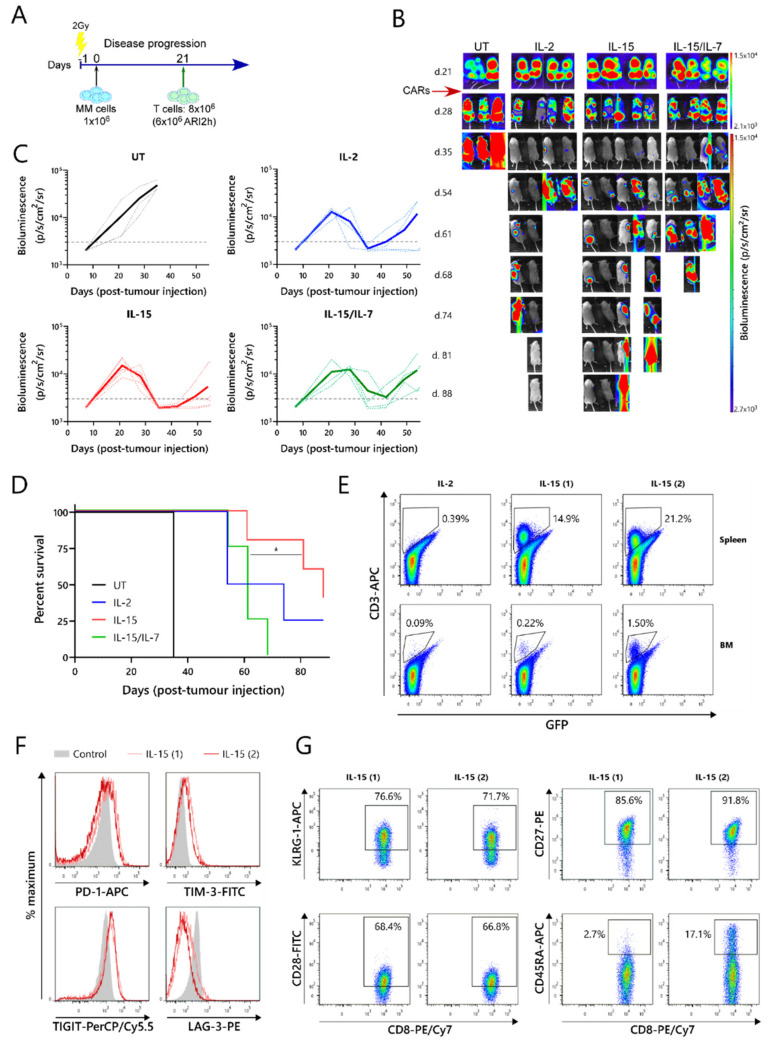
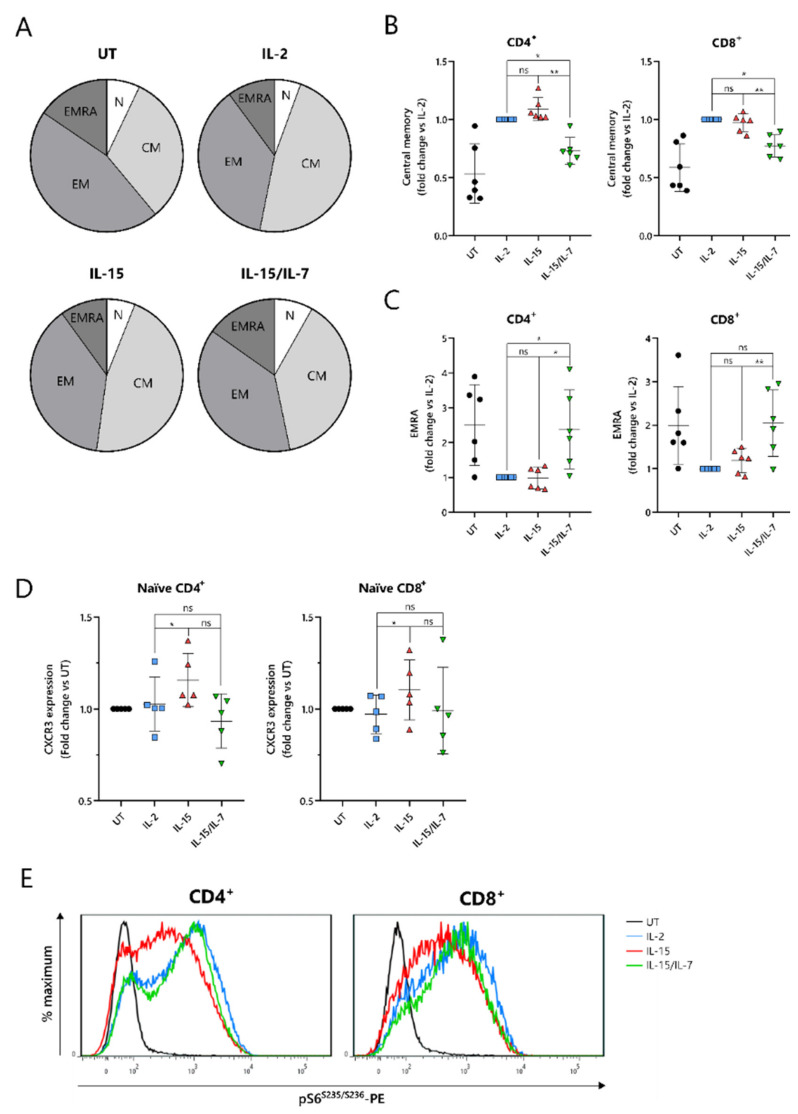
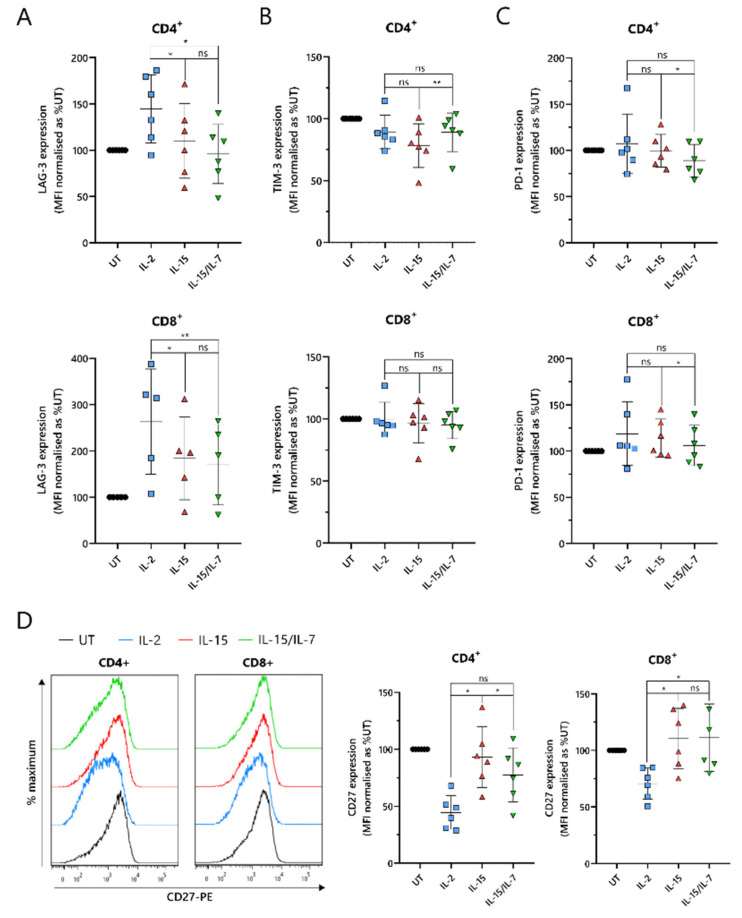
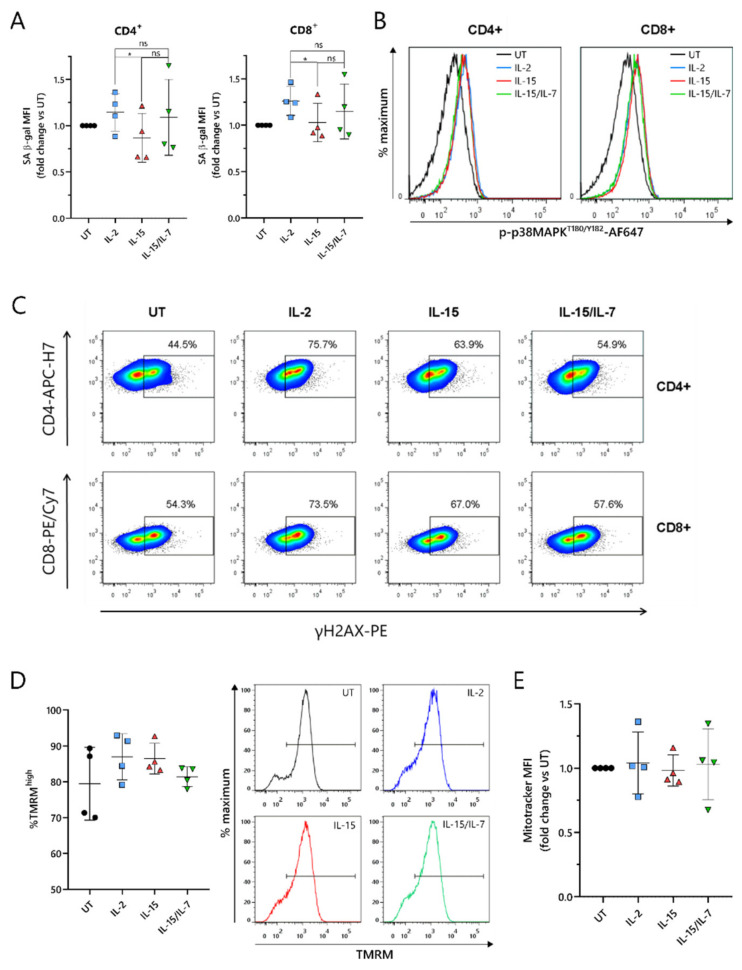
Chimeric antigen receptor (CAR)-T cell immunotherapy has revolutionized the treatment of B-lymphoid malignancies. For multiple myeloma (MM), B-cell maturation antigen (BCMA)-targeted CAR-T cells have achieved outstanding complete response rates, but unfortunately, patients often relapse within a year of receiving the therapy. Increased persistence and reduced dysfunction are crucial features that enhance the durability of CAR-T cell responses. One of the factors that influence CAR-T cell in vivo longevity and loss of function, but which has not yet been extensively studied for BCMA-directed CAR-T cells, are the cytokines used during their production. We here compared the impact of IL-2, IL-15 and a combination of IL-15/IL-7 on the phenotype and function of ARI2h, an academic BCMA-directed CAR-T cell that is currently being administered to MM patients. For this study, flow cytometry, in vitro cytotoxicity assays and analysis of cytokine release were performed. In addition, ARI2h cells expanded with IL-2, IL-15, or IL-15/IL-7 were injected into MM tumor-bearing mice to assess their in vivo efficacy. We demonstrated that each of the cytokine conditions was suitable for the expansion of ARI2h cells, with clear in vitro activity. Strikingly, however, IL-15-produced ARI2h cells had improved in vivo efficacy and persistence. When explored further, it was found that IL-15 drove a less-differentiated ARI2h phenotype, ameliorated parameters related to CAR-T cell dysfunction, and lowered the release of cytokines potentially involved in cytokine release syndrome and MM progression. Moreover, we observed that IL-15 was less potent in inducing T cell senescence and DNA damage accumulation, both of which may contribute to an unfavorable CAR-T cell phenotype. These findings show the superiority of IL-15 to IL-2 and IL-15/IL-7 in the quality of anti-BCMA CAR-T cells, particularly their efficacy and persistence, and as such, could improve the duration of responses if applied to the clinical production of CAR-T cells for patients.
嵌合抗原受体(CAR)-T细胞免疫疗法彻底改变了B淋巴细胞恶性肿瘤的治疗方式。对于多发性骨髓瘤(MM),靶向B细胞成熟抗原(BCMA)的CAR-T细胞已取得了出色的完全缓解率,但不幸的是,患者在接受治疗后的一年内往往会复发。提高持久性并减少功能障碍是增强CAR-T细胞反应耐久性的关键特征。影响CAR-T细胞体内寿命和功能丧失的因素之一,是其生产过程中使用的细胞因子,但针对靶向BCMA的CAR-T细胞,这方面尚未得到广泛研究。我们在此比较了白细胞介素-2(IL-2)、白细胞介素-15(IL-15)以及IL-15与IL-7的组合对ARI2h(一种目前正在用于治疗MM患者的靶向BCMA的学术性CAR-T细胞)的表型和功能的影响。在本研究中,进行了流式细胞术、体外细胞毒性测定以及细胞因子释放分析。此外,将用IL-2、IL-15或IL-15/IL-7扩增的ARI2h细胞注射到荷MM肿瘤的小鼠体内,以评估它们的体内疗效。我们证明,每种细胞因子条件都适合ARI2h细胞的扩增,且具有明显的体外活性。然而,令人惊讶的是,用IL-15培养产生的ARI2h细胞具有更高的体内疗效和持久性。进一步研究发现,IL-15使ARI2h的表型分化程度降低,改善了与CAR-T细胞功能障碍相关的参数,并降低了可能参与细胞因子释放综合征和MM进展的细胞因子的释放。此外,我们观察到IL-15在诱导T细胞衰老和DNA损伤积累方面的作用较小,而这两者都可能导致不良的CAR-T细胞表型。这些发现表明,在抗BCMA CAR-T细胞的质量方面,尤其是在疗效和持久性方面,IL-15优于IL-2和IL-15/IL-7,因此,如果将其应用于CAR-T细胞的临床生产,可能会延长患者的反应持续时间。