Juhn Young J, Wheeler Philip, Wi Chung-Il, Bublitz Joshua, Ryu Euijung, Ristagno Elizabeth H, Patten Christi
Department of Pediatric and Adolescent Medicine, Mayo Clinic, Rochester, MN.
Department of Health Sciences Research, Mayo Clinic, Rochester, MN.
Mayo Clin Proc Innov Qual Outcomes. 2021 Oct;5(5):916-927. doi: 10.1016/j.mayocpiqo.2021.06.011. Epub 2021 Jul 12.
To perform a geospatial and temporal trend analysis for coronavirus disease 2019 (COVID-19) in a Midwest community to identify and characterize hot spots for COVID-19.
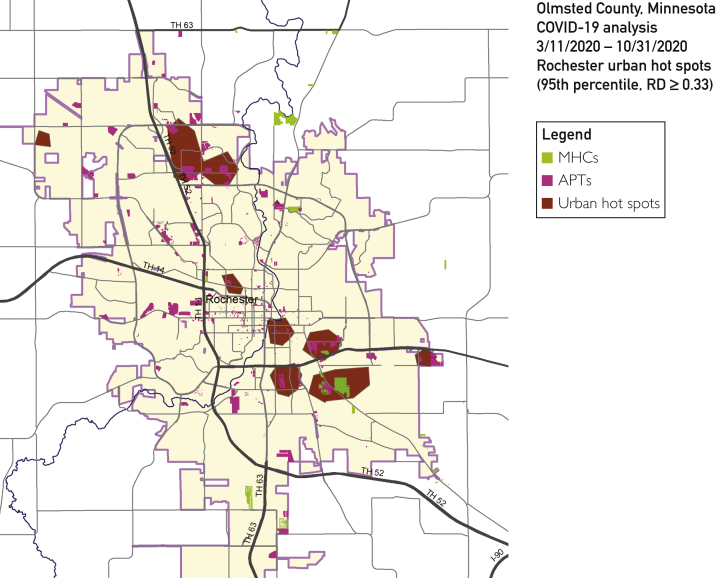
We conducted a population-based longitudinal surveillance assessing the semimonthly geospatial trends of the prevalence of test confirmed COVID-19 cases in Olmsted County, Minnesota, from March 11, 2020, through October 31, 2020. As urban areas accounted for 84% of the population and 86% of all COVID-19 cases in Olmsted County, MN, we determined hot spots for COVID-19 in urban areas (Rochester and other small cities) of Olmsted County, MN, during the study period by using kernel density analysis with a half-mile bandwidth.
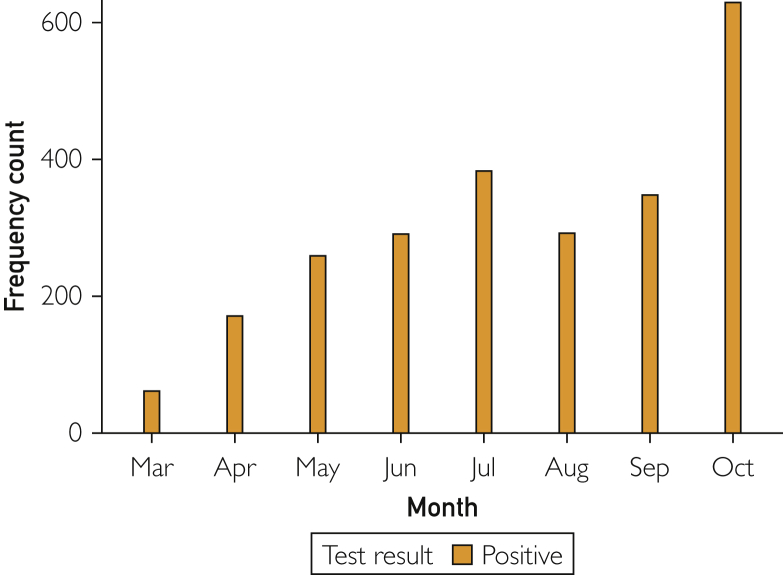
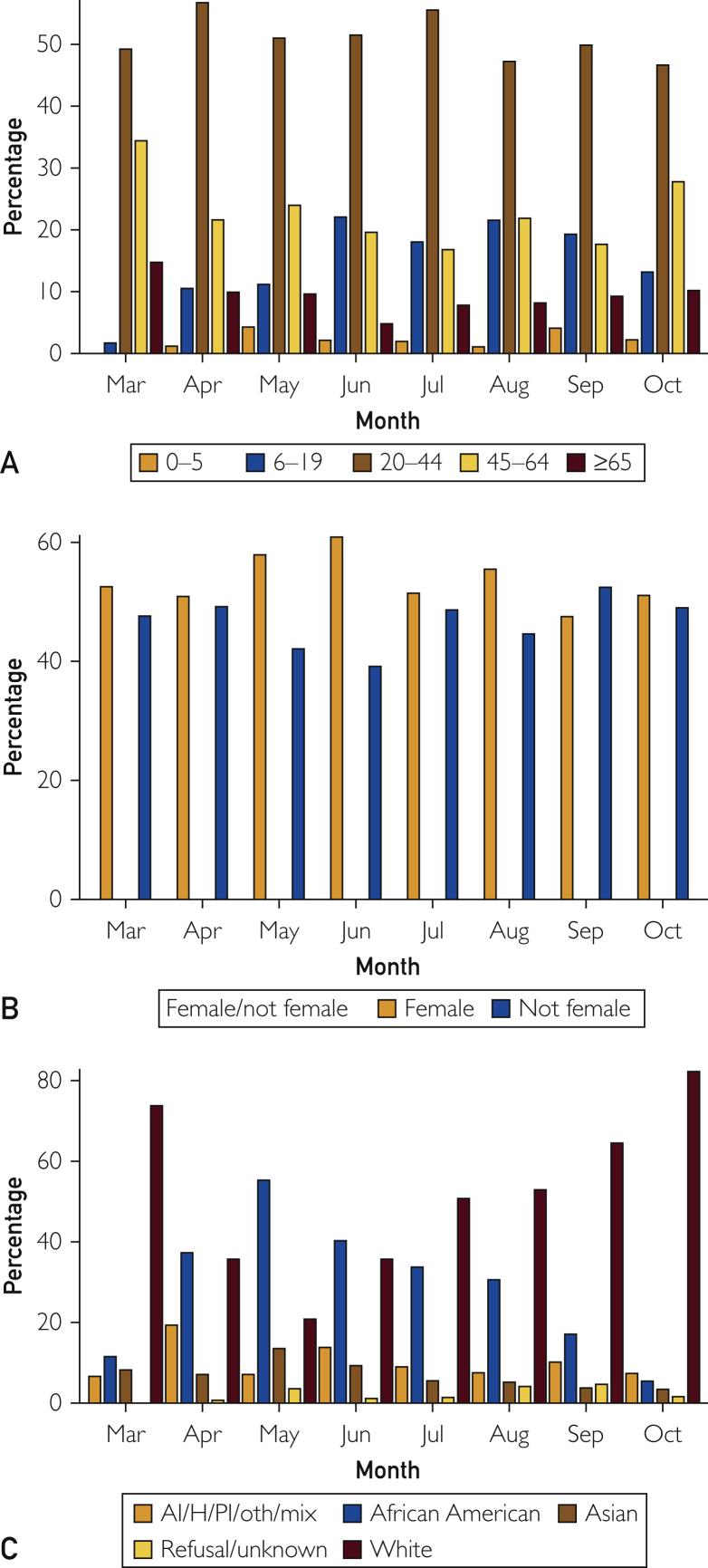
As of October 31, 2020, a total of 37,141 individuals (30%) were tested at least once, of whom 2433 (7%) tested positive. Testing rates among race groups were similar: 29% (black), 30% (Hispanic), 25% (Asian), and 31% (white). Ten urban hot spots accounted for 590 cases at 220 addresses (2.68 cases per address) as compared with 1843 cases at 1292 addresses in areas outside hot spots (1.43 cases per address). Overall, 12% of the population residing in hot spots accounted for 24% of all COVID-19 cases. Hot spots were concentrated in neighborhoods with low-income apartments and mobile home communities. People living in hot spots tended to be minorities and from a lower socioeconomic background.
Geographic and residential risk factors might considerably account for the overall burden of COVID-19 and its associated racial/ethnic and socioeconomic disparities. Results could geospatially guide community outreach efforts (eg, testing/tracing and vaccine rollout) for populations at risk for COVID-19.
对中西部一个社区的2019冠状病毒病(COVID-19)进行地理空间和时间趋势分析,以识别和描述COVID-19的热点地区。
我们开展了一项基于人群的纵向监测,评估了2020年3月11日至2020年10月31日期间明尼苏达州奥尔姆斯特德县经检测确诊的COVID-19病例患病率的半月度地理空间趋势。由于城市地区占明尼苏达州奥尔姆斯特德县人口的84%以及所有COVID-19病例的86%,我们在研究期间通过使用半英里带宽的核密度分析确定了明尼苏达州奥尔姆斯特德县城市地区(罗切斯特和其他小城市)的COVID-19热点地区。
截至2020年10月31日,共有37141人(30%)至少接受了一次检测,其中2433人(7%)检测呈阳性。种族群体之间的检测率相似:黑人29%、西班牙裔30%、亚裔25%、白人31%。10个城市热点地区的220个地址出现了590例病例(每个地址2.68例),相比之下,热点地区以外的1292个地址出现了1843例病例(每个地址1.43例)。总体而言,居住在热点地区的人口中有12%占所有COVID-19病例的24%。热点地区集中在低收入公寓和移动房屋社区附近。居住在热点地区的人往往是少数族裔,且社会经济背景较低。
地理和居住风险因素可能在很大程度上导致了COVID-19的总体负担及其相关的种族/族裔和社会经济差异。研究结果可为针对COVID-19高危人群的社区外展工作(如检测/追踪和疫苗推广)提供地理空间指导。