Aslam Shehroz, Ansari Zaid, Alani Mustafa, Srinivasan Indu, Chuang Keng-Yu
Internal Medicine, Creighton University School of Medicine, St. Joseph's Hospital and Medical Center, Phoenix, USA.
Gastroenterology, Creighton University School of Medicine, St. Joseph's Hospital and Medical Center, Phoenix, USA.
Cureus. 2021 Jun 28;13(6):e15981. doi: 10.7759/cureus.15981. eCollection 2021 Jun.
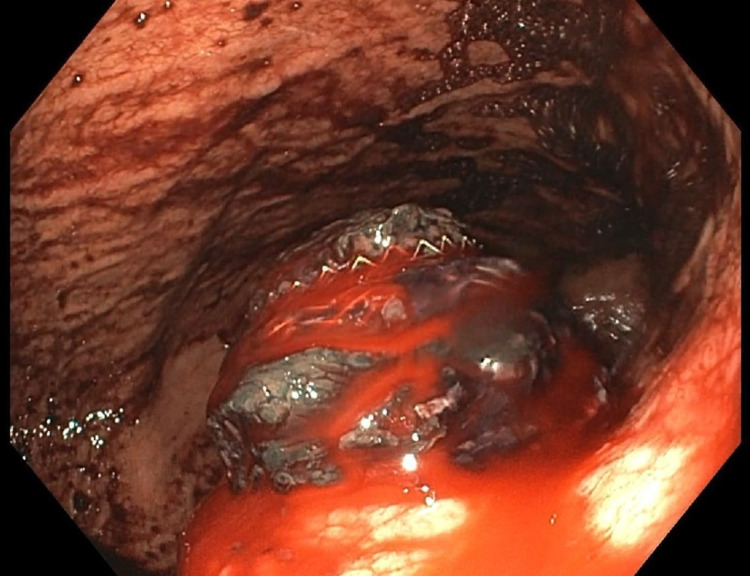
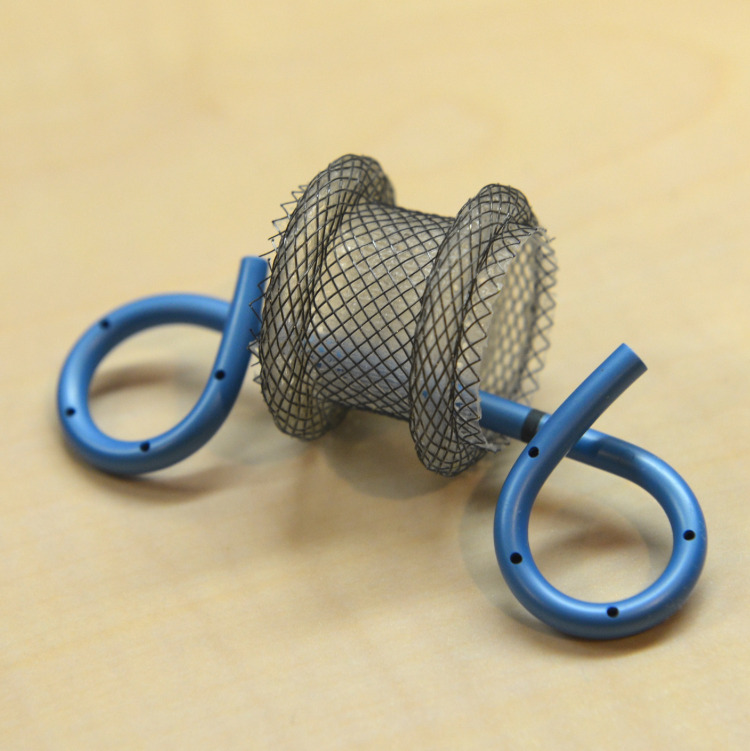
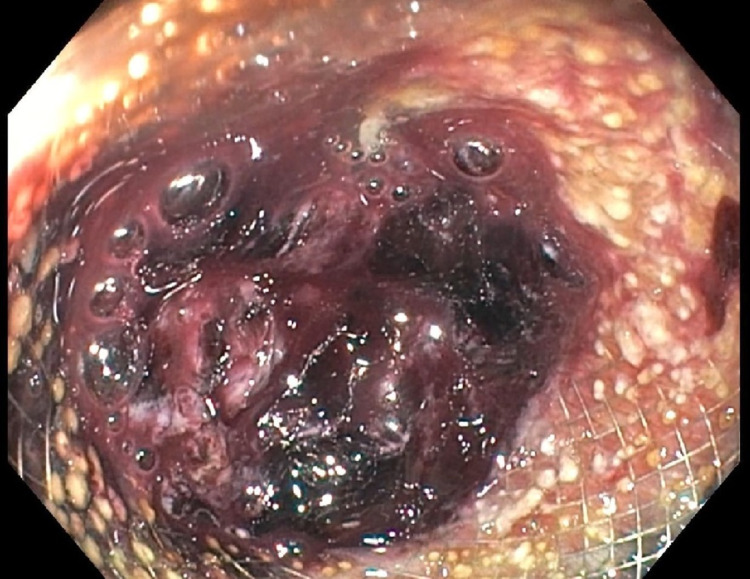
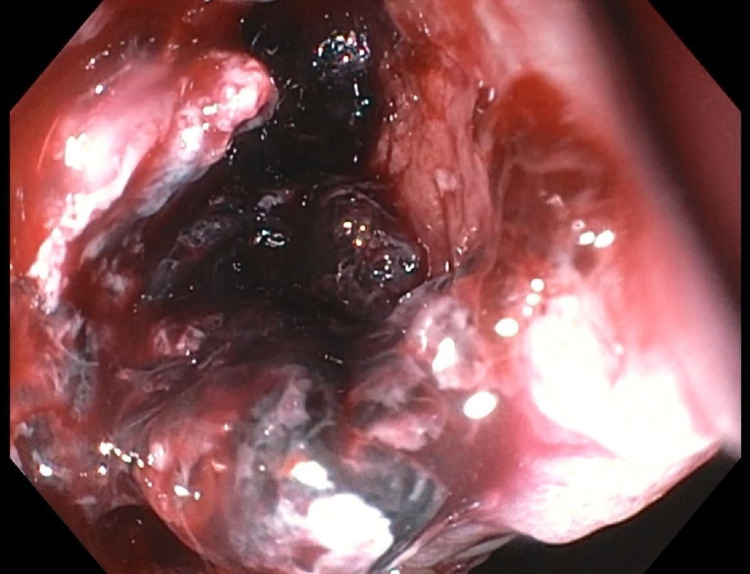
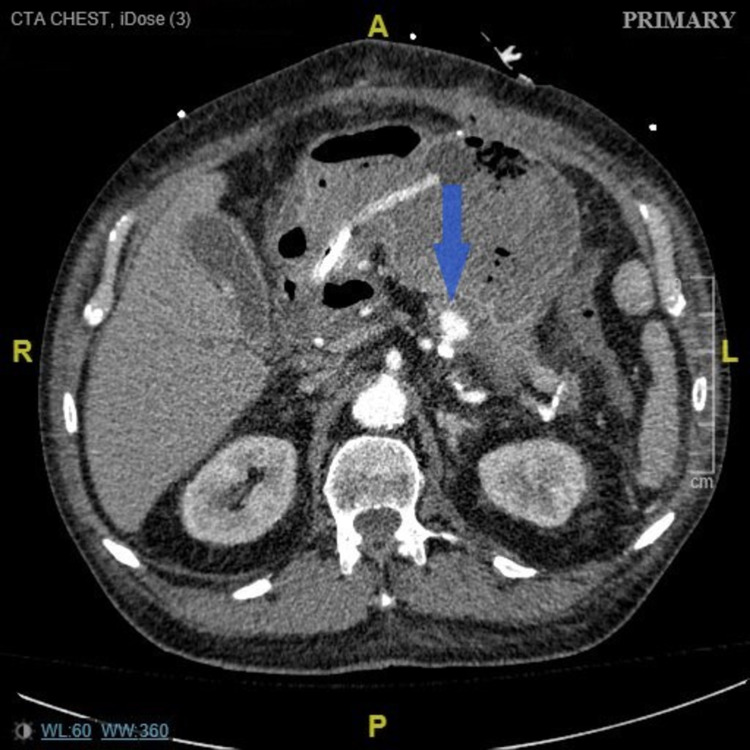
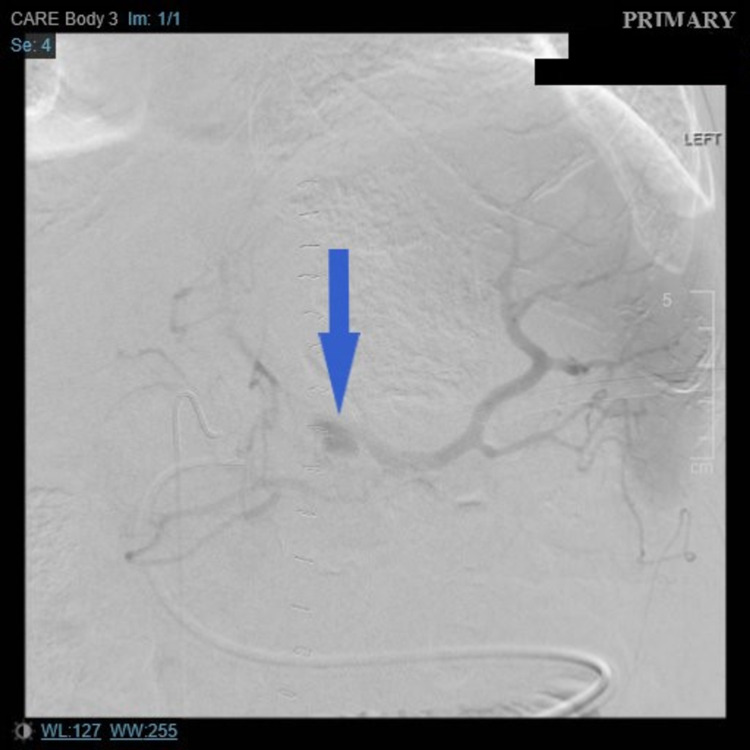
Endoscopic cystogastrostomy using lumen-apposing metal stent (LAMS) is considered the first-line therapy for symptomatic pancreatic fluid collections (PFCs). Routine coaxial placement of a double-pigtail stent (DPS) through LAMS is debated. We report the case of a patient with delayed massive gastrointestinal bleed eight weeks after LAMS placement due to splenic artery pseudoaneurysm leading to a complicated hospitalization. Theoretically, coaxial placement of DPS through LAMS can prevent the relatively sharp LAMS from eroding into the mucosa of the collapsed cavity of PFCs, decreasing the risk of bleeding. Our case adds to the growing need to further explore the utility of this combined intervention.
使用管腔对接金属支架(LAMS)的内镜下囊肿胃造口术被认为是有症状的胰腺液体积聚(PFC)的一线治疗方法。关于是否常规通过LAMS同轴放置双猪尾支架(DPS)存在争议。我们报告了一例患者,在放置LAMS八周后因脾动脉假性动脉瘤导致大量胃肠道出血延迟,从而导致复杂的住院治疗。从理论上讲,通过LAMS同轴放置DPS可以防止相对尖锐的LAMS侵蚀到PFC塌陷腔的黏膜中,降低出血风险。我们的病例进一步表明越来越有必要进一步探索这种联合干预措施的效用。