School of Environment and Technology, University of Brighton, Brighton, United Kingdom.
School of Geography, Archaeology and Environmental Studies, University of the Witwatersrand, Johannesburg, South Africa.
PLoS One. 2021 Aug 4;16(8):e0254760. doi: 10.1371/journal.pone.0254760. eCollection 2021.
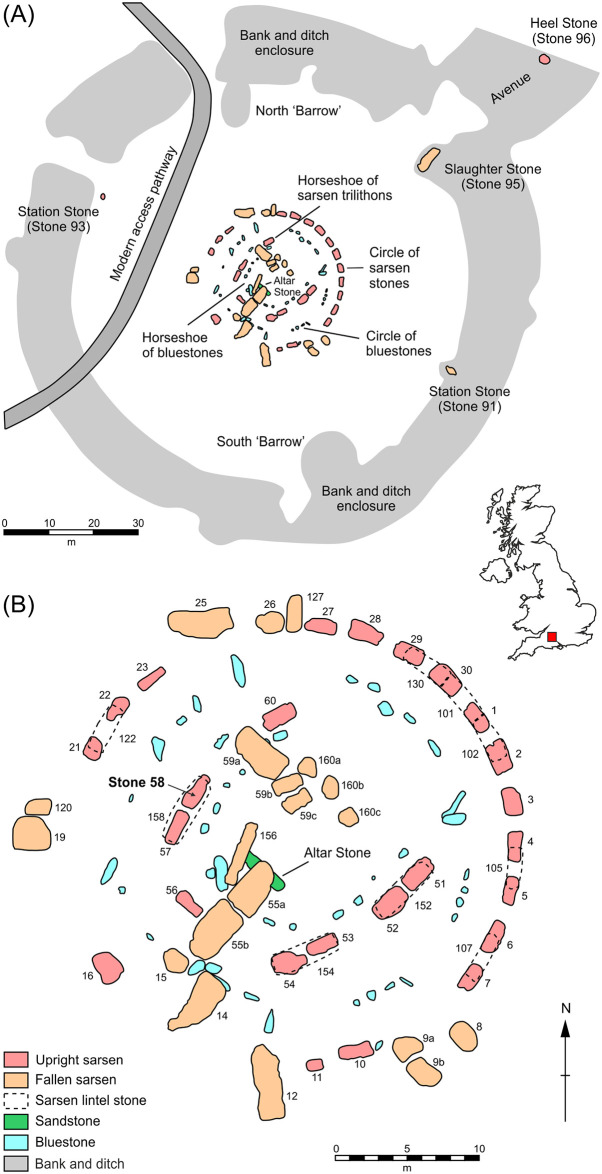
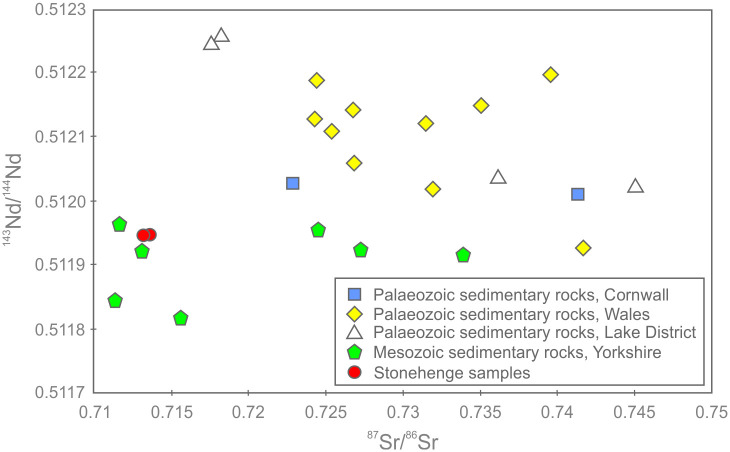
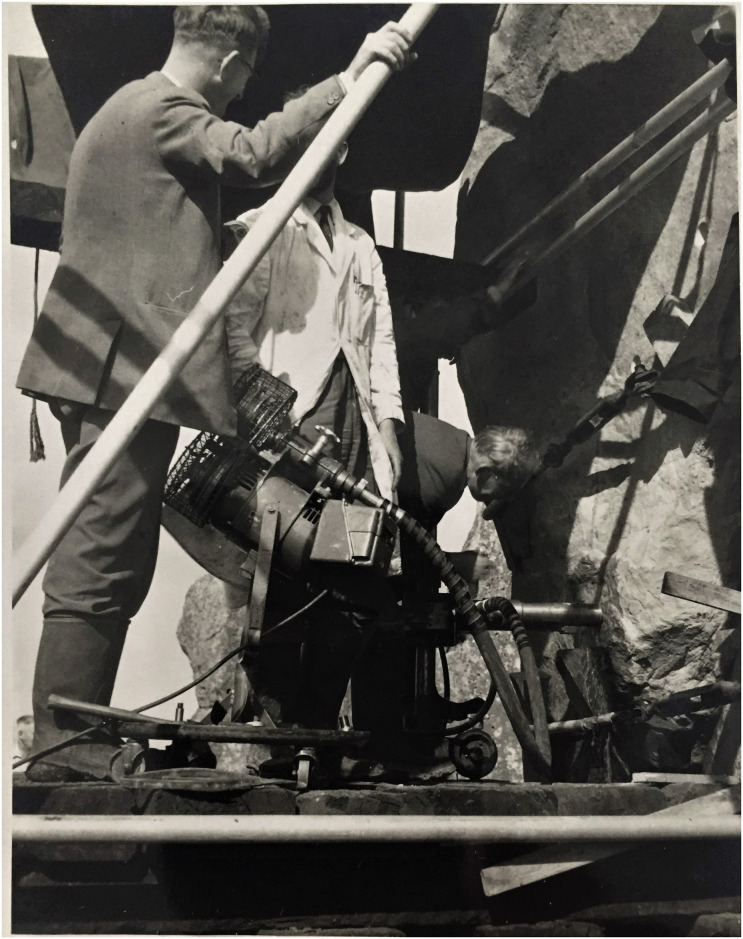
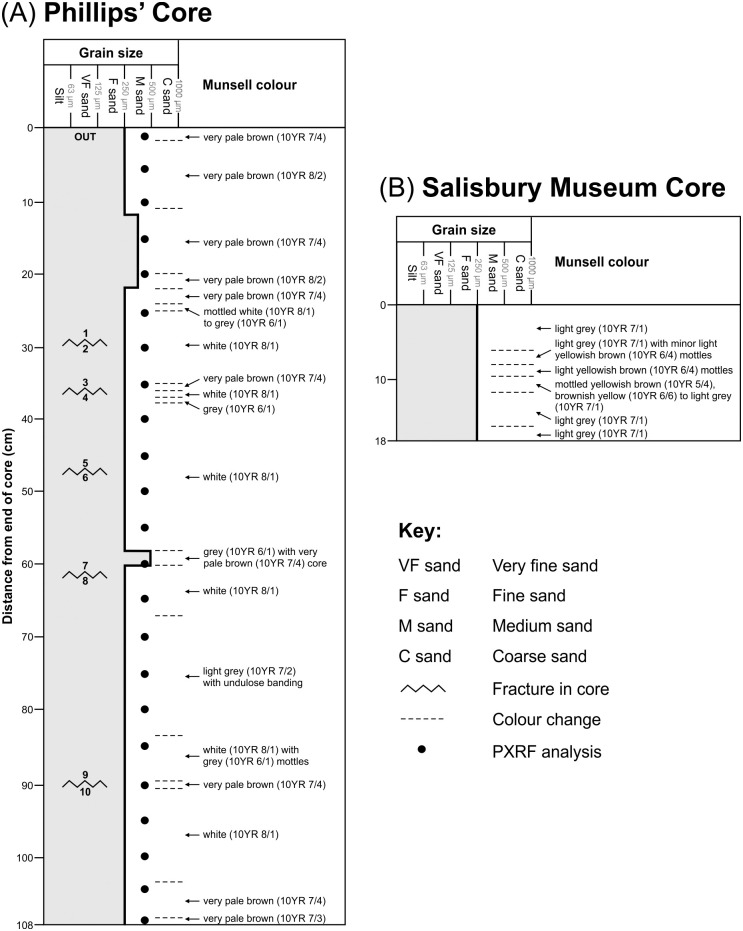
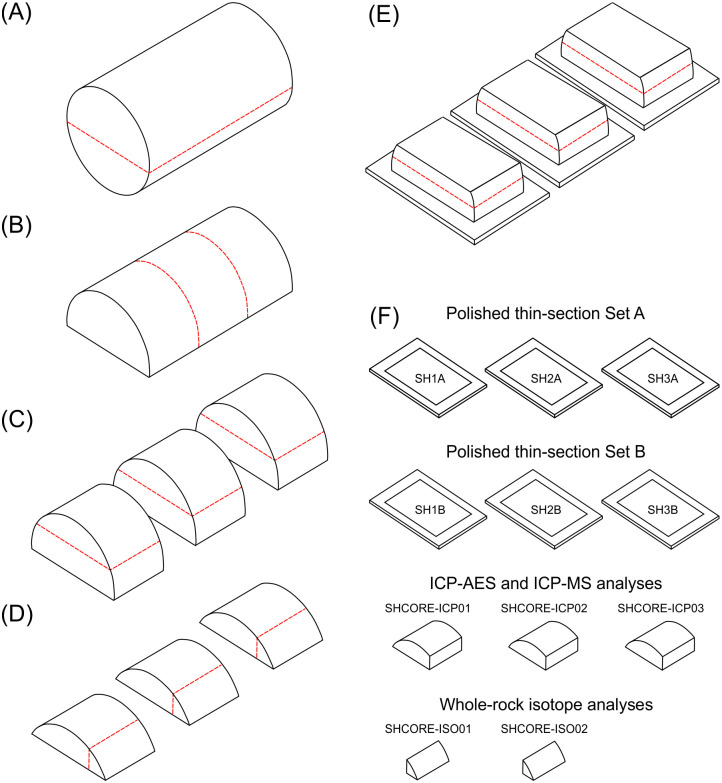
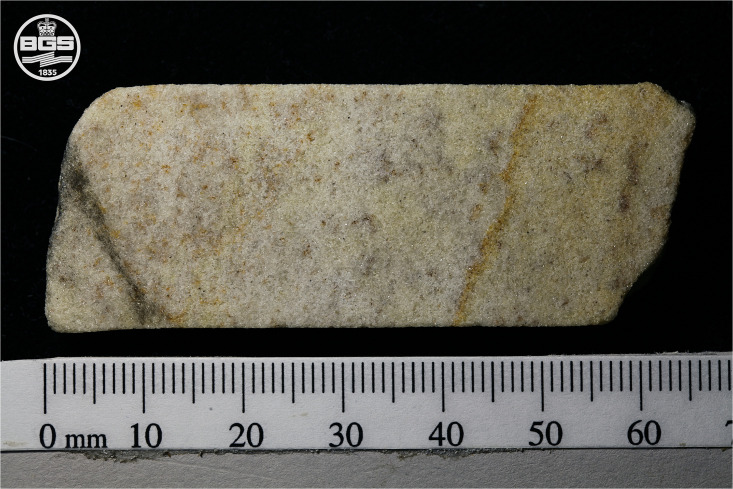
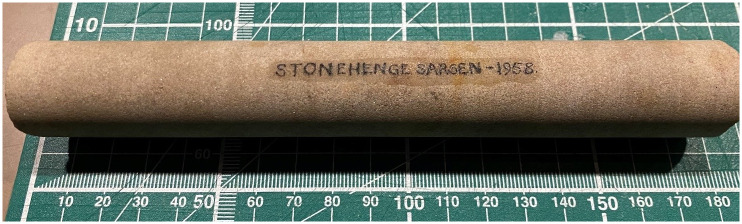
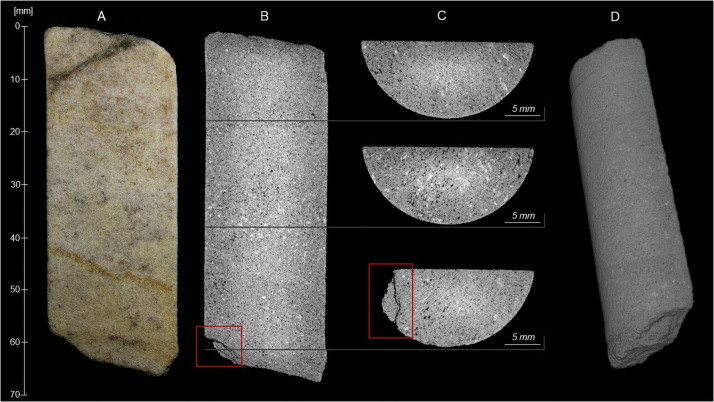
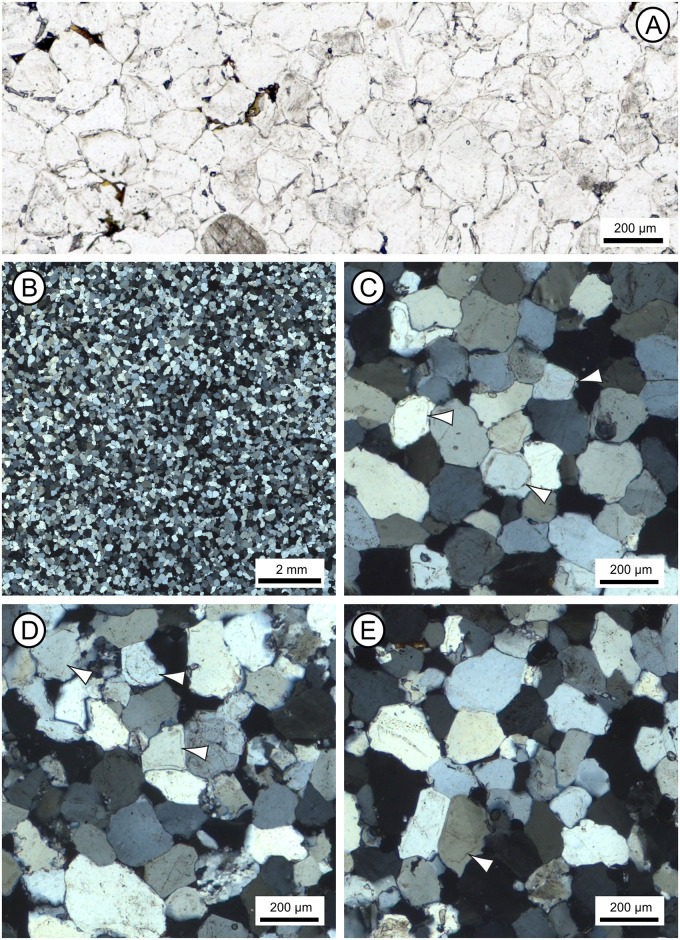
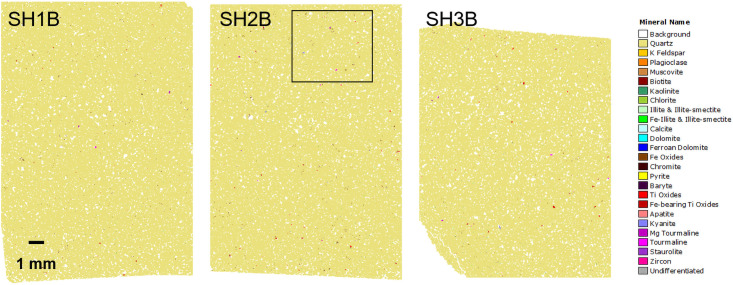
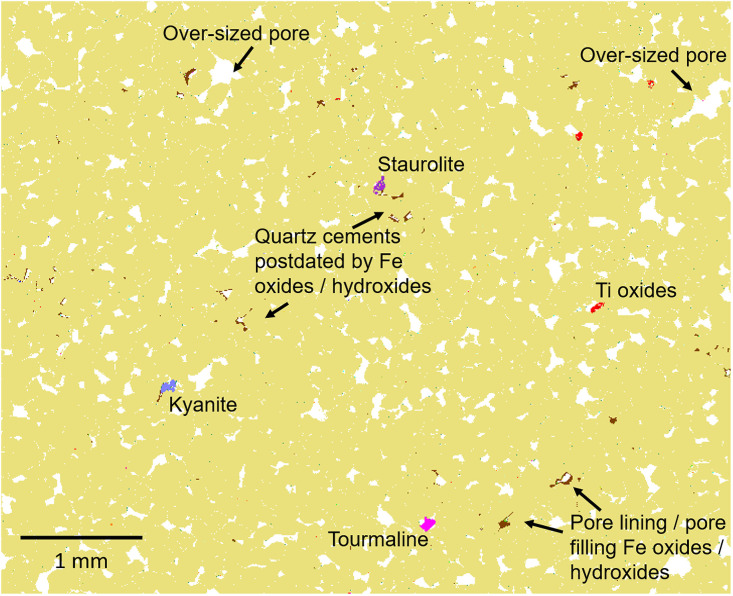
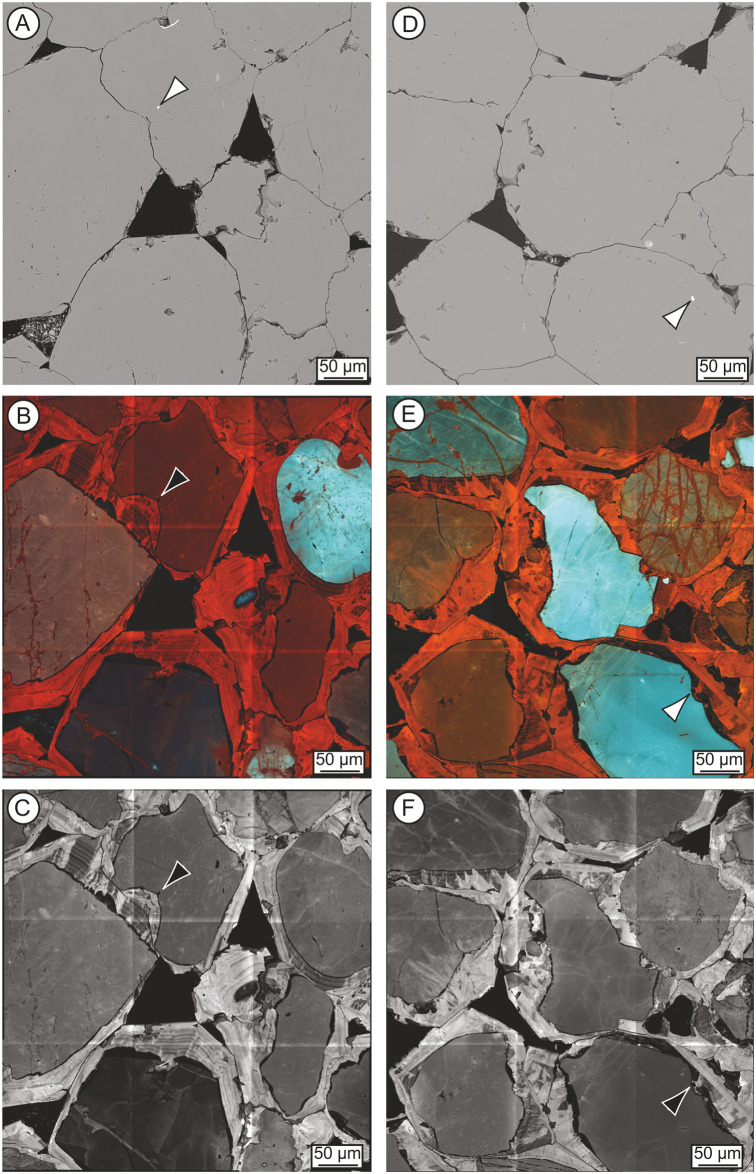
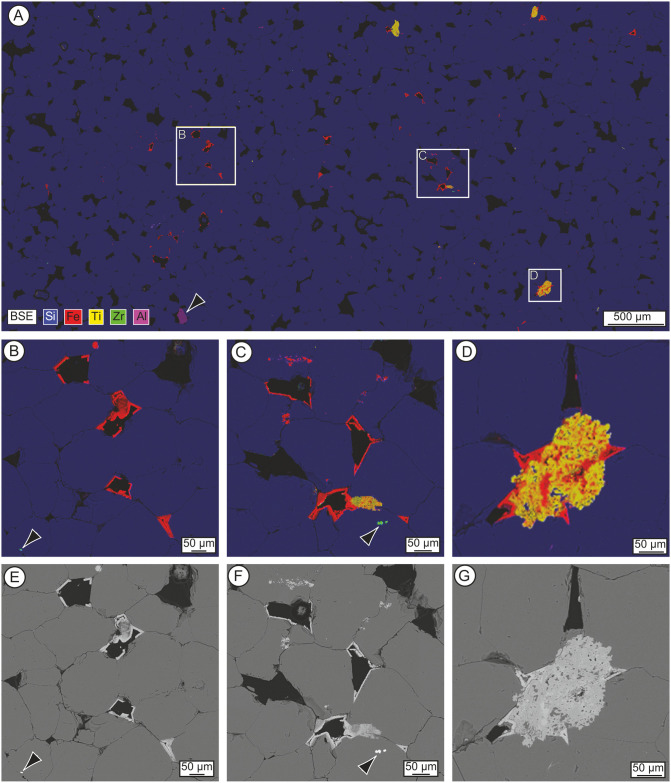
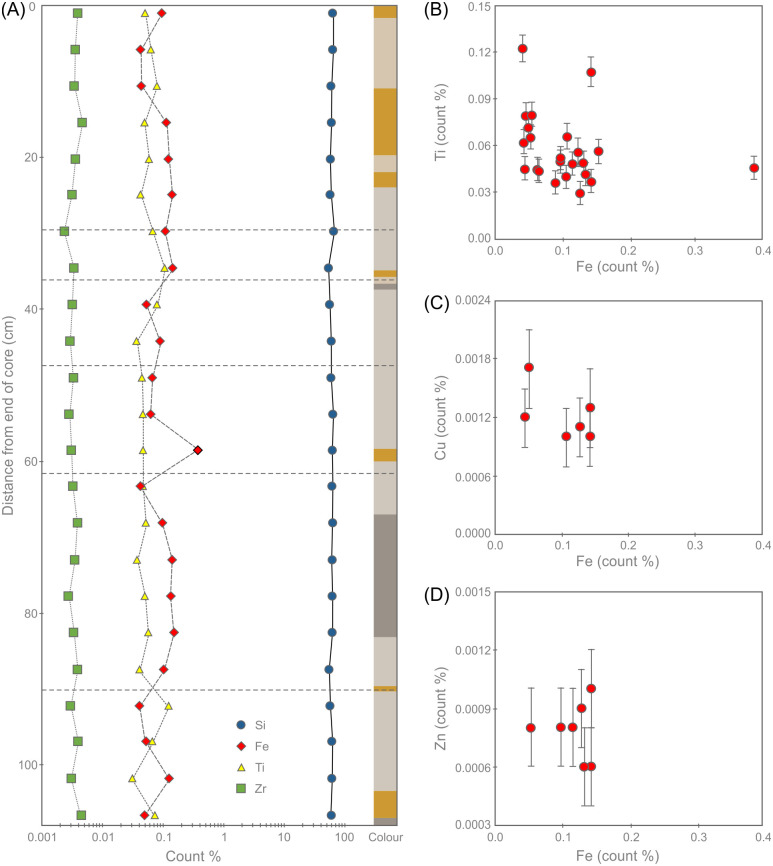
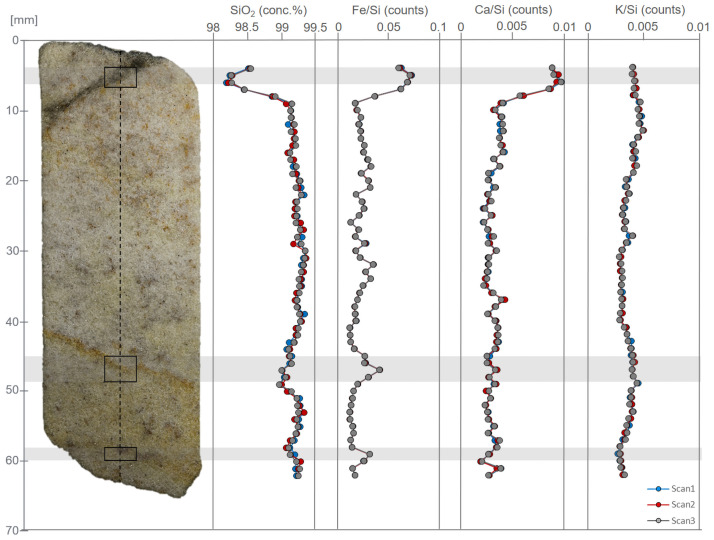
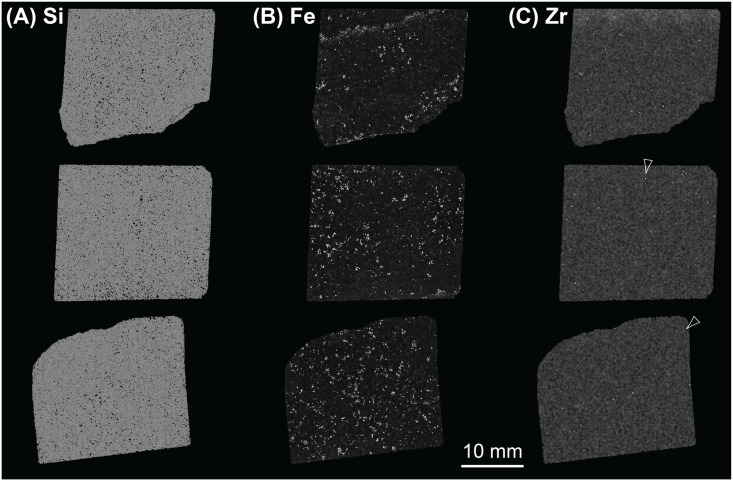
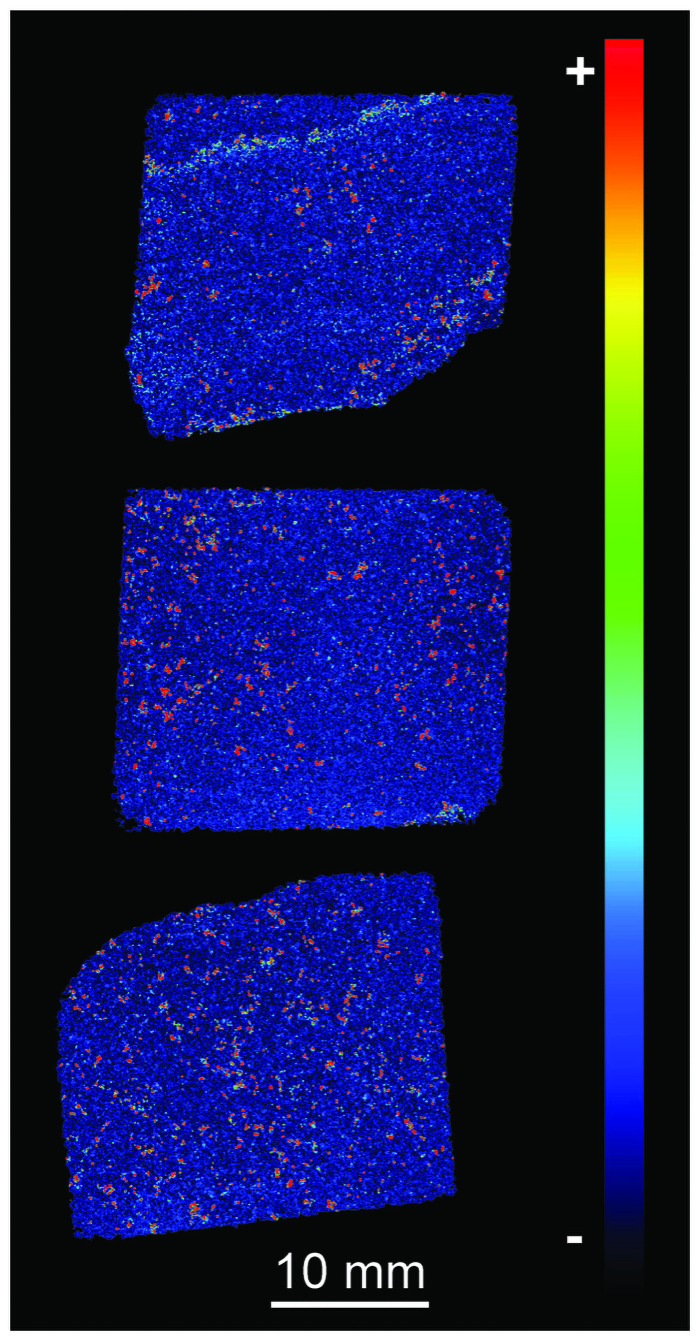
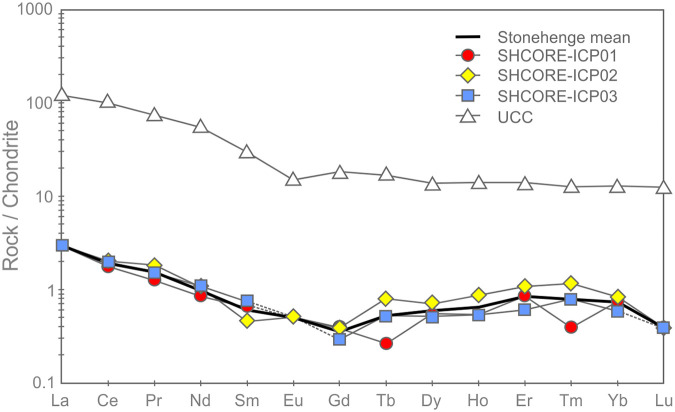
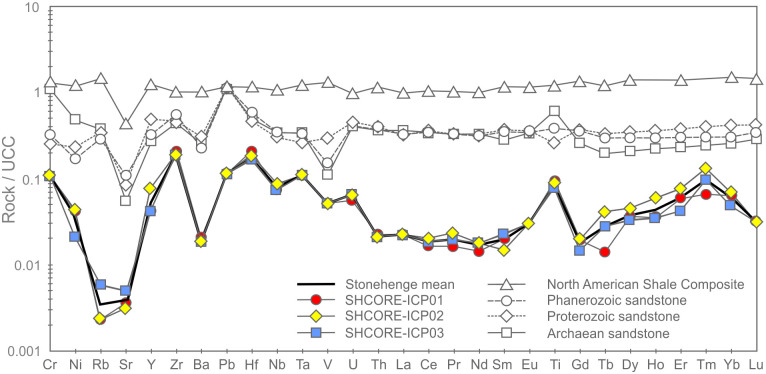
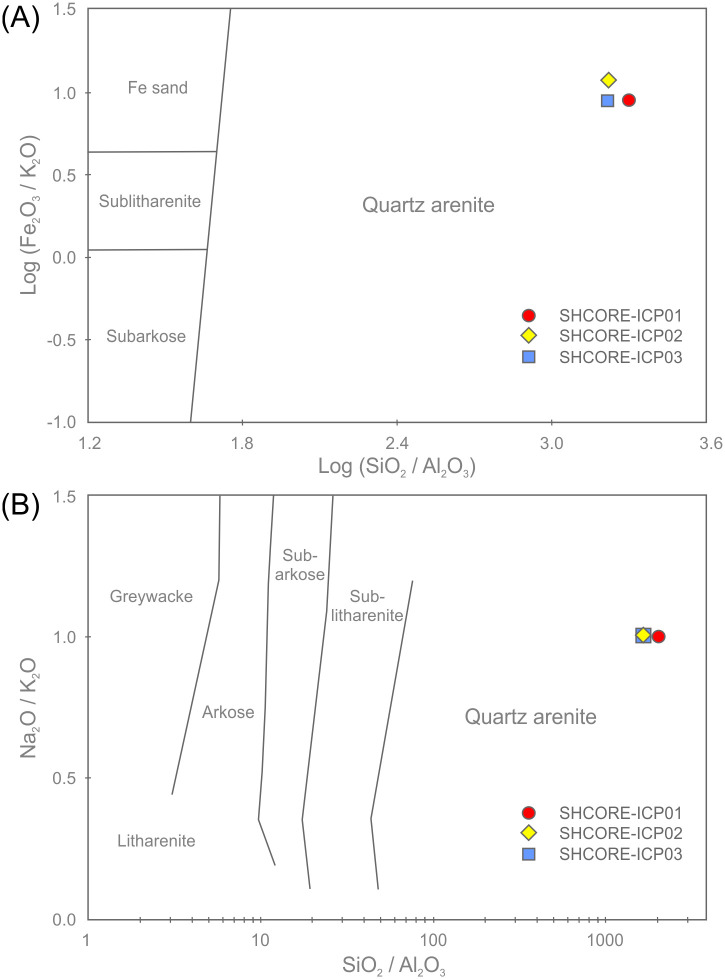
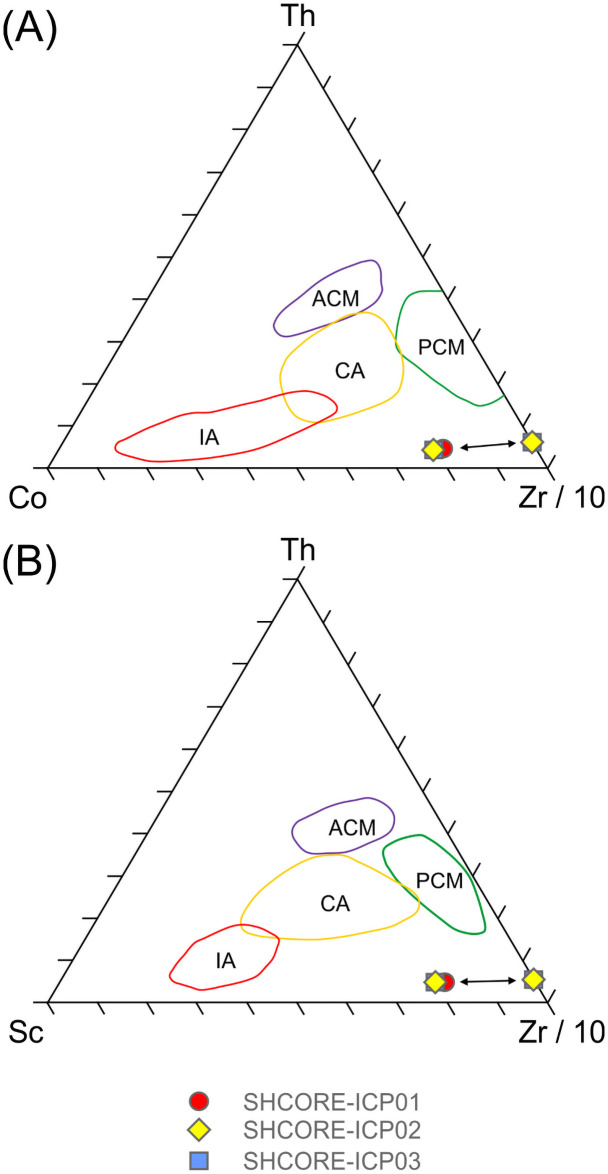
Little is known of the properties of the sarsen stones (or silcretes) that comprise the main architecture of Stonehenge. The only studies of rock struck from the monument date from the 19th century, while 20th century investigations have focussed on excavated debris without demonstrating a link to specific megaliths. Here, we present the first comprehensive analysis of sarsen samples taken directly from a Stonehenge megalith (Stone 58, in the centrally placed trilithon horseshoe). We apply state-of-the-art petrographic, mineralogical and geochemical techniques to two cores drilled from the stone during conservation work in 1958. Petrographic analyses demonstrate that Stone 58 is a highly indurated, grain-supported, structureless and texturally mature groundwater silcrete, comprising fine-to-medium grained quartz sand cemented by optically-continuous syntaxial quartz overgrowths. In addition to detrital quartz, trace quantities of silica-rich rock fragments, Fe-oxides/hydroxides and other minerals are present. Cathodoluminescence analyses show that the quartz cement developed as an initial <10 μm thick zone of non-luminescing quartz followed by ~16 separate quartz cement growth zones. Late-stage Fe-oxides/hydroxides and Ti-oxides line and/or infill some pores. Automated mineralogical analyses indicate that the sarsen preserves 7.2 to 9.2 area % porosity as a moderately-connected intergranular network. Geochemical data show that the sarsen is chemically pure, comprising 99.7 wt. % SiO2. The major and trace element chemistry is highly consistent within the stone, with the only magnitude variations being observed in Fe content. Non-quartz accessory minerals within the silcrete host sediments impart a trace element signature distinct from standard sedimentary and other crustal materials. 143Nd/144Nd isotope analyses suggest that these host sediments were likely derived from eroded Mesozoic rocks, and that these Mesozoic rocks incorporated much older Mesoproterozoic material. The chemistry of Stone 58 has been identified recently as representative of 50 of the 52 remaining sarsens at Stonehenge. These results are therefore representative of the main stone type used to build what is arguably the most important Late Neolithic monument in Europe.
巨石阵的主要建筑由沙森石(或硅化岩)构成,但人们对这些石头的性质知之甚少。对该纪念碑进行的唯一岩石研究可以追溯到 19 世纪,而 20 世纪的研究则集中在挖掘出的碎片上,而没有证明与特定巨石有联系。在这里,我们首次对直接从巨石阵巨石(位于中央三石马蹄形的 58 号石)中采集的沙森样本进行了全面分析。我们应用最先进的岩相学、矿物学和地球化学技术,对 1958 年在保护工作期间从该石头上钻取的两个岩芯进行了分析。岩相学分析表明,58 号石是一种高度硬化、颗粒支撑、无结构且纹理成熟的地下水硅化岩,由细至中粒石英砂组成,由光学连续的石英后生作用胶结。除了碎屑石英外,还存在少量富硅的岩屑、铁氧化物/氢氧化物和其他矿物。阴极发光分析表明,石英胶结物最初形成了一个 10 μm 厚的无发光石英带,然后是大约 16 个单独的石英胶结物生长带。后期的铁氧化物/氢氧化物和钛氧化物沿某些孔隙线生长或填充。自动矿物学分析表明,沙森石保留了 7.2 至 9.2 面积%的孔隙度,呈中等连通的粒间网络。地球化学数据表明,沙森石化学纯度高,SiO2 含量为 99.7 wt.%。石头内的主要和微量元素化学性质高度一致,只有 Fe 含量存在较大变化。硅化岩主岩沉积物中的非石英副矿物赋予了独特的微量元素特征,与标准沉积岩和其他地壳物质明显不同。143Nd/144Nd 同位素分析表明,这些主岩沉积物可能来自侵蚀的中生代岩石,而这些中生代岩石中包含了更古老的中元古代物质。最近,58 号石的化学性质被确定为巨石阵其余 52 块沙森石中的 50 块的代表性特征。因此,这些结果代表了用于建造欧洲最重要的新石器时代晚期巨石阵的主要石头类型。