Department of Microbiology, Graduate School of Medicine, Kyoto University, Kyoto, Japan.
HTLV-1/ATL Research Facility, Faculty of Medicine, University of Miyazaki, Miyazaki, Japan.
Front Cell Infect Microbiol. 2021 Jul 19;11:711144. doi: 10.3389/fcimb.2021.711144. eCollection 2021.
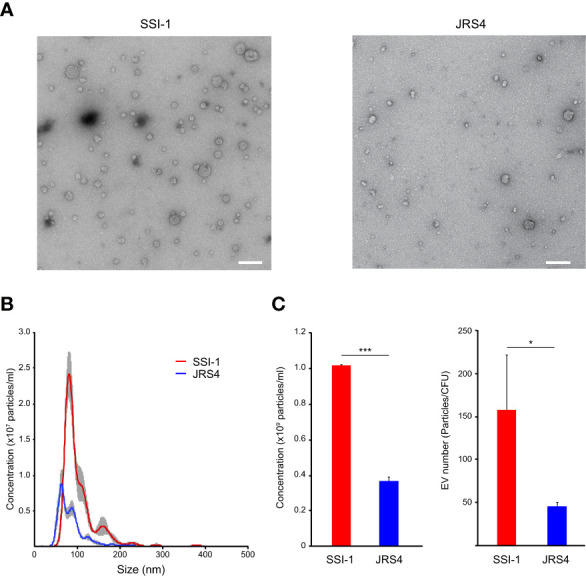
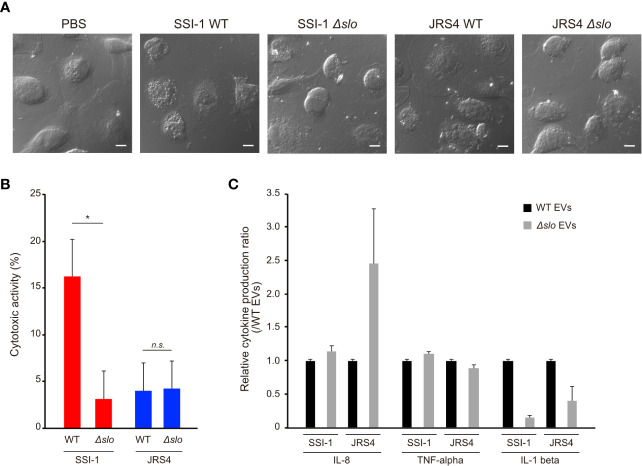
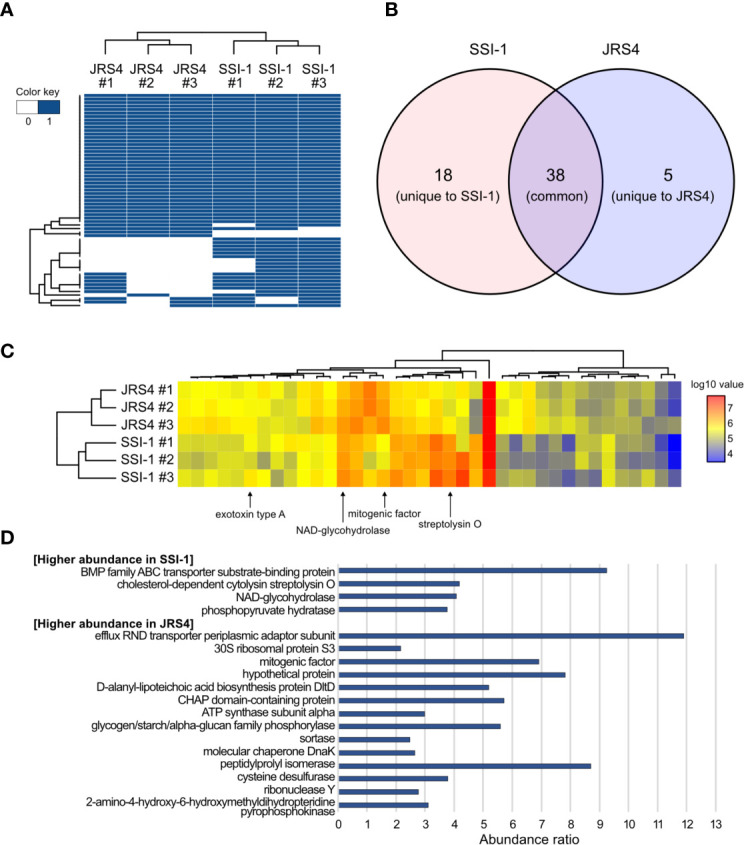
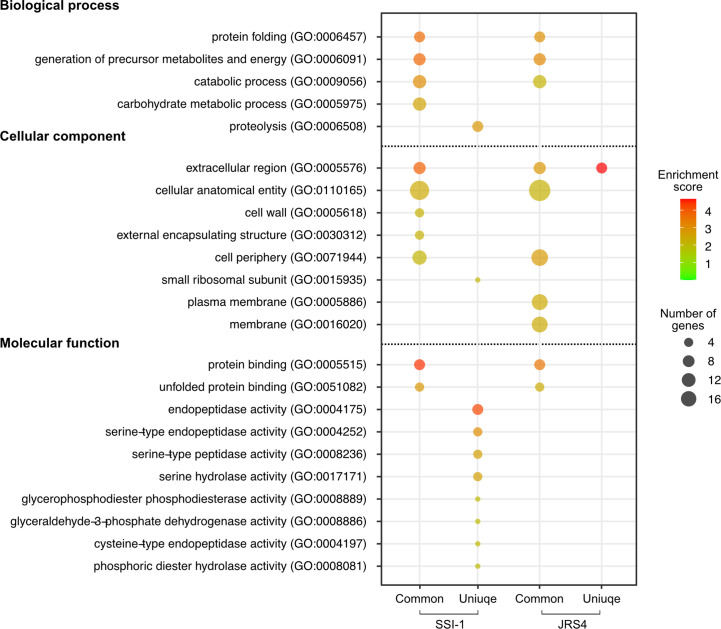
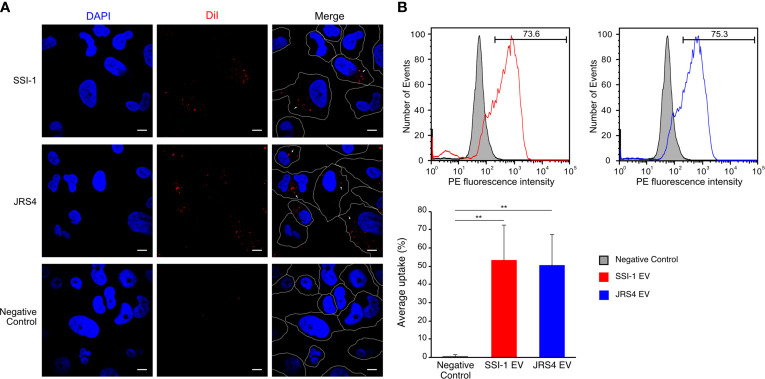
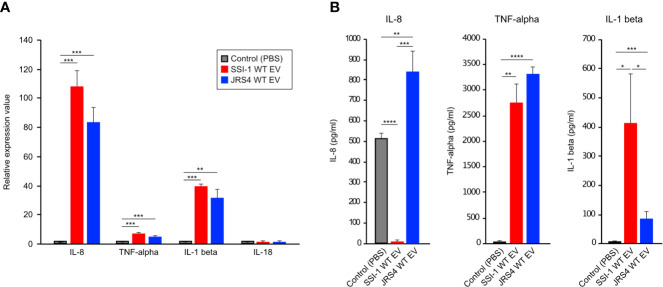
Most bacteria naturally release spherical lipid-bilayered extracellular vesicles (EVs) containing proteins, nucleic acids, and virulence-related molecules, thus contributing to diverse biological functions including transport of virulence factors. The group A streptococcus, (GAS), a major human pathogen, also releases EVs; however, it remains unclear how GAS EVs interact physiologically and pathologically with host cells, and what the differences are between invasive and non-invasive strains. The proteome profile in this study revealed that GAS EVs enclosed many virulence-related proteins such as streptolysin O and NAD-glycohydrolase, facilitating their pathogenicity, and invasive GAS EVs were more abundant than non-invasive counterparts. In terms of biological effects, invasive GAS EVs showed -dependent cytotoxic activity and the induction of cytokine expression, contributing to GAS pathogenicity directly. Although non-invasive GAS EVs did not show cytotoxic activity, they may be utilized as a means to prevent antibacterial mechanisms such as autophagy, leading to enhancement of their own survival in the intracellular environment after the infection. These results suggest that invasive and non-invasive GAS EVs play different roles in GAS infection strategy and pathogenicity. Our findings also indicate that EVs could be a key factor for GAS pathogenicity in GAS-host interactions.
大多数细菌自然释放含有蛋白质、核酸和与毒力相关分子的球形双层脂膜细胞外囊泡(EVs),从而有助于多种生物学功能,包括毒力因子的运输。化脓性链球菌(GAS)是一种主要的人类病原体,也会释放 EVs;然而,目前尚不清楚 GAS EVs 如何在生理和病理上与宿主细胞相互作用,以及侵袭性和非侵袭性菌株之间有何不同。本研究中的蛋白质组图谱显示,GAS EVs 包含许多与毒力相关的蛋白质,如链球菌溶血素 O 和 NAD-糖基水解酶,促进其致病性,侵袭性 GAS EVs 比非侵袭性菌株更为丰富。在生物学效应方面,侵袭性 GAS EVs 显示依赖于的细胞毒性活性和细胞因子表达的诱导,直接促进 GAS 的致病性。尽管非侵袭性 GAS EVs 没有显示出细胞毒性活性,但它们可能被用作一种手段来防止自噬等抗菌机制,从而增强其在感染后在细胞内环境中的存活能力。这些结果表明,侵袭性和非侵袭性 GAS EVs 在 GAS 感染策略和致病性中发挥不同的作用。我们的研究结果还表明,EVs 可能是 GAS 与宿主相互作用中 GAS 致病性的关键因素。