Allaoui Safae, Bennani Mohammed Naciri, Ziyat Hamid, Qabaqous Omar, Tijani Najib, Ittobane Najim, Hodaifa Gassan
Laboratory of Chemistry-Biology Applied to the Environment, Research Team "Applied Materials and Catalysis", Chemistry Department, Faculty of Sciences, Moulay-Ismaïl University, BP. 11201, Zitoune, Meknes 50000, Morocco.
Research Team "Membrane Materials and Separation Processes", Chemistry Department, Faculty of Science, Moulay-Ismaïl University, BP. 11201, Zitoune, Meknes, 50000, Morocco.
Heliyon. 2021 Jul 9;7(7):e07525. doi: 10.1016/j.heliyon.2021.e07525. eCollection 2021 Jul.
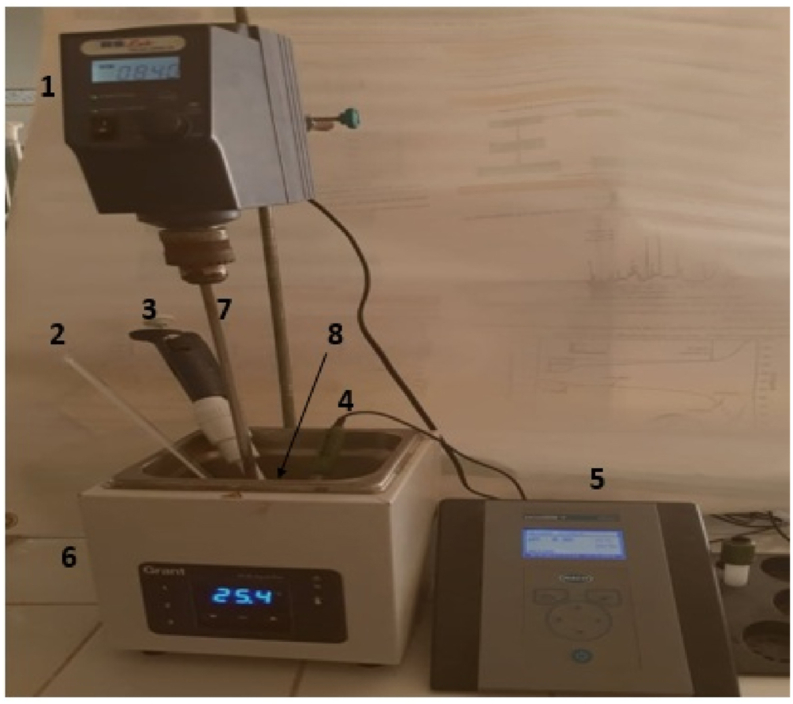
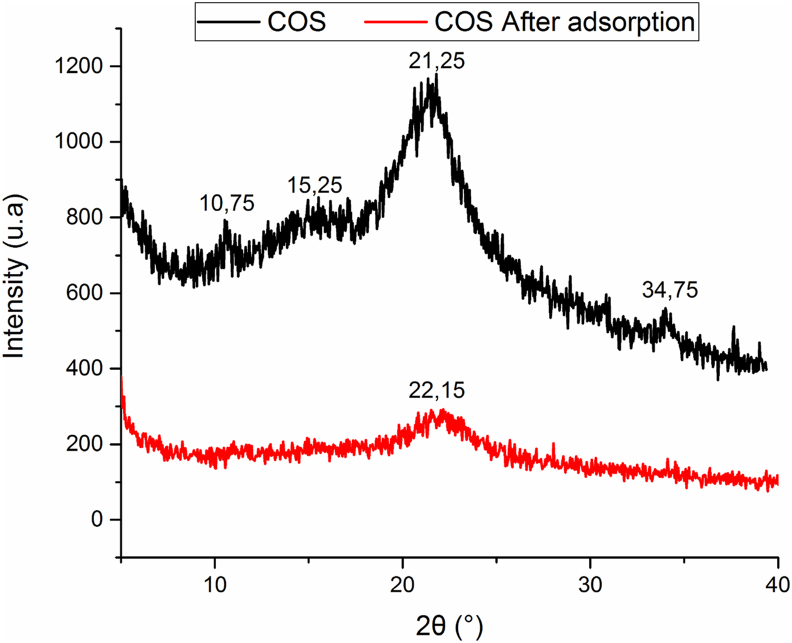
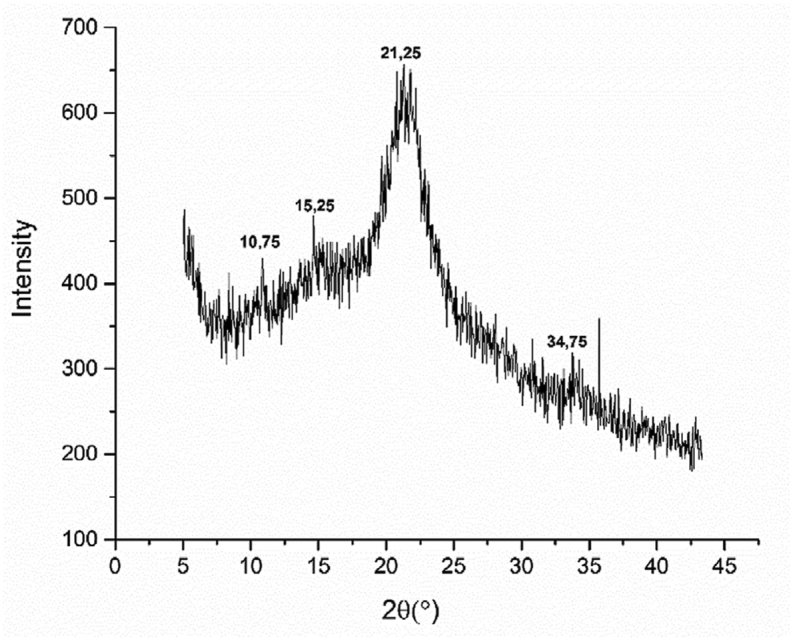
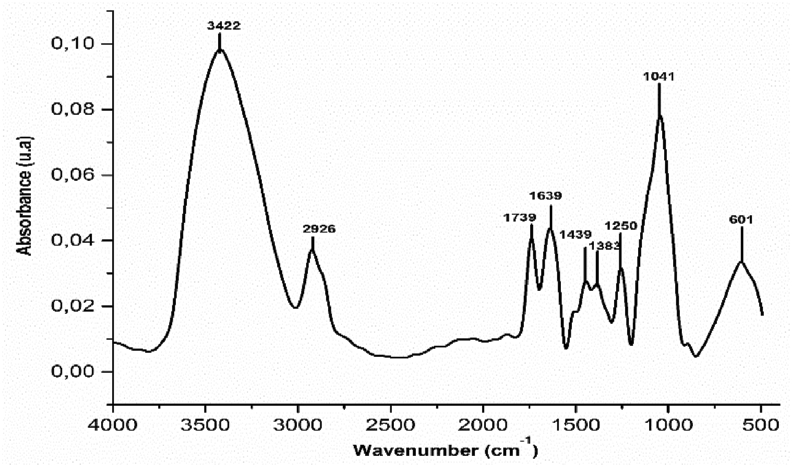
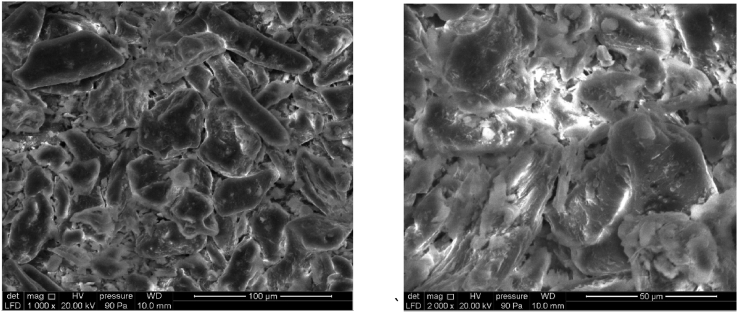
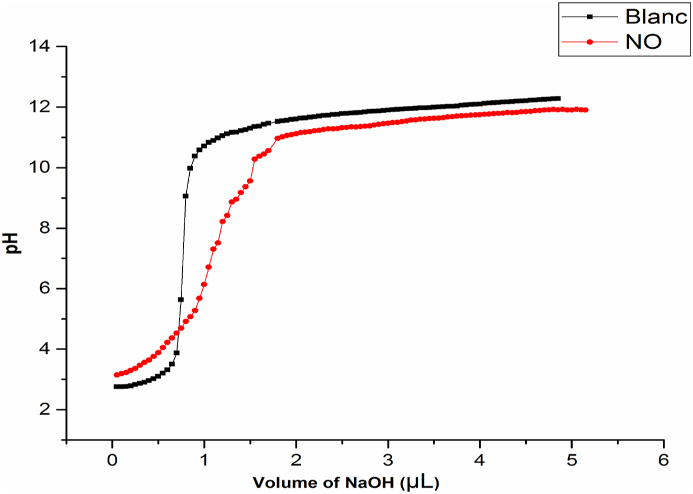
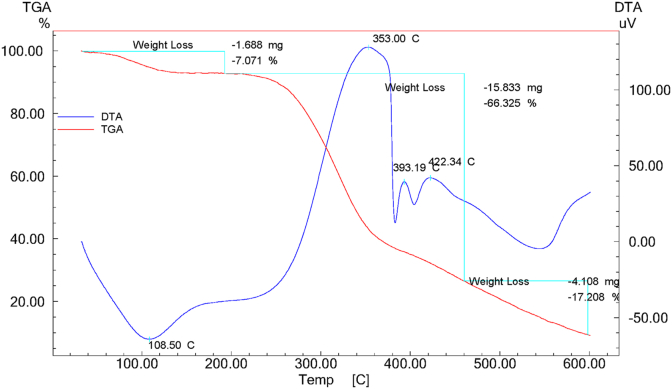
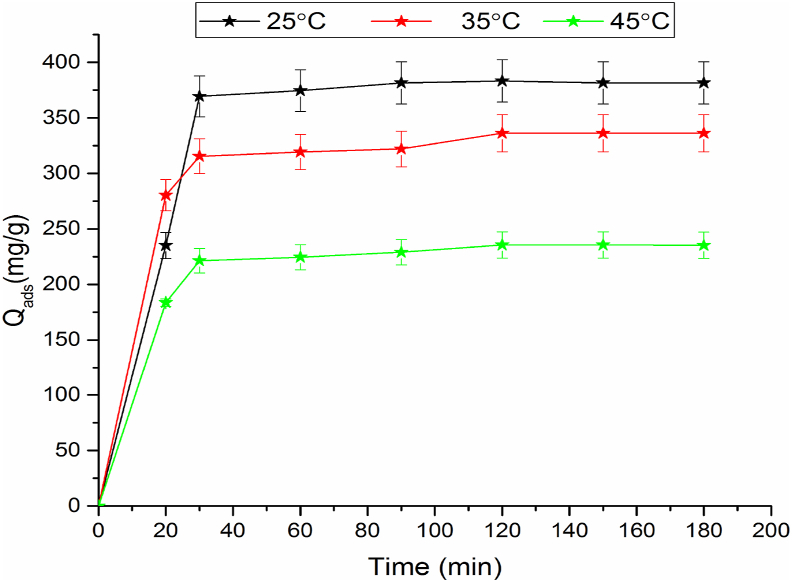
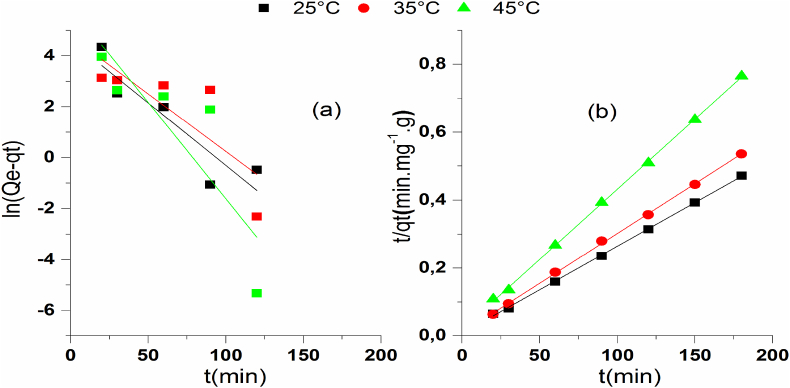
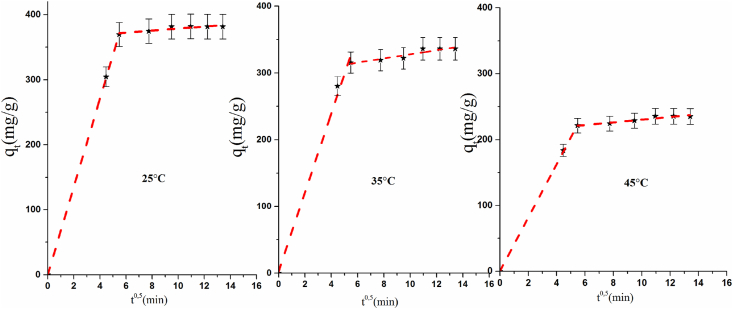
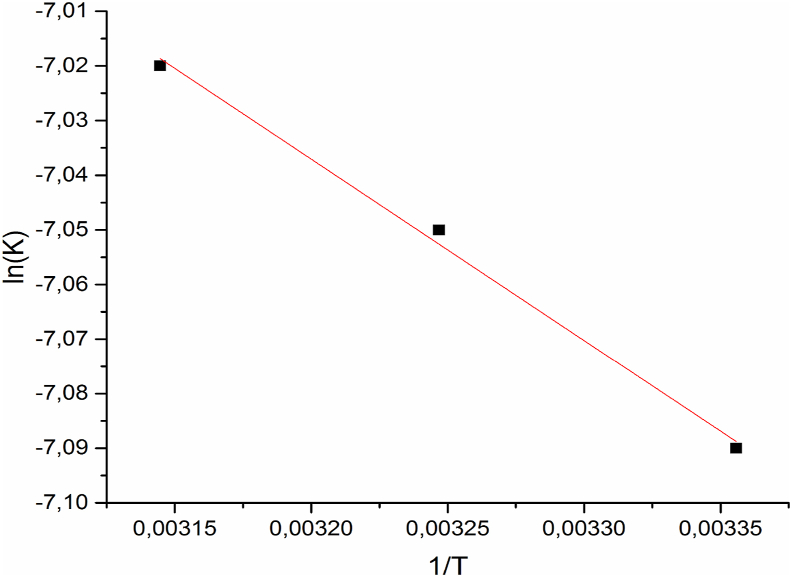
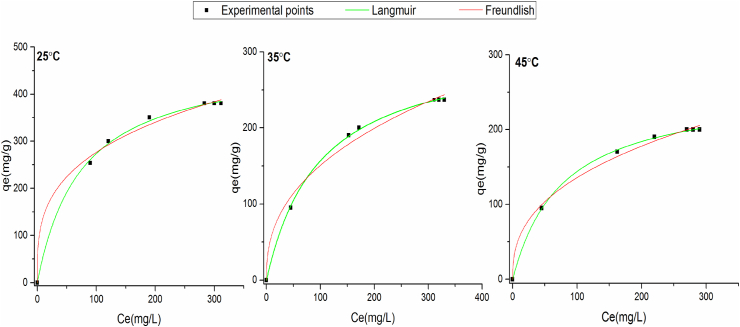
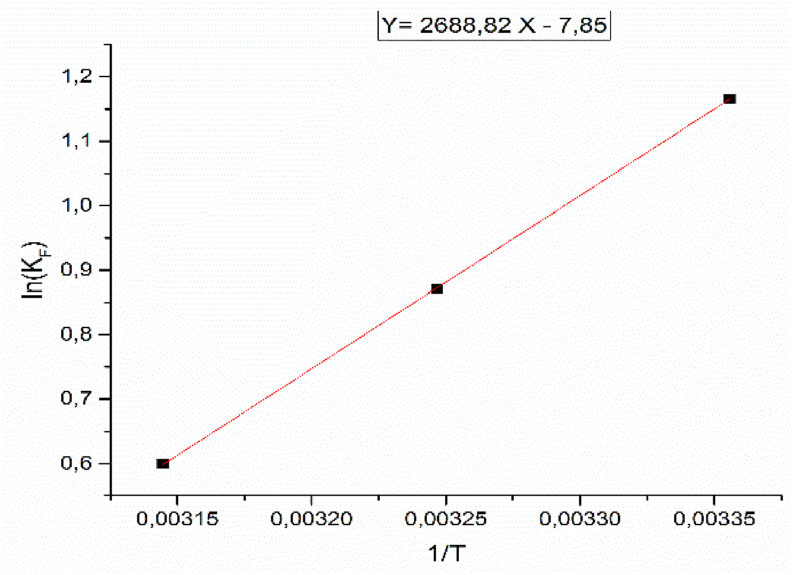
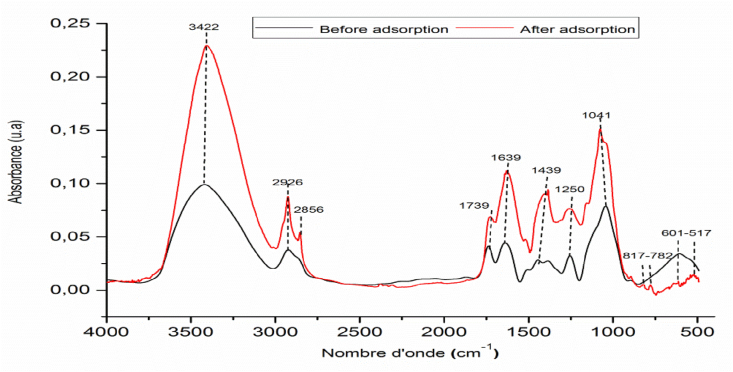
Removal of polyphenols from crude olive mill wastewaters (COMWW) is vital to the development of olive industries. In addition, the exploitation of the residue of the olive oil industry such as crude olive stone (COS) constitutes a valorization of this substance and makes a contribution to the fight against environmental pollution. For this purpose, this study concerns the utilization of COS as an adsorbent of polyphenols from COMWW. The characterization of COS was realized by FTIR, XRD, SEM, PZN, BET and TGA-DTA. The adsorption kinetics and isotherms of polyphenols was analyzed by pseudo-first-order (PFO), pseudo-second-order (PSO), intraparticle diffusion models (MW) and nonlinear models of isotherms Langmuir (LM) and Freundlich (FM) respectively. This study goal at understanding the adsorption mechanism of polyphenols on COS by FTIR and XRD study. The results of adsorption kinetics demonstred that the adsorption capacity of polyphenols 'PP' onto COS is decreased from 381 mg g to 235 mg g, with the increasing of the temperature, from 25 °C to 45 °C, indicating an exothermic process, which is confirmed by the negative values of enthalpy ΔH°. Moreover, the negative values of free energy ΔG° and entropy ΔS° indicate the spontaneous and ordered adsorption phenomenon. Kinetic and isotherms studies showed that polyphenols adsorption onto crude olive stone followed PSO kinetic, the FM and LM models were the best fitted. Consequently, this study indicates that crude olive stone could be used as a cheap adsorbent for removing of polyphenols from crude COMWW.
从粗橄榄果渣废水中去除多酚对橄榄产业的发展至关重要。此外,对橄榄油产业残渣如粗橄榄石(COS)的开发利用实现了该物质的价值提升,并有助于应对环境污染。为此,本研究关注将COS用作从粗橄榄果渣废水中吸附多酚的吸附剂。通过傅里叶变换红外光谱(FTIR)、X射线衍射(XRD)、扫描电子显微镜(SEM)、零电荷点(PZN)、比表面积分析仪(BET)和热重-差示热分析(TGA-DTA)对COS进行了表征。分别采用伪一级(PFO)、伪二级(PSO)、颗粒内扩散模型(MW)以及等温线的非线性模型朗缪尔(LM)和弗伦德里希(FM)分析了多酚的吸附动力学和等温线。本研究旨在通过FTIR和XRD研究了解多酚在COS上的吸附机制。吸附动力学结果表明,随着温度从25℃升高到45℃,多酚“PP”在COS上的吸附容量从381 mg/g降至235 mg/g,表明这是一个放热过程,焓变ΔH°的负值证实了这一点。此外,自由能ΔG°和熵ΔS°的负值表明吸附现象是自发且有序的。动力学和等温线研究表明,多酚在粗橄榄石上的吸附遵循PSO动力学,FM和LM模型拟合效果最佳。因此,本研究表明粗橄榄石可作为一种廉价的吸附剂用于去除粗橄榄果渣废水中的多酚。