Department of Mechanical Engineering, College of Engineering, Campus of Brigham Young University, Provo, UT 4019, USA.
Department of Statistics, College of Physical and Mathematical Sciences, Brigham Young University, Provo, UT 4019, USA.
Int J Environ Res Public Health. 2021 Jul 24;18(15):7853. doi: 10.3390/ijerph18157853.
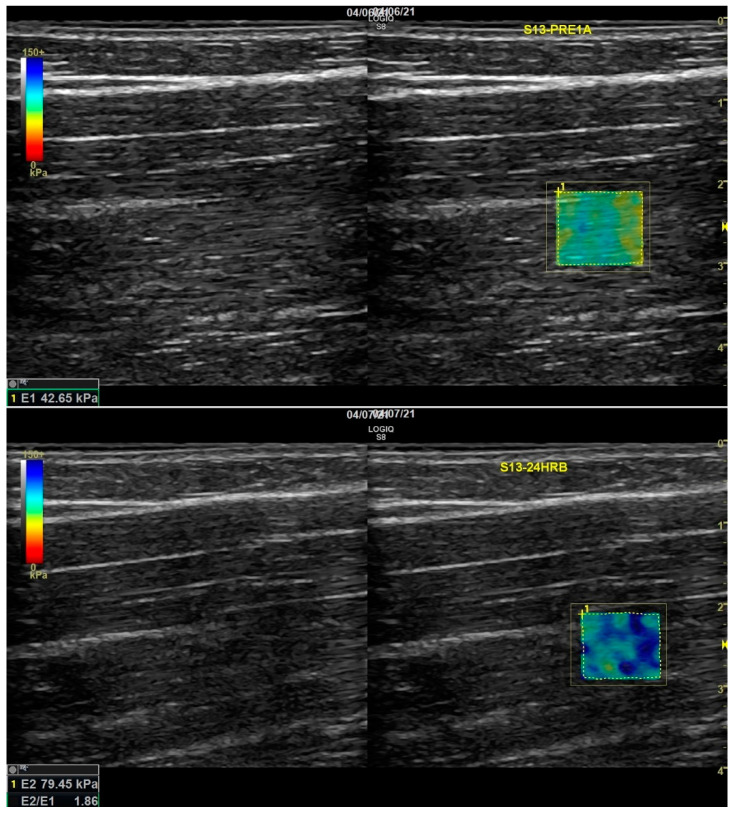
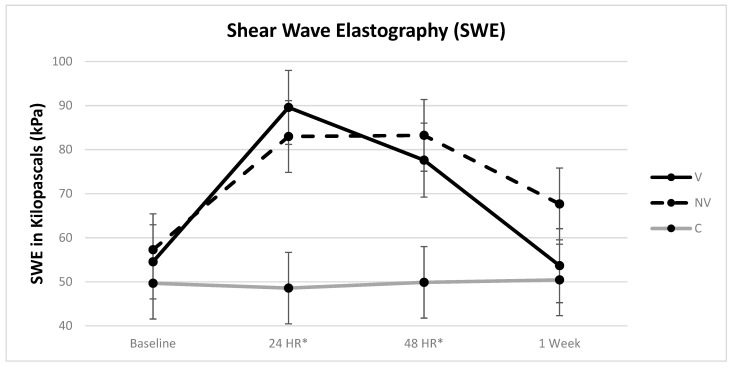
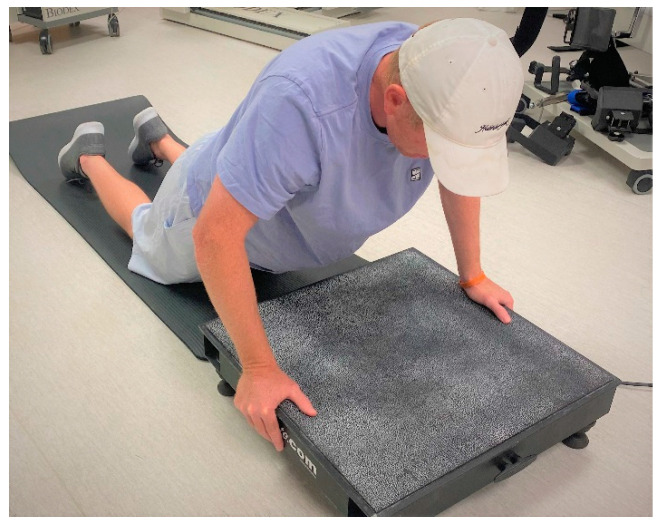
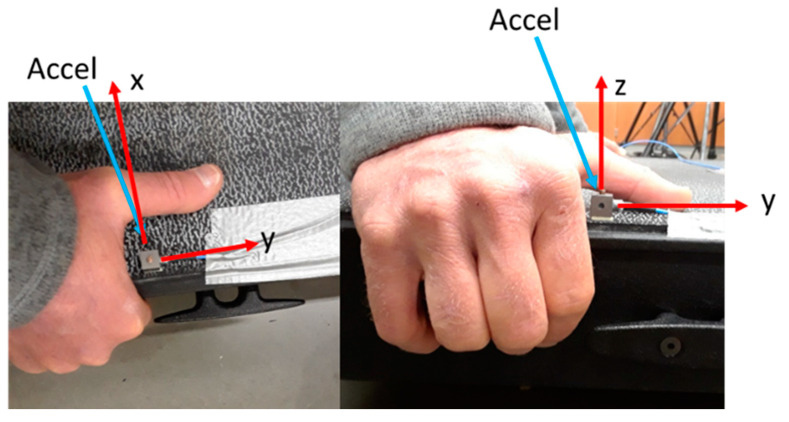
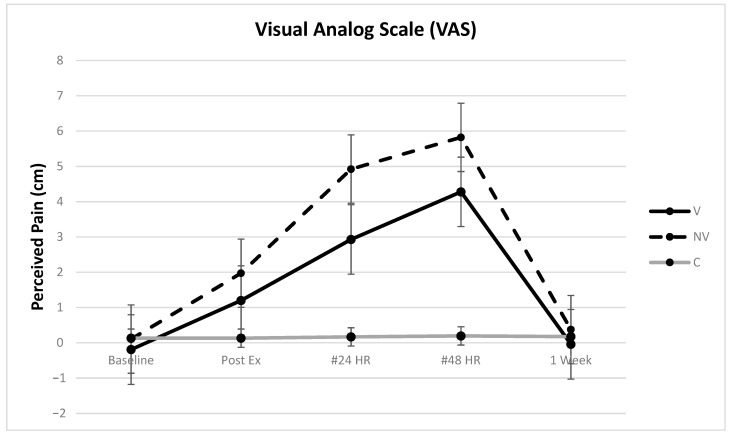
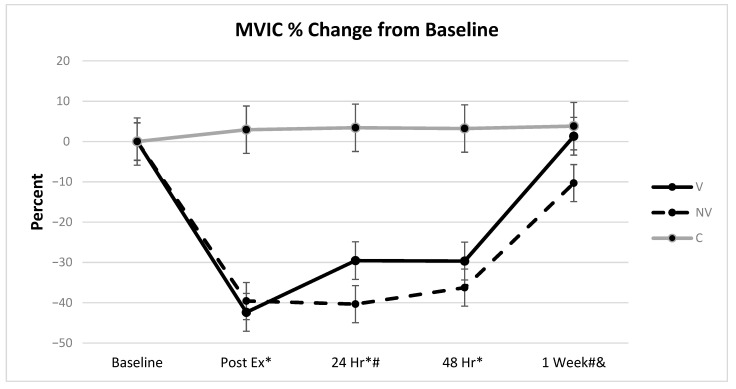
This study utilized resonant frequency vibration to the upper body to determine changes in pain, stiffness and isometric strength of the biceps brachii after eccentric damage. Thirty-one participants without recent resistance training were randomized into three groups: a Control (C) group and two eccentric exercise groups (No vibration (NV) and Vibration (V)). After muscle damage, participants in the V group received upper body vibration (UBV) therapy for 5 min on days 1-4. All participants completed a visual analog scale (VAS), maximum voluntary isometric contraction (MVIC), and shear wave elastography (SWE) of the bicep at baseline (pre-exercise), 24 h, 48 h, and 1-week post exercise. There was a significant difference between V and NV at 24 h for VAS ( = 0.0051), at 24 h and 1-week for MVIC ( = 0.0017 and = 0.0016, respectively). There was a significant decrease in SWE for the V group from 24-48 h ( = 0.0003), while there was no significant change in the NV group ( = 0.9341). The use of UBV resonant vibration decreased MVIC decrement and reduced VAS pain ratings at 24 h post eccentric damage. SWE was strongly negatively correlated with MVIC and may function as a predictor of intrinsic muscle state in the time course of recovery of the biceps brachii.
本研究利用共振频率振动对上半身进行刺激,以确定离心性损伤后肱二头肌疼痛、僵硬和等长强度的变化。31 名无近期抗阻训练的参与者被随机分为三组:对照组(C)和两组离心运动组(无振动(NV)和振动(V))。肌肉损伤后,V 组患者在第 1-4 天接受 5 分钟的上半身振动(UBV)治疗。所有参与者在基线(运动前)、24 小时、48 小时和运动后 1 周完成视觉模拟评分(VAS)、最大自主等长收缩(MVIC)和肱二头肌剪切波弹性成像(SWE)。V 组在 24 小时时的 VAS 与 NV 组有显著差异( = 0.0051),在 24 小时和 1 周时的 MVIC 与 NV 组有显著差异( = 0.0017 和 = 0.0016)。V 组的 SWE 在 24-48 小时之间显著下降( = 0.0003),而 NV 组没有显著变化( = 0.9341)。UBV 共振振动的使用降低了离心损伤后 24 小时的 MVIC 下降幅度,并降低了 VAS 的疼痛评分。SWE 与 MVIC 呈强烈负相关,可能是肱二头肌恢复过程中内在肌肉状态的预测指标。