Mushtaque Madiha, Khalid Farah, Ishaqui Azfar Ather, Masood Rida, Maqsood Muhammad Bilal, Muhammad Iyad Naeem
Department of Pharmaceutics, Faculty of Pharmacy and Pharmaceutical Sciences, University of Karachi, Pakistan.
King Abdullah International Medical Research Center, King Abdulaziz Hospital, Ministry of National Guard Health Affairs, Kingdom of Saudi Arabia.
Infect Prev Pract. 2019 Nov 9;1(3-4):100025. doi: 10.1016/j.infpip.2019.100025. eCollection 2019 Dec.
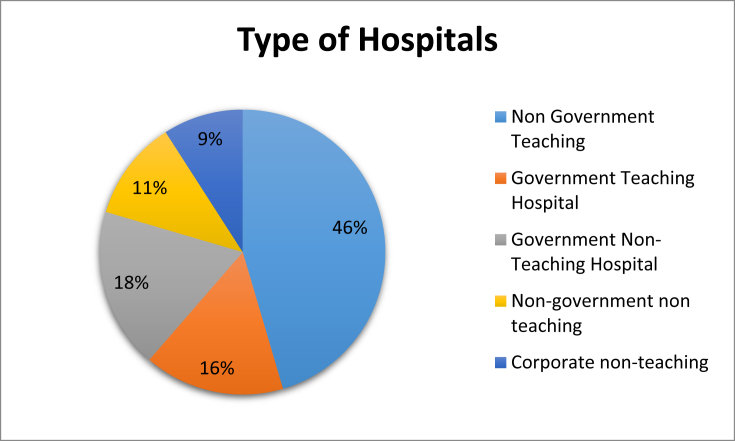
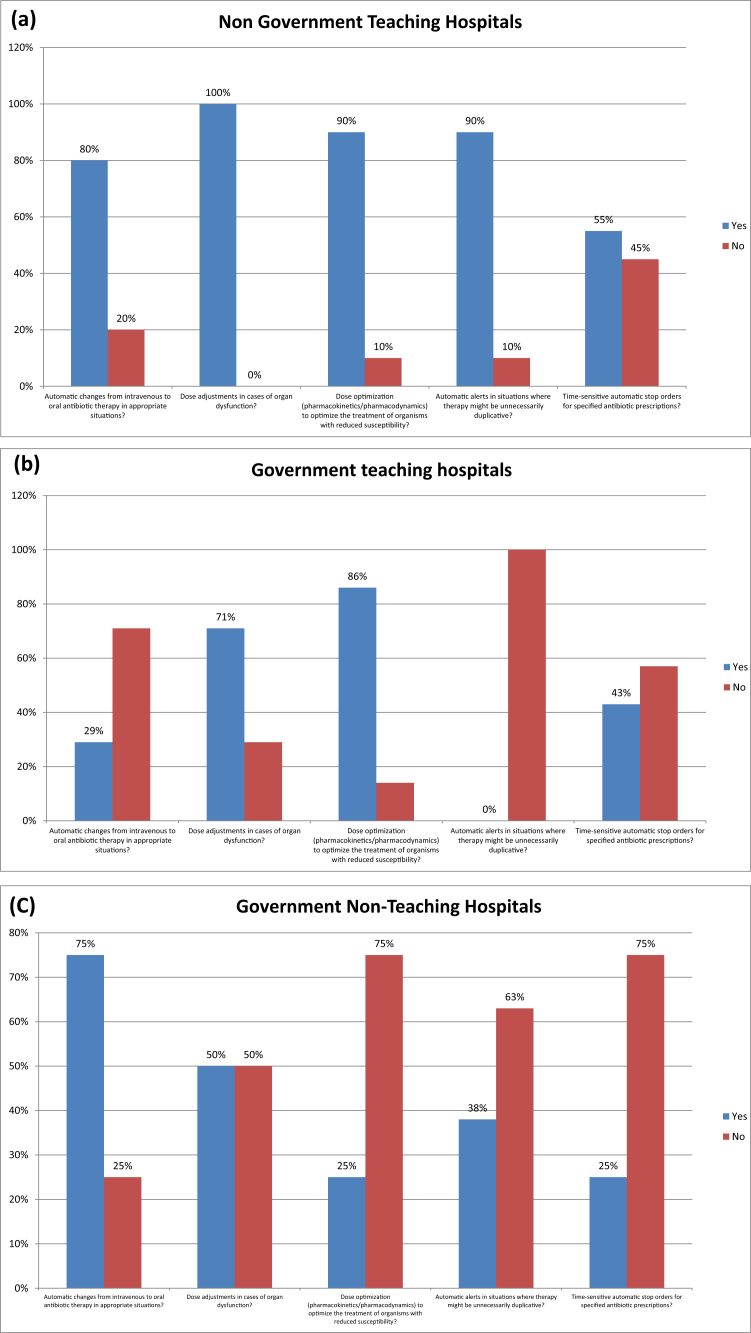
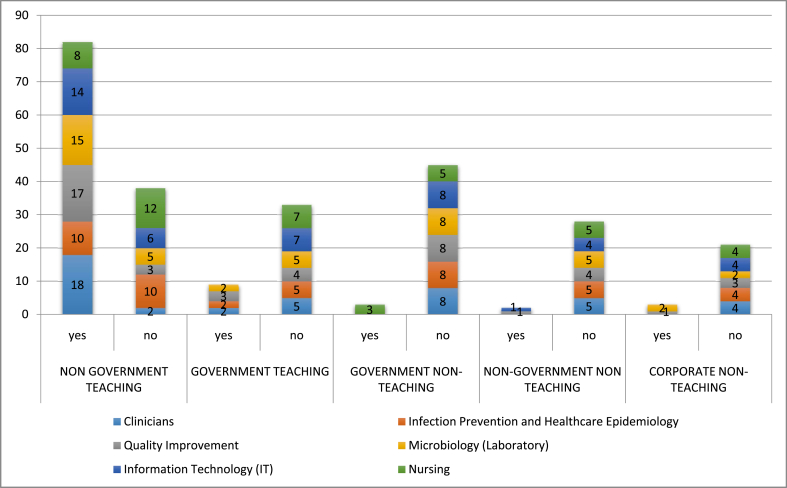
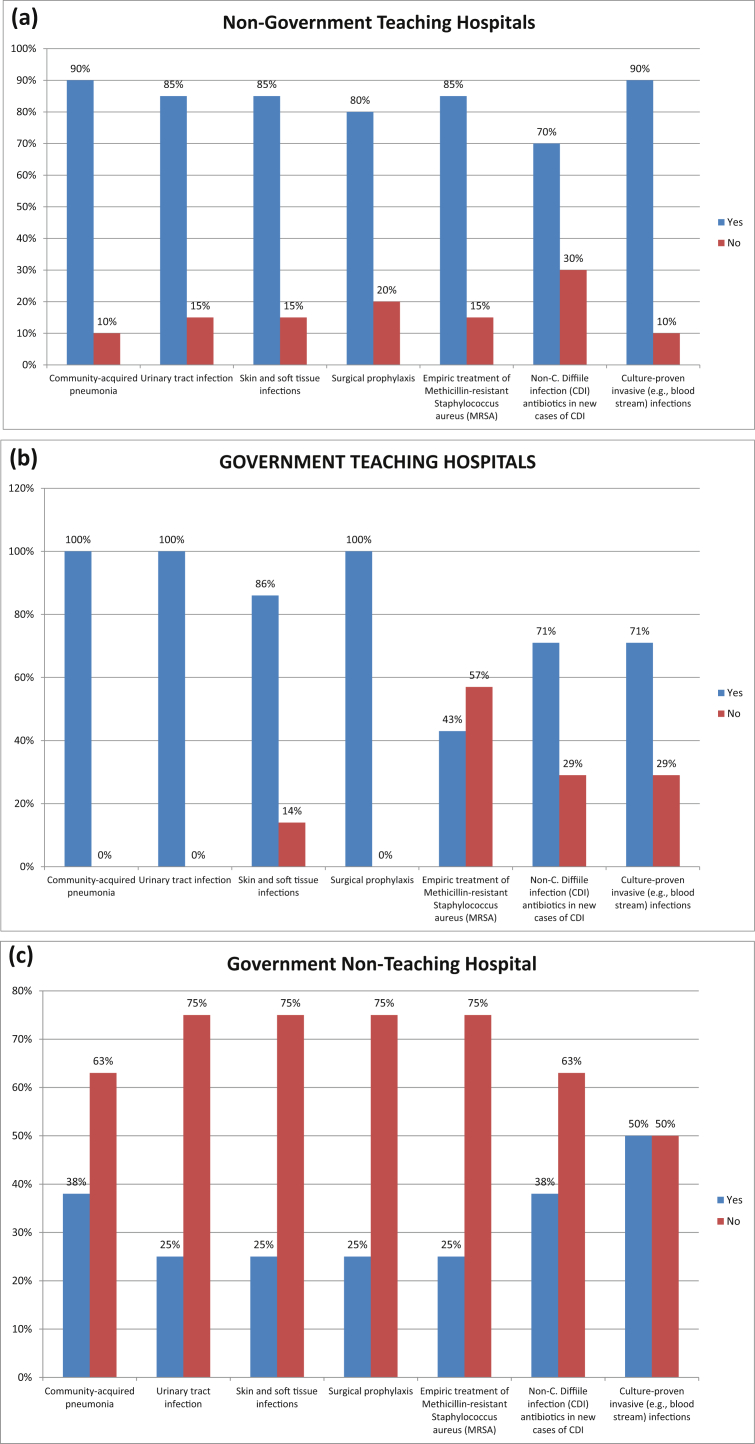
Antimicrobial stewardship programs (ASP) are an essential practice to prevent increasing resistance against antibiotics. A successful ASP monitors not only prescribing patterns and practices but also contributes in minimizing the toxic effects of antibiotics. Moreover, ASP also facilitates the selection of disease specific antibiotics and enforces rules and regulations to rationalize the use of antibiotics. The aim of the study is to highlight the core elements of Hospital Antibiotic Stewardship Programs in Karachi. The key elements proposed by center of disease control (CDC) such as; leadership, accountability, drug expertise, actions to support optimal antibiotic use, tracking (monitoring antibiotic prescribing, use and resistance), reporting information to staff on improving antibiotic use and resistance and education were evaluated on Yes/No scale. The data was collected from 44 hospitals of different categories in Karachi and all the major elements were studied. It was observed that all the hospitals in one setting failed to comply with all the guidelines. It has been concluded that efforts should be made to design ASP at each hospital and implemented through suitable policies and procedures.
抗菌药物管理计划(ASP)是预防抗生素耐药性增加的一项重要措施。一个成功的ASP不仅要监测处方模式和做法,还要有助于将抗生素的毒性作用降至最低。此外,ASP还便于选择针对特定疾病的抗生素,并执行相关规章制度以使抗生素的使用合理化。本研究的目的是突出卡拉奇医院抗生素管理计划的核心要素。对疾病控制中心(CDC)提出的关键要素,如领导力、问责制、药物专业知识、支持最佳抗生素使用的行动、跟踪(监测抗生素处方、使用和耐药性)、向工作人员报告有关改善抗生素使用和耐药性的信息以及教育等,采用是/否量表进行评估。数据收集自卡拉奇44家不同类别的医院,并对所有主要要素进行了研究。结果发现,同一环境中的所有医院均未完全遵守所有指南。得出的结论是,应努力为每家医院设计ASP,并通过适当的政策和程序予以实施。