Lucarini Elena, Di Pilato Vincenzo, Parisio Carmen, Micheli Laura, Toti Alessandra, Pacini Alessandra, Bartolucci Gianluca, Baldi Simone, Niccolai Elena, Amedei Amedeo, Rossolini Gian Maria, Nicoletti Claudio, Cryan John F, O'Mahony Siobhain M, Ghelardini Carla, Di Cesare Mannelli Lorenzo
Department of Neuroscience, Psychology, Drug Research and Child Health, Neurofarba, Pharmacology and Toxicology Section, University of Florence, Florence, Italy.
Department of Experimental and Clinical Medicine, University of Florence, Florence, Italy.
Pain. 2022 May 1;163(5):861-877. doi: 10.1097/j.pain.0000000000002438.
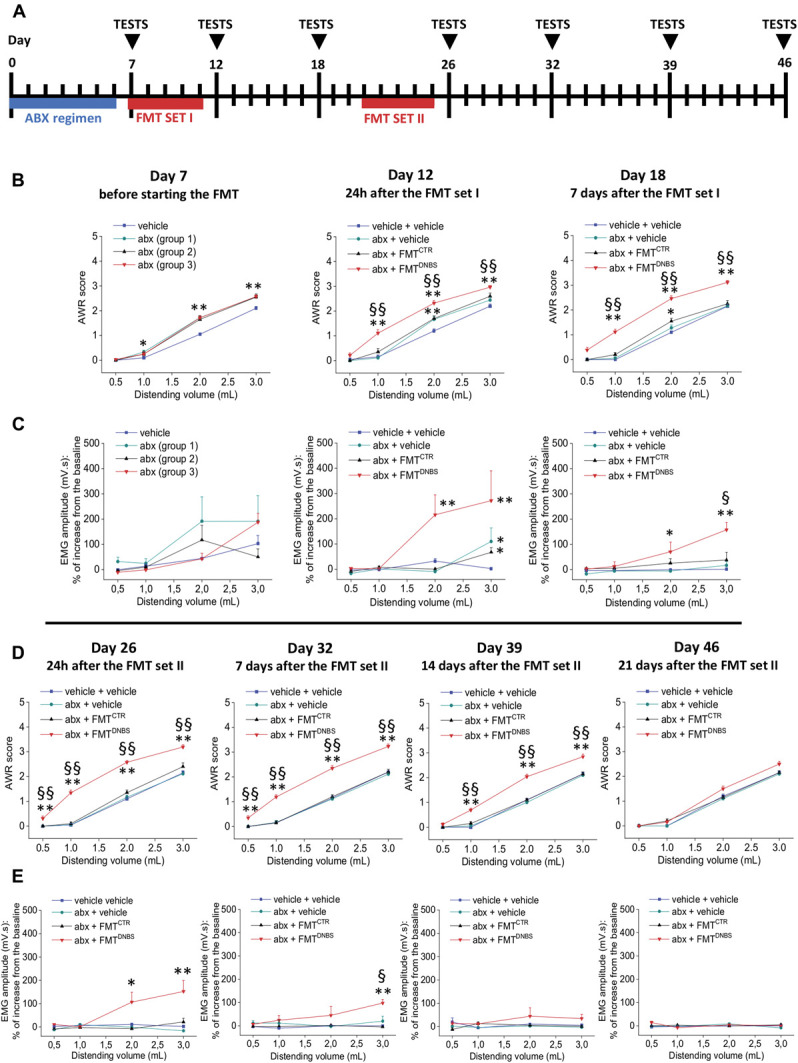
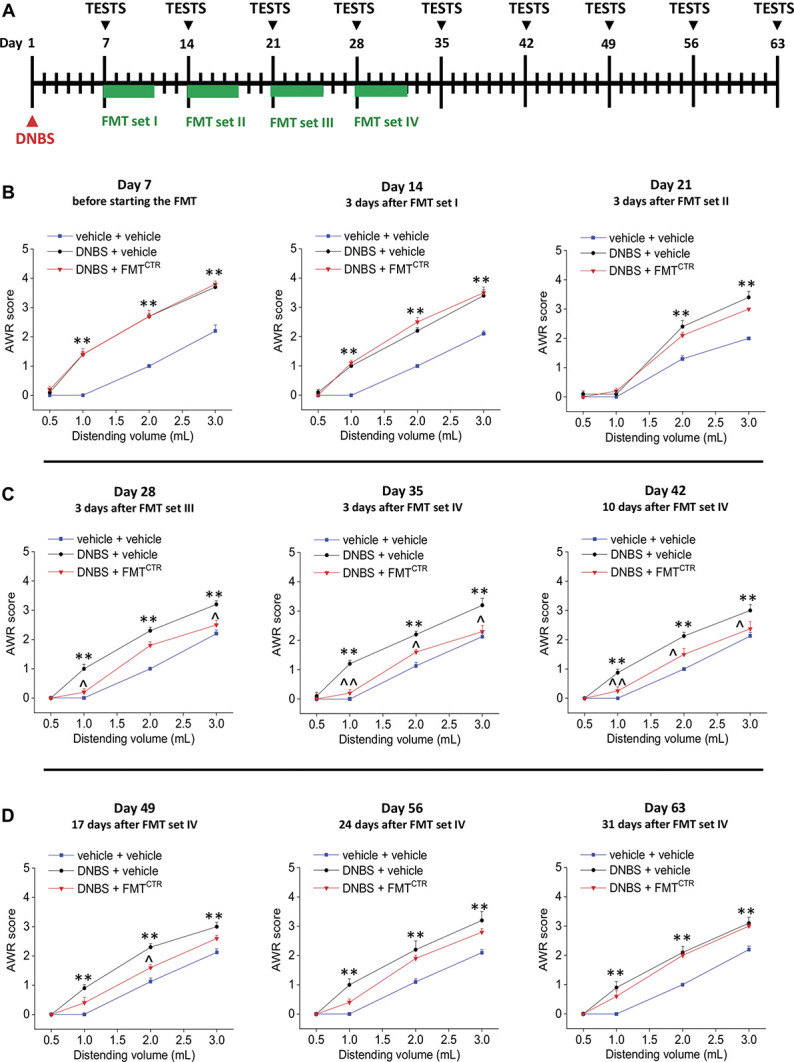
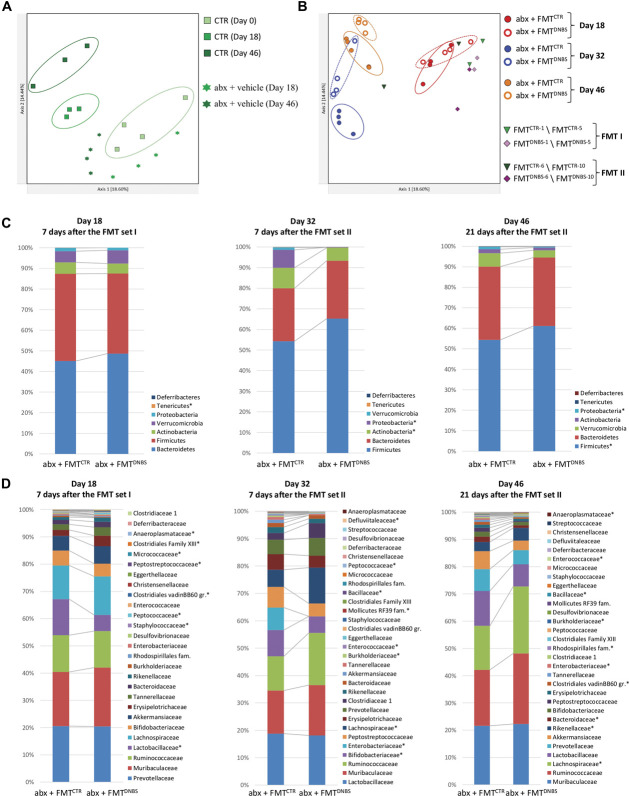
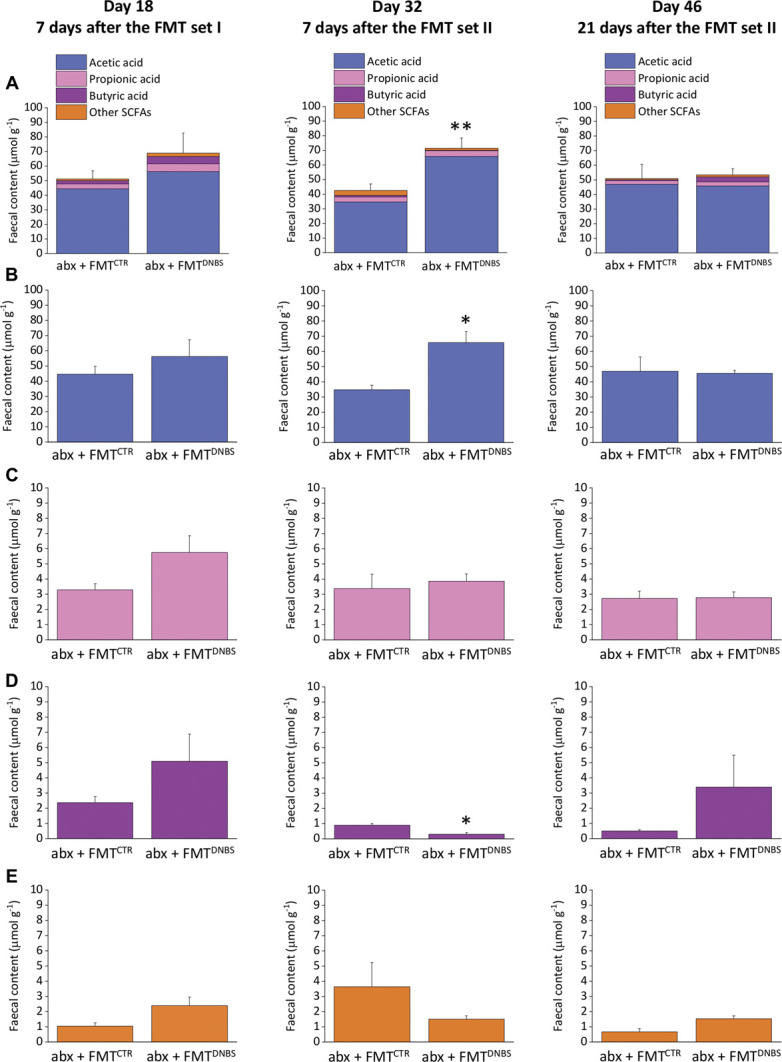
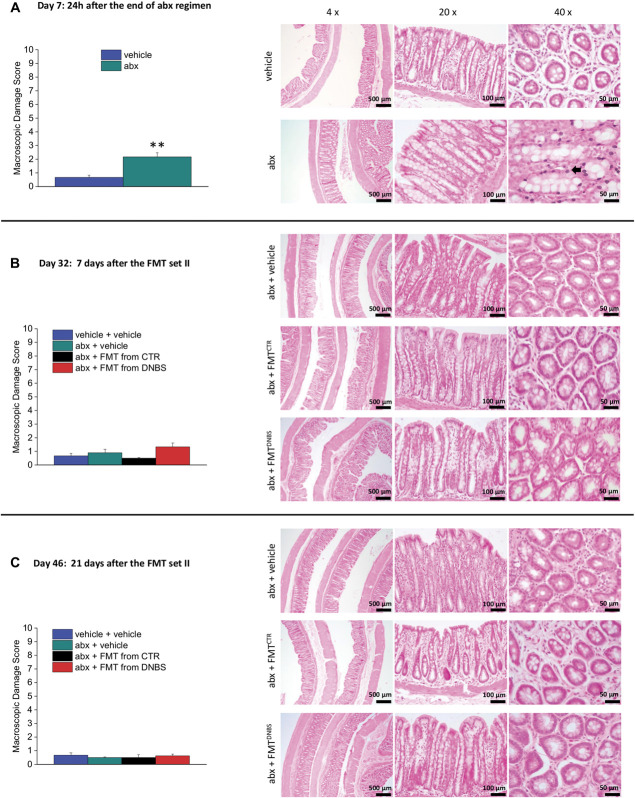
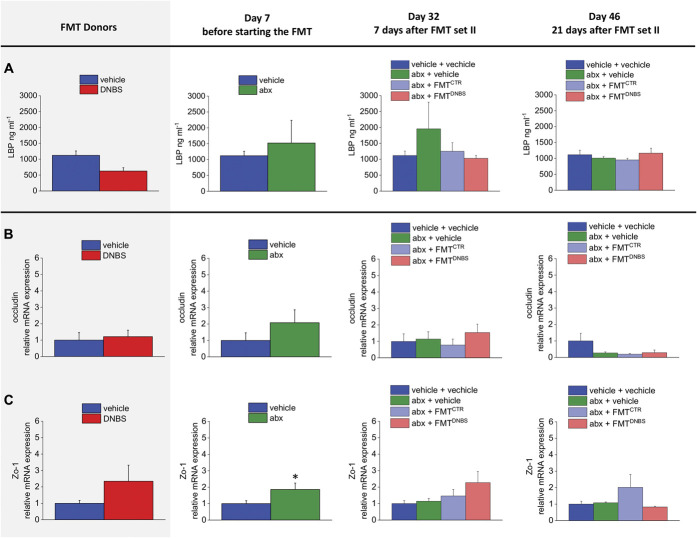
Recent findings linked gastrointestinal disorders characterized by abdominal pain to gut microbiota composition. The present work aimed to evaluate the power of gut microbiota as a visceral pain modulator and, consequently, the relevance of its manipulation as a therapeutic option in reversing postinflammatory visceral pain persistence. Colitis was induced in mice by intrarectally injecting 2,4-dinitrobenzenesulfonic acid (DNBS). The effect of faecal microbiota transplantation from viscerally hypersensitive DNBS-treated and naive donors was evaluated in control rats after an antibiotic-mediated microbiota depletion. Faecal microbiota transplantation from DNBS donors induced a long-lasting visceral hypersensitivity in control rats. Pain threshold trend correlated with major modifications in the composition of gut microbiota and short chain fatty acids. By contrast, no significant alterations of colon histology, permeability, and monoamines levels were detected. Finally, by manipulating the gut microbiota of DNBS-treated animals, a counteraction of persistent visceral pain was achieved. The present results provide novel insights into the relationship between intestinal microbiota and visceral hypersensitivity, highlighting the therapeutic potential of microbiota-targeted interventions.
最近的研究发现,以腹痛为特征的胃肠道疾病与肠道微生物群组成有关。本研究旨在评估肠道微生物群作为内脏痛调节因子的作用,以及因此其调节作为逆转炎症后内脏痛持续存在的治疗选择的相关性。通过直肠内注射2,4-二硝基苯磺酸(DNBS)在小鼠中诱导结肠炎。在抗生素介导的微生物群耗竭后,评估来自内脏超敏DNBS处理和未处理供体的粪便微生物群移植对对照大鼠的影响。来自DNBS供体的粪便微生物群移植在对照大鼠中诱导了持久的内脏超敏反应。疼痛阈值趋势与肠道微生物群组成和短链脂肪酸的主要变化相关。相比之下,未检测到结肠组织学、通透性和单胺水平的显著改变。最后,通过操纵DNBS处理动物的肠道微生物群,实现了对持续性内脏痛的对抗。本研究结果为肠道微生物群与内脏超敏反应之间的关系提供了新的见解,突出了针对微生物群的干预措施的治疗潜力。