Pediatric Surgery Clinic, Clinical Center, 18000 Nis, Serbia.
Faculty of Medicine, University of Nis, 18000 Nis, Serbia.
Medicina (Kaunas). 2021 Jul 21;57(8):734. doi: 10.3390/medicina57080734.
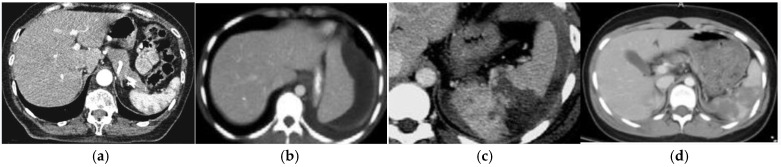
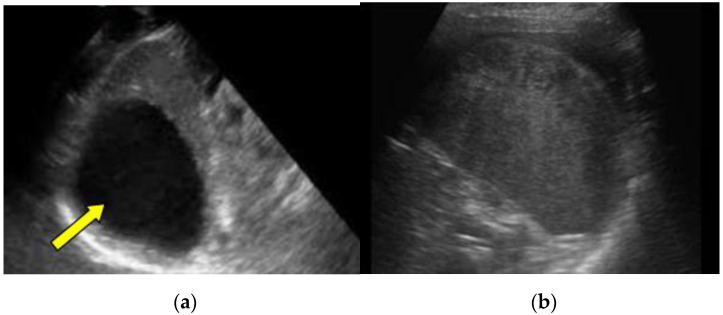
: For the last three decades, non-operative management (NOM) has been the standard in the treatment of clinically stable patients with blunt spleen injury, with a success rate of up to 95%. However, there are no prospective issues in the literature dealing with the incidence and type of splenic complications after NOM. : This study analyzed 76 pediatric patients, up to the age of 18, with blunt splenic injury who were treated non-operatively. All patients were included in a posttraumatic follow-up protocol with ultrasound examinations 4 and 12 weeks after injury. : The mean age of the children was 9.58 ± 3.97 years (range 1.98 to 17.75 years), with no statistically significant difference between the genders. The severity of the injury was determined according to the American Association for Surgery of Trauma (AAST) classification: 7 patients had grade I injuries (89.21%), 21 patients had grade II injuries (27.63%), 33 patients had grade III injuries (43.42%), and 15 patients had grade IV injuries (19.73%). The majority of the injuries were so-called high-energy ones, which were recorded in 45 patients (59.21%). According to a previously created posttraumatic follow-up protocol, complications were detected in 16 patients (21.05%). Hematomas had the highest incidence and were detected in 11 patients (14.47%), while pseudocysts were detected in 3 (3.94%), and a splenic abscess and pseudoaneurysm were detected in 1 patient (1.31%), respectively. The complications were in a direct correlation with injury grade: seven occurred in patients with grade IV injuries (9.21%), five occurred in children with grade III injuries (6.57%), three occurred in patients with grade II injuries (3.94%), and one occurred in a patient with a grade I injury (1.31%). : Based on the severity of the spleen injury, it is difficult to predict the further course of developing complications, but complications are more common in high-grade injuries. The implementation of a follow-up ultrasound protocol is mandatory in all patients with NOM of spleen injuries for the early detection of potentially dangerous and fatal complications.
在过去的三十年中,非手术治疗(NOM)已成为治疗钝性脾损伤临床稳定患者的标准方法,成功率高达 95%。然而,文献中尚无前瞻性研究涉及 NOM 后脾并发症的发生率和类型。
本研究分析了 76 例年龄在 18 岁以下的接受非手术治疗的儿童钝性脾损伤患者。所有患者均纳入创伤后随访方案,在损伤后 4 周和 12 周进行超声检查。
患儿的平均年龄为 9.58 ± 3.97 岁(范围 1.98 至 17.75 岁),性别间无统计学差异。损伤严重程度根据美国创伤外科学会(AAST)分级确定:7 例为 I 级损伤(89.21%),21 例为 II 级损伤(27.63%),33 例为 III 级损伤(43.42%),15 例为 IV 级损伤(19.73%)。大多数损伤为所谓的高能损伤,其中 45 例(59.21%)记录在案。根据之前制定的创伤后随访方案,16 例(21.05%)患者发现并发症。血肿的发生率最高,为 11 例(14.47%),假性囊肿为 3 例(3.94%),脾脓肿和假性动脉瘤各 1 例(1.31%)。并发症与损伤分级直接相关:IV 级损伤患者发生 7 例(9.21%),III 级损伤患者发生 5 例(6.57%),II 级损伤患者发生 3 例(3.94%),I 级损伤患者发生 1 例(1.31%)。
根据脾损伤的严重程度,很难预测并发症的进一步发展过程,但严重损伤更容易发生并发症。对于所有接受 NOM 的脾损伤患者,实施超声随访方案是强制性的,以便早期发现潜在的危险和致命并发症。