Department of Pediatrics, Division of Neonatology, Cooper University Hospital, Camden, NJ 08103, USA.
Department of Pediatrics, Division of Neonatology, Drexel University, Philadelphia, PA 19102, USA.
Int J Mol Sci. 2021 Aug 9;22(16):8547. doi: 10.3390/ijms22168547.
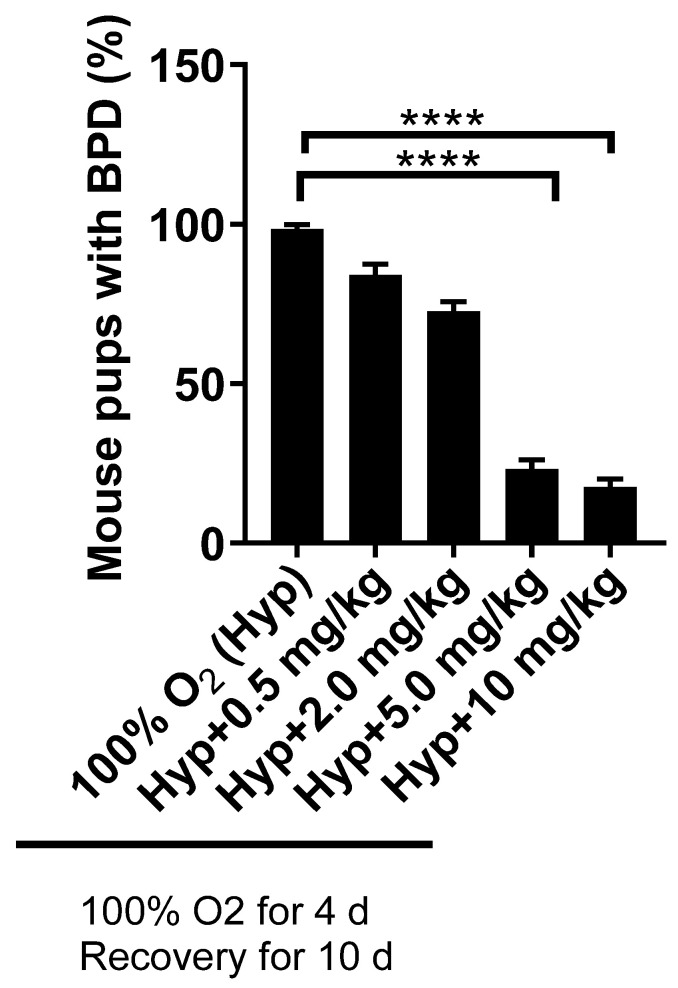
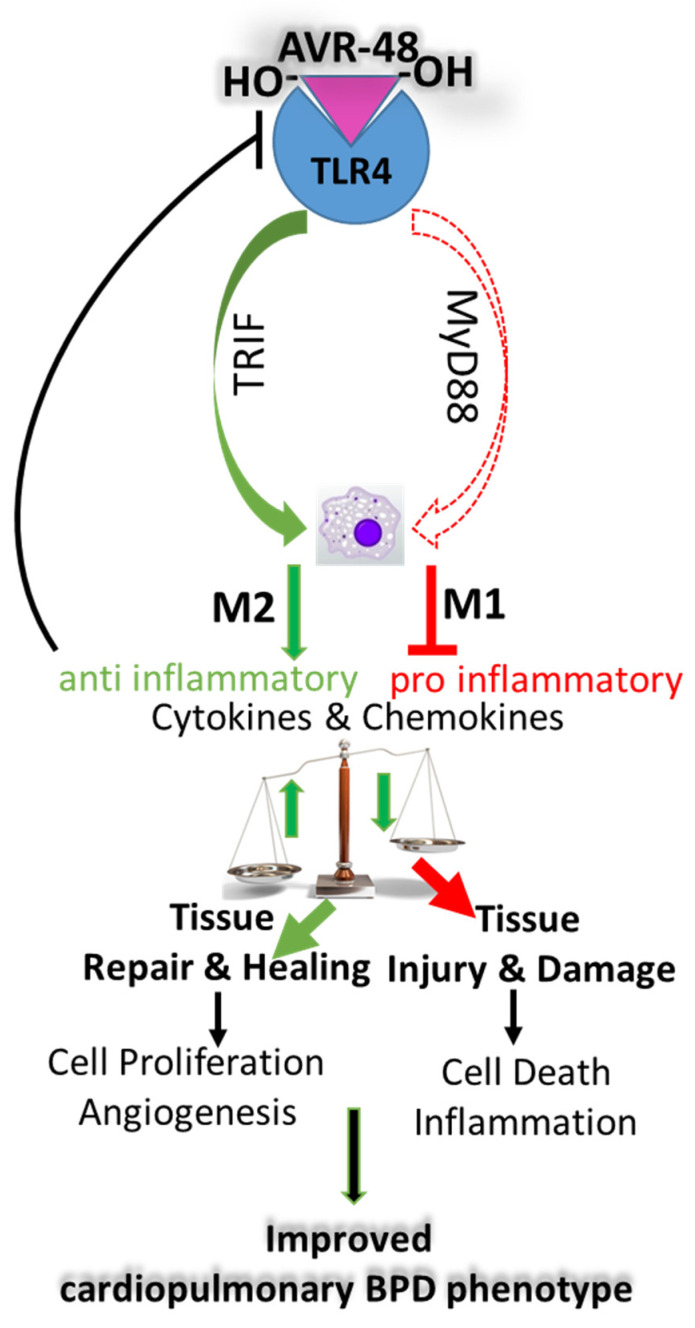
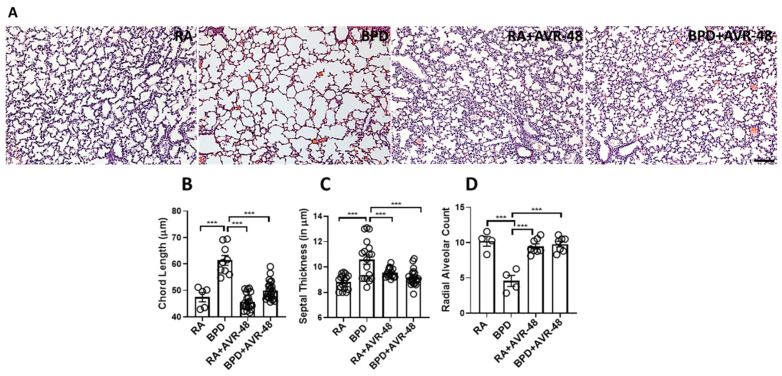
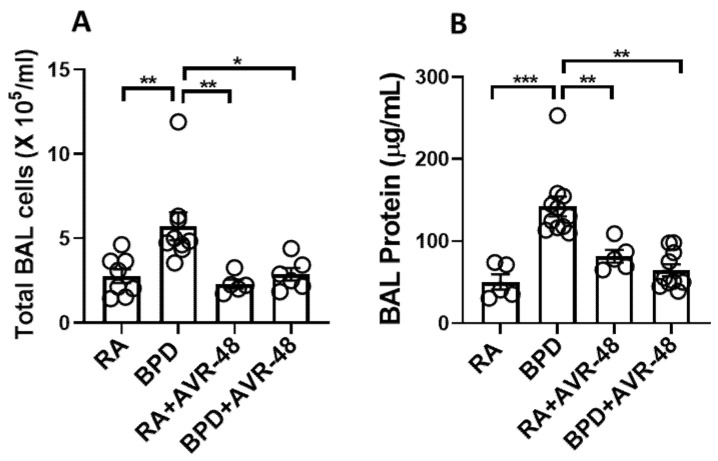
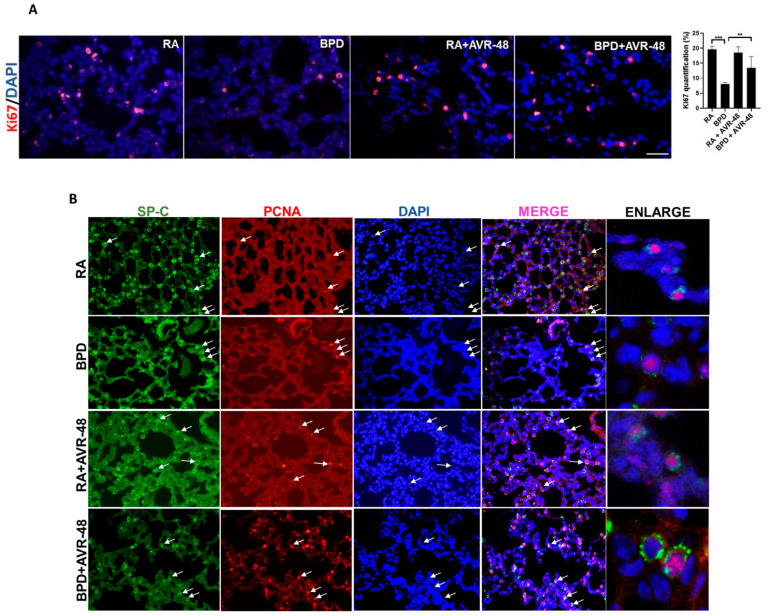
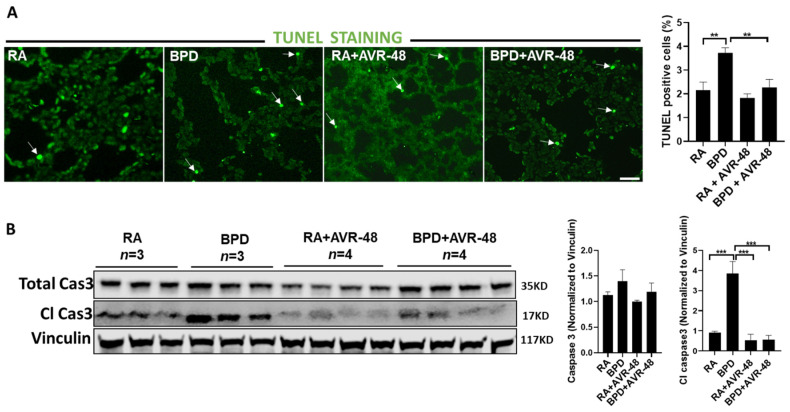
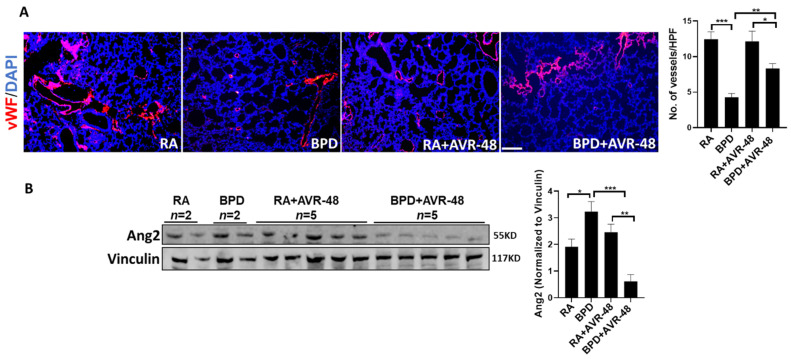
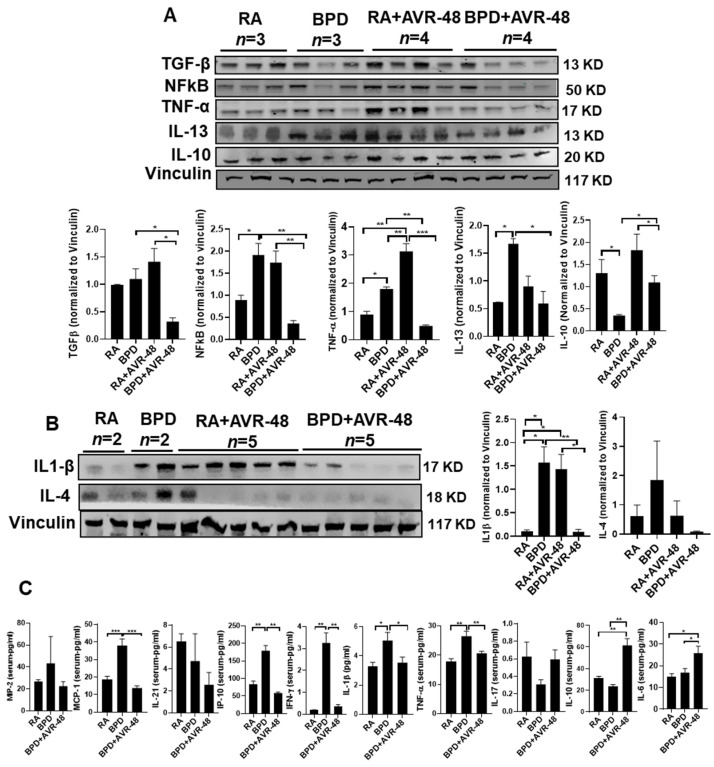
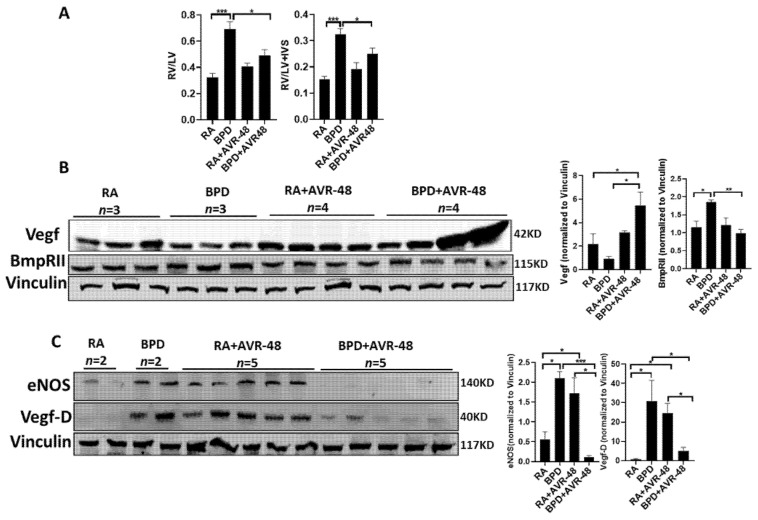
Bronchopulmonary dysplasia (BPD) is the most common complication of prematurity and a key contributor to the large health care burden associated with prematurity, longer hospital stays, higher hospital costs, and frequent re-hospitalizations of affected patients through the first year of life and increased resource utilization throughout childhood. This disease is associated with abnormal pulmonary function that may lead to BPD-associated pulmonary hypertension (PH), a major contributor to neonatal mortality and morbidity. In the absence of any definitive treatment options, this life-threatening disease is associated with high resource utilization during and after neonatal intensive care unit (NICU) stay. The goal of this study was to test the safety and efficacy of a small molecule derivative of chitin, AVR-48, as prophylactic therapy for preventing experimental BPD in a mouse model. Two doses of AVR-48 were delivered either intranasally (0.11 mg/kg), intraperitoneally (10 mg/kg), or intravenously (IV) (10 mg/kg) to newborn mouse pups on postnatal day (P)2 and P4. The outcomes were assessed by measuring total inflammatory cells in the broncho-alveolar lavage fluid (BALF), chord length, septal thickness, and radial alveolar counts of the alveoli, Fulton's Index (for PH), cell proliferation and cell death by immunostaining, and markers of inflammation by Western blotting and ELISA. The bioavailability and safety of the drug were assessed by pharmacokinetic and toxicity studies in both neonatal mice and rat pups (P3-P5). Following AVR-48 treatment, alveolar simplification was improved, as evident from chord length, septal thickness, and radial alveolar counts; total inflammatory cells were decreased in the BALF; Fulton's Index was decreased and lung inflammation and cell death were decreased, while angiogenesis and cell proliferation were increased. AVR-48 was found to be safe and the no-observed-adverse-effect level (NOAEL) in rat pups was determined to be 100 mg/kg when delivered via IV dosing with a 20-fold safety margin. With no reported toxicity and with a shorter half-life, AVR-48 is able to reverse the worsening cardiopulmonary phenotype of experimental BPD and BPD-PH, compared to controls, thus positioning it as a future drug candidate.
支气管肺发育不良(BPD)是早产儿最常见的并发症,也是导致早产儿相关医疗负担的主要因素,包括住院时间延长、住院费用增加、患儿在生命的第一年经常再次住院以及整个儿童期资源利用增加。这种疾病与肺功能异常有关,可能导致 BPD 相关肺动脉高压(PH),这是新生儿死亡和发病的主要原因。由于缺乏任何明确的治疗选择,这种危及生命的疾病与新生儿重症监护病房(NICU)住院期间和之后的高资源利用有关。本研究的目的是测试壳聚糖小分子衍生物 AVR-48 作为预防治疗药物,在小鼠模型中预防实验性 BPD 的安全性和有效性。在出生后第 2 天(P2)和第 4 天(P4),通过鼻腔内(0.11mg/kg)、腹腔内(10mg/kg)或静脉内(IV)(10mg/kg)给予新生小鼠 2 种剂量的 AVR-48。通过测量支气管肺泡灌洗液(BALF)中的总炎症细胞、索长、隔厚和肺泡的肺泡计数、富尔顿指数(用于 PH)、免疫染色的细胞增殖和细胞死亡以及 Western 印迹和 ELISA 的炎症标志物来评估结果。通过新生儿小鼠和大鼠幼仔(P3-P5)的药代动力学和毒性研究评估药物的生物利用度和安全性。在接受 AVR-48 治疗后,肺泡简化得到改善,表现在索长、隔厚和肺泡计数上;BALF 中的总炎症细胞减少;富尔顿指数降低,肺炎症和细胞死亡减少,而血管生成和细胞增殖增加。AVR-48 被发现是安全的,在大鼠幼仔中,当通过 IV 给药时,其无观察到不良效应水平(NOAEL)为 100mg/kg,安全边际为 20 倍。与对照组相比,AVR-48 没有报道毒性,半衰期更短,能够逆转实验性 BPD 和 BPD-PH 的心肺恶化表型,因此有望成为未来的候选药物。