Alabsi Wafaa, Acosta Maria F, Al-Obeidi Fahad A, Hay Meredith, Polt Robin, Mansour Heidi M
Department of Chemistry & Biochemistry, The University of Arizona, Tucson, AZ 85721, USA.
Skaggs Pharmaceutical Sciences Center, College of Pharmacy, The University of Arizona, Tucson, AZ 85721, USA.
Pharmaceutics. 2021 Aug 17;13(8):1278. doi: 10.3390/pharmaceutics13081278.
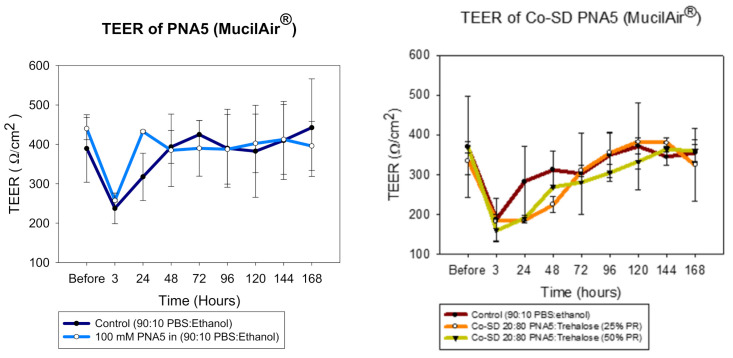
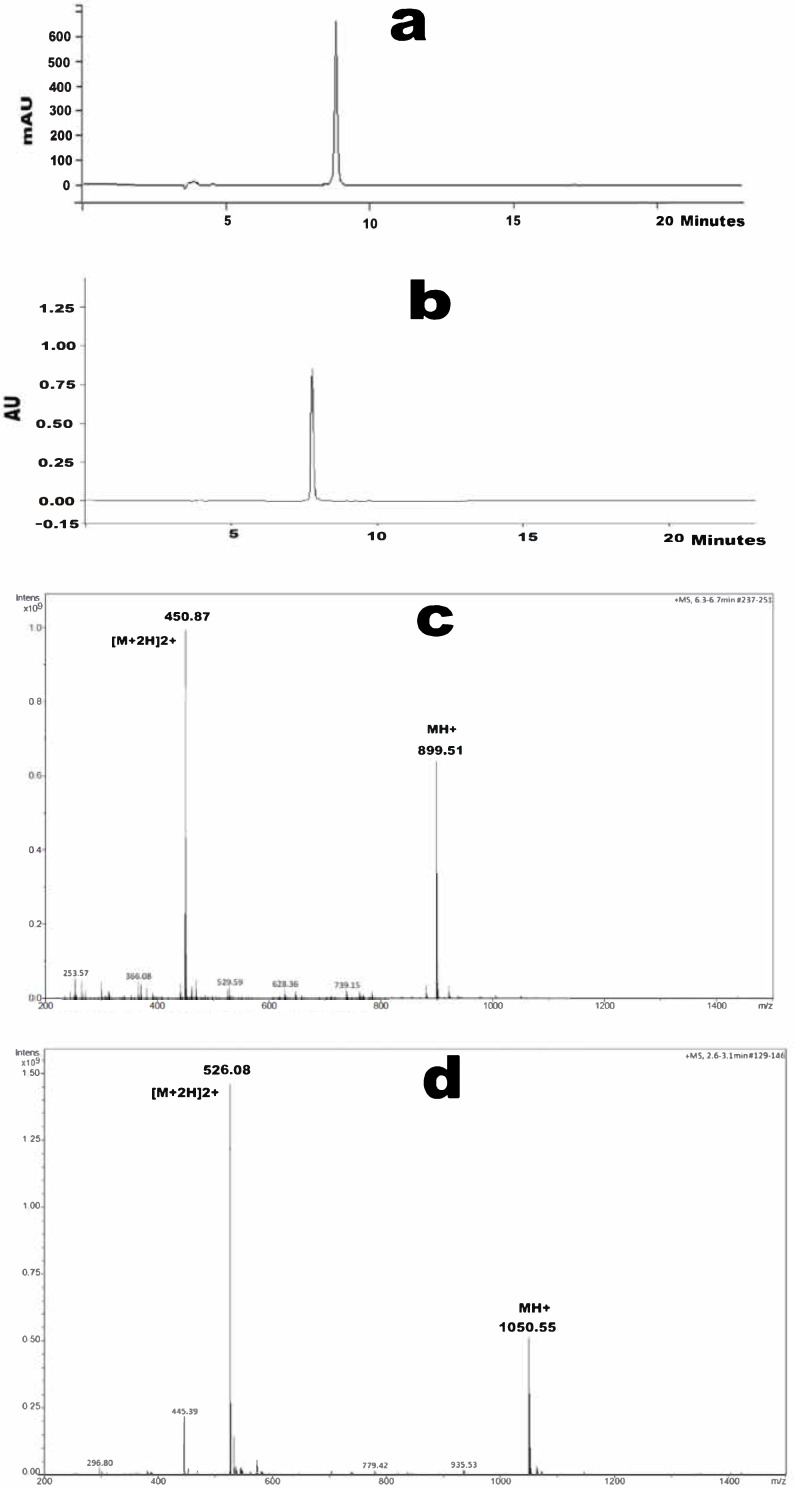
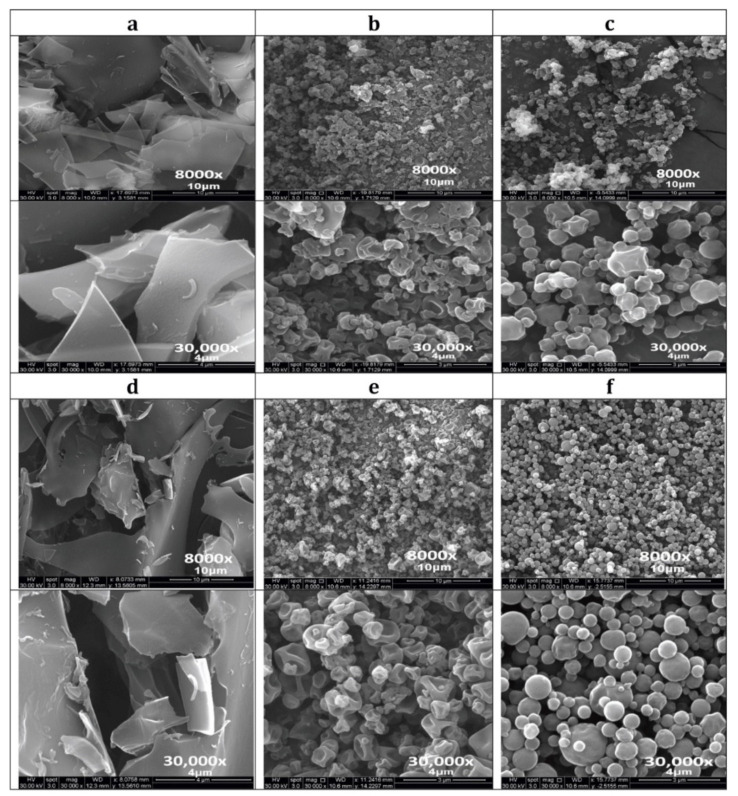
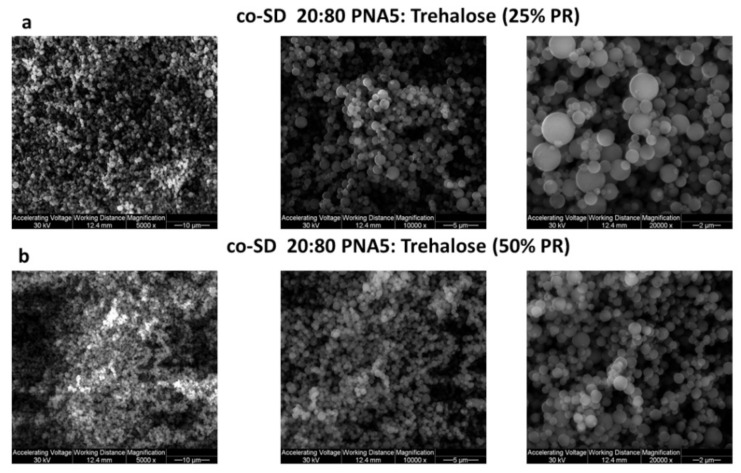
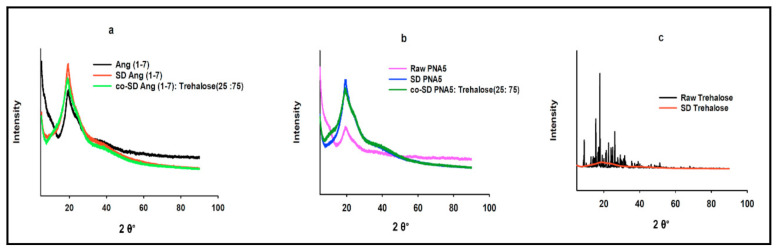
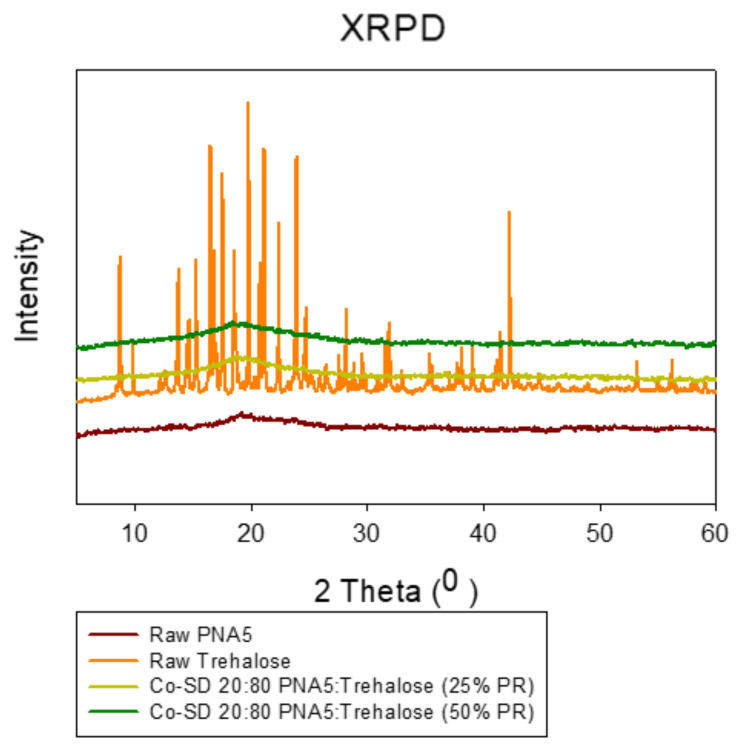
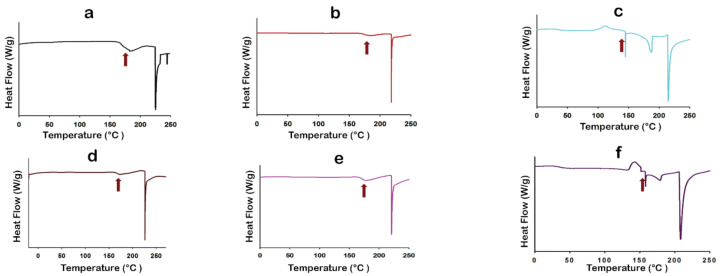
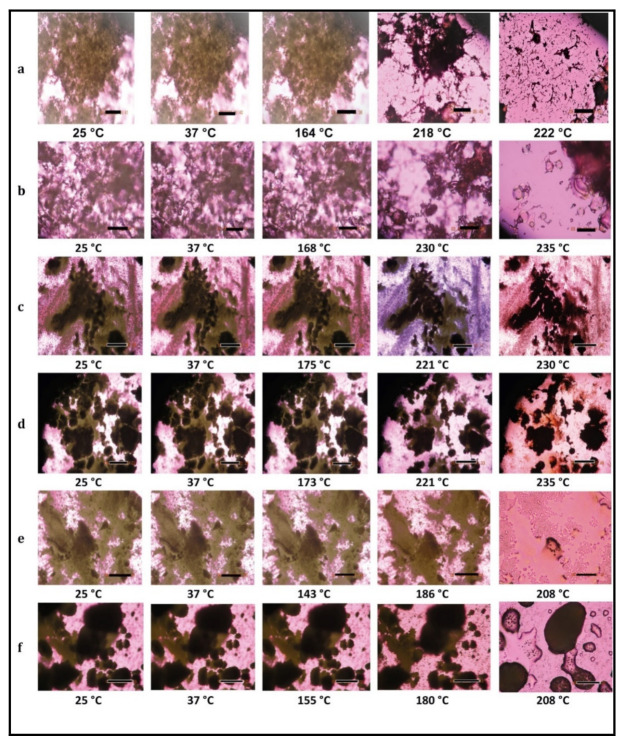
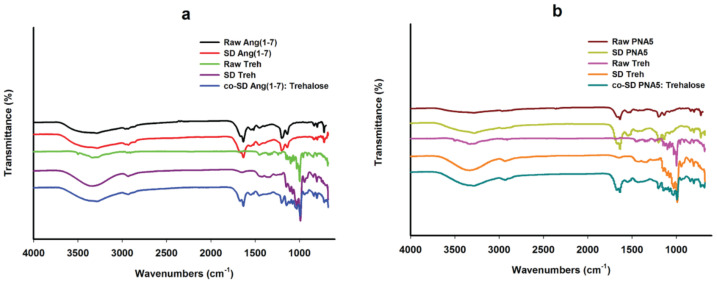
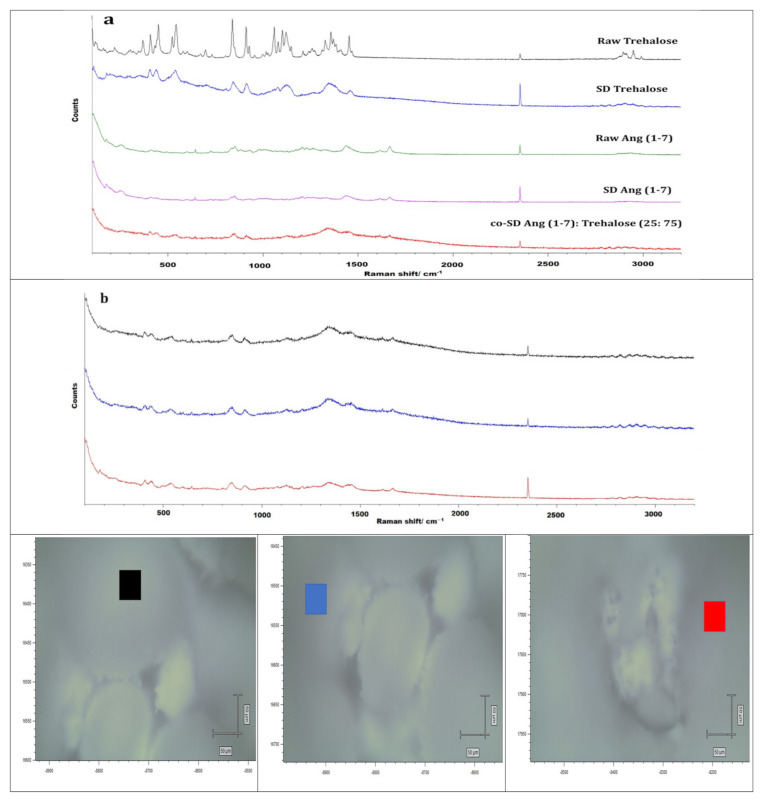
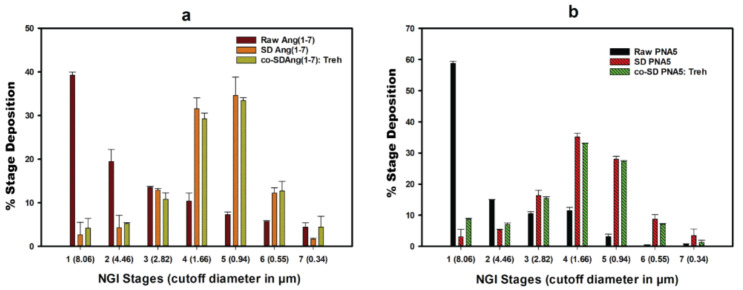
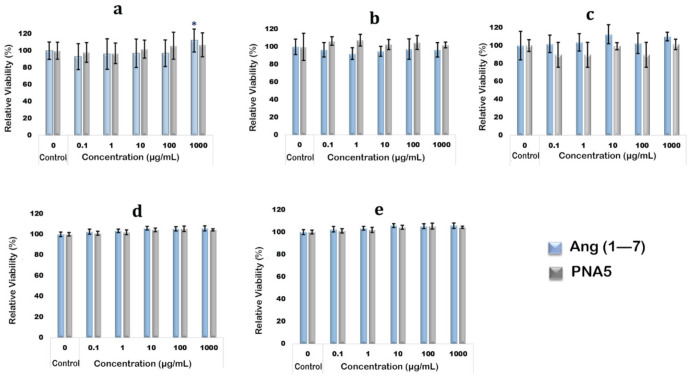
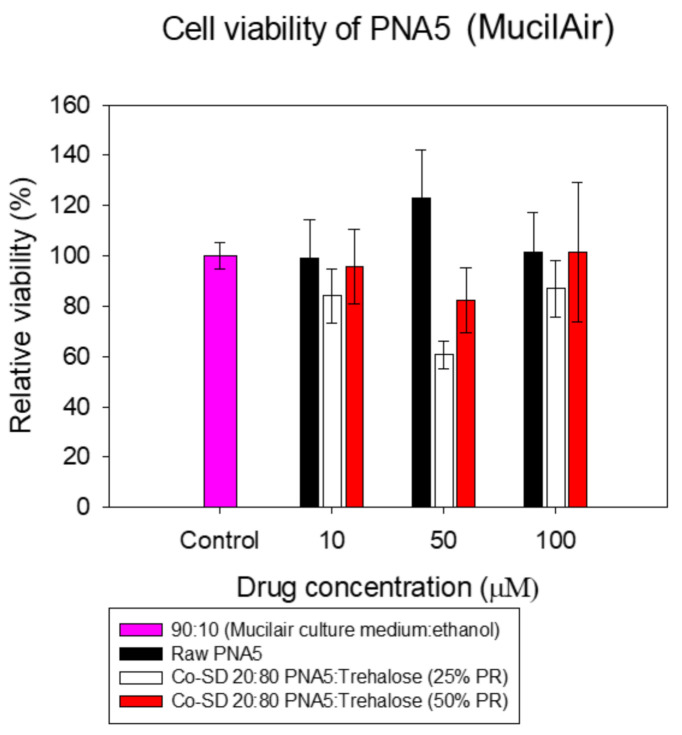
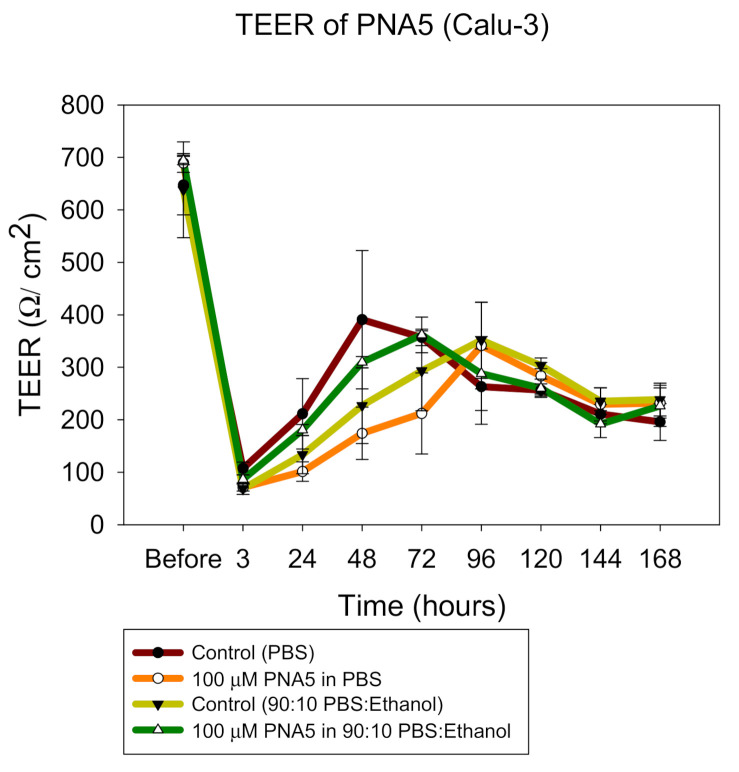
The peptide hormone Angiotensin (1-7), Ang (1-7) or (Asp-Arg-Val-Tyr-Ile-His-Pro), is an essential component of the renin-angiotensin system (RAS) peripherally and is an agonist of the Mas receptor centrally. Activation of this receptor in the CNS stimulates various biological activities that make the Ang (1-7)/MAS axis a novel therapeutic approach for the treatment of many diseases. The related O-linked glycopeptide, Asp-Arg-Val-Tyr-Ile-His-Ser-(O-β-D-Glc)-amide (PNA5), is a biousian revision of the native peptide hormone Ang (1-7) and shows enhanced stability in vivo and greater levels of brain penetration. We have synthesized the native Ang (1-7) peptide and the glycopeptide, PNA5, and have formulated them for targeted respiratory delivery as inhalable dry powders. Solid phase peptide synthesis (SPPS) successfully produced Ang (1-7) and PNA5. Measurements of solubility and lipophilicity of raw Ang (1-7) and raw PNA5 using experimental and computational approaches confirmed that both the peptide and glycopeptide have high-water solubility and are amphipathic. Advanced organic solution spray drying was used to engineer the particles and produce spray-dried powders (SD) of both the peptide and the glycopeptide, as well as co-spray-dried powders (co-SD) with the non-reducing sugar and pharmaceutical excipient, trehalose. The native peptide, glycopeptide, SD, and co-SD powders were comprehensively characterized, and exhibited distinct glass transitions (T) consistent with the amorphous glassy state formation with Ts that are compatible with use in vivo. The homogeneous particles displayed small sizes in the nanometer size range and low residual water content in the solid-state. Excellent aerosol dispersion performance with a human DPI device was demonstrated. In vitro human cell viability assays showed that Ang (1-7) and PNA5 are biocompatible and safe for different human respiratory and brain cells.
肽激素血管紧张素(1-7),即Ang(1-7)或(天冬氨酸-精氨酸-缬氨酸-酪氨酸-异亮氨酸-组氨酸-脯氨酸),在外周是肾素-血管紧张素系统(RAS)的重要组成部分,在中枢是Mas受体的激动剂。中枢神经系统中该受体的激活会刺激多种生物学活性,这使得Ang(1-7)/MAS轴成为治疗多种疾病的一种新型治疗方法。相关的O-连接糖肽,天冬氨酸-精氨酸-缬氨酸-酪氨酸-异亮氨酸-组氨酸-丝氨酸-(O-β-D-葡萄糖)-酰胺(PNA5),是天然肽激素Ang(1-7)的生物类似物,在体内显示出更高的稳定性和更高的脑渗透水平。我们已经合成了天然的Ang(1-7)肽和糖肽PNA5,并将它们制成可吸入干粉用于靶向呼吸道给药。固相肽合成(SPPS)成功制备了Ang(1-7)和PNA5。使用实验和计算方法对粗品Ang(1-7)和粗品PNA5的溶解度和亲脂性进行测量,证实该肽和糖肽均具有高水溶性且为两亲性。采用先进的有机溶液喷雾干燥技术对颗粒进行加工,制备了该肽和糖肽的喷雾干燥粉末(SD),以及与非还原糖和药用辅料海藻糖的共喷雾干燥粉末(co-SD)。对天然肽、糖肽、SD和co-SD粉末进行了全面表征,它们表现出明显的玻璃化转变温度(T),与形成的无定形玻璃态一致,其T值与体内使用相兼容。这些均匀的颗粒尺寸在纳米范围内且固态残留水分含量低。使用人体干粉吸入装置证明了其优异的气溶胶分散性能。体外人体细胞活力测定表明,Ang(1-7)和PNA5对不同的人体呼吸道和脑细胞具有生物相容性且安全。