McKay Tara, Henne Jeff, Gonzales Gilbert, Gavulic Kyle A, Quarles Rebecca, Gallegos Sergio Garcia
The Department of Medicine, Health, and Society, Vanderbilt University, PMB # 351665, Suite 300, 2301 Vanderbilt Place, TN 37235-1665 Calhoun Hall, Nashville, USA.
The Henne Group, Inc, San Francisco, CA USA.
Sex Res Social Policy. 2023;20(2):438-452. doi: 10.1007/s13178-021-00625-3. Epub 2021 Aug 20.
After decades of navigating HIV and other sexually transmitted infections, gay and bisexual men are responding to new and uncertain risks presented by the coronavirus (COVID-19) pandemic by adapting their sexual behavior.
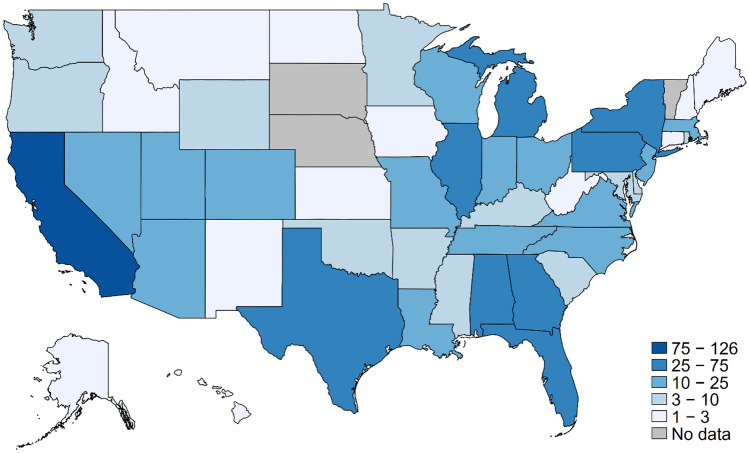
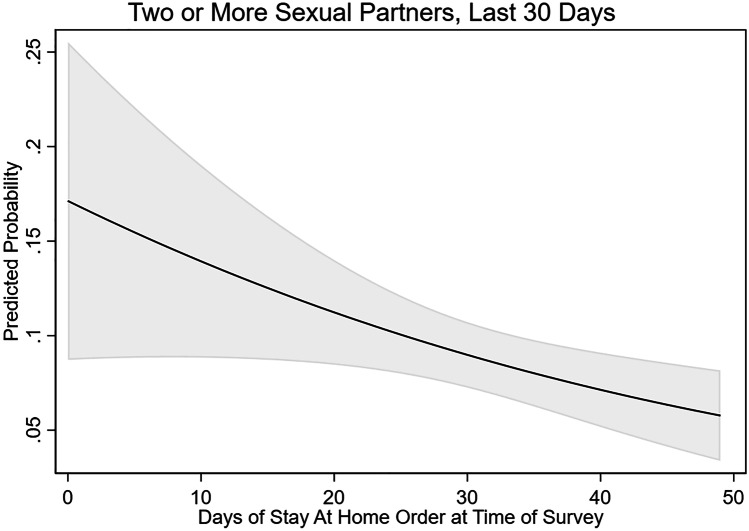
This paper uses data from a national sample of 728 gay and bisexual men collected from April 10 to May 10, 2020, to examine changes to sexual behavior in response to the first wave of the pandemic in the USA. We also assess whether behavior modifications are associated with exposure to statewide public health measures, including Stay-at-Home orders.
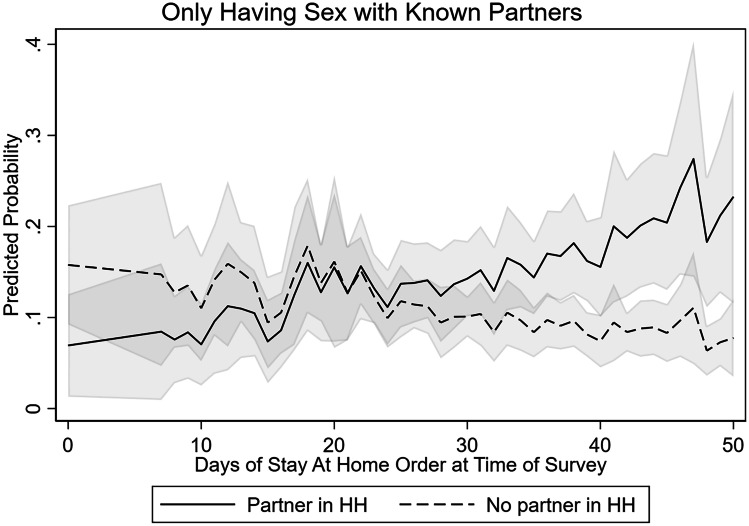
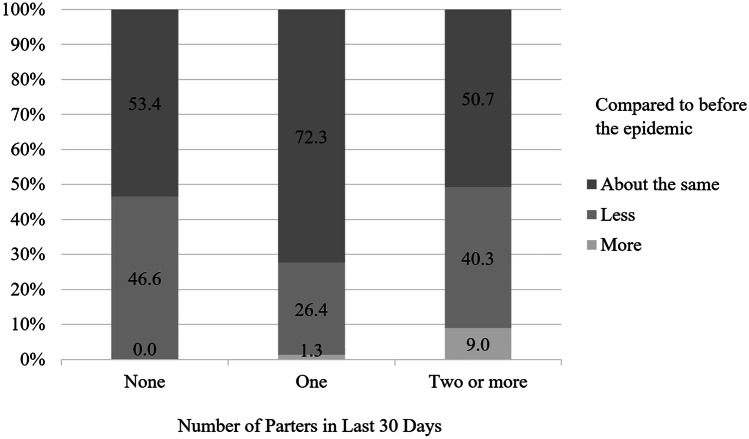
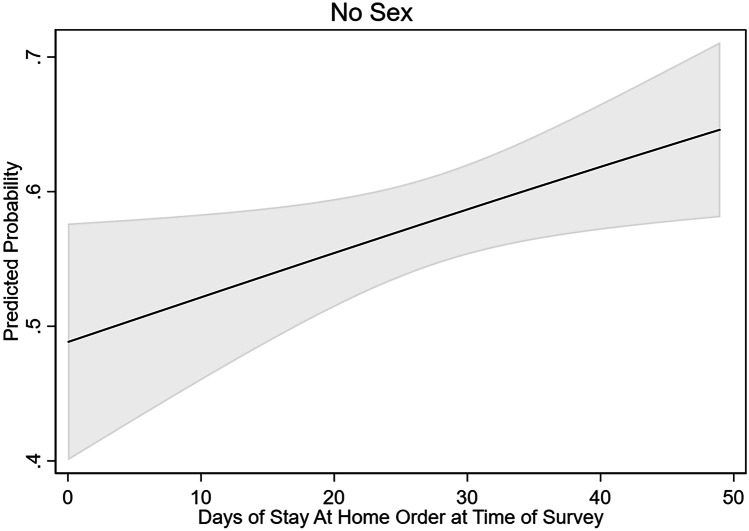
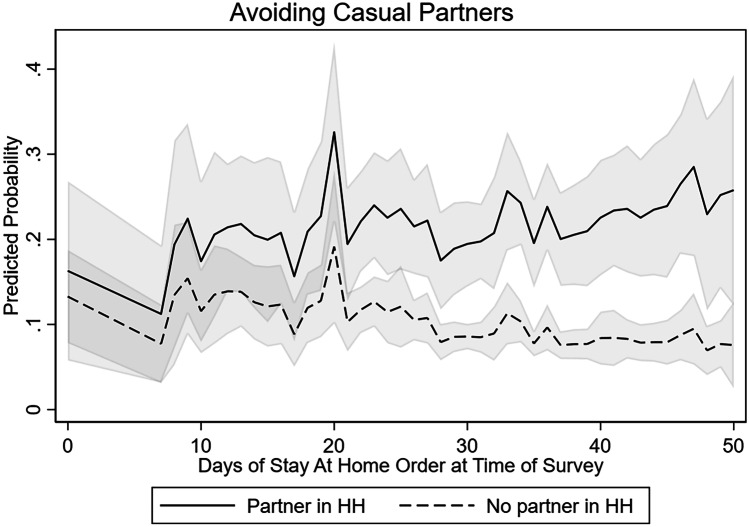
Sexual minority men report significant changes to their sexual behavior and partner selection during the first wave. Nine out of 10 men reported having either one sexual partner or no sexual partner in the last 30 days at the time of interview, a decrease compared to just before the pandemic for nearly half of men surveyed. Reporting no sexual partners in the last 30 days was significantly predicted by increased exposure to a Stay-at-Home order. Sexual minority men also reduced interactions with casual partners, increased no-contact sexual behaviors (e.g., masturbation and virtual sex), and engaged in new strategies to reduce their risks of infection from partners. HIV-positive men were particularly likely to adopt strategies including avoiding casual partners and avoiding public transportation to meet sexual partners.
Sexual minority men's behavior changes during the first wave may have reduced the impact of the coronavirus pandemic on their communities. Despite substantial changes in sexual behavior for most men in our sample during the initial first wave, we identify some concerns around the sustainability of certain behavioral changes over time and nondisclosure of COVID-19 symptoms to partners.
在应对艾滋病毒和其他性传播感染数十年后,男同性恋者和双性恋男性正在通过调整性行为来应对冠状病毒(COVID-19)大流行带来的新的不确定风险。
本文使用了2020年4月10日至5月10日从728名男同性恋者和双性恋男性的全国样本中收集的数据,以研究性行为的变化,以应对美国第一波大流行。我们还评估了行为改变是否与接触全州范围的公共卫生措施有关,包括居家令。
性少数群体男性报告在第一波疫情期间他们的性行为和性伴侣选择有显著变化。十分之九的男性报告在采访时的过去30天里有一个性伴侣或没有性伴侣,与大流行前相比,近一半接受调查的男性这一比例有所下降。在过去30天里报告没有性伴侣的情况,显著地受到更多接触居家令的影响。性少数群体男性还减少了与临时伴侣的互动,增加了无接触性行为(如自慰和虚拟性爱),并采取了新的策略来降低从伴侣那里感染的风险。艾滋病毒呈阳性的男性尤其可能采取包括避免临时伴侣和避免乘坐公共交通工具去见性伴侣等策略。
性少数群体男性在第一波疫情期间的行为变化可能减少了冠状病毒大流行对其社区的影响。尽管在我们样本中的大多数男性在最初的第一波疫情期间性行为有了很大变化,但我们发现随着时间的推移,某些行为变化的可持续性以及不向伴侣透露COVID-19症状存在一些问题。