Sabatello Maya, Chao Audrey, Insel Beverly J, Corbeil Thomas, Link Bruce G, Appelbaum Paul S
J Law Biosci. 2021 Aug 26;8(2):lsab026. doi: 10.1093/jlb/lsab026. eCollection 2021 Jul-Dec.
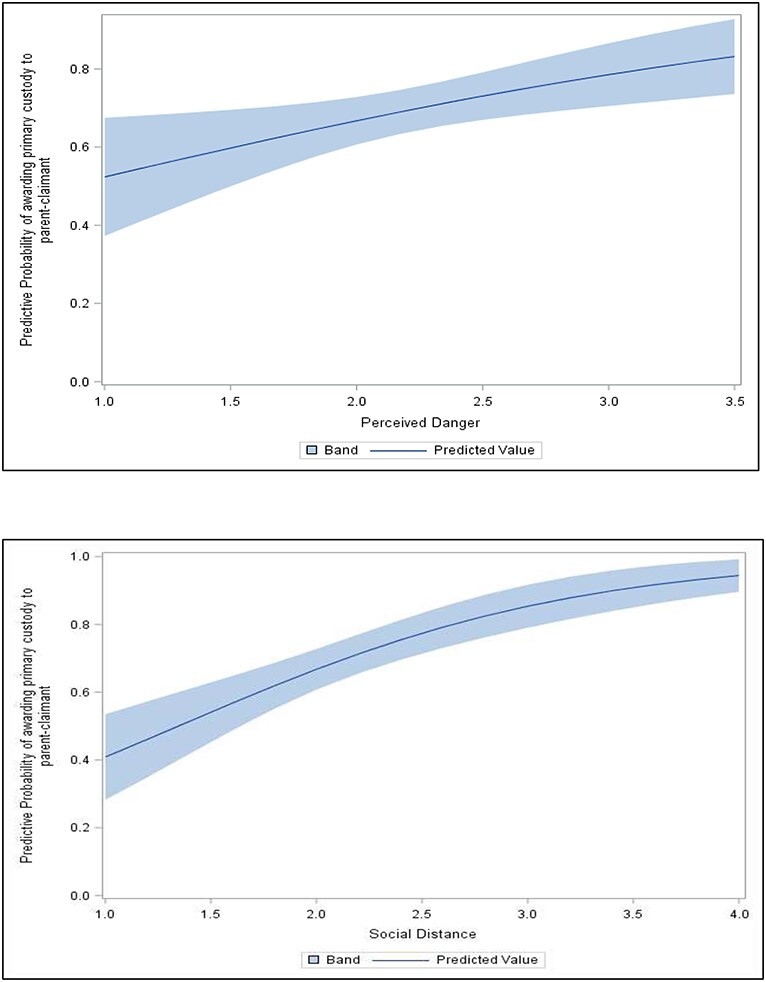
The introduction of behavioral, including psychiatric, genetic information in American courts has gained traction but raises concerns of undue influence on judicial outcomes. We conducted a vignette-based survey of a nationally representative sample of US adults to assess how evidence about a parent's psychiatric genetic makeup and explicit and implicit stigmatizing beliefs about psychiatric conditions may affect key decisions in child custody proceedings. Psychiatric genetic evidence did not affect public perspectives on custody decisions, but it increased the genetic essentialist understanding of psychiatric conditions (regardless of a diagnosis). Explicit stigma was associated with a preference to deny parents with a (or with an alleged) psychiatric condition joint custody. Our newly created Implicit Association Test identified an association between psychiatric conditions and perceived bad parenting. Research to identify effective interventions and educational programs to address genetic essentialism and to reduce bias against people, including parents, with psychiatric conditions is urgently needed.
在美国法庭上引入行为学(包括精神病学)方面的遗传信息已逐渐受到关注,但引发了对其对司法结果产生不当影响的担忧。我们对具有全国代表性的美国成年人样本进行了一项基于 vignette 的调查,以评估关于父母精神疾病遗传构成的证据以及对精神疾病的显性和隐性污名化观念如何影响儿童监护权诉讼中的关键决策。精神疾病遗传证据并未影响公众对监护权决策的看法,但它增加了对精神疾病的遗传本质主义理解(无论是否有诊断)。显性污名与倾向于拒绝有(或被指控有)精神疾病的父母获得共同监护权有关。我们新创建的内隐联想测验确定了精神疾病与被视为不良养育之间的关联。迫切需要开展研究,以确定有效的干预措施和教育项目,以解决遗传本质主义问题,并减少对包括患有精神疾病的父母在内的人群的偏见。