Jones Lyn H
Center for Protein Degradation, Dana-Farber Cancer Institute 360 Longwood Avenue Boston MA 02215 USA
RSC Chem Biol. 2020 Nov 6;1(5):298-304. doi: 10.1039/d0cb00174k. eCollection 2020 Dec 1.
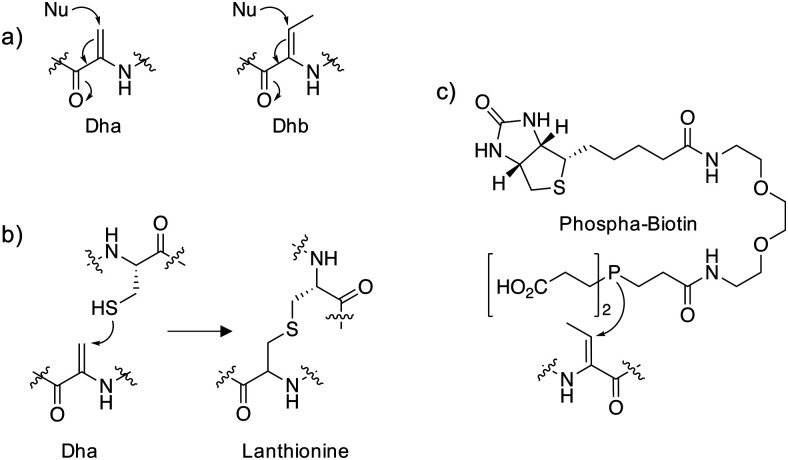
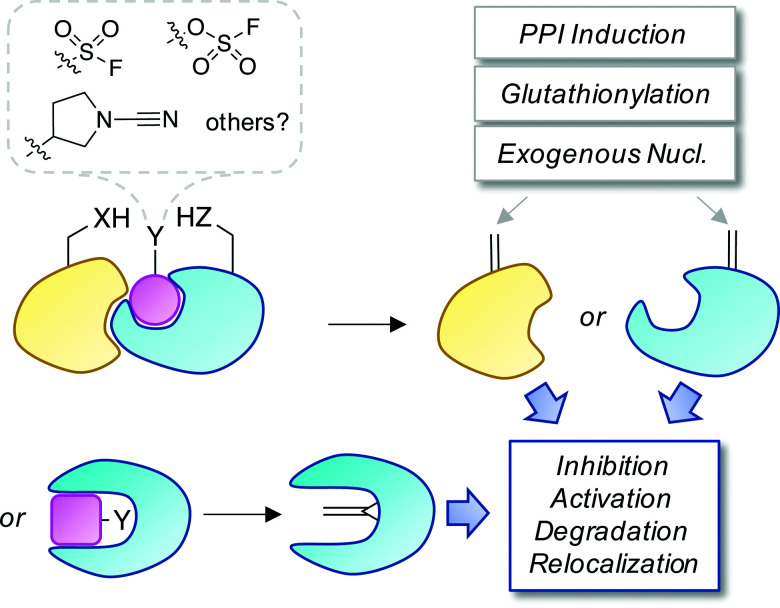
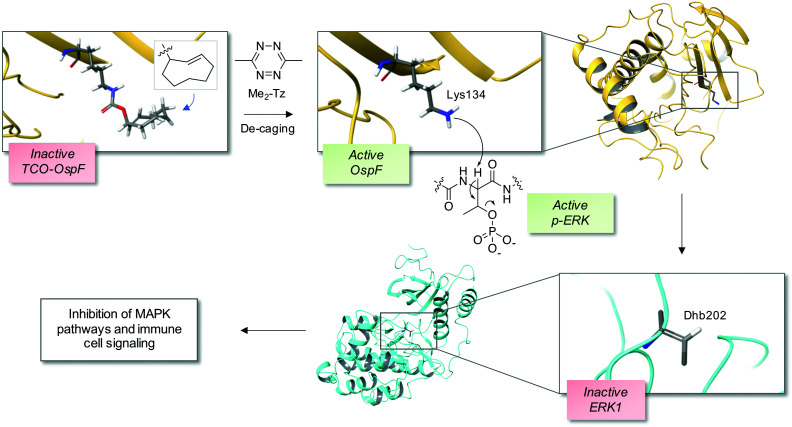
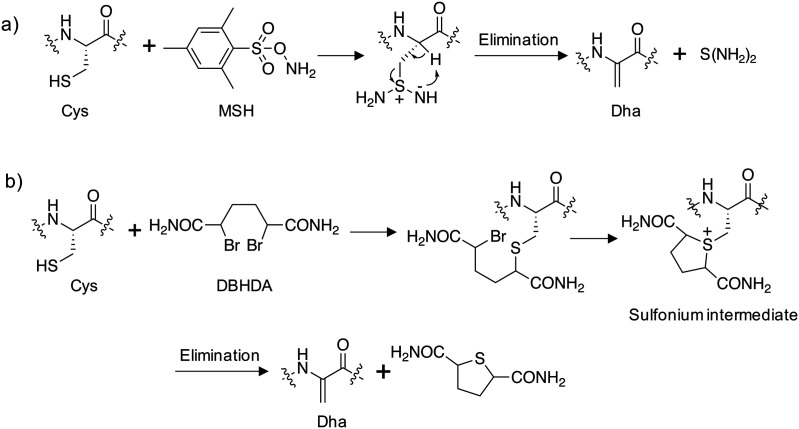
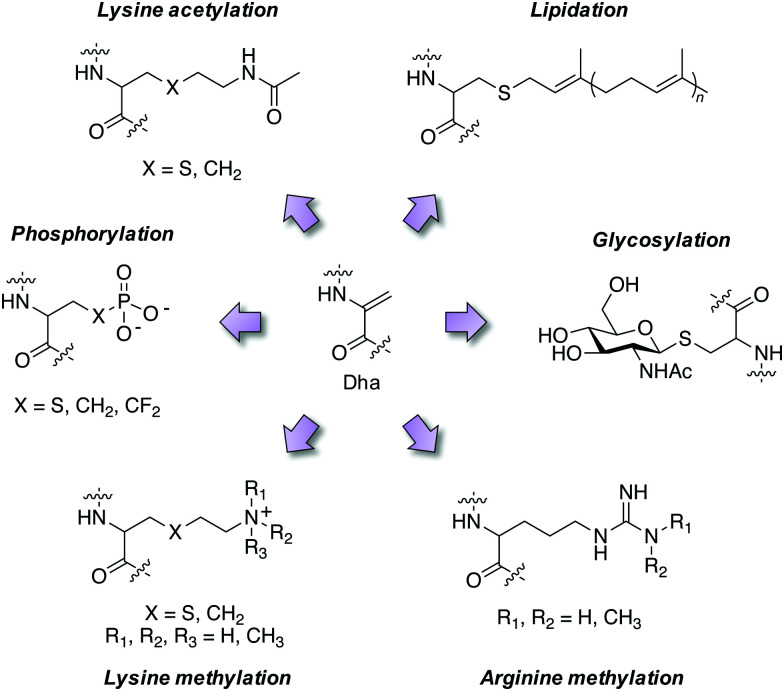
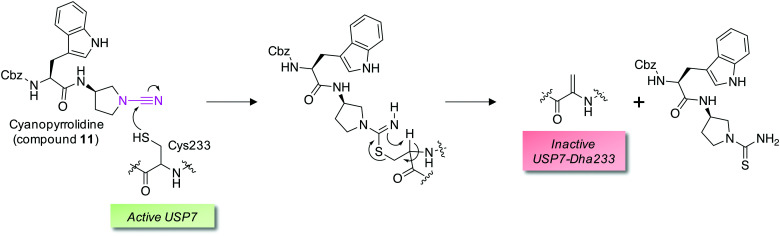
In nature, dehydroalanine (Dha) and dehydrobutyrine (Dhb) residues are byproducts of protein aging, intermediates in the biosynthesis of lanthipeptides and products of bacterial phospholyases that inactivate host kinase immune responses. Recent chemical biology studies have demonstrated the possibility of mapping dehydroamino acids in complex proteomes in an unbiased manner that could further our understanding of the role of Dha and Dhb in biology and disease more broadly. From a synthetic perspective, chemical mutagenesis through site-selective formation of the unsaturated residue and subsequent addition chemistry has yielded homogeneous proteins bearing a variety of post-translational modifications (PTMs) which have assisted fundamental biological research. This Opinion discusses these recent advances and presents new opportunities for protein engineering and drug discovery.
在自然界中,脱氢丙氨酸(Dha)和脱氢丁氨酸(Dhb)残基是蛋白质老化的副产物、羊毛硫肽生物合成的中间体以及使宿主激酶免疫反应失活的细菌磷酸酶的产物。最近的化学生物学研究表明,有可能以无偏差的方式在复杂蛋白质组中定位脱氢氨基酸,这可以更广泛地增进我们对Dha和Dhb在生物学和疾病中作用的理解。从合成的角度来看,通过不饱和残基的位点选择性形成及随后的加成化学进行化学诱变,已产生了带有多种翻译后修饰(PTM)的均一蛋白质,这些修饰辅助了基础生物学研究。本观点讨论了这些最新进展,并提出了蛋白质工程和药物发现的新机遇。